4 Wheel Drive Mini Tractor: Key Specifications and Uses

application/4-wheel-drive-mini-tractor, application/4-wheel-drive-mini-tractor, 
Inquiry
application/4-wheel-drive-mini-tractor, application/4-wheel-drive-mini-tractor, 
Inquiry

4 wheel drive mini tractor

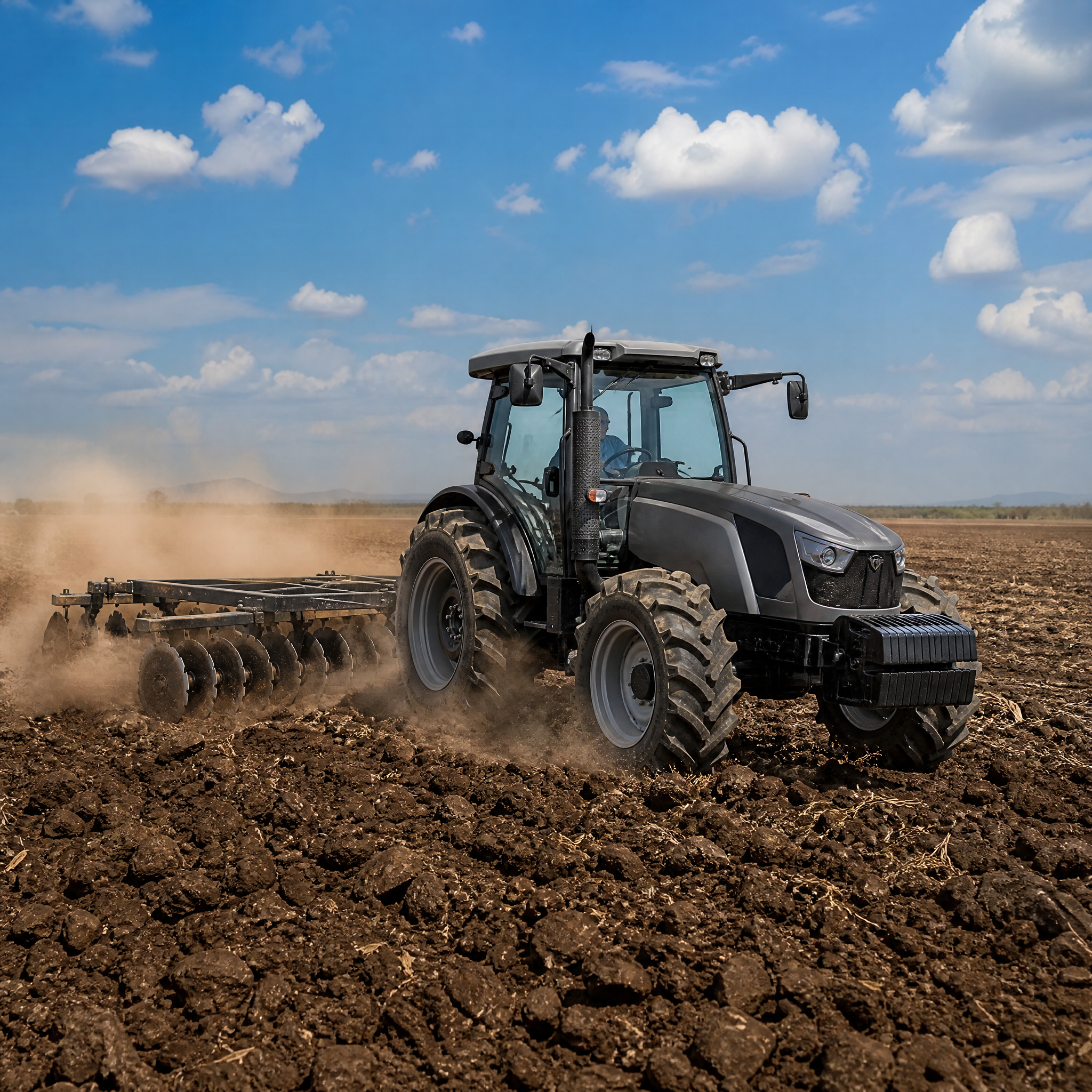
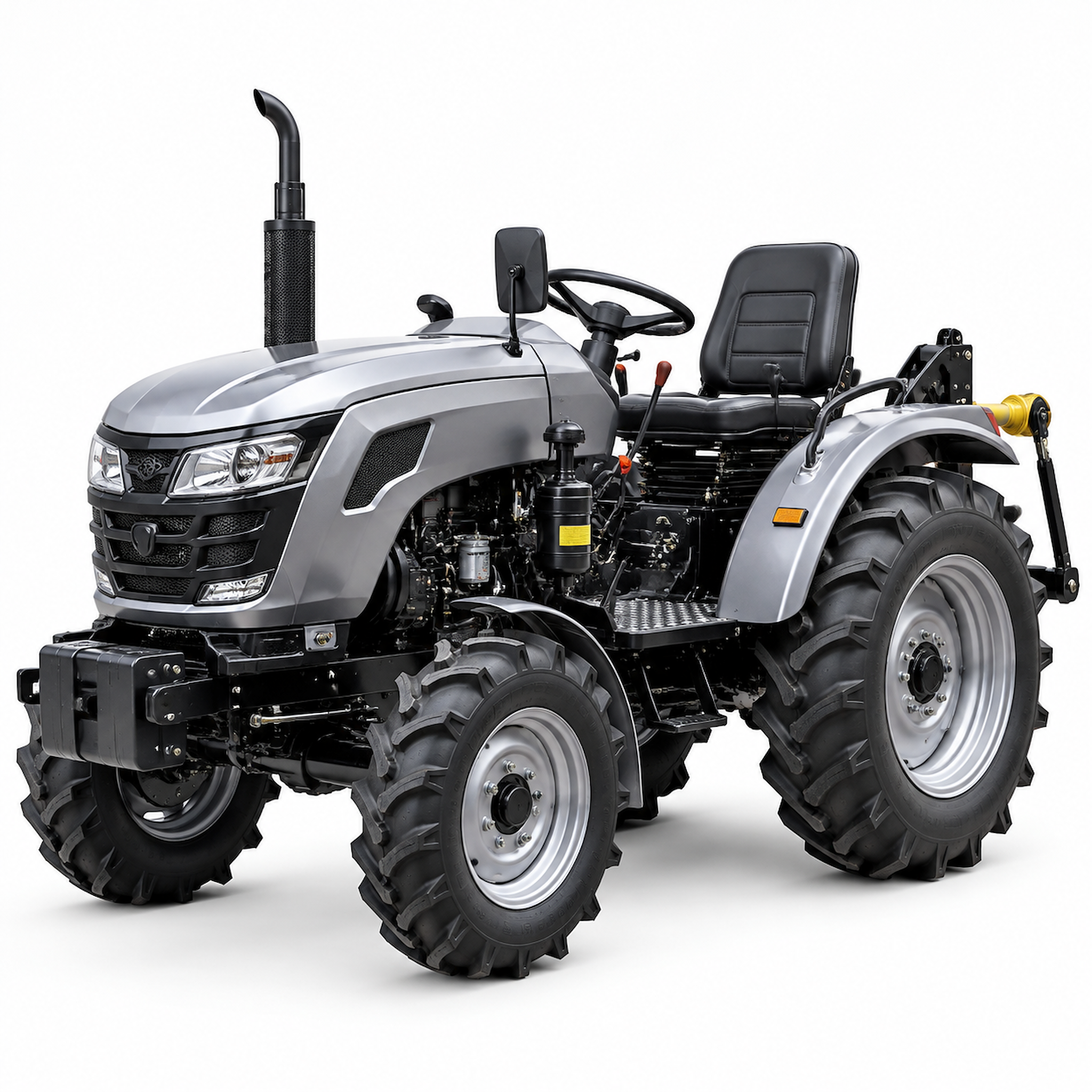
4 wheel drive mini tractors are versatile pieces of agricultural machinery designed for a range of tasks, including tillage, seeding, and irrigation. These compact tractors offer the ideal combination of power, maneuverability, and efficiency, making them a popular choice among farmers and agricultural professionals. When considering the acquisition of a 4 wheel drive mini tractor, buyers often have concerns related to specifications, quality, and application suitability. This article aims to provide key insights into selecting, evaluating, and utilizing 4 wheel drive mini tractors effectively. For instance, understanding the compatibility of various Processing Machines can enhance the tractor's utility.

Key Specifications to Consider When Buying 4 Wheel Drive Mini Tractors

Key Specifications to Consider When Buying 4 Wheel Drive Mini Tractors

When evaluating 4 wheel drive mini tractors, several specifications warrant careful consideration:

Engine Power and Type: The horsepower of the engine should align with the intended applications. A higher horsepower is necessary for heavy-duty tasks, while lower power may suffice for lighter duties. Diesel engines are typically preferred for their fuel efficiency and torque.

Transmission Options: Buyers can choose between manual and hydrostatic transmissions. Hydrostatic transmissions provide smoother operation and greater ease of use, particularly for novice operators.

Four-Wheel Drive System: Ensure the tractor features an effective four-wheel drive system, which enhances traction on slippery or uneven surfaces. This is especially important in wet or muddy conditions.

Weight and Size: The overall dimensions and weight of the tractor should match the scale of operations. A compact size may be advantageous for smaller fields, while larger farms may require more robust machinery.

Lift Capacity: Look for specifications regarding the three-point hitch and lift capacity, as this will determine the types of attachments the tractor can handle.

Fuel Capacity: A larger fuel tank reduces downtime for refueling, which can enhance productivity during long working hours.

Understanding these specifications enables buyers to make informed decisions that align with their operational needs and maximize productivity.

Quality Control Measures in 4 Wheel Drive Mini Tractor Production

Quality Control Measures in 4 Wheel Drive Mini Tractor Production

Quality control plays a critical role in the manufacturing of 4 wheel drive mini tractors. Manufacturers like Agripros implement rigorous quality assurance protocols, including:

Material Inspection: The selection of high-quality materials is fundamental. Steel components are often subjected to tensile and fatigue tests to ensure they can withstand operational stresses.

Component Testing: Each component, from the engine to the drivetrain, must undergo thorough testing before assembly. This includes performance testing under various load conditions to verify reliability.

Assembly Line Checks: Throughout the assembly process, regular inspections are conducted to ensure that all parts fit correctly and operate as intended. This includes checks for alignment, hydraulic connections, and electrical systems.

Final Quality Assurance: Before the tractor leaves the facility, a comprehensive quality check is performed, including operational tests in real-world conditions to validate performance claims.

These measures help ensure that the final product meets the required standards of durability and performance, which is essential for customer satisfaction and long-term operation.

Common Problems with 4 Wheel Drive Mini Tractors and Their Solutions

Common Problems with 4 Wheel Drive Mini Tractors and Their Solutions

While 4 wheel drive mini tractors are generally reliable, several common issues may arise during operation. Awareness and proactive measures can help mitigate these problems:

Hydraulic System Failures: Insufficient hydraulic fluid levels or leaks can impede performance. Regular checks and maintenance of the hydraulic system are essential for smooth operation.

Electrical Issues: Problems with wiring or battery connections can lead to starting failures. Routine inspection of electrical systems helps identify potential issues before they escalate.

Tire Wear and Traction Loss: Tires are subject to wear and tear, particularly in rugged terrain. Monitoring tire pressure and replacing worn tires ensures optimal traction and stability.

Engine Overheating: Overheating can occur due to blocked cooling systems or low coolant levels. Regular maintenance and cleaning of the cooling system are critical to preventing engine damage.

Providing training to operators on the correct use and maintenance practices can also help reduce the occurrence of these issues and prolong the lifespan of the tractor.

Applications of 4 Wheel Drive Mini Tractors in Various Industries

4 wheel drive mini tractors are versatile pieces of equipment used across multiple industries beyond traditional agriculture. Their applications include:

Horticulture: In nurseries and greenhouses, mini tractors are utilized for soil preparation, planting, and transporting materials. Their compact size allows for efficient maneuvering in tight spaces.

Landscaping: For landscaping companies, these tractors can assist in grading, tilling, and hauling materials, making them indispensable for a variety of projects.

Forestry: Mini tractors can be equipped with specialized attachments for logging and land clearing, providing the necessary power without the footprint of larger machinery.

Residential Maintenance: Homeowners with larger properties often use 4 wheel drive mini tractors for tasks like snow removal, lawn care, and garden tilling, offering a practical solution for property management.

Construction: In construction, these tractors serve as compact utility vehicles for transporting materials, digging, and site preparation, proving their versatility across various tasks. Many construction firms rely on Tractors for such needs.

Understanding these applications can assist potential buyers in recognizing the full potential of 4 wheel drive mini tractors, ensuring they select the right equipment tailored to their specific needs.

What to Know

When looking for a 4 wheel drive mini tractor, it’s important to understand the critical features and specifications that can impact performance. Buyers should consider the engine type, horsepower, transmission options, and overall dimensions, as these factors determine the tractor's capability for various agricultural tasks. Additionally, familiarity with attachments and implements compatible with the tractor, such as Sprayer & Fertilizer equipment, can enhance its utility and effectiveness in the field.

A key aspect to evaluate is the tractor’s turning radius, which affects maneuverability in tight spaces. Likewise, understanding the weight distribution is crucial, as it influences stability and traction, especially in uneven terrain. Furthermore, buyers should be aware of the manufacturer's reputation regarding service and support, as this can significantly affect the long-term satisfaction with the purchase.

Frequently Asked Questions

What terrains can the 4 wheel drive mini tractor handle?

The 4 wheel drive mini tractor is built for varied terrains including hilly, wet, and uneven fields. Its 4WD improves traction for tillage, seeding, and light transport across farms and plantations.
The mini tractor is supplied by a CE and ISO 9001 certified manufacturer, ensuring compliance with safety and quality management standards.
It supports common implements for tillage, seeding, irrigation and light harvesting tasks. We offer tailored configurations based on your farm needs and crop types.
Agripros offers lifecycle-based support including spare parts, technical guidance, and maintenance plans to maximize uptime and equipment longevity.
Yes. We supply equipment to over 40 countries and provide export arrangements plus remote after-sales support and local partner coordination as needed.

Get a Free Quote

Our representative will contact you soon.
0/1000