Best Rated Sub Compact Tractors for Buyers

application/best-rated-sub-compact-tractor, application/best-rated-sub-compact-tractor, 
Inquiry
application/best-rated-sub-compact-tractor, application/best-rated-sub-compact-tractor, 
Inquiry

best rated sub compact tractor

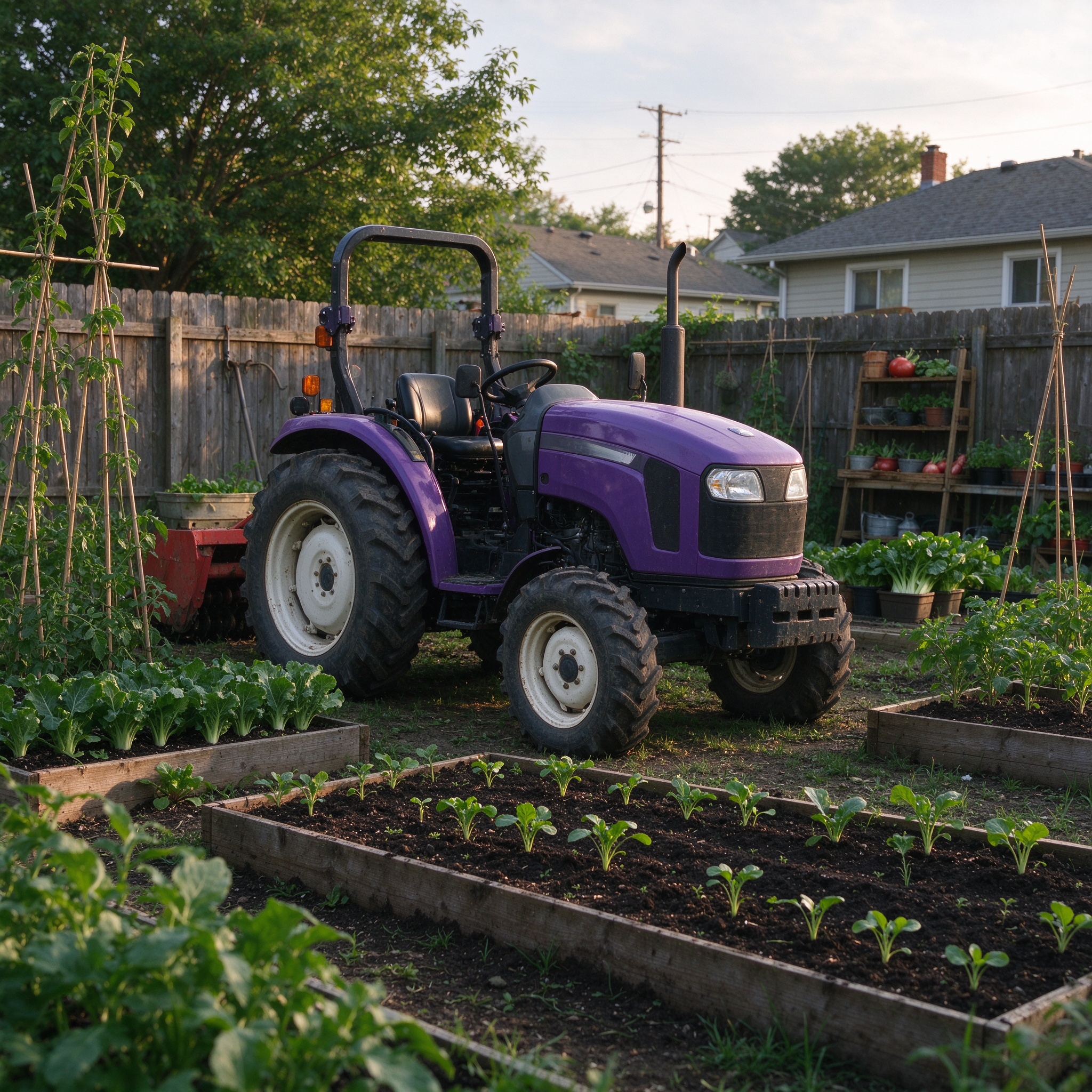
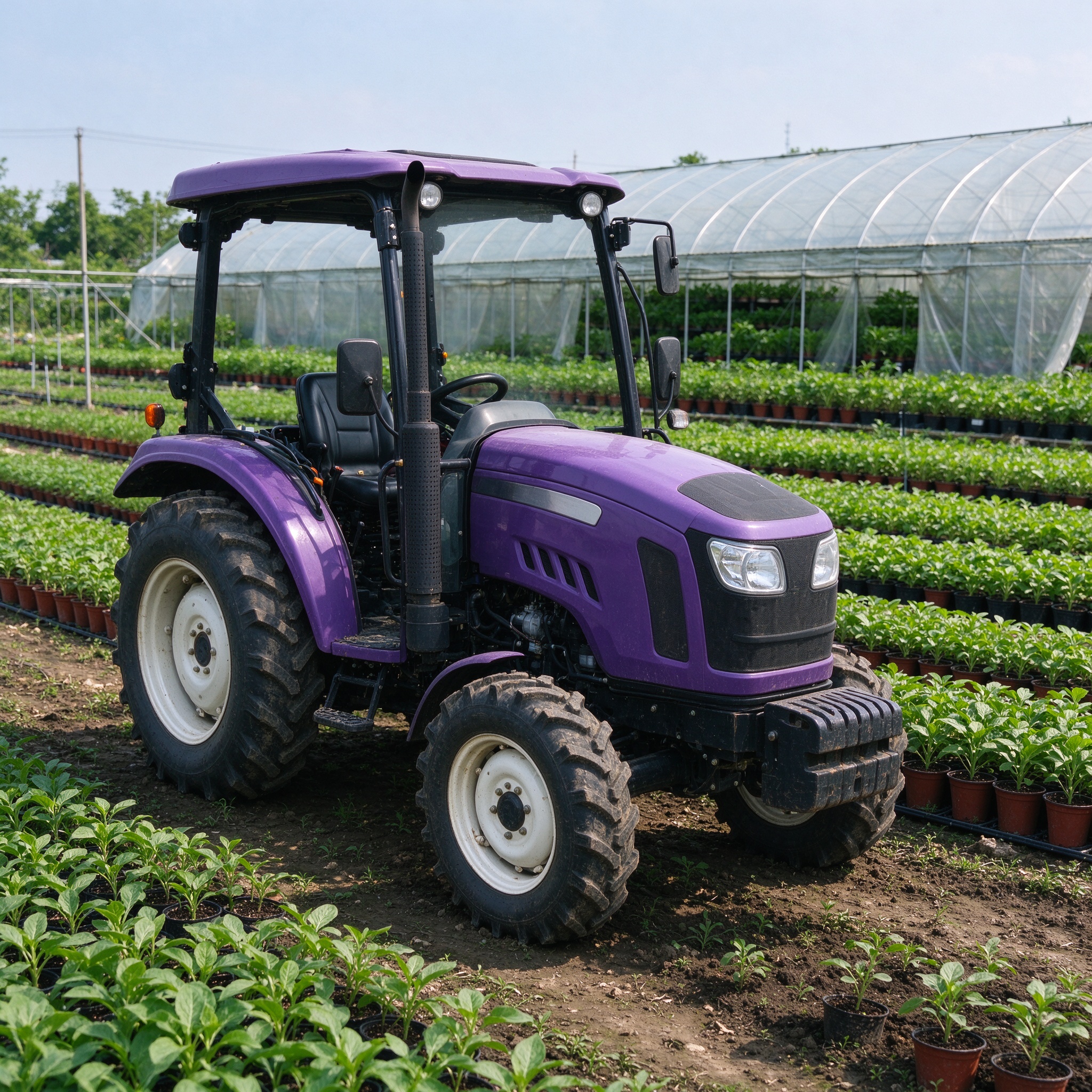
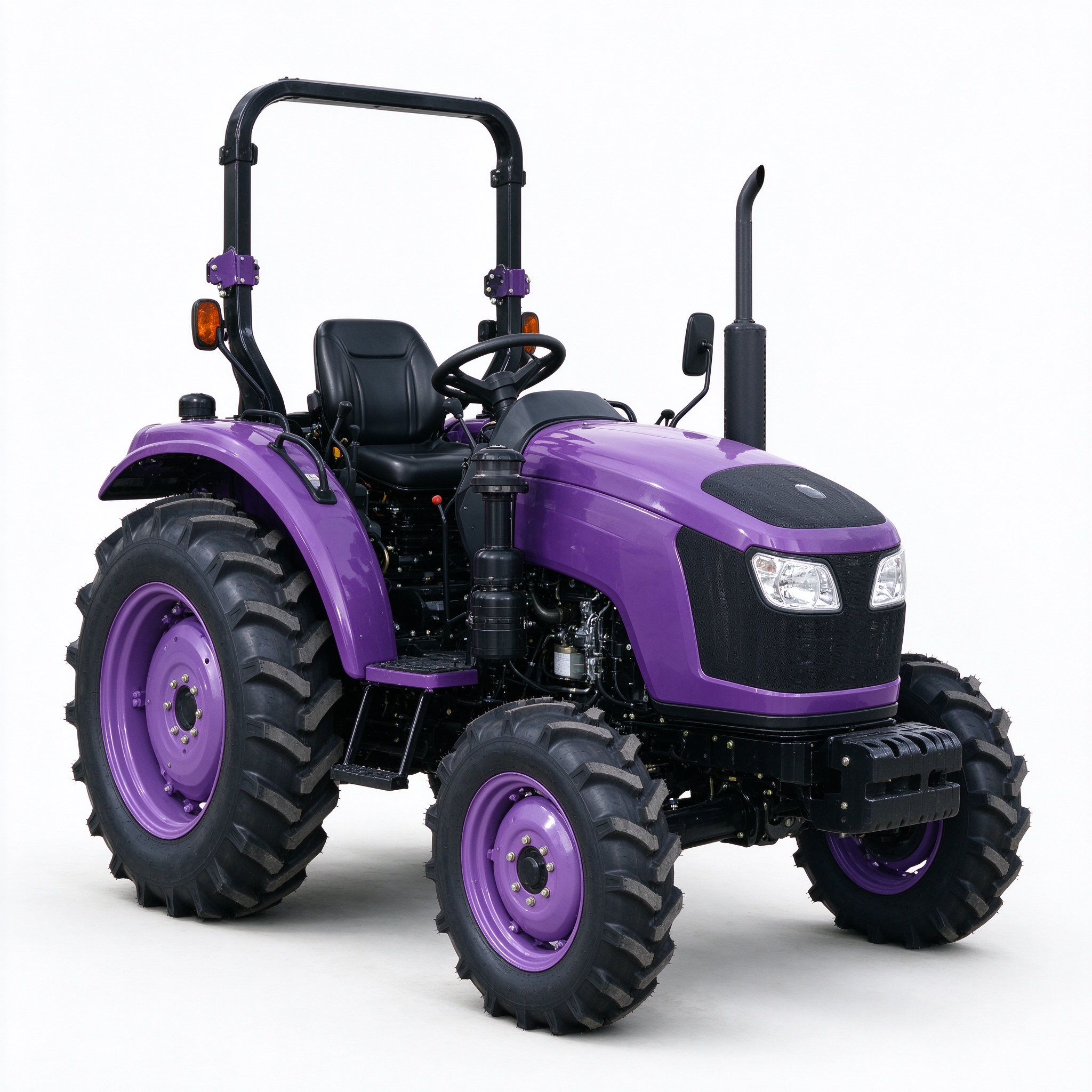
Sub compact tractors are essential pieces of agricultural machinery, designed to assist with various farming tasks such as tillage, seeding, and irrigation. Recognized for their compact size and versatility, the best rated sub compact tractors are ideal for small to medium-sized farms and gardens. Buyers often seek detailed insights into specifications, sourcing options, and potential issues related to these tractors. This article will guide you through the key specifications, sourcing strategies, common problems, installation guidance, and material considerations for sub compact tractors, helping you make informed purchasing decisions.

Sourcing Best Rated Sub Compact Tractors

Sourcing Best Rated Sub Compact Tractors

When sourcing sub compact tractors, buyers should consider several factors to ensure they receive the best value and quality.

Reputable Manufacturers: Partnering with established manufacturers like Agripros, which holds CE and ISO 9001 certifications, can provide assurance of quality and reliability. Buyers should look for manufacturers with a proven track record in the industry.

Customization Options: Many manufacturers offer customization options to tailor tractors to specific needs, such as adding or modifying attachments. Discussing these options early in the purchasing process can help meet unique operational requirements.

Supplier Evaluation: Assess potential suppliers based on their production capabilities, customer service, and delivery timelines. Requesting references or testimonials can provide valuable insights into a supplier’s reliability and quality.

Pricing Factors: Understand the factors that influence pricing, such as specifications, customization, and order volume. Bulk purchases often yield better pricing, while seasonal demand may affect availability and costs.

Lead Time: Confirm lead times for production and delivery to ensure that the tractor can be integrated into farm operations without delays.

By carefully evaluating suppliers and understanding pricing structures, buyers can make informed decisions when sourcing sub compact tractors. Additionally, considering options like the Grain Crusher 3 kW Electric Mill for Poultry Feed Milling can enhance operational efficiency.

Common Problems with Sub Compact Tractors and Their Solutions

Common Problems with Sub Compact Tractors and Their Solutions

While sub compact tractors are reliable, they may encounter common issues that can affect their performance. Understanding these problems and their solutions is essential for maintaining operational efficiency.

Starting Issues: If a tractor fails to start, it could be due to a weak battery or fuel delivery problems. Regular maintenance, including battery checks and fuel system inspections, can prevent these issues.

Hydraulic Failures: Loss of hydraulic power can hinder the operation of attachments. This may be caused by leaks or low fluid levels. Regularly checking hydraulic fluid levels and inspecting hoses for signs of wear can mitigate these issues.

Tire Wear: Uneven tire wear can affect traction and stability. Monitoring tire pressure and ensuring proper alignment can prolong tire life and improve performance.

Overheating: Overheating can occur during prolonged use, particularly in hot weather. Ensuring proper coolant levels and conducting regular maintenance checks can help prevent overheating.

Electrical Issues: Electrical problems may arise from wiring faults or corroded connections. Regular inspections of electrical systems, including battery terminals and wiring harnesses, can help identify and resolve these issues early.

Being aware of these common problems allows buyers to implement preventive measures, ensuring the sub compact tractor operates smoothly.

Installation Guidance for Best Rated Sub Compact Tractors on Site

Installation Guidance for Best Rated Sub Compact Tractors on Site

Proper installation of sub compact tractors is crucial for optimal operation. Here are some guidelines to ensure a smooth setup:

Level Ground: Ensure that the installation site is level and stable. This will prevent potential tipping and enhance stability during operation.

Assembly Instructions: Follow the manufacturer’s assembly instructions carefully. This includes attaching essential components like the loader, backhoe, and implements according to the provided guidelines.

Safety Checks: Conduct safety checks before operating the tractor. This includes checking fluid levels, ensuring all attachments are securely fastened, and verifying that safety features such as guards and lights are operational.

Training for Operators: Proper training for operators is essential. Ensure that all users are familiar with the tractor's controls, safety features, and maintenance requirements to promote safe and efficient operation.

Regular Maintenance Schedule: Establish a routine maintenance schedule that includes checks on oil, filters, and hydraulic fluid. Regular maintenance not only extends the life of the tractor but also ensures reliable performance.

Following these installation guidelines will help ensure that the sub compact tractor is set up for success in various agricultural applications.

Understanding Materials in Sub Compact Tractors

The materials used in sub compact tractors play a significant role in their durability and performance. Here are key considerations regarding materials:

Chassis and Frame: Most sub compact tractors feature a steel chassis for strength and durability. Buyers should look for tractors with reinforced frames that can withstand heavy loads and harsh operating conditions.

Engine Components: The engine should be made from high-quality materials to ensure longevity and efficiency. Cast iron and aluminum are common materials used for engine blocks and components due to their strength and lightweight properties.

Hydraulic Components: Hydraulic systems require durable materials to withstand high pressure. Look for tractors that use high-grade steel or composite materials for hydraulic lines and fittings to prevent leaks and failures.

Cabin Materials: If the tractor includes a cabin, the materials used for windows and safety features should provide adequate visibility and protection against environmental elements.

Attachment Materials: Attachments such as loaders and tillers should be made from robust materials to endure the rigors of agricultural tasks. Steel is a preferred choice for these components due to its strength and resistance to wear.

Understanding the materials used in sub compact tractors will help buyers select models that offer the best performance and reliability for their specific agricultural needs.

Key Specifications of Best Rated Sub Compact Tractors for Buyers

When evaluating sub compact tractors, several key specifications should be considered to ensure optimal performance and suitability for specific agricultural tasks.

Engine Power: Typically ranging from 15 to 25 horsepower, engine power determines the tractor's ability to perform various tasks effectively. Higher horsepower generally translates to better performance in heavy-duty applications.

Weight and Size: The weight of the tractor impacts its stability and traction. Most sub compact tractors weigh between 1,500 to 2,500 pounds, making them easy to maneuver in tight spaces while providing sufficient stability for plowing or hauling.

Hydraulic System: A robust hydraulic system is vital for operating attachments like loaders and backhoes. Look for tractors with a hydraulic flow rate of 5 to 10 gallons per minute (GPM), which allows for efficient operation of implements.

Transmission Type: Sub compact tractors usually feature either manual or hydrostatic transmissions. Hydrostatic transmissions offer ease of use, especially for inexperienced operators, by allowing smooth speed adjustments without the need for clutching.

Lift Capacity: The rear lift capacity indicates how much weight the tractor can handle when using attachments like three-point hitches. A lift capacity of 500 to 1,500 pounds is common for sub compact tractors.

Understanding these specifications will help buyers ensure they choose the right model for their agricultural needs. For instance, a robust 8-25HP Diesel Walk Behind Tractor Water-Cooled Hand Start Farm Tractor can be an excellent choice for various farming applications.

Frequently Asked Questions

What features define this best rated sub compact tractor?

Our sub compact tractor offers durable tillage-ready frames, efficient engines, ergonomic controls, and compatibility with seeding and irrigation implements, designed for small farms and plantations with CE/ISO 9001 quality assurance.
We provide a range of low-emission engines from economized diesel to higher-torque options suitable for light to moderate fieldwork, matched to implements and lifecycle requirements.
Compatible implements include small ploughs, seeders, rotary tillers, mowers, and front loaders, enabling tillage, seeding, irrigation support, and light harvesting tasks.
Yes. Our equipment carries CE certification and ISO 9001 quality management, ensuring manufacturing standards, inspection records, and life-cycle support documentation.
Agripros supplies tailored after-sales support including spare parts availability, maintenance guidance, technical service networks, and lifecycle-based solutions for farms across 40 countries.

Get a Free Quote

Our representative will contact you soon.
0/1000