Key Features and Cost Factors of Crop Sprayers

application/crop-sprayer, application/crop-sprayer, 
Inquiry
Inquiry

crop sprayer

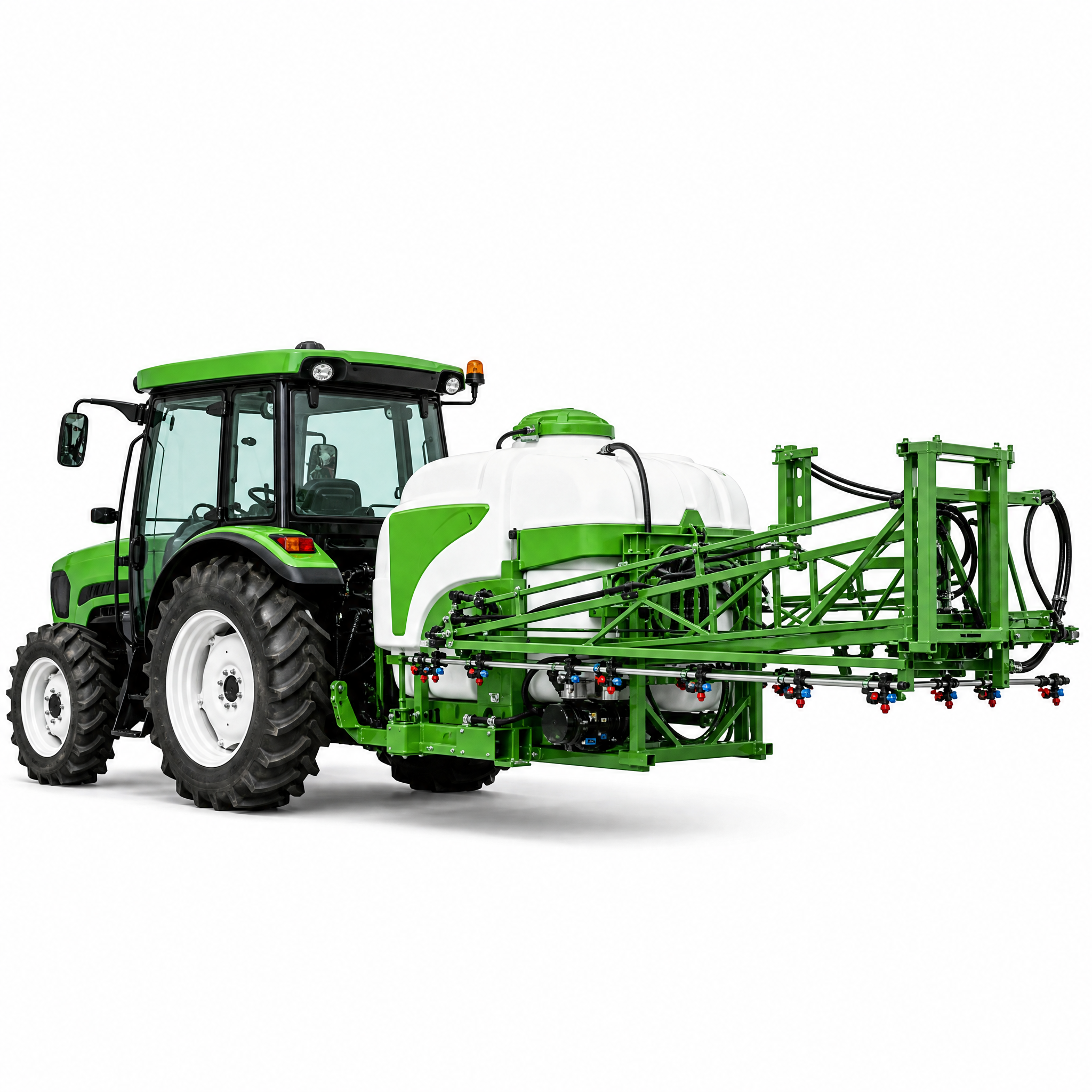
Crop sprayers are essential agricultural machinery designed to efficiently apply pesticides, herbicides, and fertilizers across various crop types. As a B2B buyer in the agricultural sector, you may have concerns about the performance, durability, and cost-effectiveness of these machines. This article will help you understand the critical specifications, features, cost factors, common issues, and diverse applications associated with crop sprayers, enabling you to make informed purchasing decisions.

Essential Features for Contractors

Essential Features for Contractors

For contractors involved in agricultural spraying, several essential features enhance efficiency and effectiveness:

Adjustable Boom Width: Sprayers with adjustable boom widths allow for flexibility in application, adapting to different crop rows and field conditions.

GPS Technology: Advanced crop sprayers may feature GPS technology for precision application. This technology minimizes overlap and wastage, improving cost-effectiveness.

Remote Operation: Some modern sprayers can be operated remotely, offering convenience and safety, especially in large fields or hazardous conditions.

User-Friendly Controls: Ergonomic designs and intuitive control systems simplify operation, reducing the learning curve for new operators.

Maintenance Accessibility: Features that facilitate easy access to components for routine maintenance can reduce downtime and prolong the sprayer's lifespan.

Customizable Configurations: The ability to customize attachments and configurations allows contractors to tailor the sprayer's capabilities to specific job requirements. For example, various Grain Feed Ingredient Mixer – 500-5000L Crusher & Blender options can enhance the versatility of your equipment.

Understanding the Cost Factors for Crop Sprayer Acquisition

Understanding the Cost Factors for Crop Sprayer Acquisition

The cost of acquiring a crop sprayer can vary significantly based on several factors:

Type and Size: Larger and more complex sprayers typically have higher price points. Consider the scale of your operations when selecting a model.

Features and Technology: Advanced features, such as GPS, automatic calibration, and specialized nozzles, can add to the initial cost but may lead to savings in inputs and labor over time.

Brand Reputation and Warranty: Established brands often come with higher costs due to their reputation for quality and reliability. A robust warranty can also provide peace of mind regarding your investment.

Customization Options: Custom-built sprayers to meet specific needs may incur additional costs, but they can provide a better return on investment through enhanced efficiency.

Maintenance and Operating Costs: Evaluate ongoing costs, including maintenance, parts replacement, and fuel consumption. A more efficient sprayer may have higher upfront costs but lower long-term expenses.

Market Conditions: Economic factors, such as supply chain disruptions or changes in commodity prices, can also influence the cost of agricultural machinery, including crop sprayers.

Common Problems with Crop Sprayers and Practical Solutions

Common Problems with Crop Sprayers and Practical Solutions

Crop sprayers are subject to various operational issues that can impact performance. Here are some common problems along with practical solutions:

Clogged Nozzles: Clogging can occur due to chemical residues or impurities in the spray solution. Regular cleaning and using the right filtration systems can help prevent this issue.

Inconsistent Spray Patterns: This can lead to uneven application and reduced effectiveness. Regular calibration checks and maintenance can ensure consistent performance.

Leaking Tanks or Hoses: Over time, wear and exposure to chemicals can cause leaks. Conduct routine inspections and replace worn components promptly to avoid losses.

Poor Mobility: If a sprayer struggles in rough terrain, consider upgrading to a model designed for enhanced mobility or adding features like larger tires.

Operator Error: Ensure all operators are adequately trained on the equipment to minimize mistakes that can lead to inefficient spraying or equipment damage.

Electrical Failures: Sprayers with electronic systems may experience electrical issues. Using high-quality components and ensuring proper installation can reduce these risks.

Applications of Crop Sprayers in Diverse Agricultural Scenarios

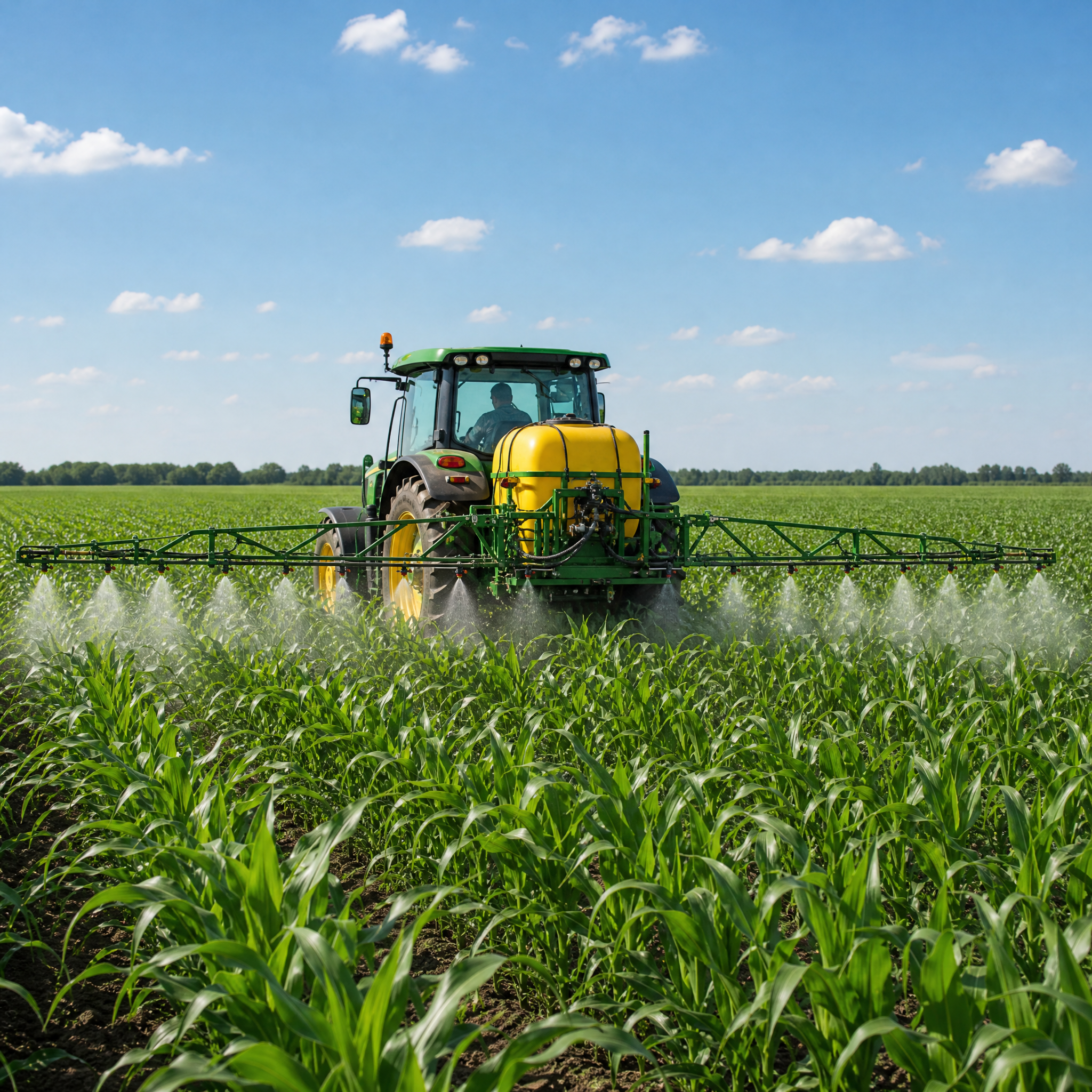
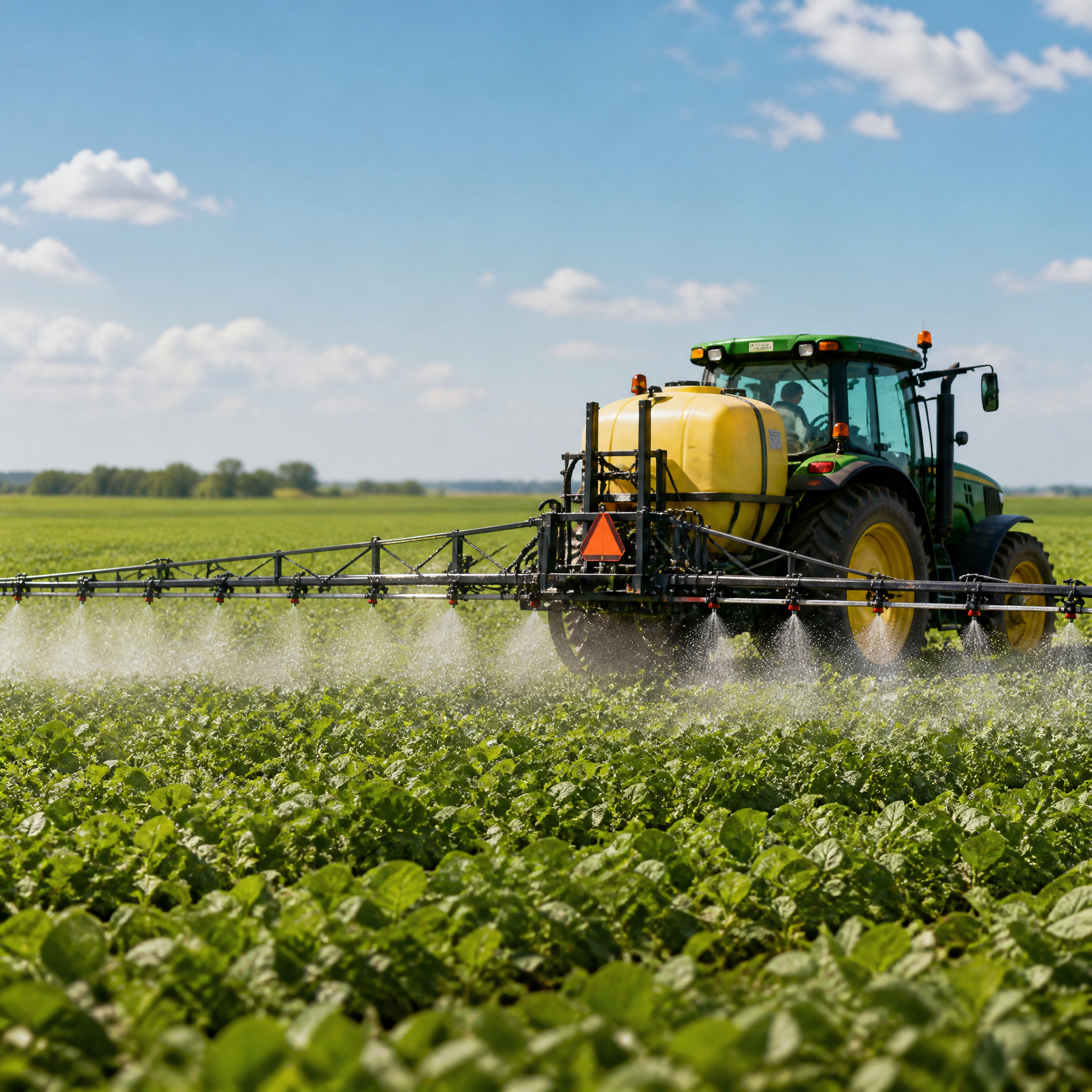
Crop sprayers are versatile tools used in various agricultural applications, including:

Pesticide Application: Crop sprayers are primarily used to apply pesticides, helping to protect crops from pests and diseases effectively.

Fertilizer Distribution: These machines can also be adapted for the application of liquid fertilizers, ensuring even distribution across fields.

Herbicide Spraying: Crop sprayers play a crucial role in weed management by applying herbicides efficiently and effectively.

Post-Harvest Treatments: Some sprayers are used for post-harvest applications to protect stored crops from pests and diseases.

Specialty Crop Spraying: Different crops may require specific spraying techniques, such as vineyards or orchards, where precision application is vital.

Research and Trial Applications: In agricultural research, sprayers are used to test new products or application techniques, contributing to advancements in agricultural practices.

By understanding the specifications, features, cost factors, common issues, and applications of crop sprayers, you can make informed decisions that enhance the efficiency and effectiveness of your agricultural operations. This knowledge will empower you to engage suppliers with confidence, ensuring that your selection aligns with your specific needs and operational goals.

Key Specifications to Evaluate for Quality Crop Sprayers

When evaluating crop sprayers, several key specifications must be considered to ensure quality and performance.

Tank Capacity: The size of the tank directly impacts the operational efficiency. Larger tanks allow for longer periods of spraying without the need for refilling, which is crucial for large fields.

Pump Type and Pressure: The pump is critical for delivering the spray solution effectively. Higher pressure pumps produce finer droplets, enhancing coverage and efficacy. Evaluate the pump's durability and maintenance needs.

Nozzle Types and Distribution: Different nozzle types (e.g., flat fan, hollow cone) have distinct application characteristics. Understanding the intended use will guide you in selecting the right nozzle for optimal spray patterns and droplet sizes.

Weight and Mobility: The weight of the sprayer affects its mobility and maneuverability, especially in uneven terrains. Consider the type of terrain and the sprayer's compatibility with your vehicle or tractor. For instance, a Walking Tractor 15-18HP Water-Cooled Diesel 2WD Hand Tractor can be a great match for enhancing mobility in challenging landscapes.

Material Construction: The materials used in construction, such as high-density polyethylene (HDPE) or stainless steel, are vital for durability and resistance to corrosive chemicals. Ensure that the materials meet the demands of the chemicals being used.

Calibration Features: Good crop sprayers have built-in calibration systems that help maintain accurate application rates, which is essential for effective crop protection and compliance with regulations.

Frequently Asked Questions

What types of crops suit this crop sprayer?

Our crop sprayer is designed for row crops, orchards, vineyards, vegetables, and plantation crops. It supports varied spray patterns and adjustable nozzles for different crop canopies and sizes.
The sprayer is CE certified and manufactured under ISO 9001 quality management, ensuring compliance with safety and manufacturing standards.
Available options include tractor-mounted, trailed, and self-propelled configurations compatible with standard PTOs and hydraulic systems. Custom mounting can be arranged based on farm needs.
Agripros provides lifecycle support across 40 countries with spare parts supply and service. Contact our sales team for local service partners, spare part lists, and warranty details.
Yes. We offer tailored solutions including tank capacity, boom width, nozzle types, and control systems to match field size, crop type, and application rates.

Get a Free Quote

Our representative will contact you soon.
0/1000

Related product categories