Choosing the Right Disk and Harrow Equipment

application/disk-and-harrow, application/disk-and-harrow, 
Inquiry
Inquiry

disk and harrow

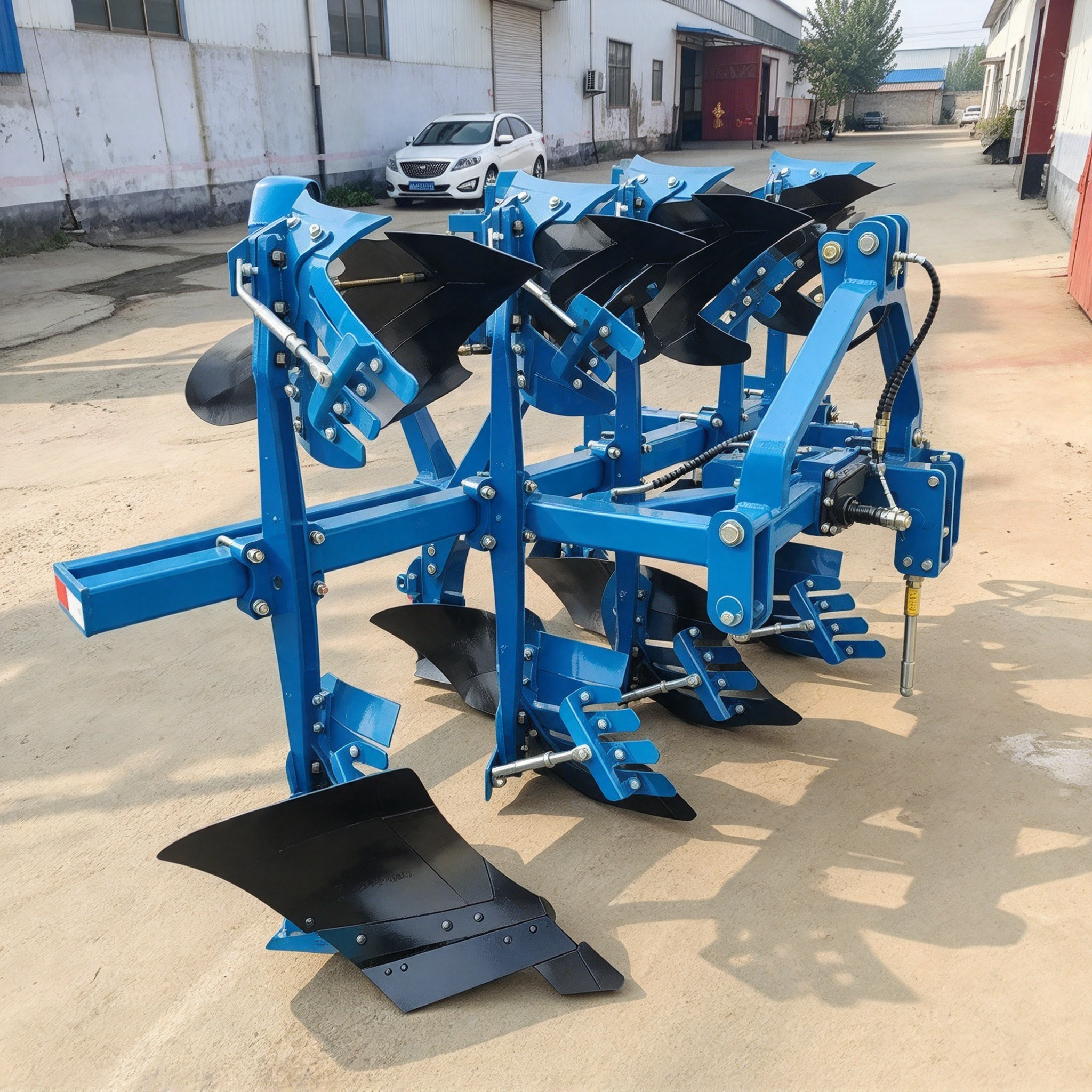
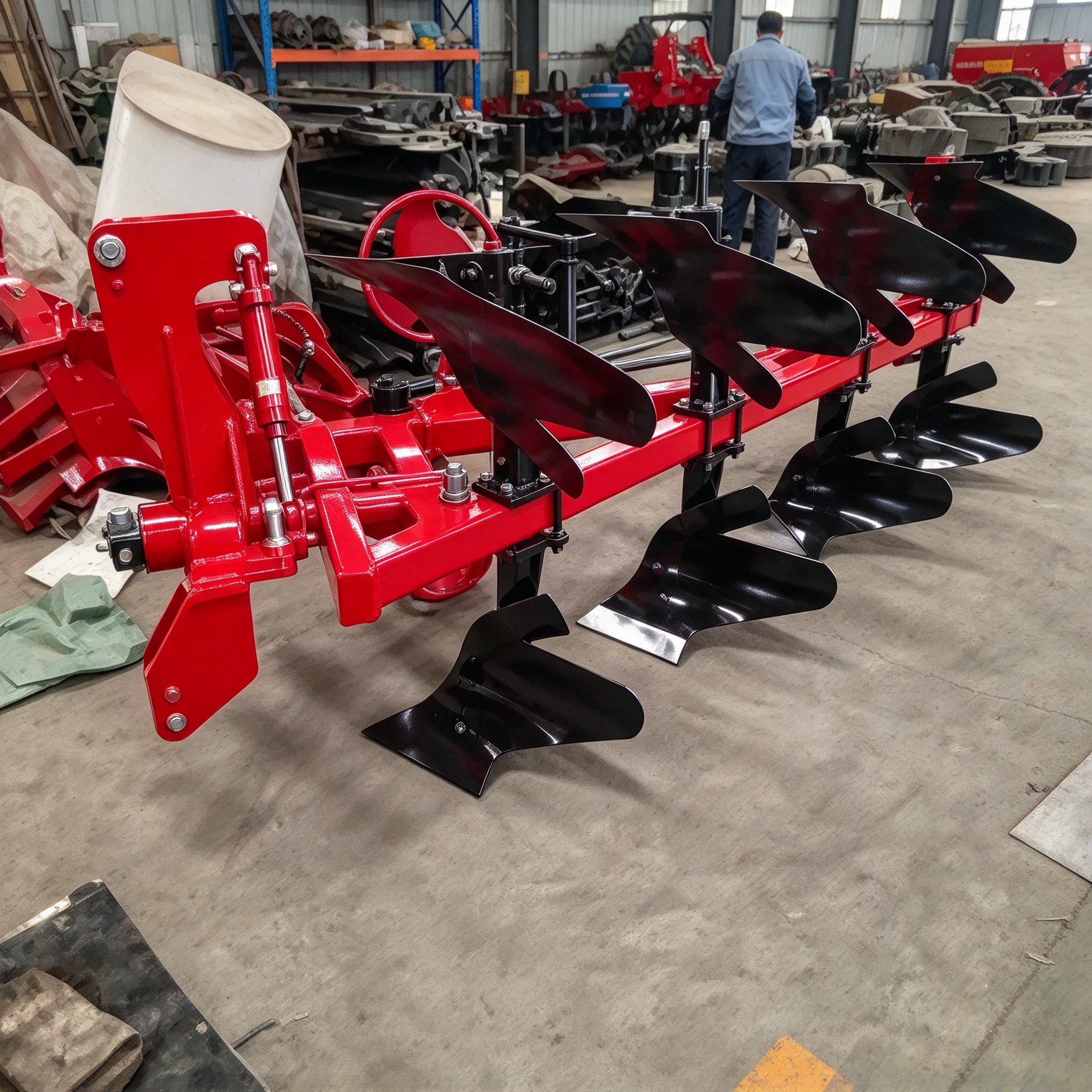
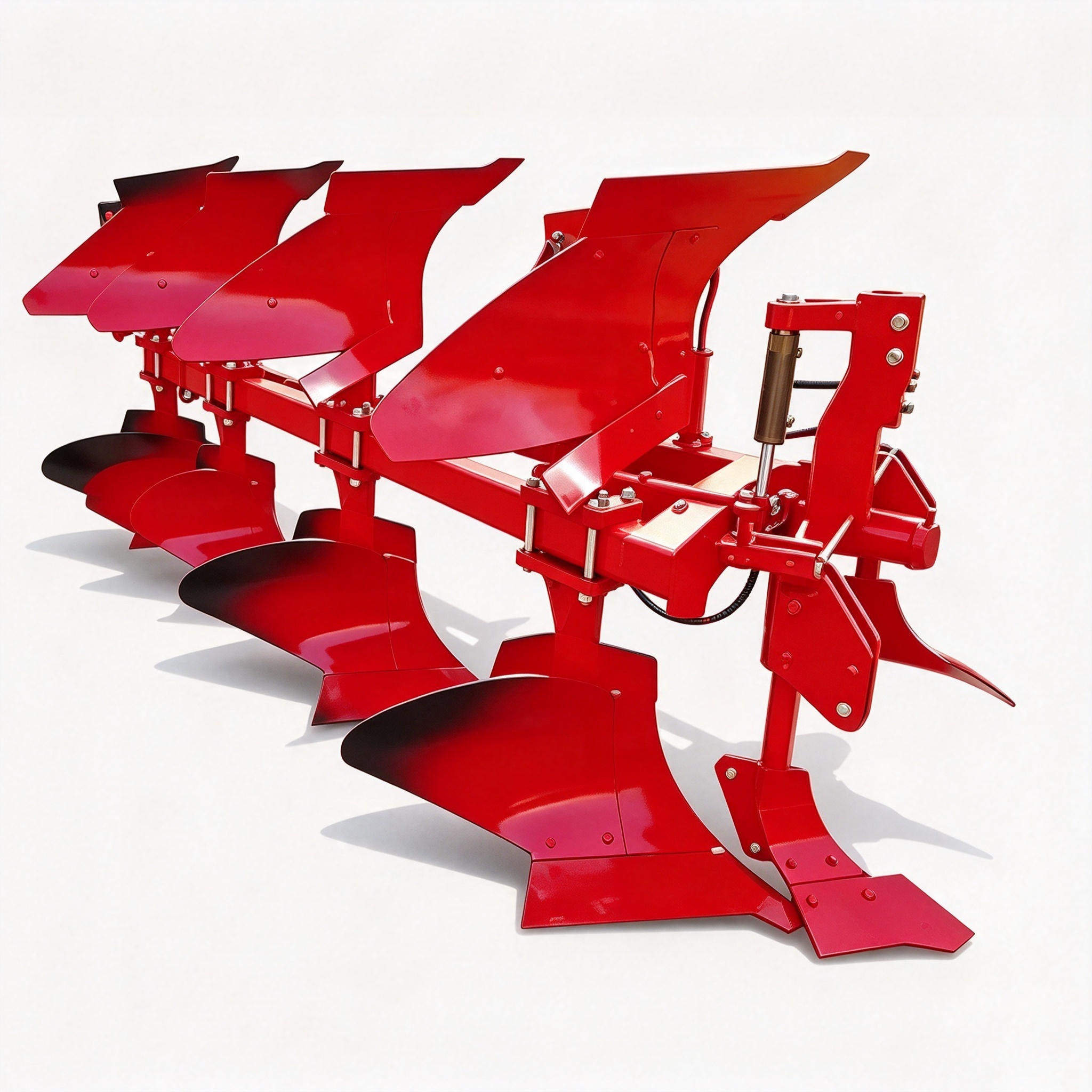
Disk and harrow equipment plays a crucial role in modern agriculture, facilitating essential soil preparation and seedbed creation for optimal crop growth. For B2B buyers, understanding the specifications, applications, and potential challenges of these tools is vital for making informed purchasing decisions. This article will guide you through key considerations when selecting disk and harrow equipment, ensuring you choose the right products for your agricultural needs.

Where to Find Reliable Suppliers for Disk and Harrow Equipmen

Where to Find Reliable Suppliers for Disk and Harrow Equipmen

Finding a trustworthy supplier for disk and harrow equipment involves thorough research and evaluation. Start by reviewing manufacturers with a solid reputation in the agricultural sector, as well as those who possess relevant certifications such as CE and ISO 9001. These certifications indicate adherence to quality and safety standards.

Trade shows and industry exhibitions can be excellent venues for connecting with potential suppliers. They provide opportunities to see equipment in action and engage directly with manufacturers. Additionally, online platforms and industry directories can help identify suppliers, but it is crucial to verify their credibility through customer testimonials and case studies.

Always ask for product samples or detailed specifications before making a commitment. This allows you to assess the quality and suitability of the equipment for your specific agricultural needs.

Applications of Disk and Harrow in Modern Agricultural Practices

Applications of Disk and Harrow in Modern Agricultural Practices

Disk and harrow equipment is versatile, serving multiple applications in modern agriculture. Primarily, they are used for soil preparation, which includes breaking up and leveling soil to create an ideal seedbed. This process is critical for ensuring uniform seed germination and maximizing crop yields.

In addition to primary tillage, disk harrows can also be used for secondary tillage operations, such as incorporating fertilizers or crop residues into the soil. This not only enhances soil fertility but also promotes soil aeration and moisture retention. For effective incorporation of residues, using equipment like the Grain Crusher 3 kW Electric Mill for Poultry Feed Milling can be beneficial.

Moreover, disk harrows are effective in various farming practices, including conventional, conservation, and organic farming. For instance, in conservation tillage systems, they can help reduce soil erosion while promoting sustainable farming practices. Understanding these applications enables buyers to choose the right disk and harrow solutions that align with their agricultural practices and sustainability goals.

How to Compare Disk and Harrow Models for Your Projects

How to Compare Disk and Harrow Models for Your Projects

When comparing different models of disk and harrow equipment, consider several key specifications that influence performance and suitability. Key factors include:

Working Width: Determine the necessary working width based on your field size and tractor capabilities. Wider models cover more ground but may require more horsepower.

Weight and Construction: Heavier models tend to penetrate the soil better, but they may be harder to maneuver. Assess the construction materials, as high-strength steel with appropriate coatings will enhance durability.

Adjustability: Look for models with adjustable features, such as depth control and angle settings, which allow for greater flexibility in different soil conditions.

Maintenance Requirements: Evaluate the ease of maintenance and availability of replacement parts. Models with fewer moving parts may require less maintenance and downtime.

Cost: While price is a significant factor, consider the total cost of ownership, including maintenance and expected lifespan. A lower initial price may not always result in cost savings over time.

By thoroughly comparing these factors, buyers can make informed decisions that align with their operational needs and budget constraints.

Solutions to Common Problems Encountered with Disk and Harrow Use

Disk and harrow equipment can encounter several common issues during operation, and being aware of these can help buyers mitigate potential problems.

One frequent challenge is soil compaction, which can hinder the effectiveness of the harrow. To combat this, ensure that the harrow is not overly heavy for the soil type, and consider using lighter models when necessary. Additionally, proper calibration of the equipment will help achieve the desired tillage depth without causing undue compaction.

Another issue is inadequate residue management. If residue is not effectively incorporated, it can impede seedbed preparation. To address this, select models designed for residue mixing and ensure that your harrow's maintenance is up to date.

Lastly, wear and tear on blades and components can impact performance. Regular inspections and timely replacements are essential for maintaining efficiency and extending the equipment's lifespan. Buyers should inquire about the availability of replacement parts and the manufacturer's recommendations for maintenance schedules.

Understanding these common challenges and their solutions will help buyers maximize the performance and longevity of their disk and harrow equipment, ultimately leading to better agricultural outcomes.

Choosing the Right Disk and Harrow for Your Agricultural Needs

When selecting disk and harrow equipment, it is essential to consider factors such as soil type, crop requirements, and specific agricultural practices. Disk harrows come in various designs, including offset, tandem, and vertical tillage, each suited for different soil conditions and farming methods. For example, offset disk harrows are effective for breaking up compacted soil and incorporating residue, making them ideal for heavy clay soils. In contrast, tandem disk harrows provide a more refined seedbed, which is advantageous in sandy soils where fine seed placement is crucial. Additionally, consider the working width of the harrow, as larger models can cover more ground but may require more horsepower and space for maneuvering. Moreover, investing in high-quality equipment like the 8-25HP Diesel Walk Behind Tractor Water-Cooled Hand Start Farm Tractor can enhance efficiency in your agricultural practices.

Buyers should also evaluate the construction materials used in the equipment. High-strength steel is commonly used for durability in harsh agricultural environments, while corrosion-resistant coatings can extend the equipment's lifespan. Understanding these specifications will help ensure the selected harrow meets the demands of your specific agricultural operations.

Frequently Asked Questions

What is the disk and harrow used for?

The disk and harrow is used for primary and secondary tillage: breaking soil, cutting residues, leveling seedbeds, and preparing fields for sowing and irrigation.
Designed for loam, clay, sandy and mixed soils; adjust working depth and disk spacing for heavy or stony soils to prevent clogging.
Regularly grease moving parts, check and tighten bolts, inspect disks for wear, replace worn blades, and store dry to prevent rust.
Agripros supplies CE and ISO 9001 certified equipment with lifecycle-based support, documentation, and spare-parts assistance for 40-country operations.
Yes. Agripros offers tailored configurations for working width, disk size, frame strength, and linkage options to match farm conditions and crop needs.

Get a Free Quote

Our representative will contact you soon.
0/1000