Farm Chisel Sourcing Guide for B2B Buyers

application/farm-chisel, application/farm-chisel, 
Inquiry
Inquiry

farm chisel

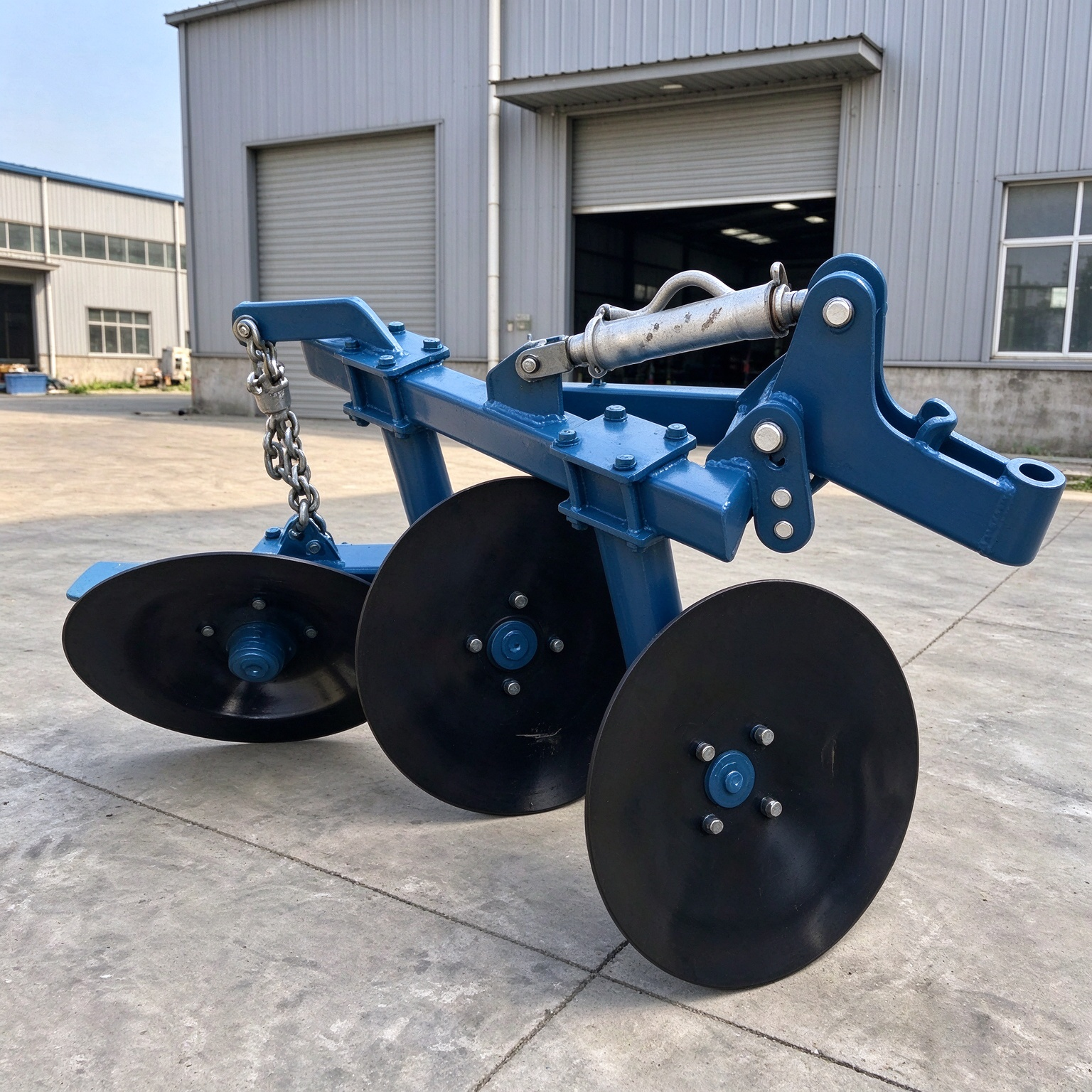
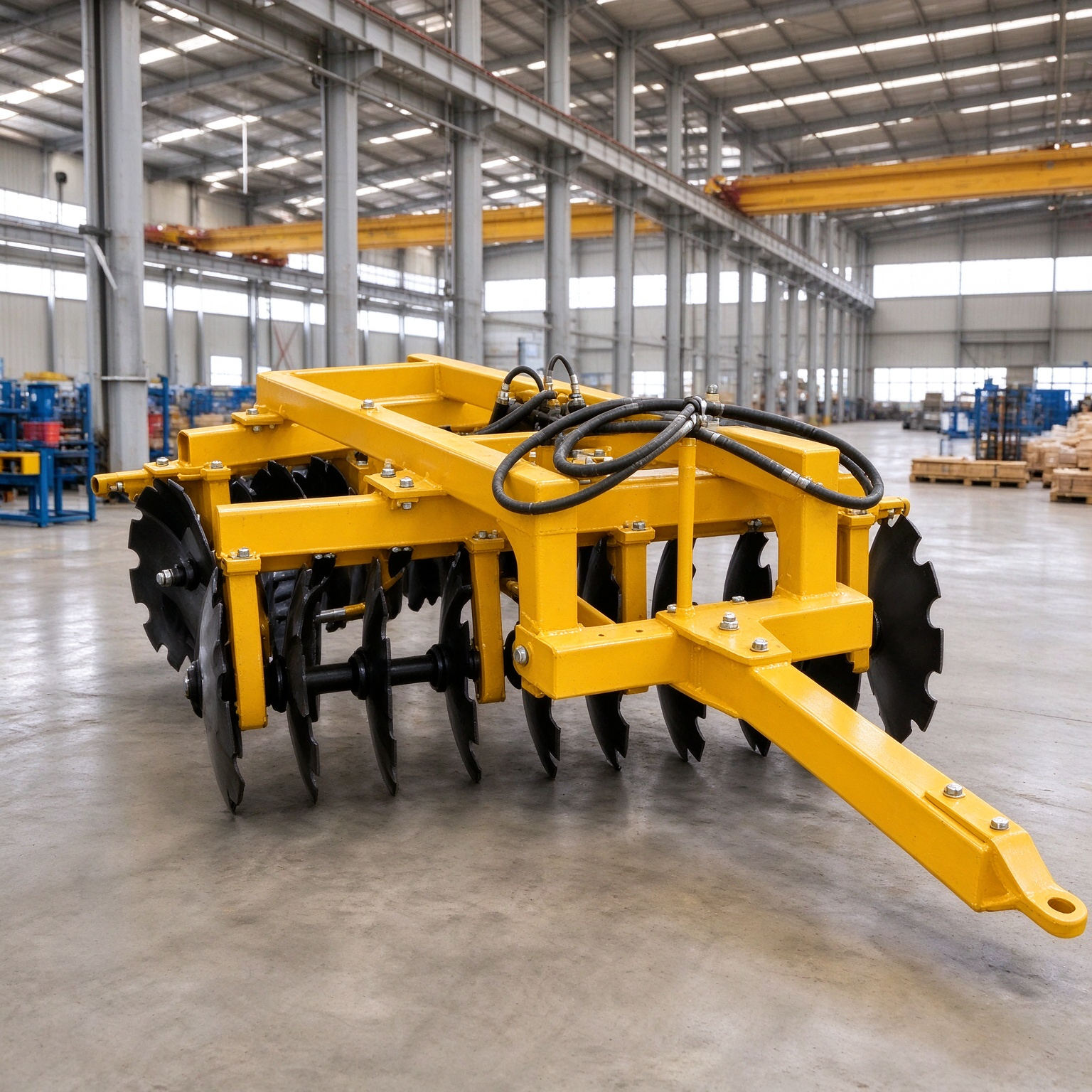
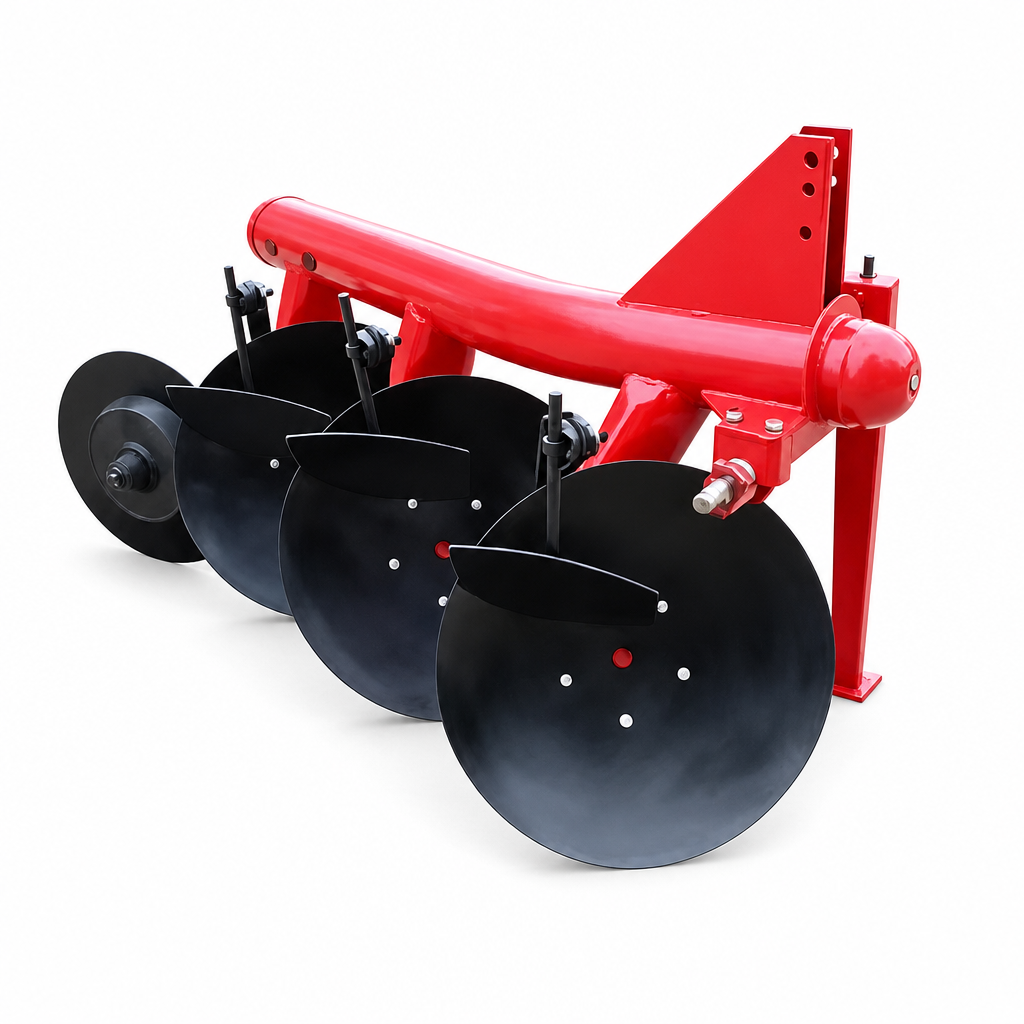
When sourcing farm chisels, B2B buyers must navigate a complex landscape of specifications, supplier reliability, and cost considerations. A farm chisel is an essential tool in agricultural machinery, primarily used for soil tillage to prepare fields for planting. Understanding the nuances of farm chisel selection is crucial for purchasing managers, distributors, and agricultural engineers, as it directly impacts farming efficiency and crop yield. This article will address key factors to consider when sourcing farm chisels, evaluate supplier reliability, analyze cost factors, provide installation guidelines, and discuss common problems and their solutions.

How to Evaluate Supplier Reliability for Farm Chisel Purchases

How to Evaluate Supplier Reliability for Farm Chisel Purchases

Evaluating supplier reliability involves several key steps. First, investigate the supplier's certifications, such as CE and ISO 9001, which demonstrate adherence to international quality standards. These certifications indicate that the supplier has established processes for maintaining high-quality production and management systems.

Next, assess customer feedback and reviews. Engaging with previous clients can provide insights into the supplier's performance, delivery reliability, and responsiveness to issues. Additionally, request references from similar industries to gauge their experience with the supplier.

It is also prudent to inquire about the supplier's production capabilities and lead times for bulk orders. Understanding their production capacity can help assess whether they can meet your demands, especially during peak seasons. A reliable supplier should be transparent about their lead times and provide realistic timelines for order fulfillment.

Finally, consider the supplier's communication practices. A reliable supplier will maintain open lines of communication, addressing inquiries and concerns promptly. This can help ensure a smoother procurement process and foster a positive working relationship.

Cost Factors to Analyze When Buying Farm Chisels in Bulk

Cost Factors to Analyze When Buying Farm Chisels in Bulk

Cost analysis is crucial when purchasing farm chisels in bulk. Several factors influence pricing, including material costs, manufacturing processes, and order quantity. High-quality materials, such as carbon or alloy steels, may incur higher initial costs but can lead to long-term savings through increased durability and reduced replacement frequency.

Buyers should also consider the total cost of ownership, which encompasses not only the purchase price but also maintenance, operational efficiency, and replacement costs. For instance, investing in more durable chisels may reduce the frequency of replacements, ultimately lowering total expenditures. Furthermore, it's worth evaluating tools like the Grain Crusher 3 kW Electric Mill for Poultry Feed Milling that can complement the farming operation.

Additionally, buyers should evaluate any potential shipping costs associated with bulk orders. These can significantly impact the overall budget, especially if the supplier is located in a different region or country. Understanding the supplier's packaging methods and shipping options can help mitigate these costs.

Lastly, buyers should inquire about minimum order quantities (MOQs). Suppliers often set MOQs to ensure profitability, and understanding these can help plan purchases effectively.

Installation Guidelines for Efficient Use of Farm Chisels

Installation Guidelines for Efficient Use of Farm Chisels

Proper installation of farm chisels is essential for optimal performance. Begin by ensuring that the chisels are compatible with the machinery being used. Check the specifications of both the chisels and the equipment to guarantee they will work seamlessly together.

Before installation, inspect the chisels for any damage or defects. Any irregularities can affect performance and may lead to increased wear or malfunction during operation. It is also advisable to have a qualified technician or engineer oversee the installation process if there is any uncertainty.

Once the chisels are installed, conduct a trial run to assess their functionality. Monitor the soil conditions and adjust the depth and angle of the chisels as necessary to achieve the desired tillage effect. Proper adjustment can enhance soil aeration and improve crop yield.

Regular maintenance post-installation is also important. This includes periodic checks for wear and tear, ensuring that the chisels remain sharp and functional throughout their operational life.

Common Problems with Farm Chisels and Effective Solutions

Farm chisels can encounter several common issues, which can hinder their performance. One prevalent problem is wear and tear, especially when used in abrasive soil types. To mitigate this, consider selecting chisels made from wear-resistant materials or those with specialized coatings that enhance durability.

Another issue may be improper installation, leading to poor performance. To address this, ensure that installation guidelines are followed meticulously and that operators are trained in proper installation techniques. Regular training sessions can help maintain operational standards.

Clogging is another concern, particularly in wet or heavy soils. To prevent this, ensure that the chisels are designed for the specific soil conditions they will encounter. Additionally, regular maintenance and cleaning of the chisels can help avoid material buildup.

Lastly, if the chisels are not achieving the desired tillage depth, review the adjustment settings on the machinery. Operators should be trained to make necessary adjustments based on soil conditions and desired outcomes, ensuring optimal performance.

Sourcing farm chisels requires careful consideration of specifications, supplier reliability, cost factors, installation guidelines, and common problems. By addressing these aspects, B2B buyers can make informed purchasing decisions that enhance agricultural efficiency and productivity.

What to Consider When Sourcing Farm Chisels for Bulk Orders

When sourcing farm chisels for bulk orders, buyers should first assess the specifications relevant to their agricultural needs. This includes dimensions, material composition, and structural design. For example, the thickness of the chisel blade can affect its durability and performance in various soil types. Buyers should also consider the types of materials used, such as high-carbon steel or alloy steels, which influence wear resistance and longevity. Additionally, considering equipment like the 8-25HP Diesel Walk Behind Tractor Water-Cooled Hand Start Farm Tractor can enhance compatibility with these chisels.

Customization capabilities are another critical factor. Buyers may require chisels tailored to specific machinery or farming practices. Understanding the manufacturer's ability to provide customized solutions can greatly affect operational efficiency. Additionally, the manufacturing process should be scrutinized; reputable suppliers often use advanced production techniques and maintain strict quality control measures to ensure consistency and reliability across bulk orders.

Lastly, consider the supplier's experience in the agricultural sector. Suppliers with a proven track record in manufacturing farm chisels for various applications are more likely to meet specific requirements and provide robust support throughout the purchasing process.

Frequently Asked Questions

What is a farm chisel used for?

A farm chisel is a tillage tool designed to break hardpan, loosen compacted soils, and improve water infiltration without inverting soil layers, promoting root growth and residue preservation.
We offer multiple tine spacings, depths, and beam widths to suit different tractors and soil types. Custom configurations are available based on field size and crop needs.
Required horsepower depends on tine count and depth. Typical ranges are 40–150 HP. We can recommend specifications based on your tractor and field conditions.
Our farm chisels are manufactured under CE and ISO 9001 standards, using durable materials and quality control processes to ensure reliable field performance and lifespan.
Yes. We provide lifecycle-based support, spare parts supply, maintenance guidance, and remote assistance to customers across our service regions.

Get a Free Quote

Our representative will contact you soon.
0/1000