Horse Drawn Hay Rakes: Sourcing and Evaluation Guide

application/horse-drawn-hay-rake, application/horse-drawn-hay-rake, 
Inquiry
Inquiry

horse drawn hay rake

Horse drawn hay rakes are essential agricultural tools that facilitate the efficient gathering of hay for livestock feed. As a B2B buyer, understanding the intricacies of sourcing, evaluating, and selecting the right hay rake is crucial. This article provides insights into the key considerations when sourcing horse drawn hay rakes for wholesale, ensuring that you make informed decisions that align with your operational needs and quality standards.

How to Evaluate the Quality of Horse Drawn Hay Rakes

How to Evaluate the Quality of Horse Drawn Hay Rakes

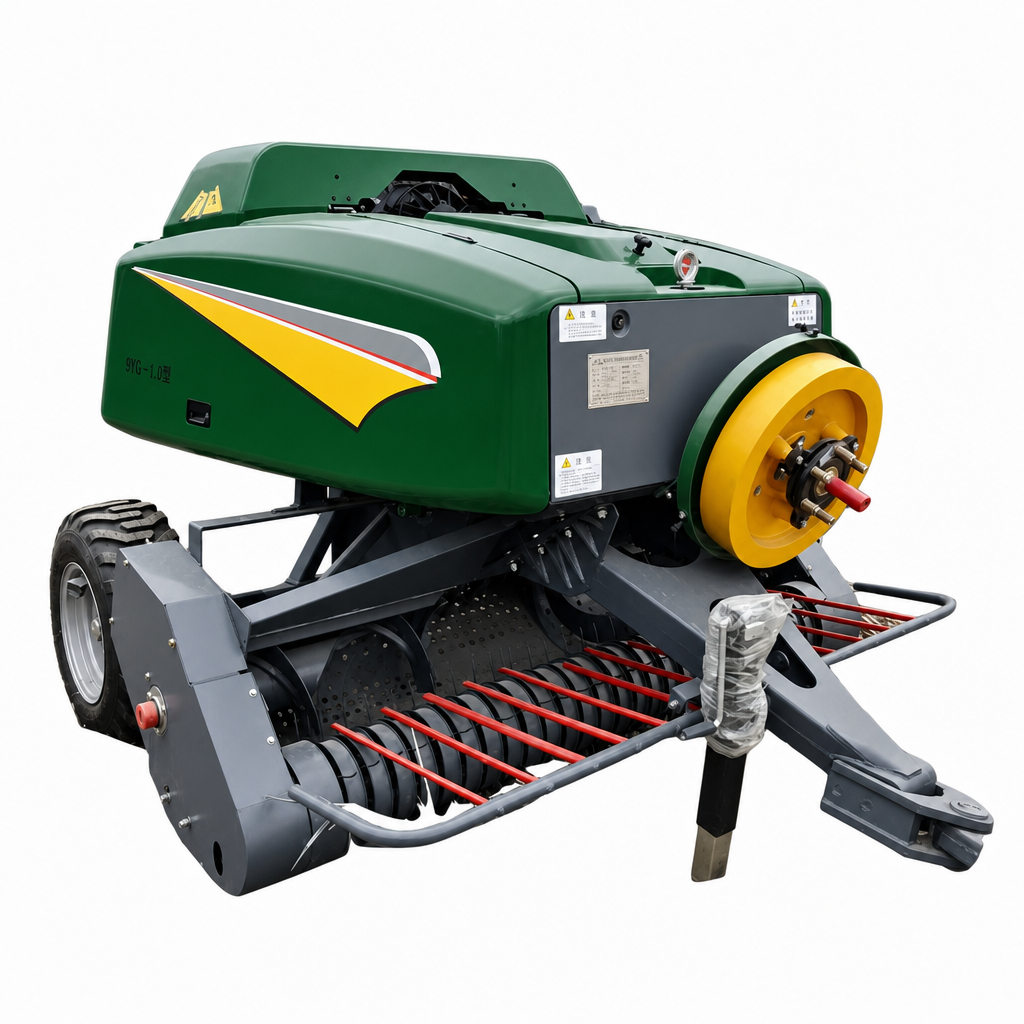
Evaluating the quality of horse drawn hay rakes involves inspecting several key specifications and features. Begin with a thorough examination of the rake's construction. Look for solid welds and robust joints, as these are indicators of superior craftsmanship. The tines should be made from high-strength materials to withstand repeated stress, and their spacing should be consistent to ensure even hay collection.

Next, check for any quality control processes the manufacturer employs. Reputable suppliers often have systems in place for testing products before they leave the factory. Request information on these processes, including any testing standards or certifications that the rakes meet.

Additionally, consider the rake's operational features, such as adjustability and ease of use. Features like adjustable height or angle can significantly enhance performance, allowing for better adaptation to varying field conditions. Buyers should also seek out feedback from other users or product reviews that highlight long-term performance issues or maintenance needs. Furthermore, incorporating Irrigation Systems into your farming practices can complement the use of hay rakes and optimize your overall productivity.

Common Problems with Horse Drawn Hay Rakes and Their Solutions

Common Problems with Horse Drawn Hay Rakes and Their Solutions

Like any agricultural equipment, horse drawn hay rakes can present specific challenges. One common issue is the wear and tear of tines, which can lead to inefficiencies in hay collection. Regular inspection and replacement of worn tines are necessary to maintain optimal performance. Ensure you understand the expected lifespan of the tines and have a plan in place for their replacement.

Another frequent problem is the difficulty in adjusting the rake for different types of terrain. If the rake lacks proper adjustability, it may struggle in uneven fields, leading to incomplete hay collection. Look for rakes designed with flexibility in mind, allowing for quick adjustments based on the field's conditions.

Finally, ensure that the rake is compatible with your existing equipment. Compatibility issues can lead to operational delays and increased costs. Before finalizing a purchase, verify that the rake can be easily connected to your horse-drawn equipment without the need for extensive modifications.

Applications of Horse Drawn Hay Rakes in Modern Agriculture

Applications of Horse Drawn Hay Rakes in Modern Agriculture

Horse drawn hay rakes are still relevant in modern agriculture, particularly in smaller farms or organic operations where sustainability and low-impact practices are prioritized. These rakes are used primarily for collecting and managing hay but can also be adapted for other purposes, such as collecting straw or managing grass clippings in pasture management.

In addition, horse drawn rakes can be beneficial in niche markets, such as heritage farming or educational farms, where traditional methods are showcased. Their lower environmental impact compared to motorized equipment can appeal to environmentally conscious consumers.

For farms that utilize horses as part of their operation, these rakes integrate seamlessly into the workflow, providing a sustainable solution that harnesses the natural power of horses while minimizing reliance on fossil fuels.

Choosing the Right Horse Drawn Hay Rake for Your Specific Needs

Selecting the right horse drawn hay rake requires careful consideration of your specific agricultural needs. Start by assessing the size of your operation and the volume of hay you expect to handle. A larger operation may benefit from a wider rake that can cover more ground quickly, while a smaller farm may prefer a more compact model that is easier to maneuver.

Next, consider the type of hay you are working with. Different types of grass and forage can affect the rake’s performance. For instance, a rake designed for softer, leafy hay may not perform well with tougher, stemmy varieties. Understanding the characteristics of the hay you will be managing can guide you in selecting the appropriate rake.

Additionally, think about the ease of use and maintenance. Rakes that are easier to assemble and disassemble can save time during seasonal changes. Also, inquire about the availability of spare parts and service options from the manufacturer, as ongoing support can be crucial for maintaining equipment performance over time. Having access to Processing Machines can also enhance operational efficiency in conjunction with your hay rakes.

By carefully evaluating your specific needs and the features of various models, you can choose a horse drawn hay rake that enhances your operational efficiency and meets your quality standards.

What to Consider When Sourcing Horse Drawn Hay Rakes for Wholesale

When sourcing horse drawn hay rakes for wholesale, several critical factors should be taken into account to ensure that the equipment meets your agricultural needs. First, consider the rake’s design and size. The width and number of tines directly affect the efficiency of hay collection, impacting the time and labor required for the task. Typically, rakes should be able to cover a sufficient width to reduce the number of passes needed over the field, allowing for quicker production cycles.

Next, evaluate the materials used in manufacturing the hay rake. High-quality construction materials such as steel or durable alloys are preferable, as they enhance the rake's longevity and performance. It’s also essential to assess the manufacturer’s production capabilities, including their ability to provide customized solutions tailored to your specific operational requirements. Make sure to verify their certification status, such as CE or ISO 9001, which can indicate adherence to quality and safety standards. Additionally, considering the integration of Cultivators & Tillers with your hay rake can further improve efficiency in your agricultural processes.

Lastly, consider the minimum order quantity (MOQ) and lead times. Ensure that the supplier can meet your demand without excessive delays, as timely delivery is crucial in agriculture, where weather conditions can dictate operational windows.

Get a Free Quote

Our representative will contact you soon.
0/1000

Related product categories