Choosing the Right Maize Seed Planter for Your Needs

application/maize-seed-planter, application/maize-seed-planter, 
Inquiry
Inquiry

maize seed planter

When it comes to optimizing farming operations, a maize seed planter plays a critical role in ensuring the efficient planting of maize seeds. This equipment, designed for precision and productivity, is essential for farmers and agricultural businesses looking to enhance their yields. As a B2B buyer, understanding the specific features and considerations required in selecting a maize seed planter is crucial. This article will guide you through the essential factors to consider when sourcing maize seed planters, ensuring you make an informed purchasing decision.

Specifications to Consider When Sourcing Maize Seed Planters

Specifications to Consider When Sourcing Maize Seed Planters

When sourcing maize seed planters, several key specifications should be assessed:

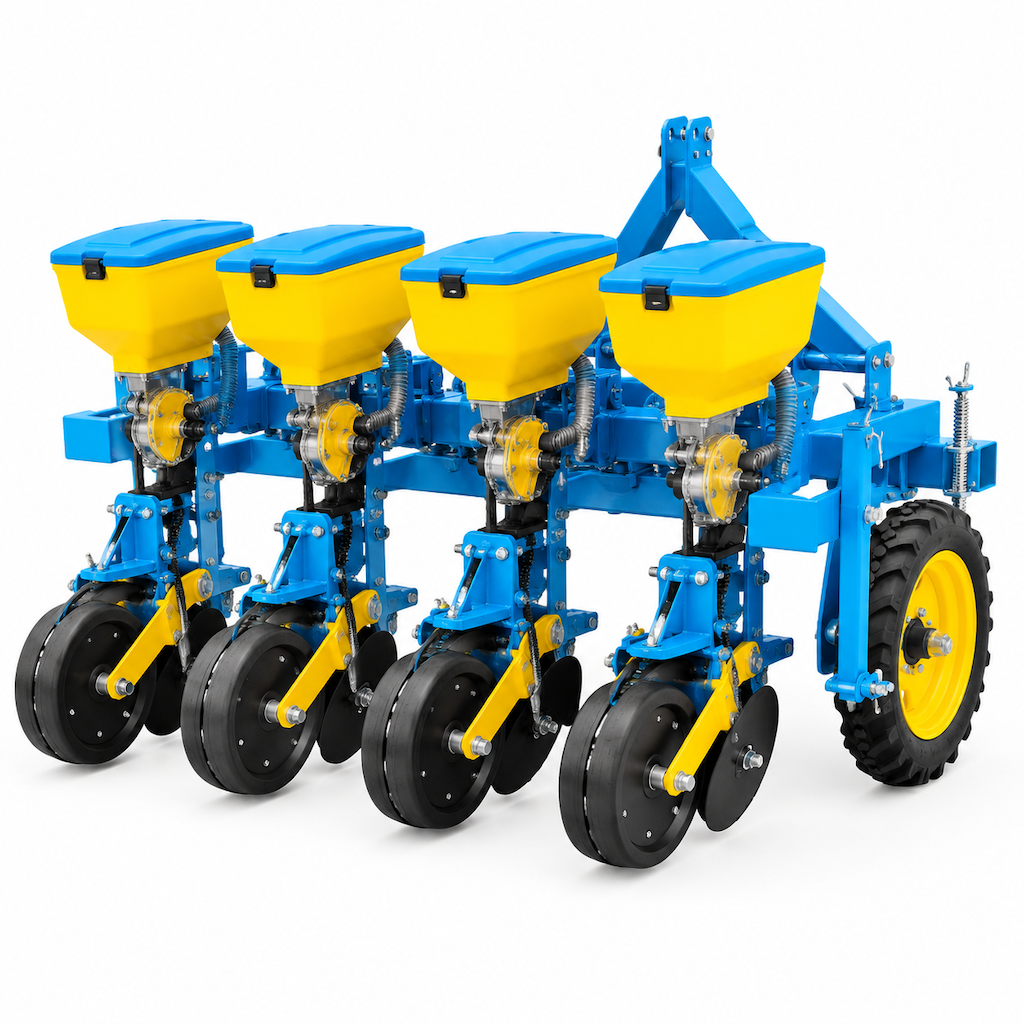
Planting Depth: The ability to adjust planting depth is crucial for optimizing seed germination. A planter should allow you to vary the depth based on soil conditions and seed type.

Row Spacing: This affects how densely the maize is planted and can influence growth outcomes. Ensure the planter can accommodate the row spacing required for your specific maize variety.

Seed Metering System: A quality metering system ensures uniform seed distribution. Check for the type of metering mechanism (mechanical vs. pneumatic) and its compatibility with the seeds you plan to use.

Hopper Capacity: Larger hoppers reduce the frequency of refilling, which can increase efficiency during planting.

Durability: Evaluate the materials used in construction. High-quality steel and corrosion-resistant components can enhance longevity and reduce maintenance needs.

Understanding these specifications is vital for ensuring the planter meets your operational demands and can perform efficiently under your specific agricultural conditions.

What to Look For

What to Look For

When evaluating maize seed planters, several features can differentiate quality equipment:

Adjustable Features: Look for planters that offer adjustable row widths and planting depths to match varying field conditions and seed types.

Ease of Use: User-friendly controls and clear operational guidelines are essential for minimizing training time and maximizing productivity.

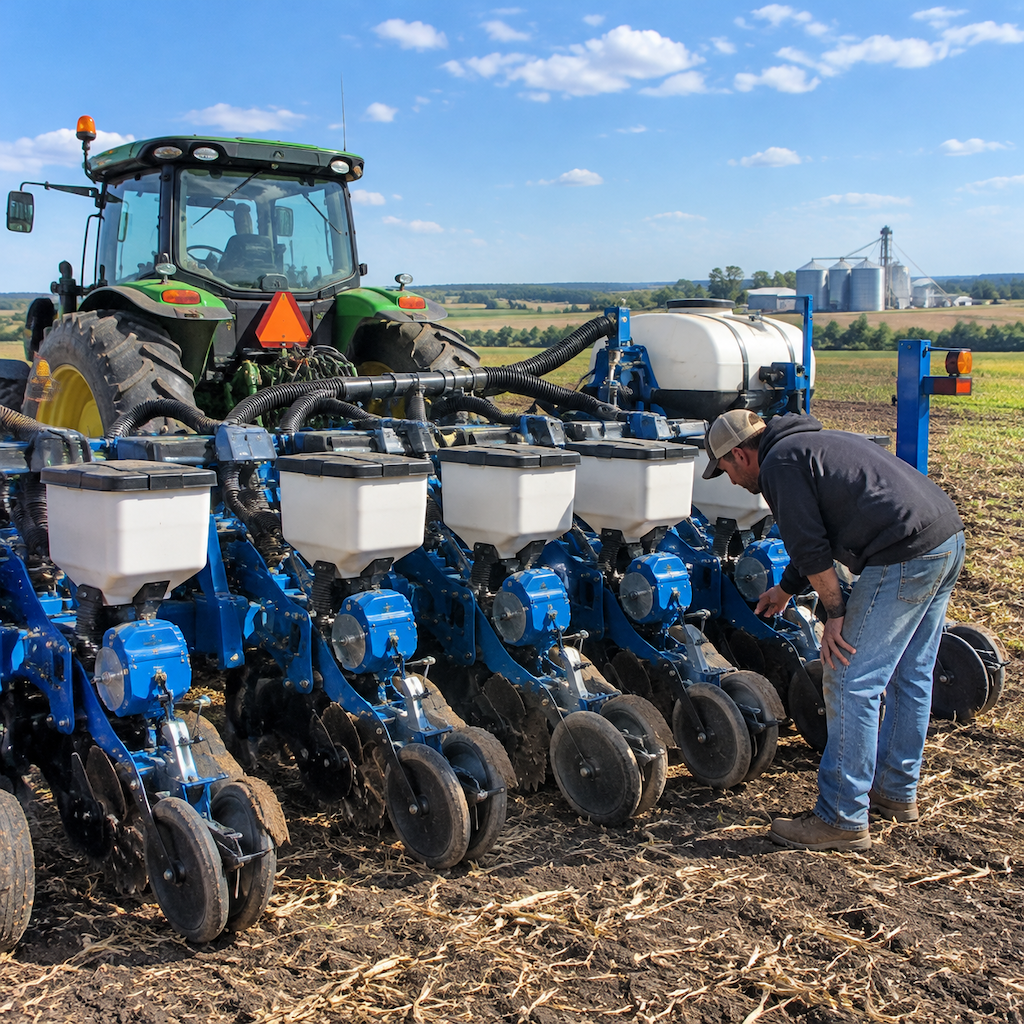
Maintenance Requirements: Consider the ease of maintenance and the availability of replacement parts. A planter that is easy to service will reduce downtime and operational costs.

Warranty and Support: A robust warranty and responsive customer support from the manufacturer can provide peace of mind. This is especially important for resolving issues that may arise during planting seasons.

Customer Reviews and Case Studies: Seek feedback from other agricultural businesses that have used the equipment. Their experiences can provide valuable insights into the performance and reliability of the planter.

Common Problems with Maize Seed Planters and Their Solutions

Common Problems with Maize Seed Planters and Their Solutions

Even the best maize seed planters can encounter issues. Here are some common problems and potential solutions:

Seed Jamming: This can occur if the seed metering system is not calibrated correctly. Regularly check and clean the metering components to ensure smooth operation.

Inconsistent Planting Depth: If the planting depth varies, it may indicate that the planter needs calibration or that the soil conditions are affecting performance. Regularly inspect the planter's depth settings and adjust as necessary.

Poor Seed Germination Rates: This may result from improper seed placement. Conduct test runs in different soil conditions to fine-tune the planter's settings before full-scale operation.

Wear and Tear: Frequent use can lead to wear on components. Establish a regular maintenance schedule to inspect and replace worn parts before they lead to more significant issues.

Addressing these common problems proactively can enhance the efficiency and reliability of your maize planting operations.

Industry Applications of Maize Seed Planters in Modern Agriculture

Maize seed planters are widely used across various agricultural settings, reflecting their versatility and importance in modern farming practices. Here are some specific applications:

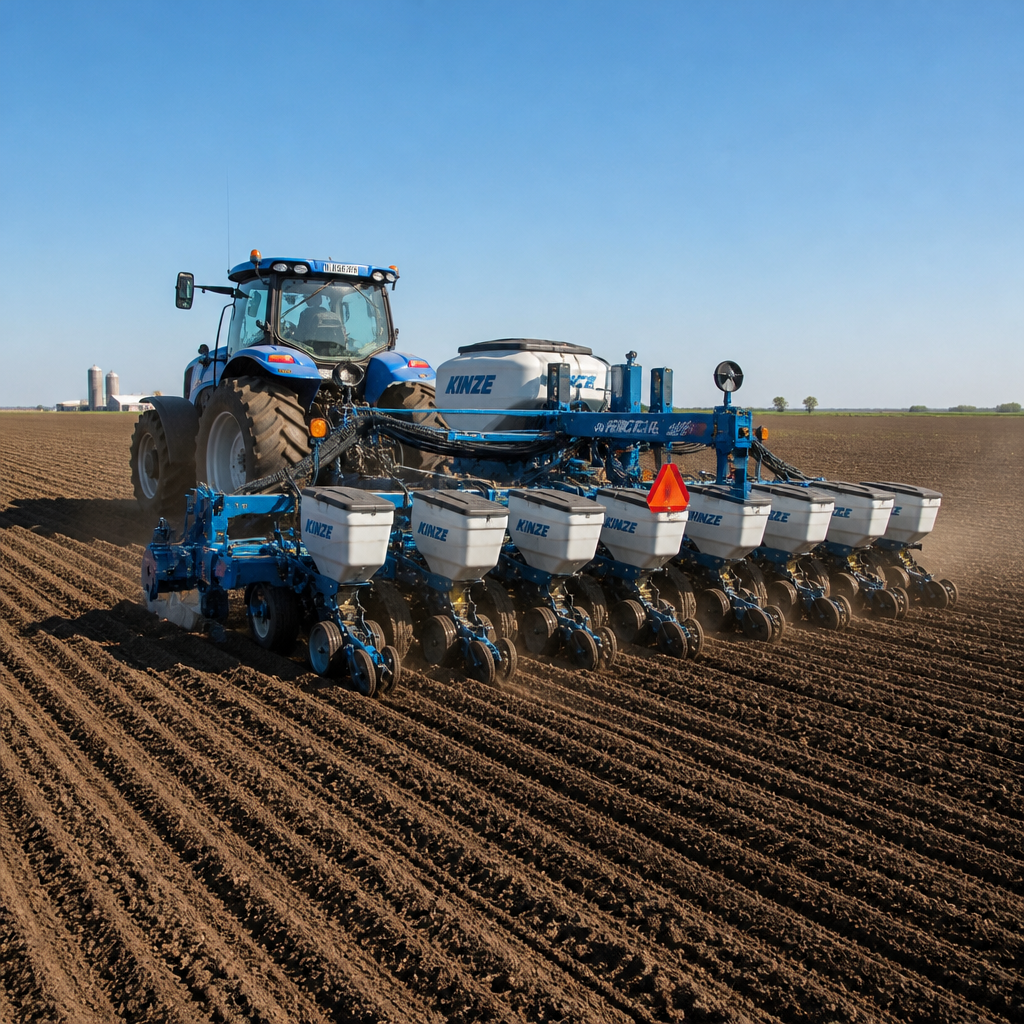
Large-scale Commercial Farming: In extensive maize production systems, seed planters are indispensable for ensuring timely and efficient planting, which is critical for maximizing yield potential.

Precision Agriculture: With the integration of technology, maize seed planters are being used to implement precision agriculture practices. This includes the use of GPS technology to optimize planting patterns and reduce seed wastage.

Smallholder Farms: Compact and manual options are available for smaller farms, enabling efficient planting without the need for large machinery. This adaptability allows farmers of all sizes to benefit from advanced planting techniques. Additionally, a Grain Crusher 3 kW Electric Mill can also support these operations by providing feed milling solutions.

Research and Development: In agricultural research, maize seed planters are used to conduct experiments on planting density and seed varieties, aiding in the development of new agricultural techniques and products.

Understanding the diverse applications of maize seed planters can help buyers appreciate their value and make informed decisions based on their operational needs.

Selecting the right maize seed planter involves careful consideration of various factors, including specifications, features, and common operational challenges. By equipping yourself with this knowledge, you can ensure that your investment in a maize seed planter aligns with your agricultural goals and contributes to improved productivity.

How to Choose the Right Maize Seed Planter for Your Needs

Selecting the right maize seed planter involves a thorough understanding of your specific agricultural requirements. Start by evaluating the size of your operation. Larger farms may benefit from high-capacity planters that can handle higher volumes of seeds, while smaller operations might find a more compact model sufficient. For instance, a 8-25HP Diesel Walk Behind Tractor can be an excellent option for those needing versatility in their planting operations.

Next, consider the type of maize you are planting. Different varieties may require specific planting depths or spacing, which can influence the choice of planter. Another critical factor is the terrain of your fields; a planter with adjustable features may be necessary for uneven or diverse landscapes.

Lastly, think about the technological capabilities of the planter. Some modern seed planters come equipped with GPS and precision planting technology, which can enhance accuracy and reduce seed wastage. Choosing a planter that aligns with your operational goals can significantly impact your overall productivity.

Get a Free Quote

Our representative will contact you soon.
0/1000

Related product categories