Choosing the Right Corn Seed Planter for Wholesale

application/corn-seed-planter, application/corn-seed-planter, 
Inquiry
Inquiry

corn seed planter

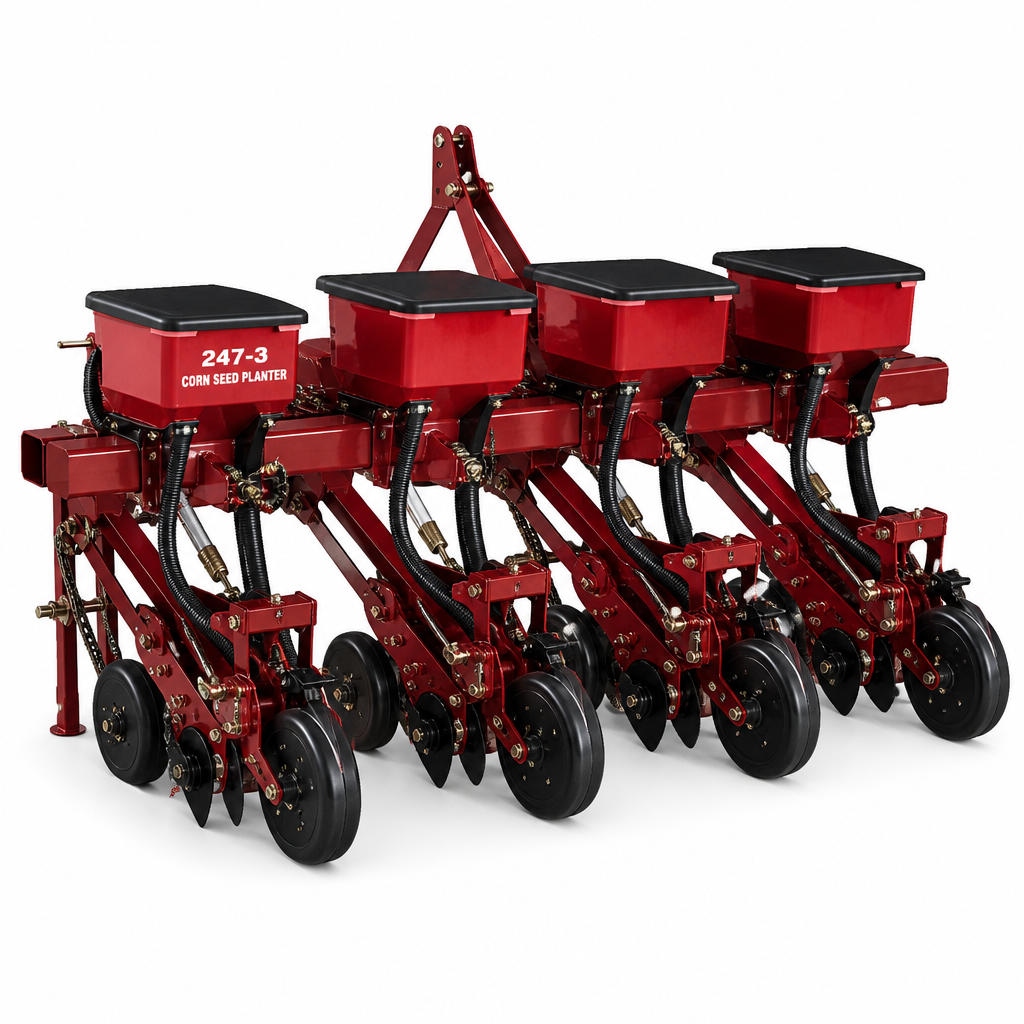
When considering a corn seed planter, agricultural professionals must balance various factors to ensure optimal planting effectiveness and efficiency. A corn seed planter is a vital piece of equipment that facilitates the planting of corn seeds with precision and care, impacting crop yield and farm productivity. This article will delve into essential considerations for selecting a corn seed planter for wholesale, comparing quality factors, understanding investment implications, providing installation guidance, and exploring applications across different agricultural settings.

Comparing Quality Factors in Corn Seed Planters for Better Purchasing

Comparing Quality Factors in Corn Seed Planters for Better Purchasing

When comparing corn seed planters, several quality factors can help buyers make informed purchasing decisions. These factors include:

Seed Metering Technology: Different planters utilize various metering systems to ensure accurate seed distribution. Precision metering technology minimizes seed waste and promotes uniform growth, which is crucial for maximizing yield.

Durability and Maintenance: Examine the materials used in the construction of the planter. Planters made from high-strength, corrosion-resistant materials tend to have longer lifespans and require less maintenance. Additionally, consider the ease of access for repairs and the availability of replacement parts. Investing in a durable planter, such as the Walking Tractor 15-18HP Water-Cooled Diesel 2WD Hand Tractor, can enhance operational efficiency.

Customization Options: Some manufacturers offer customizable features based on specific agricultural practices. Customization options might include row spacing adjustments or specialized seed boxes designed for different seed types.

Technology Integration: Modern corn seed planters may come equipped with sensors and data tracking capabilities, enabling farmers to monitor planting performance in real-time. This data can be invaluable for making informed decisions throughout the growing season.

By focusing on these quality factors, buyers can effectively compare different models and select a corn seed planter that meets their operational needs and budget constraints.

Understanding Investment in Corn Seed Planters

Understanding Investment in Corn Seed Planters

Investing in a corn seed planter is not just about the initial purchase price; buyers must consider the total cost of ownership, which includes maintenance, operation, and potential returns on investment. The upfront cost can vary significantly based on the planter's features and capabilities. However, a more expensive, high-quality planter may yield better returns through increased efficiency and reduced seed loss.

Moreover, financing options and warranties should also be examined. Many manufacturers offer financing plans that allow buyers to spread out payments, making the investment more manageable. A solid warranty can also provide peace of mind, covering potential issues that may arise during the planter's operational life.

Buyers should calculate the expected yield increase from using a high-quality planter versus a lower-cost option. This analysis will help determine whether the investment is justified by the long-term benefits.

Installation Guidance for Efficient Use of Corn Seed Planters

Installation Guidance for Efficient Use of Corn Seed Planters

Proper installation and setup of a corn seed planter are crucial for achieving optimal performance. Start by thoroughly reading the manufacturer's installation manual, as it provides essential guidelines tailored to the specific model.

Ensure that the planter is correctly calibrated for the seed type and row spacing. Calibration involves adjusting the seed metering system to ensure the correct number of seeds is planted per acre. This step is vital for maximizing yield and minimizing seed waste.

Additionally, consider the terrain and soil conditions of the fields where the planter will be used. Adjustments may be necessary based on soil moisture levels and topography to ensure the planter operates effectively across different conditions.

Finally, regular maintenance checks should be scheduled post-installation to identify any potential issues early on. This proactive approach will help maintain the planter's efficiency and prolong its lifespan.

Applications of Corn Seed Planters in Various Agricultural Settings

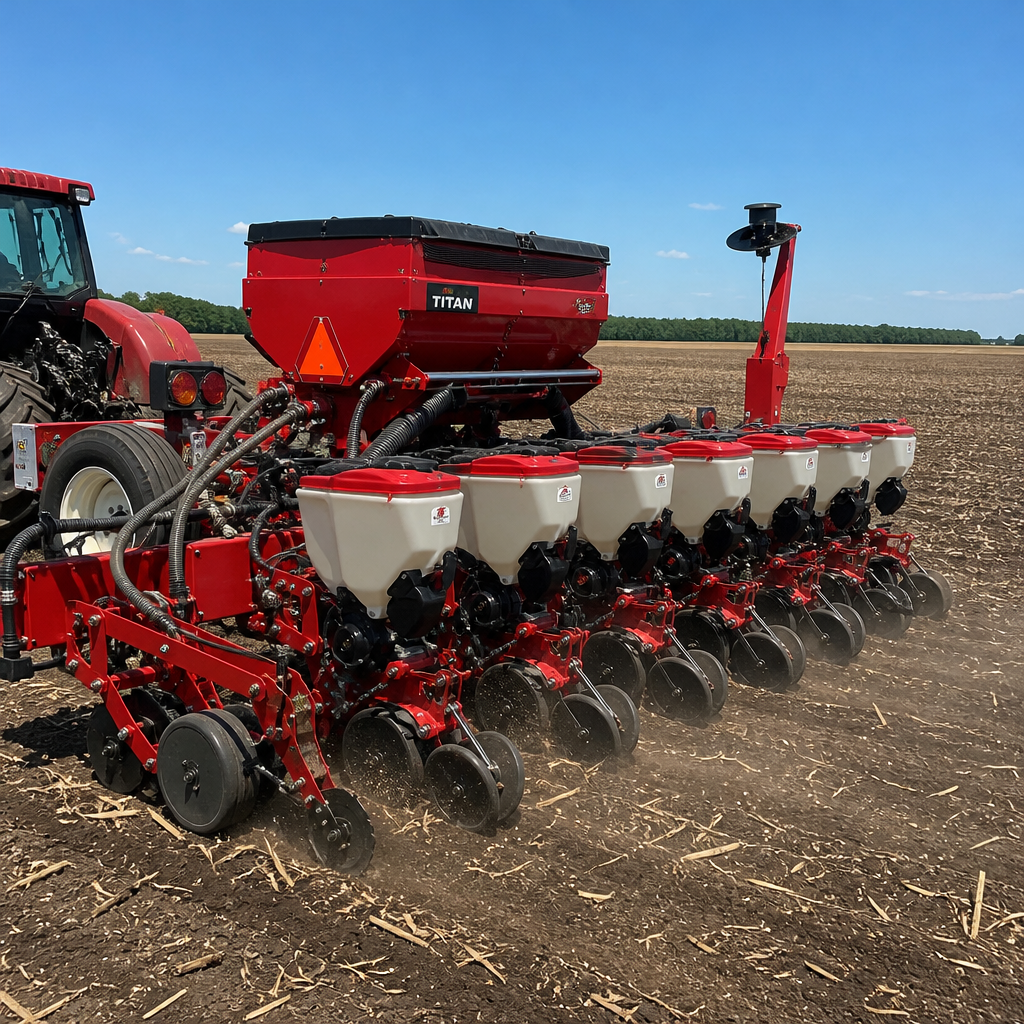
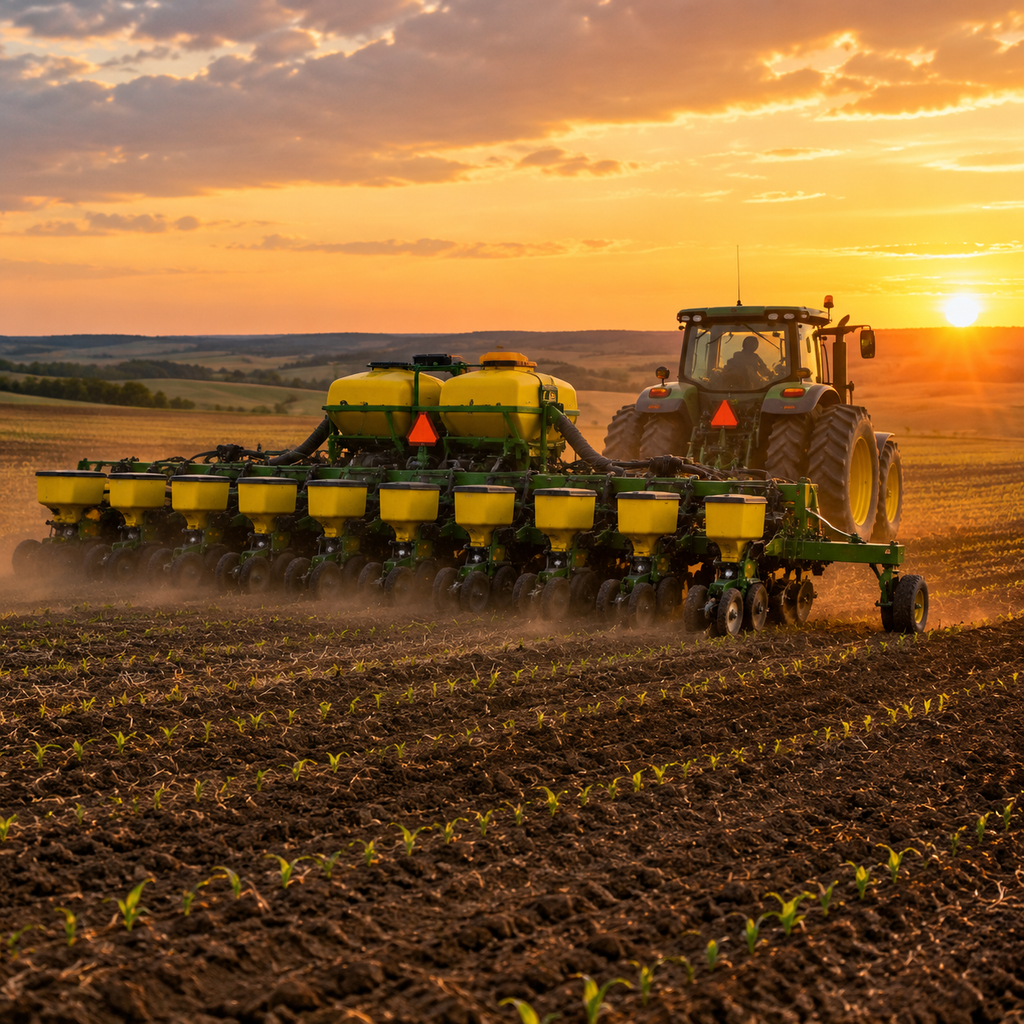
Corn seed planters are versatile tools that can be utilized across various agricultural settings. In large-scale commercial farming, these planters are essential for covering vast fields quickly and efficiently, ensuring uniform planting and optimal spacing for crop growth.

In smaller, specialized operations, corn seed planters can be adapted for specific crops or planting methods, such as organic farming. Customizable features allow farmers to tailor the planter to meet their unique requirements, such as planting depth or seed type.

Furthermore, corn seed planters can be integrated with precision agriculture practices. By employing technology such as GPS and data analytics, farmers can optimize planting patterns and monitor soil health, leading to enhanced crop management and increased sustainability.

In summary, the choice of a corn seed planter directly influences planting efficiency and crop yield. By considering the factors outlined, including the use of advanced tools like the Diesel Multicrop Grain Thresher with Double Fan for Farms, buyers can make informed decisions that align with their agricultural goals and operational needs.

What to Consider When Choosing a Corn Seed Planter for Wholesale

Choosing the right corn seed planter involves evaluating several key factors that align with specific agricultural needs. Firstly, consider the planter's capacity and row spacing, which should be suitable for the size of the fields being cultivated. A planter designed for larger farms may have multiple rows and higher seed capacity, while smaller operations may require a more compact model.

Material and build quality are also critical. High-quality steel or durable polymers are preferable, as they can withstand harsh agricultural conditions and provide longevity. Furthermore, the precision of seed placement and depth control mechanisms is vital. Planters with advanced technology, such as GPS guidance or seed monitoring systems, can significantly enhance planting accuracy and efficiency. For example, the Grain Feed Ingredient Mixer – 500-5000L Crusher & Blender can complement the planting process by ensuring proper seed preparation.

Lastly, buyers should assess the compatibility of the planter with existing machinery. Many planters can be customized or modified for specific tractors, so verifying the planter's compatibility with your equipment will streamline operations and reduce additional costs.

Frequently Asked Questions

What crops is the corn seed planter suitable for?

Designed primarily for corn, it also handles similar row crops such as sorghum and sunflowers with adjustable settings for seed size and spacing.
Our corn seed planter comes with CE and ISO 9001 certifications, ensuring quality, safety, and consistent manufacturing standards.
Yes. Agripros offers tailored configurations and lifecycle support to match different farm sizes, row widths, and planting densities.
We provide installation guidance, spare parts, maintenance schedules, and remote technical support, plus field service options across our supported regions.
Regular calibration, clean seed metering, correct downforce settings, and routine inspection of wear parts ensure consistent seed placement and depth control.

Get a Free Quote

Our representative will contact you soon.
0/1000