Choosing the Right Mini Tractor Remote Control

application/mini-tractor-remote-control, application/mini-tractor-remote-control, 
Inquiry
application/mini-tractor-remote-control, application/mini-tractor-remote-control, 
Inquiry

mini tractor remote control

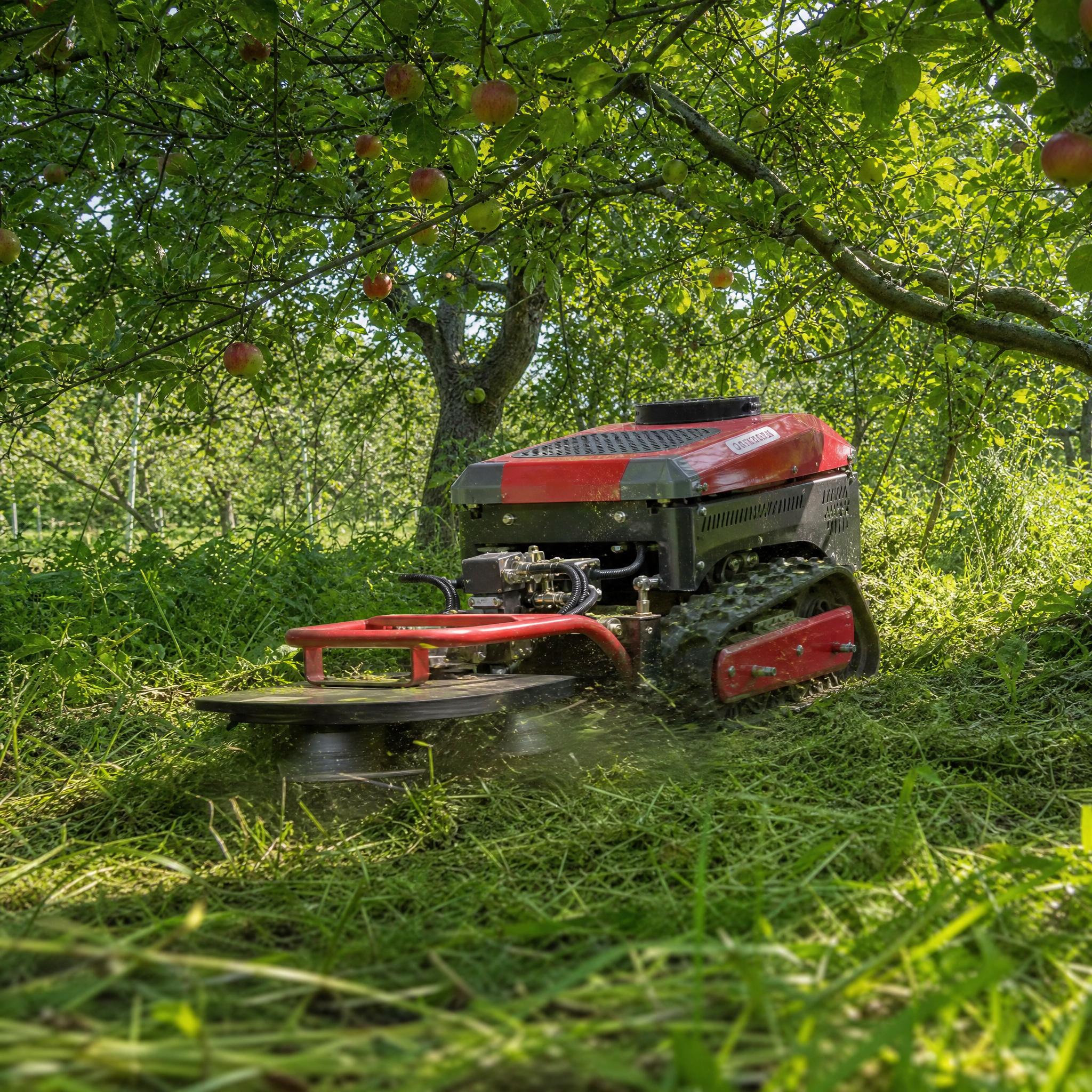
In the realm of agricultural machinery, mini tractor remote controls play a crucial role in enhancing operational efficiency and ease of use. These devices allow operators to manage various functions of mini tractors from a distance, improving workflow on farms and plantations. For purchasing managers and distributors, understanding the nuances of mini tractor remote controls is essential for making informed purchasing decisions. This article will help you navigate the selection process, compare specifications, understand cost factors, address common issues, and guide you through the bulk ordering process.

Comparing Specifications of Mini Tractor Remote Control Options

Comparing Specifications of Mini Tractor Remote Control Options

When comparing mini tractor remote control options, several specifications play a pivotal role in determining their effectiveness. Key specifications include:

Communication Protocol: Many remote controls utilize radio frequency (RF) technology, while others may use Bluetooth or Wi-Fi. RF technology generally offers better reliability over long distances, while Bluetooth may be suitable for shorter ranges.

Power Source: Check whether the remote control is battery-operated or rechargeable. Rechargeable options can reduce long-term operational costs, while battery-operated models may require more frequent replacements.

Weather Resistance: Given that agricultural environments can be harsh, look for remote controls that offer water and dust resistance. An IP rating can be a reliable indicator of this capability.

Control Channels: The number of control channels available will determine how many functions can be controlled simultaneously. Ensure that the remote has enough channels to meet your operational needs.

Comparing these specifications will help you choose a remote control that not only fits your tractor but also matches your operational demands.

Understanding the Cost Factors of Mini Tractor Remote Controls

Understanding the Cost Factors of Mini Tractor Remote Controls

The cost of mini tractor remote controls can vary widely based on several factors. Understanding these can help you budget effectively.

Features and Specifications: More advanced remotes with additional features, such as extended range, multiple control channels, and enhanced weather resistance, generally come at a higher price. Balancing the need for advanced features with budget constraints is essential.

Manufacturing Quality: The materials used in the construction of the remote can impact its durability and performance. High-quality materials may lead to a higher initial cost but can save money in the long run through reduced maintenance and replacement needs. For example, investing in a Diesel Multicrop Grain Thresher with Double Fan for Farms can be a worthwhile decision for those seeking robust agricultural machinery.

Brand Reputation: Established manufacturers with a history of producing reliable equipment may charge premium prices. However, investing in a reputable brand can often lead to better customer support and warranty options.

Customization Options: If you require a remote control tailored to specific functions or specifications, this can increase costs. It’s crucial to weigh the benefits of customization against the additional expense.

Understanding these factors will allow you to make a more informed decision when evaluating potential purchases.

Common Problems with Mini Tractor Remote Controls and Solutions

Common Problems with Mini Tractor Remote Controls and Solutions

Despite their advantages, mini tractor remote controls can encounter issues that may hinder their performance. Awareness of these common problems can facilitate proactive solutions.

Signal Interference: One of the most frequent issues is signal interference, especially in areas with heavy machinery. Ensuring that the remote operates on a frequency less prone to interference or using a model with robust error correction can mitigate this issue.

Battery Life: Short battery life can lead to operational disruptions. Opting for rechargeable batteries with a higher capacity or investing in spare batteries can help maintain continuous operation during long work sessions.

Mechanical Failures: Components can wear out over time, leading to malfunctions. Regular maintenance checks and prompt replacement of worn components can prevent sudden failures.

User Error: Sometimes, issues arise from improper use of the remote. Comprehensive training for operators can reduce mistakes and improve efficiency.

Addressing these common problems through careful selection and maintenance will enhance the reliability of your mini tractor remote control.

How to Make Bulk Orders for Mini Tractor Remote Controls

When planning to make bulk orders for mini tractor remote controls, there are several steps to ensure a smooth purchasing process.

Determine Specifications and Quantities: Before reaching out to suppliers, clearly define the specifications required for your mini tractor remote controls. Consider the operational needs and the quantity based on your fleet size.

Supplier Research: Identify potential suppliers with a good reputation for quality and reliability. Look for manufacturers who can provide CE and ISO 9001 certifications, as these indicate adherence to quality standards.

Request Quotations: When you contact suppliers, provide detailed information about your needs, including specifications, expected delivery dates, and any customization requirements. This will help suppliers provide accurate quotes.

Evaluate Terms and Conditions: Carefully review the terms regarding pricing, lead times, minimum order quantities (MOQ), and payment methods. Understanding these details will help you avoid unexpected costs or delays.

Sample Approval: Before finalizing the bulk order, request samples to ensure that the products meet your quality expectations. Testing samples under real operational conditions can reveal any potential issues before mass production.

Following these steps can help streamline the purchasing process and ensure that you receive the right mini tractor remote controls for your needs.

Choosing the Right Mini Tractor Remote Control for Your Needs

Selecting the appropriate mini tractor remote control involves several considerations that can significantly affect operational efficiency. Firstly, assess the compatibility of the remote with your mini tractor model. Not all remote controls are universal, and choosing one that is specifically designed for your tractor can ensure seamless integration.

Next, consider the range of the remote control. The distance over which you can operate the tractor remotely can vary significantly between models. For large fields, a longer range is preferable to avoid disruption during operation. Also, evaluate the control functions available, such as speed adjustment, steering, and implement control, to ensure that the remote meets all your operational requirements. For instance, the 8-25HP Diesel Walk Behind Tractor Water-Cooled Hand Start Farm Tractor is a great option for those looking for compatibility with advanced remote controls.

Finally, think about the user interface and ergonomics. A remote control that is intuitive and easy to use can reduce learning time for operators and enhance productivity. Look for features such as tactile feedback and clear labeling of buttons that can facilitate quick operations.

Frequently Asked Questions

What is the mini tractor remote control used for?

The remote control operates our mini tractor for safe, remote maneuvering during tillage, seeding, irrigation, and harvesting tasks, reducing operator exposure to hazards and improving precision.
Our remote control is designed for Agripros mini tractor models. Compatibility with other units requires specification review—contact us with model details for confirmation.
Agripros products come with CE and ISO 9001 certifications, ensuring manufacturing quality, safety standards, and consistent performance across agricultural applications.
Typical range is 50–200 meters depending on environment. Battery life lasts 6–12 hours per charge under normal use; actual time varies with signal conditions and usage intensity.
Agripros offers lifecycle-based support including setup guidance, spare parts, and maintenance advice. Contact our service team for tailored support across installation and repair needs.

Get a Free Quote

Our representative will contact you soon.
0/1000

Related product categories