Choosing the Right Remote Control Mini Tractor

application/remote-control-mini-tractor, application/remote-control-mini-tractor, 
Inquiry
application/remote-control-mini-tractor, application/remote-control-mini-tractor, 
Inquiry

remote control mini tractor

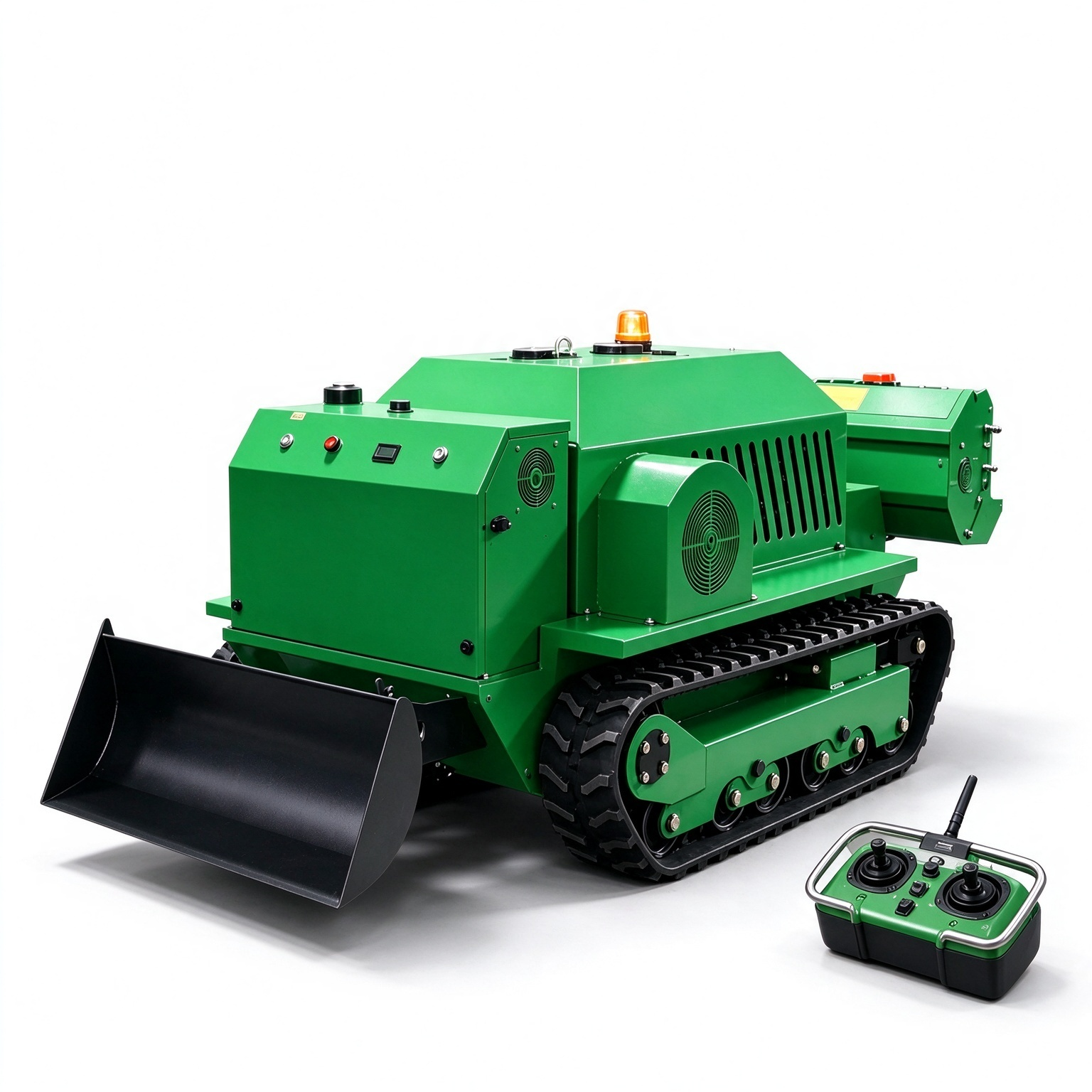
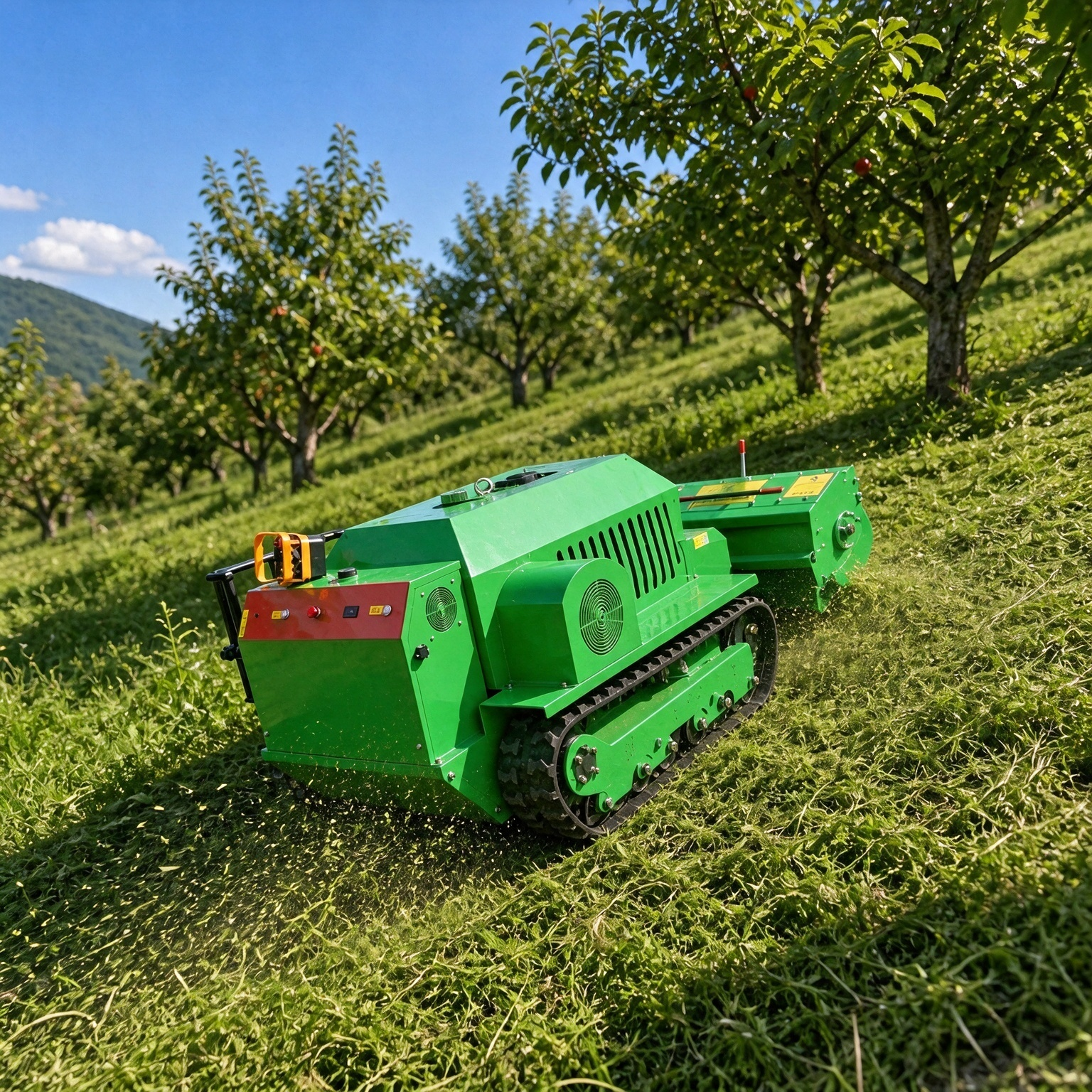
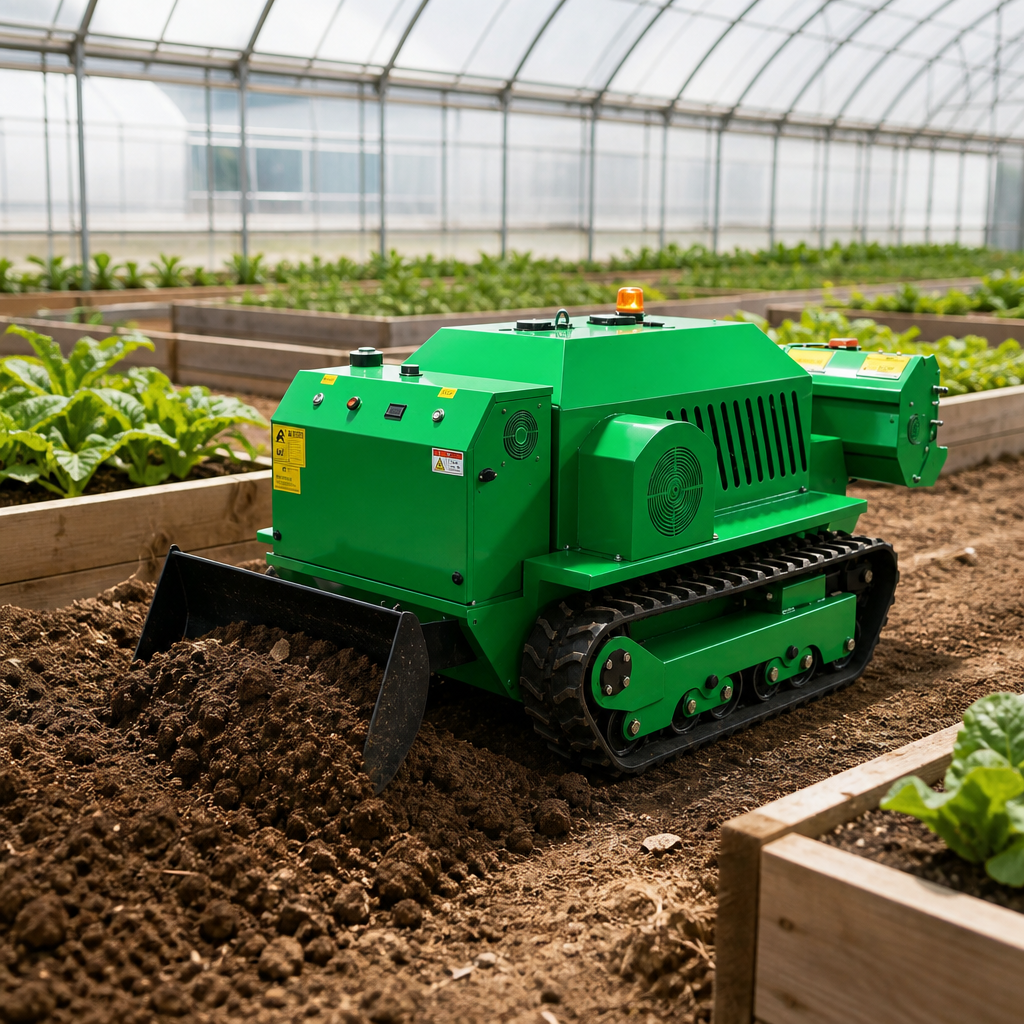
Remote control mini tractors are innovative agricultural machines that enhance efficiency and productivity on farms and plantations. These compact and versatile tractors are designed to perform a variety of tasks, from tillage to irrigation, with the convenience of remote operation. B2B buyers, such as purchasing managers and agricultural engineers, often seek reliable solutions that can optimize farm operations while considering factors like quality, functionality, and customization options. This article will guide you through selecting the right remote control mini tractor, understanding quality control processes, and exploring their applications in modern agriculture.

Key Factors

Key Factors

Several key factors should guide your purchasing decision for a remote control mini tractor:

Specifications: Understand the technical specifications, including engine type, fuel capacity, and dimensions, to ensure the tractor meets your operational requirements.

Materials: The quality of materials used in the tractor's construction is crucial for durability and performance. Look for tractors made from high-strength steel or reinforced plastics that can withstand the rigors of agricultural use.

Manufacturing Capabilities: Evaluate the manufacturer’s production capabilities and certifications, such as ISO 9001, which indicate adherence to quality standards. This ensures that you are investing in a reliable product.

Production Equipment: Consider whether the manufacturer uses advanced production equipment and technology, which can enhance the precision and quality of the finished product.

Quality Control Processes: Inquire about the quality control measures in place to ensure that each tractor meets performance and safety standards before it reaches the market. For instance, manufacturers of products like the Grain Crusher 3 kW Electric Mill for Poultry Feed Milling often emphasize their quality control practices.

By focusing on these factors, you can make an informed decision that aligns with your operational goals and enhances your agricultural efficiency.

Understanding the Quality Control of Remote Control Mini Tractors

Understanding the Quality Control of Remote Control Mini Tractors

Quality control is a critical aspect of the manufacturing process for remote control mini tractors. A robust quality control system ensures that each unit meets the required standards and performs reliably in the field.

Manufacturers typically implement a multi-stage quality inspection process, which includes:

Material Inspection: Raw materials are thoroughly checked for quality and compliance with specifications before they enter the production line.

In-Process Inspection: During manufacturing, various checkpoints are established to monitor the assembly process and ensure that components fit correctly and function as intended.

Final Testing: Once the tractor is assembled, it undergoes rigorous testing to verify its performance under operational conditions. This may involve testing the remote control system, engine performance, and safety features.

Customer Feedback: Post-sale feedback from users can also inform quality improvements and help identify any common issues that may arise during operation.

Understanding these quality control practices can help you gauge the reliability of a remote control mini tractor and the manufacturer's commitment to excellence.

A Step-by-Step

A Step-by-Step

When preparing to purchase a remote control mini tractor, follow these steps to ensure a smooth acquisition process:

Define Your Requirements: Clearly outline the tasks you intend to perform with the tractor, including any specific attachments or features needed.

Research Manufacturers: Look for manufacturers with a solid reputation in the industry, such as Agripros, known for their agricultural machinery solutions. Check for certifications and customer reviews to assess reliability.

Request Quotations: Contact potential suppliers to request quotations, providing them with detailed information about your requirements, including desired specifications, customization options, and quantities.

Evaluate Samples: If possible, request a sample unit or visit the manufacturer's facility to inspect the tractors firsthand. Pay attention to build quality, functionality, and ease of use.

Confirm Specifications: Before finalizing your order, ensure that all specifications are confirmed, including dimensions, weight capacity, and any customization requests.

Discuss Lead Times and Delivery: Clarify lead times for production and delivery to avoid any disruptions in your operations.

Finalize the Order: Once you are satisfied with the specifications and terms, finalize the order and ensure that all agreements are documented.

By following this structured approach, you can minimize risks and ensure that you acquire the right remote control mini tractor for your agricultural needs.

Applications of Remote Control Mini Tractors in Modern Agriculture

Remote control mini tractors are increasingly being utilized in various agricultural applications, showcasing their versatility and efficiency. Here are some key applications:

Tillage: These tractors can effectively prepare soil for planting by breaking up hard ground and mixing in nutrients, which is essential for crop growth.

Seeding: Remote control capabilities allow for precise planting of seeds at optimal depths and spacing, ensuring better crop yields.

Irrigation: Mini tractors can be used to automate irrigation processes, reducing water waste and ensuring that crops receive adequate hydration.

Harvesting: In some cases, remote control tractors can assist in harvesting crops, allowing farmers to cover more ground quickly and efficiently.

Maintenance Tasks: They can also perform various maintenance tasks such as mowing and managing fields, helping to keep operations running smoothly.

The adaptability of remote control mini tractors makes them a valuable addition to modern agricultural practices, providing farmers with the tools they need to enhance productivity and efficiency.

By understanding the key aspects of remote control mini tractors, from selection criteria to quality control processes and practical applications, B2B buyers can confidently navigate their purchasing decisions and invest in equipment that meets their specific agricultural needs.

Choosing the Right Remote Control Mini Tractor for Your Needs

When selecting a remote control mini tractor, it's essential to consider several factors that align with your operational requirements. Start by evaluating the tractor's horsepower and torque, as these specifications directly influence its capacity to handle various agricultural tasks. For instance, a tractor with higher horsepower may be necessary for heavy-duty tasks like plowing, while lower horsepower models, such as the 8-25HP Diesel Walk Behind Tractor Water-Cooled Hand Start Farm Tractor, are suitable for lighter applications.

Additionally, consider the size and weight of the tractor, which can affect maneuverability and compatibility with your existing equipment. Compact models may be ideal for smaller farms or tight spaces, whereas larger units can cover more ground efficiently. Furthermore, assess the remote control features, such as the range and ease of use, as these will impact your operational efficiency and safety.

Customization options also play a critical role. Many manufacturers, like Agripros, offer tailored solutions that enable you to modify the tractor's attachments and functions according to your specific needs. This flexibility can significantly enhance the tractor's utility across different farming tasks.

Get a Free Quote

Our representative will contact you soon.
0/1000

Related product categories