Choosing No Till Farming Equipment for Optimal Yield

application/no-till-farming-equipment, application/no-till-farming-equipment, 
Inquiry
application/no-till-farming-equipment, application/no-till-farming-equipment, 
Inquiry

no till farming equipment

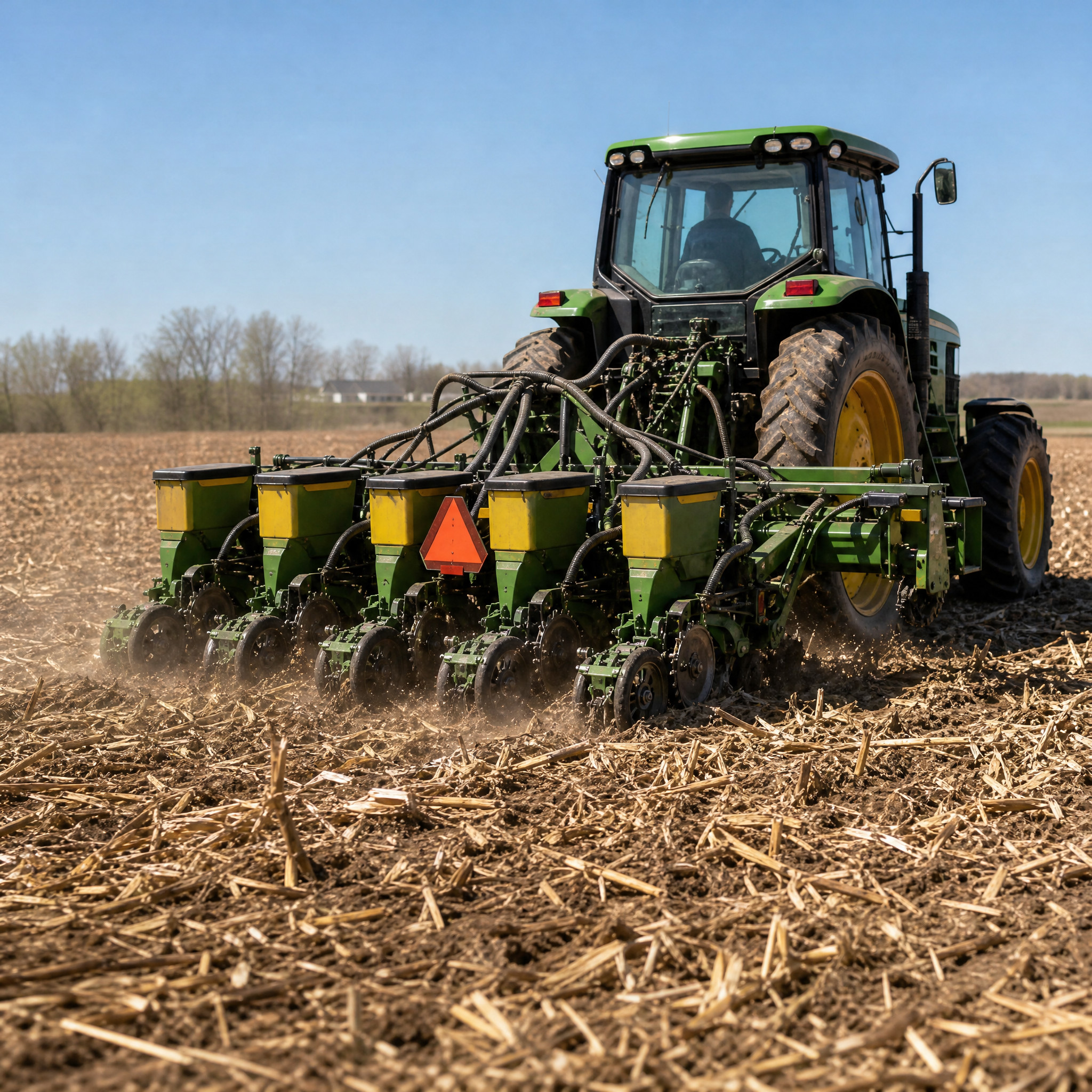
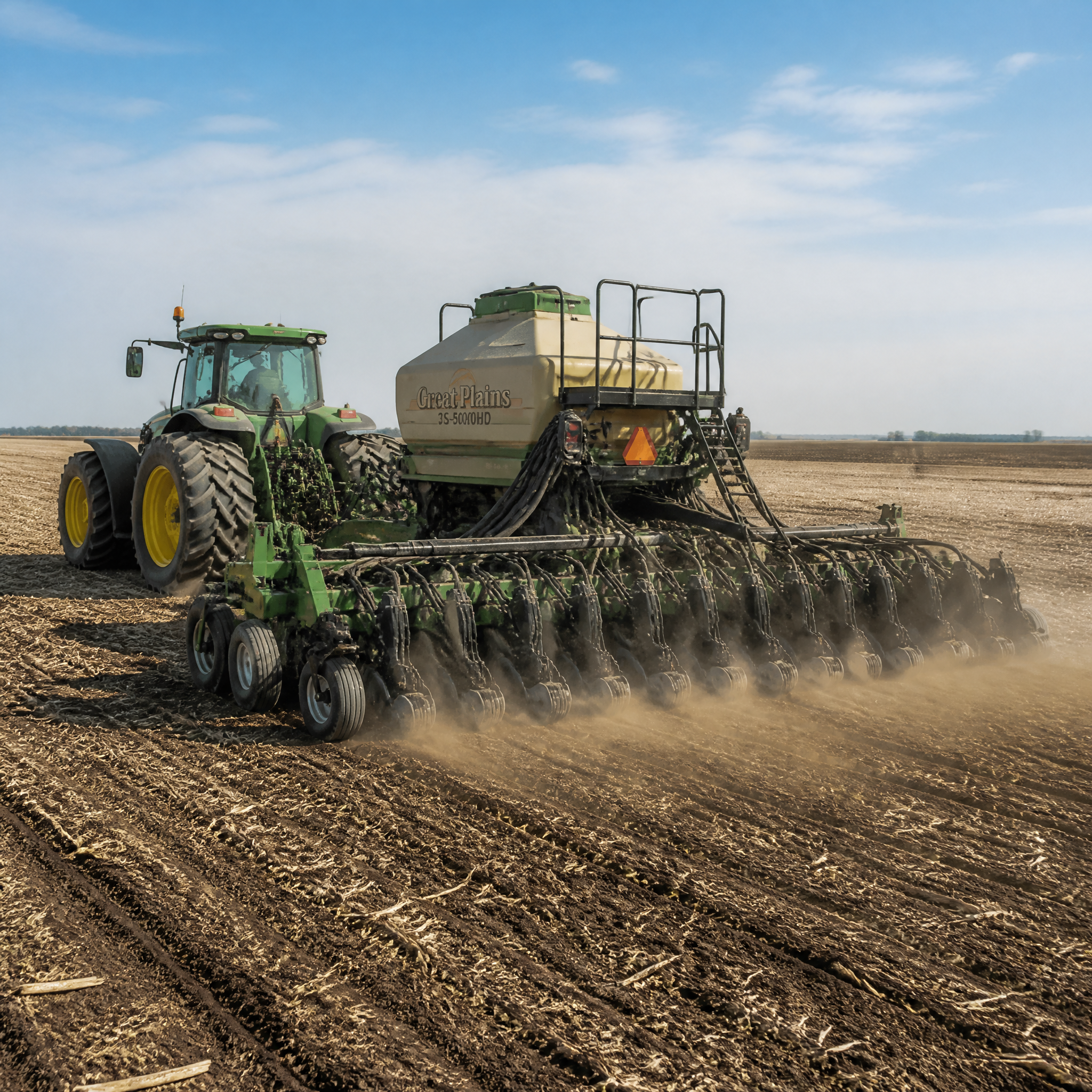
No till farming equipment has revolutionized modern agriculture by minimizing soil disturbance and enhancing crop yield. This type of equipment allows farmers to plant crops directly into the soil without prior tillage, preserving moisture and nutrients while promoting soil health. For B2B buyers, concerns often revolve around equipment compatibility, durability, and overall effectiveness in diverse agricultural conditions. This article provides insights into selecting the right no till farming equipment, sourcing reliable suppliers, addressing common issues, and understanding its applications in contemporary farming.

Finding Trusted No Till Farming Equipment Sources

Finding Trusted No Till Farming Equipment Sources

Sourcing reliable no till farming equipment requires careful consideration of suppliers. Here are several strategies to identify trustworthy manufacturers:

Certifications: Look for suppliers with relevant certifications such as CE or ISO 9001, as these indicate adherence to quality management standards and regulatory compliance.

Industry Reputation: Research the supplier's background, including their history in the industry and customer reviews. Reliable manufacturers often have a proven track record in delivering quality products and services.

Technical Support and Service: Consider suppliers that offer comprehensive after-sales support, including maintenance services and technical guidance. This ensures that any operational challenges can be addressed promptly.

Export Experience: Companies that export to multiple countries may have a better understanding of diverse agricultural practices and can often provide equipment tailored to various climates and soil conditions.

Product Range: A supplier with a wide variety of no till farming equipment can provide options for different applications, allowing buyers to find the right fit for their specific requirements. For example, a Grain Crusher 3 kW Electric Mill for Poultry Feed Milling could complement your no till operations effectively.

Common Problems with No Till Equipment and Their Solutions

Common Problems with No Till Equipment and Their Solutions

While no till farming equipment offers numerous advantages, buyers should be aware of common issues that can arise and how to mitigate them:

Clogging and Blockage: This can occur if equipment is not maintained properly or if it encounters high residue levels. Regular cleaning and using equipment with adjustable settings can help manage this issue.

Inconsistent Seed Placement: Poor seed placement can lead to uneven crop growth. Buyers should ensure that the equipment has features that allow for precise seed placement and depth control.

Soil Compaction: Over time, no till practices can lead to soil compaction, which affects root growth. Farmers should periodically assess soil structure and may need to integrate cover crops or crop rotation to alleviate compaction issues.

Equipment Wear and Tear: Parts can wear out quickly if not made from durable materials. Selecting equipment with high-quality construction and regular maintenance checks can help extend its lifespan.

A Step-by-Step

A Step-by-Step

Implementing no till practices involves a systematic approach to ensure success. Here’s a step-by-step guide:

Assess Current Practices: Evaluate existing farming methods and identify areas where no till could improve yield and soil health.

Select Appropriate Equipment: Based on soil type and crop requirements, choose the right no till equipment that meets your operational needs.

Training: Ensure that all operators are trained on the specific equipment and understand no till practices to maximize efficiency and minimize mistakes.

Monitor Soil Health: Regularly check soil conditions, moisture levels, and nutrient content to determine the effectiveness of no till practices.

Adapt and Adjust: Be prepared to adjust practices based on performance data and changing environmental conditions. Continuous improvement is essential in achieving optimal results.

Applications of No Till Farming Equipment in Modern Agriculture

No till farming equipment is versatile and has various applications in today’s agricultural landscape:

Row Crop Production: No till techniques are particularly effective for row crops like corn and soybeans, where minimizing soil disturbance can lead to better yields.

Cover Cropping: Farmers can use no till practices to plant cover crops that improve soil health and reduce erosion, benefiting both the current and future crops.

Sustainable Farming: By reducing tillage, farmers can contribute to sustainable practices that enhance biodiversity and carbon sequestration in the soil.

Diverse Crop Rotation: No till equipment supports diverse crop rotations by allowing farmers to easily switch between different types of crops without significant soil disruption.

In summary, choosing the right no till farming equipment requires careful consideration of various factors, from soil compatibility to supplier reliability. By addressing common issues and understanding the applications of this equipment, B2B buyers can make informed purchasing decisions that enhance agricultural productivity and sustainability.

What to Consider When Choosing No Till Farming Equipmen

When selecting no till farming equipment, several key factors should be evaluated to ensure optimal performance and suitability for specific agricultural needs.

Soil Compatibility: Different soil types may require specific equipment adjustments. It's essential to understand the soil structure, moisture levels, and compaction to select equipment that will perform effectively without causing damage.

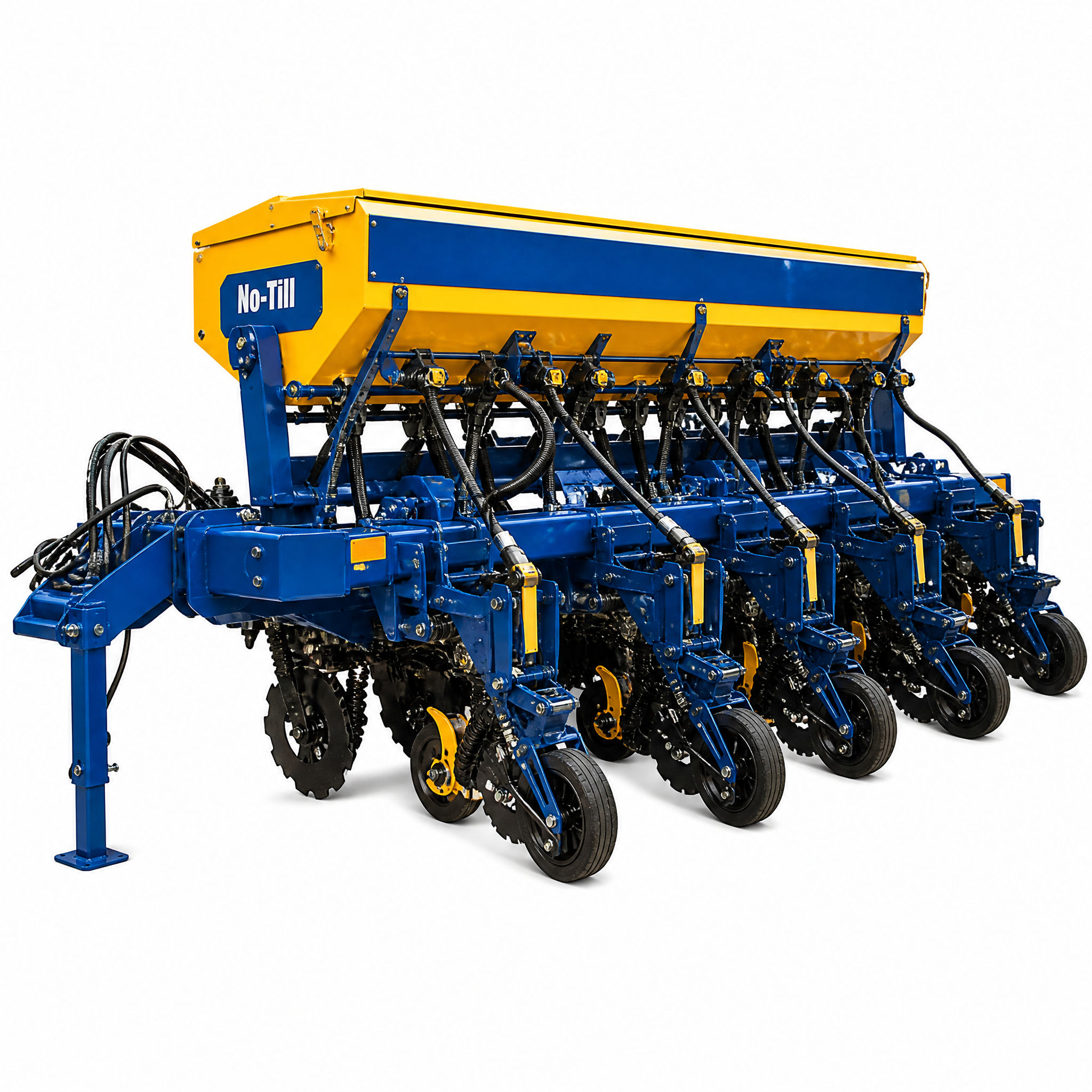
Equipment Specifications: Look for features such as row spacing, depth adjustment, and the type of planting mechanism. For instance, a drill with a hydraulic downforce can adapt better to varying soil conditions, ensuring efficient planting. Additionally, consider the 8-25HP Diesel Walk Behind Tractor Water-Cooled Hand Start Farm Tractor for its versatility in various farming applications.

Material Selection: The durability of components, like blades and frames, largely affects long-term performance. High-strength steel or corrosion-resistant materials can extend the lifespan of the equipment, especially in areas with rough terrain or harsh weather conditions.

Production Capabilities: Assess the equipment's ability to handle the expected planting volume. This includes evaluating its speed, efficiency, and the size of the area it can cover in a given timeframe.

Customization Options: Many manufacturers offer customization to meet specific farming practices or crop types. Understanding these options can help in selecting equipment that is ideally suited to unique operational needs.

Get a Free Quote

Our representative will contact you soon.
0/1000

Related product categories