Key Specifications for No Till Corn Planters

application/no-till-corn-planter, application/no-till-corn-planter, 
Inquiry
Inquiry

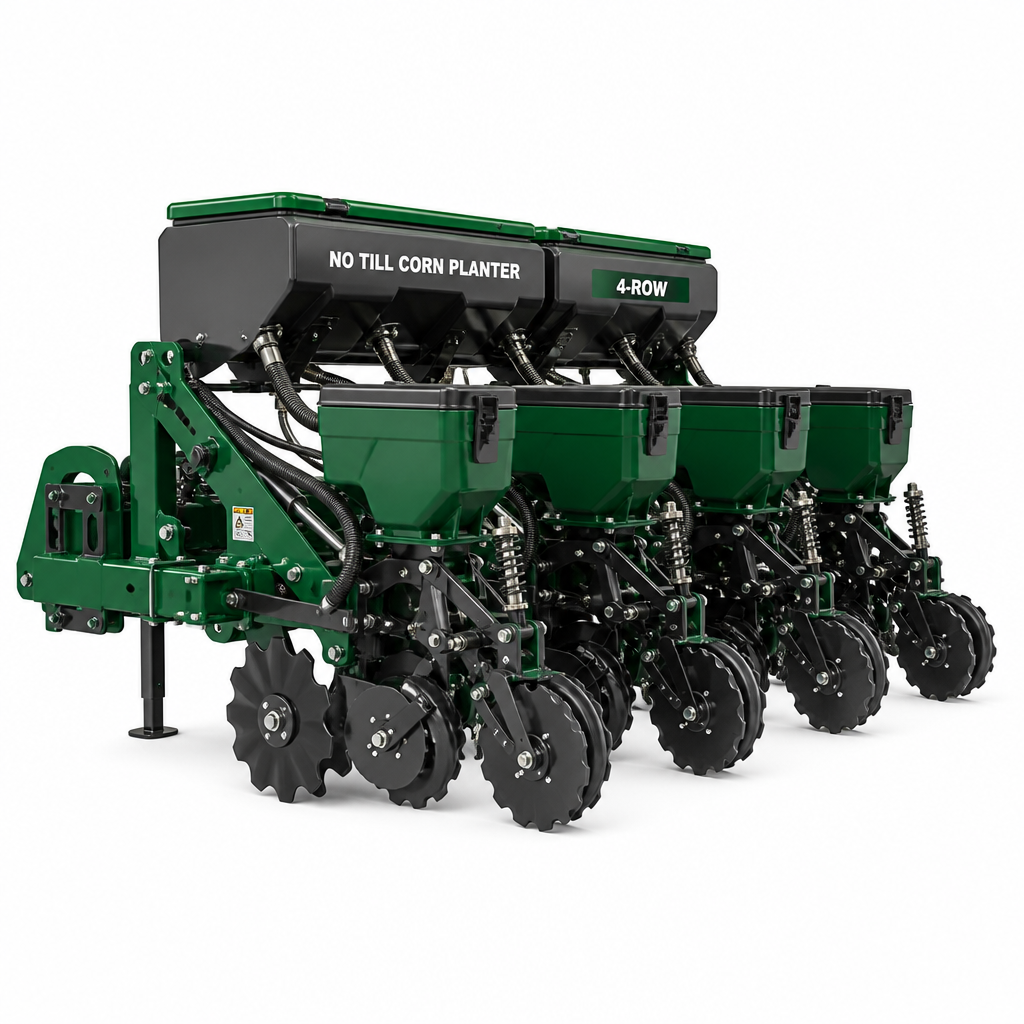
no till corn planter

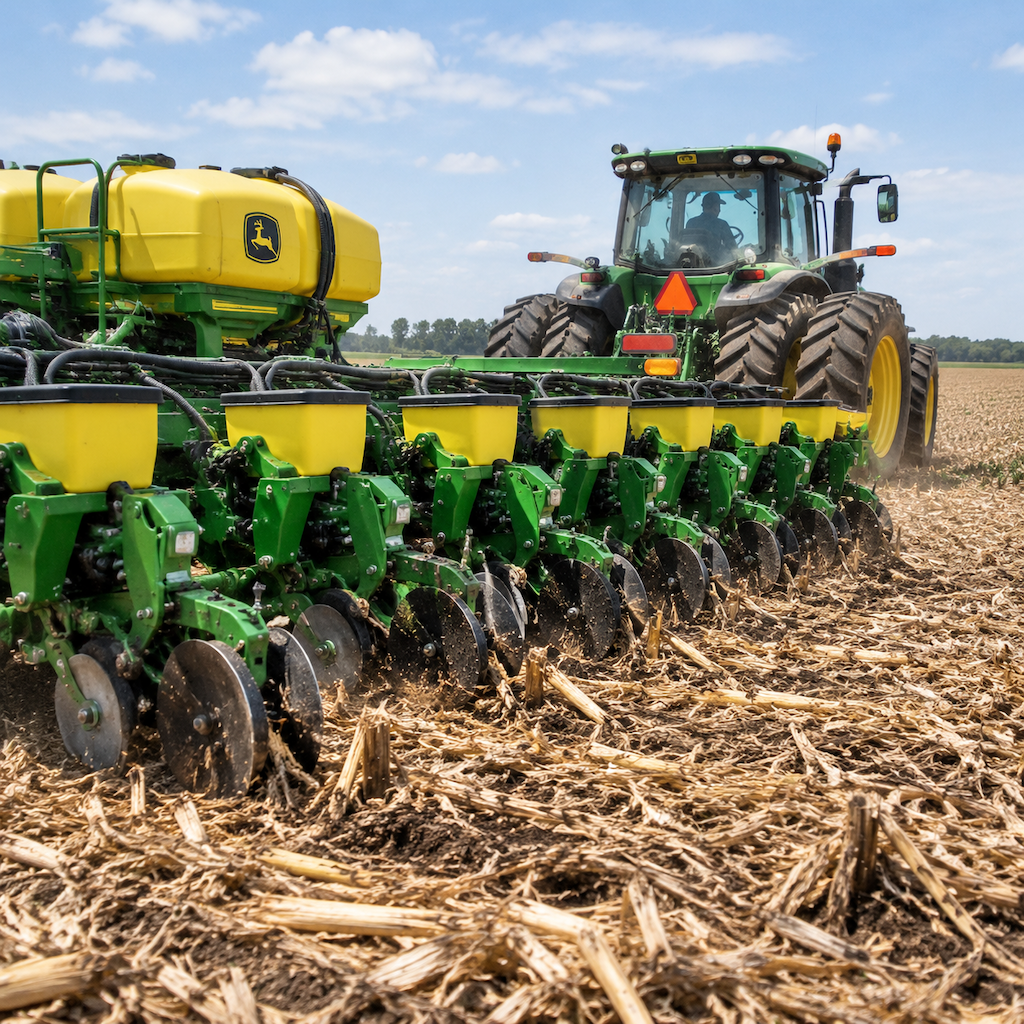
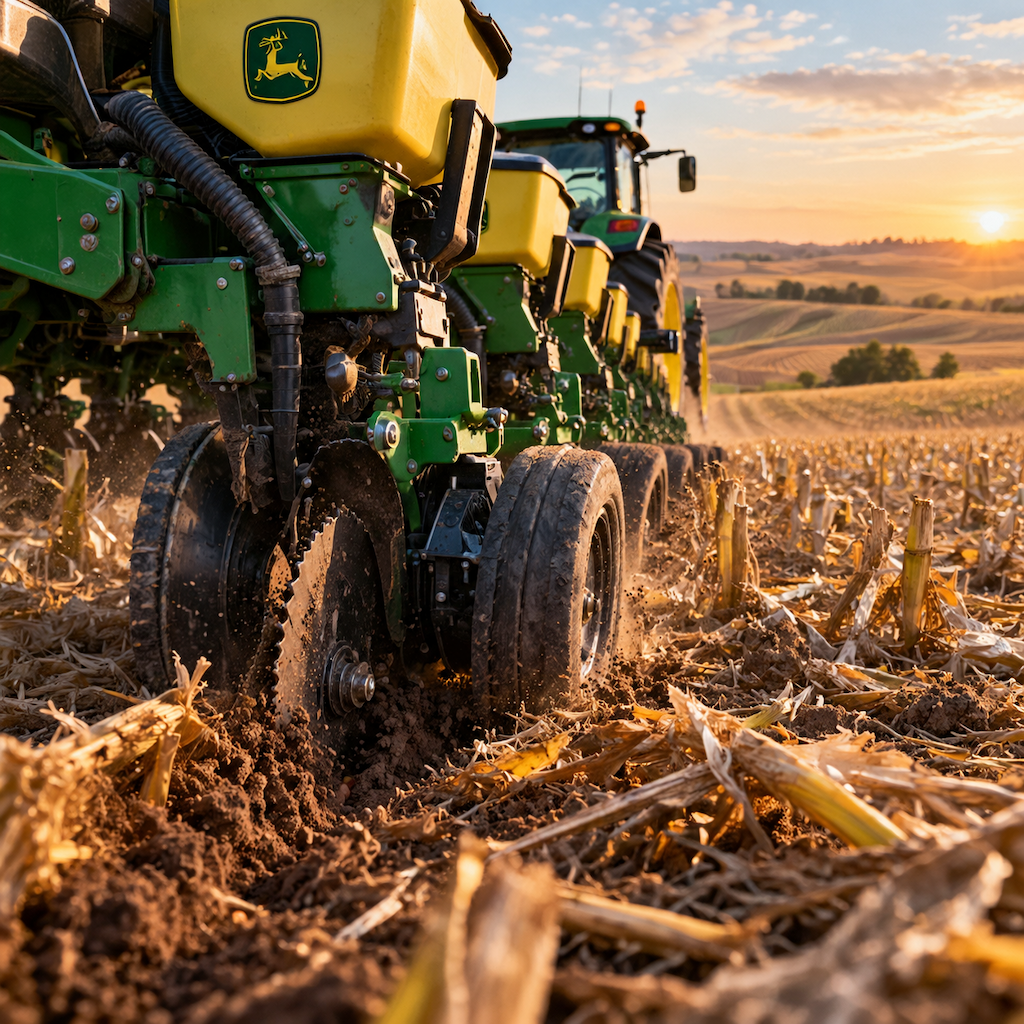
No till corn planters have become essential tools for modern agriculture, allowing for efficient planting while preserving soil structure and moisture. As a purchasing manager or agricultural distributor, understanding the key specifications, sourcing options, cost factors, and potential challenges associated with no till corn planters is crucial for making informed decisions. This article will explore these critical aspects to help you navigate the purchasing process effectively.

Where to Source Reliable No Till Corn Planters for Your Business

Where to Source Reliable No Till Corn Planters for Your Business

Sourcing reliable no till corn planters entails identifying reputable manufacturers and distributors. Here are some avenues to consider:

Direct from Manufacturers: Engaging directly with manufacturers like Agripros can provide insights into product specifications, customization options, and production capabilities. This also allows for better negotiation on pricing and terms.

Trade Shows and Agricultural Expos: Attending industry trade shows can provide firsthand experience with various models and technologies. You can interact with manufacturers, compare products, and discuss requirements.

Online Marketplaces and B2B Platforms: Websites specializing in agricultural machinery offer a variety of options. Look for platforms that allow you to compare specifications and read reviews from other buyers.

Local Agricultural Suppliers: Often, local suppliers have established relationships with manufacturers and can provide valuable support and service after the purchase. Additionally, products like the Walking Tractor 15-18HP Water-Cooled Diesel 2WD Hand Tractor can be sourced locally, ensuring you have the necessary support.

Industry Recommendations: Networking with other agricultural professionals can yield recommendations for reliable suppliers that meet your specific needs.

When sourcing, ensure that the supplier has a solid reputation for quality control and after-sales support, as these factors can significantly impact your long-term satisfaction with the equipment.

Cost Factors to Consider When Buying a No Till Corn Planter

Cost Factors to Consider When Buying a No Till Corn Planter

Understanding the cost factors associated with no till corn planters is essential for budgeting and financial planning. Key cost considerations include:

Initial Purchase Price: This is the most apparent cost. Prices can vary widely based on specifications, technology, and brand reputation.

Operational Costs: Consider costs related to fuel, maintenance, and repairs. Efficient models may offer lower operational costs over time.

Warranty and Support: A longer warranty may come with a higher upfront cost but can save money in the long run through reduced repair expenses.

Customization Costs: If you require specific features or modifications, be prepared for potential additional costs.

Resale Value: Consider the projected resale value of the planter. Some brands retain value better than others.

Financing Options: Explore financing plans offered by manufacturers or third-party lenders, which can make the initial investment more manageable.

By evaluating these cost factors, you can make a more informed decision and ensure that your investment aligns with your budget and operational goals.

A Step-by-Step Approach

A Step-by-Step Approach

A systematic approach to purchasing a no till corn planter can help streamline the process:

Define Requirements: Outline the specific needs based on crop types, soil conditions, and operational scale.

Research Options: Investigate various brands and models, comparing specifications and prices.

Consult Industry Peers: Seek advice from colleagues and industry professionals about their experiences with different planters.

Request Samples or Demos: If possible, arrange for a demonstration to assess the planter's performance in real-world conditions.

Evaluate Suppliers: Assess potential suppliers based on reputation, support services, and warranty offerings.

Negotiate Terms: Discuss pricing, delivery, and payment terms to ensure a mutually beneficial agreement.

Finalize the Purchase: Once you have analyzed all options and are satisfied with the supplier, proceed with the purchase.

Plan for Maintenance: After the purchase, establish a maintenance schedule to ensure the longevity and efficiency of the planter.

Following this structured approach ensures that you consider all relevant factors, ultimately leading to a better purchasing decision.

Common Problems with No Till Corn Planters and Their Solutions

While no till corn planters offer many benefits, they can also present challenges. Here are some common problems and their solutions:

Seed Blockage: Seeds may occasionally get blocked in the meter or drop tubes, leading to uneven planting. Regular maintenance and cleaning can help prevent this issue. Additionally, using high-quality seeds that are uniform in size can reduce the risk of blockages.

Soil Compaction: Although no till planters are designed to minimize compaction, heavy planters can still compress the soil, affecting root growth. To mitigate this, ensure that the planter is properly calibrated for weight and consider using cover crops to improve soil structure.

Poor Seed Germination: Inconsistent seed depth can lead to uneven germination. Regularly check and adjust the depth settings based on soil conditions to ensure optimal seed placement.

Wear and Tear on Components: Continuous use can lead to wear on planting components. Regular inspections and timely replacements of worn parts can prevent breakdowns during crucial planting seasons.

Operator Training: Improper use can lead to suboptimal performance. Ensure that operators are thoroughly trained on the planter’s features and settings for maximum efficiency.

By proactively addressing these common issues, you can enhance the performance and longevity of your no till corn planter, ultimately supporting your agricultural objectives. Investing in a no till corn planter is a significant decision that can enhance planting efficiency while preserving soil health. By understanding key specifications, sourcing options, cost factors, and potential challenges, you are better equipped to make an informed purchase that will meet your agricultural needs.

Key Specifications to Look for in a No Till Corn Planter

When evaluating no till corn planters, several specifications are pivotal in ensuring optimal performance. Key specifications include:

Row Spacing: Standard row spacing typically ranges from 30 inches to narrower configurations like 20 inches. The choice affects planting density and the crop's ability to compete with weeds.

Seed Depth Control: Accurate seed placement is crucial for germination and yield. Look for planters with adjustable seed depth mechanisms that can accommodate various soil types and conditions.

Weight and Stability: Heavier planters can penetrate harder soils more effectively. However, they should also be balanced to avoid excessive soil compaction.

Metering System: Precision metering systems ensure consistent seed spacing and population. Check for compatibility with different seed sizes and types.

Durability and Materials: Ensure that components are made from high-quality, corrosion-resistant materials. This is particularly important for parts exposed to fertilizers and other chemicals.

Adjustability and Customization: Consider how easily the planter can be adjusted for different crops and conditions. Customization options can also enhance versatility. For instance, a Grain Feed Ingredient Mixer – 500-5000L Crusher & Blender can complement your setup by allowing for better mixing of feed ingredients.

Technology Integration: Some modern no till corn planters offer technology such as GPS guidance and yield monitoring systems, which can greatly improve planting efficiency.

These specifications directly impact the planter's performance, maintenance requirements, and overall suitability for your agricultural practices.

Get a Free Quote

Our representative will contact you soon.
0/1000