Choosing the Right Pneumatic Planter for Wholesale

application/pneumatic-planter, application/pneumatic-planter, 
Inquiry
Inquiry

pneumatic planter

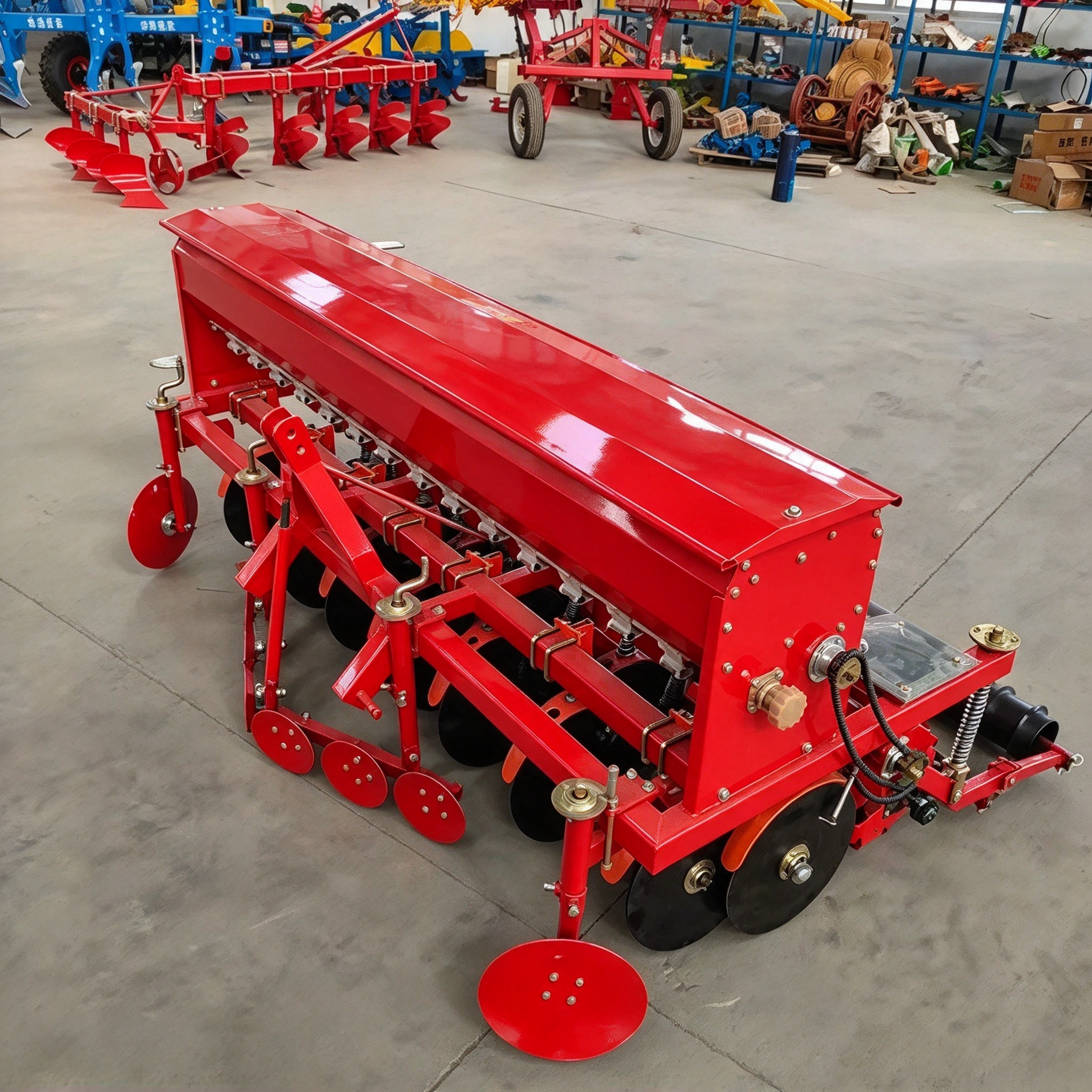
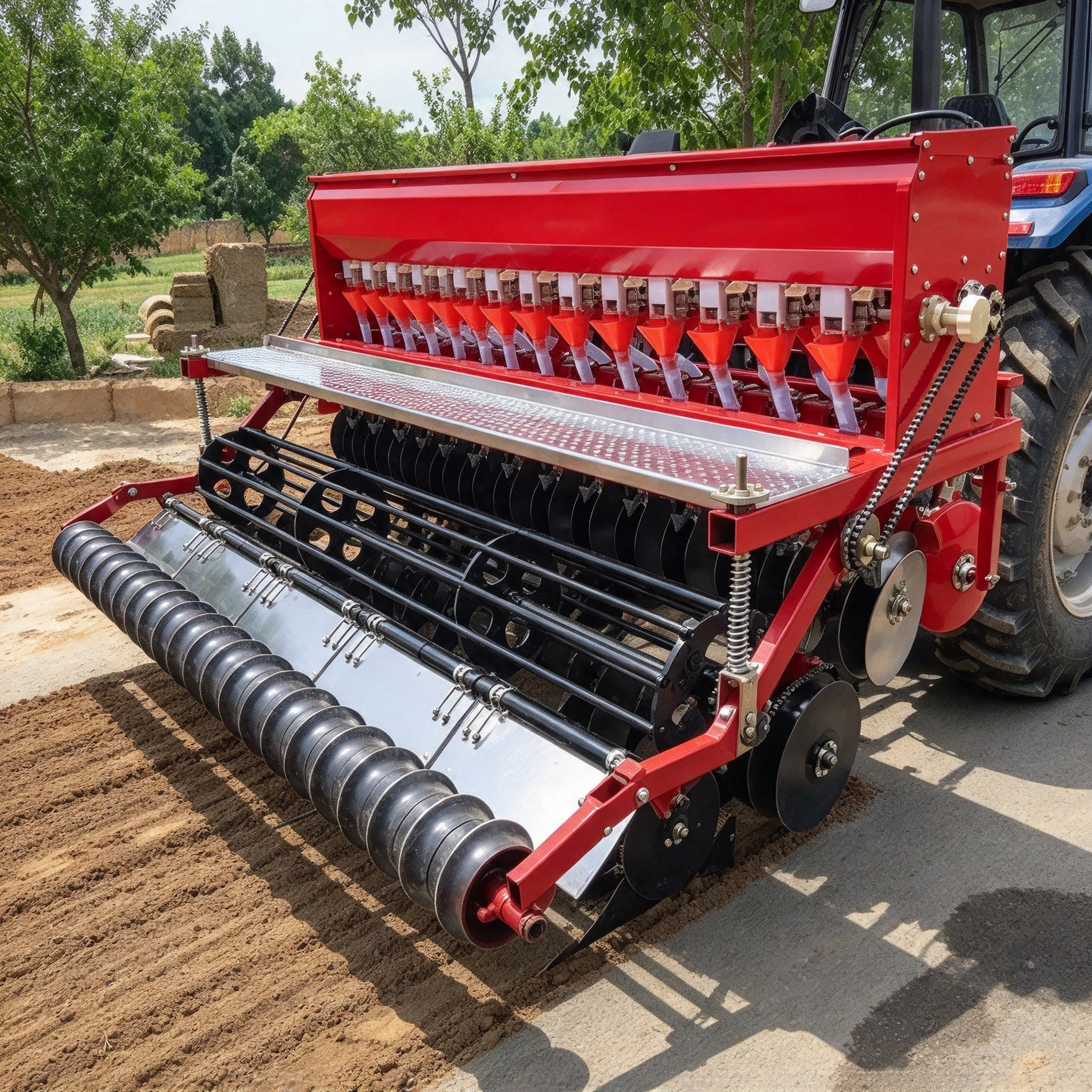
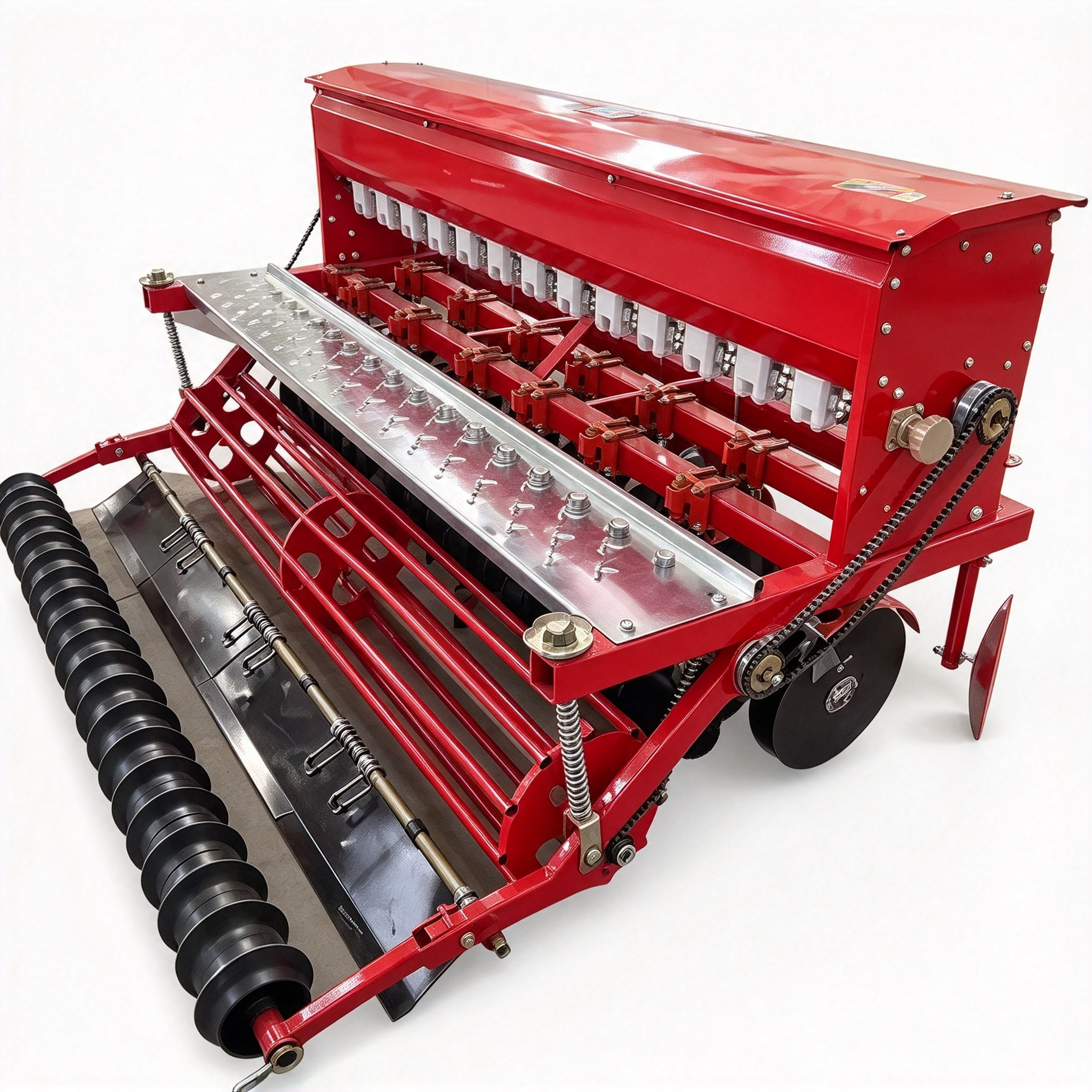
The pneumatic planter is a crucial piece of agricultural machinery designed for efficient seed placement in various farming environments. As a B2B buyer, understanding the intricacies of selecting the right pneumatic planter is essential to meet your operational needs. This article will address key considerations in choosing a pneumatic planter for wholesale, examine critical specifications for bulk orders, and provide best practices and applications relevant to modern agriculture.

Key Specifications of Pneumatic Planters for Bulk Orders

Key Specifications of Pneumatic Planters for Bulk Orders

When ordering pneumatic planters in bulk, understanding the key specifications can help ensure that the equipment meets your operational requirements. Some essential specifications to consider include:

Seed Delivery System: Pneumatic planters use air pressure to deliver seeds from a hopper to the soil. It's important to evaluate the efficiency and reliability of this system, as poor seed placement can lead to uneven growth and reduced yields.

Adjustable Row Spacing: This feature allows flexibility depending on the crop type and planting strategy. Ensure that the planter can accommodate various row spacing configurations to adapt to different planting needs.

Frame Construction: The material and construction of the planter frame will affect its durability and ability to withstand harsh agricultural environments. Steel frames with protective coatings are generally preferred for their strength and longevity.

Hopper Capacity: The size of the hopper impacts how much seed can be loaded at one time. Larger hoppers reduce downtime associated with refilling, which can be a significant advantage during peak planting seasons.

Weight and Stability: A well-balanced and appropriately weighted planter will provide better stability during operation, especially in uneven terrain. This is crucial for maintaining consistent planting depth and seed placement.

Understanding these specifications will help you evaluate different models effectively and choose the right pneumatic planter that aligns with your agricultural practices.

How to Evaluate the Quality of Pneumatic Planters for Your Needs

How to Evaluate the Quality of Pneumatic Planters for Your Needs

Evaluating the quality of pneumatic planters involves several steps that ensure the equipment meets your expectations for performance and durability. Start by examining the materials used in the construction of the planter. High-quality materials, such as corrosion-resistant steel or heavy-duty plastics, can enhance the longevity of the equipment.

Next, consider the manufacturing process. A reputable manufacturer like Agripros typically follows strict quality control processes, which ensure consistency and reliability in their products. Look for evidence of certifications, such as ISO 9001, which indicate adherence to international quality standards.

Additionally, request samples or demonstrations to assess the planter’s performance in real-world conditions. Observing how the planter operates, including seed placement accuracy and ease of use, can provide valuable insights into its quality.

Finally, gather feedback from other users or reviews from agricultural forums. Insights from experienced users can highlight common issues or advantages associated with specific models, aiding in your decision-making process.

Best Practices

Best Practices

To maximize the performance of pneumatic planters, implementing best practices is essential. Begin with proper calibration before planting. This involves adjusting the seed delivery system to ensure the correct seed spacing and depth, which can significantly impact crop yield.

Regular maintenance is crucial for maintaining the planter’s efficiency. Check air pressure levels, inspect hoses for leaks, and ensure that all moving parts are lubricated and functioning correctly. This proactive approach can prevent downtime due to mechanical failure.

Additionally, consider conducting soil tests to determine the best planting depth and seed type for your specific conditions. Tailoring your planting strategy to your soil's characteristics can lead to improved crop performance.

Lastly, training operators on the proper use and maintenance of the planter will ensure that it is used effectively, maximizing both productivity and equipment lifespan.

Applications of Pneumatic Planters in Modern Agriculture

Pneumatic planters have become an essential tool in modern agriculture due to their efficiency and versatility. These machines are ideal for a range of applications, including large-scale commercial farming, where speed and accuracy in planting are critical.

In row crops like corn and soybeans, pneumatic planters excel at delivering seeds with precision, which is vital for maximizing yield. Their ability to maintain consistent seed depth and spacing helps ensure uniform germination and growth.

Additionally, pneumatic planters are increasingly used in precision agriculture, where data-driven approaches dictate planting strategies. By integrating with GPS and other technologies, these planters can optimize seed placement based on real-time data about soil conditions and crop health.

Moreover, pneumatic planters are adaptable to various terrains and soil types, making them suitable for diverse agricultural settings. This flexibility allows farmers to use them across different fields and crop types, enhancing their operational efficiency and productivity.

Choosing the right pneumatic planter involves careful consideration of specifications, quality evaluation, and adherence to best practices. By understanding these elements, B2B buyers can make informed decisions that align with their agricultural needs, enabling them to enhance productivity and achieve better outcomes in their farming operations.

What to Consider When Choosing a Pneumatic Planter for Wholesale

When selecting a pneumatic planter for wholesale, buyers should focus on several key factors to ensure they make an informed decision. Firstly, consider the specific crops you intend to plant, as different planters are optimized for various seed types and planting depths. For example, a pneumatic planter designed for corn may not perform optimally for smaller seeds like carrots or radishes. Additionally, you may want to explore various Seeders & Transplanters that can complement your planting strategy.

Additionally, evaluate the planter’s operational capacity. Factors such as planting speed, row spacing, and seed volume are crucial. The planter should align with your farm's size and the scale of operations. A high-capacity model may be necessary for larger farms, while smaller operations may benefit from more compact options.

Another critical consideration is the planter's compatibility with existing equipment, such as tractors or other machinery. Ensuring that the pneumatic planter can integrate smoothly into your current operations will minimize disruption and enhance efficiency. If you're looking for compatible equipment, consider our range of Tractors.

Finally, assess the manufacturer's reputation and support services. A supplier with a strong track record in agricultural machinery, like Agripros, will likely provide better customer service, support, and warranties.

Frequently Asked Questions

What is the pneumatic planter used for?

The pneumatic planter precisely meters and places seeds using air pressure, suitable for row crops, vegetables, and plantations to improve uniformity and germination rates.
It supports cereals, legumes, oilseeds, vegetables, and many plantation crops with adjustable seed plates and settings for seed size and spacing.
Designed and manufactured under CE and ISO 9001 processes, ensuring safety, traceability, and consistent performance across machines.
Yes. Agripros offers tailored configurations, row numbers, spacing, and hydraulic or PTO options to match farm scale and lifecycle needs.
We provide documentation, spare parts supply, remote technical support, and global service coordination to farms across 40 countries.

Get a Free Quote

Our representative will contact you soon.
0/1000