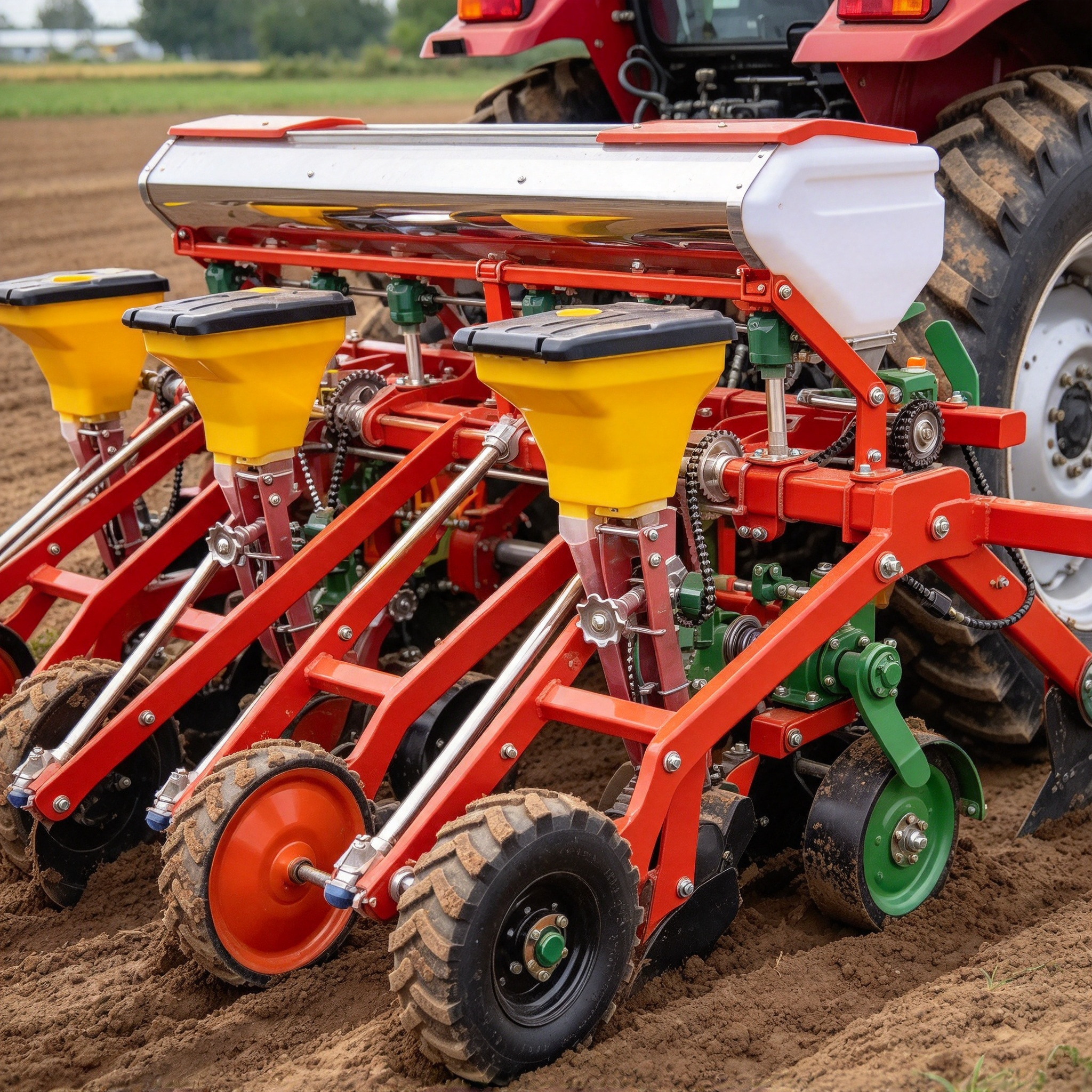
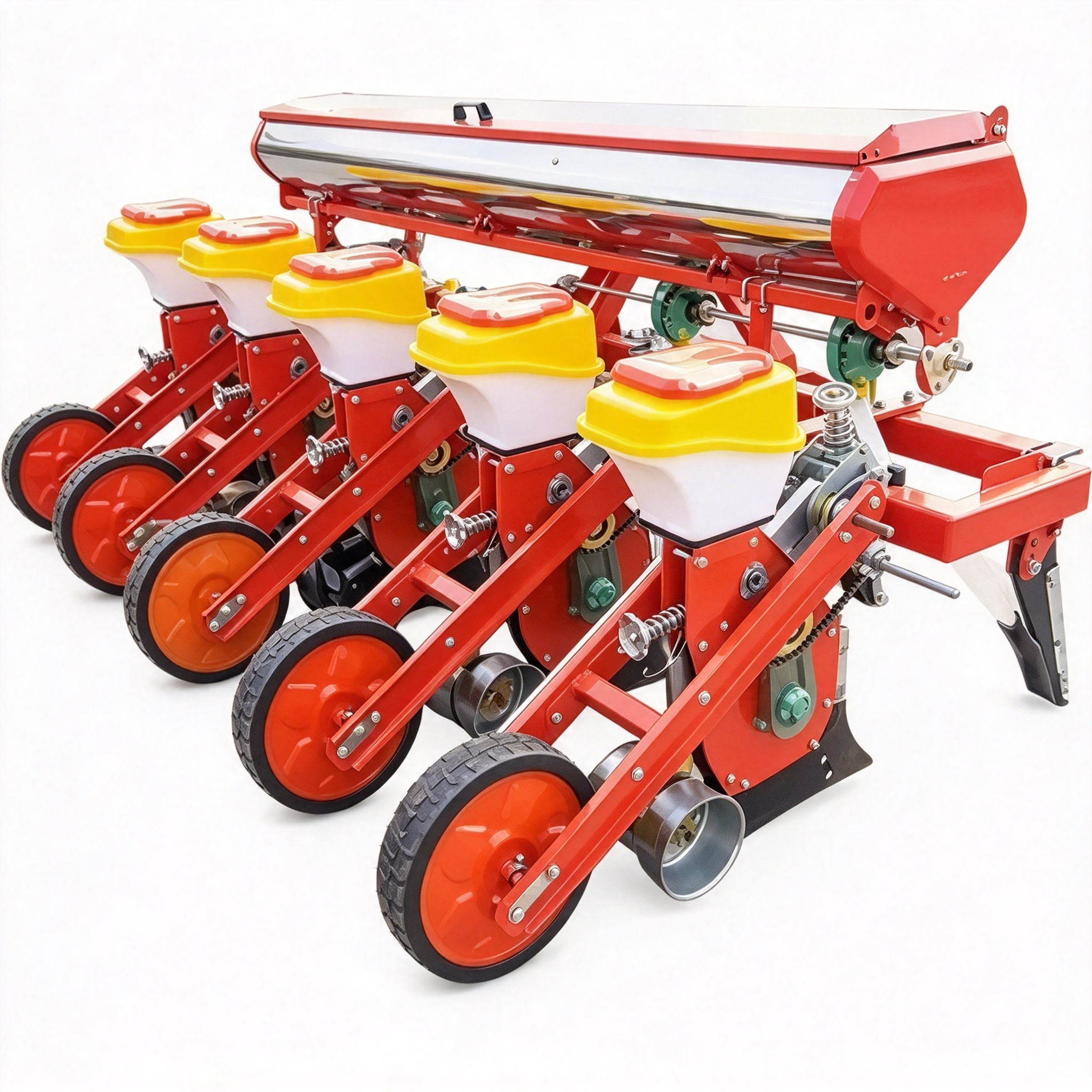
Pneumatic Planter Prices: Key Considerations

application/pneumatic-planter-price, application/pneumatic-planter-price, 
Inquiry
Inquiry

pneumatic planter price

Understanding pneumatic planter prices is essential for B2B buyers in the agricultural sector. These planters are vital for efficient seeding, and their pricing can vary significantly based on specifications, features, and production quality. As a purchasing manager, distributor, or product manager, you want to ensure you're making an informed decision that aligns with your operational needs while also considering factors like customization, lead times, and cost-effectiveness. This article will guide you through considerations for comparing prices, selecting the right planter, and evaluating specifications, helping you navigate your purchasing process effectively.

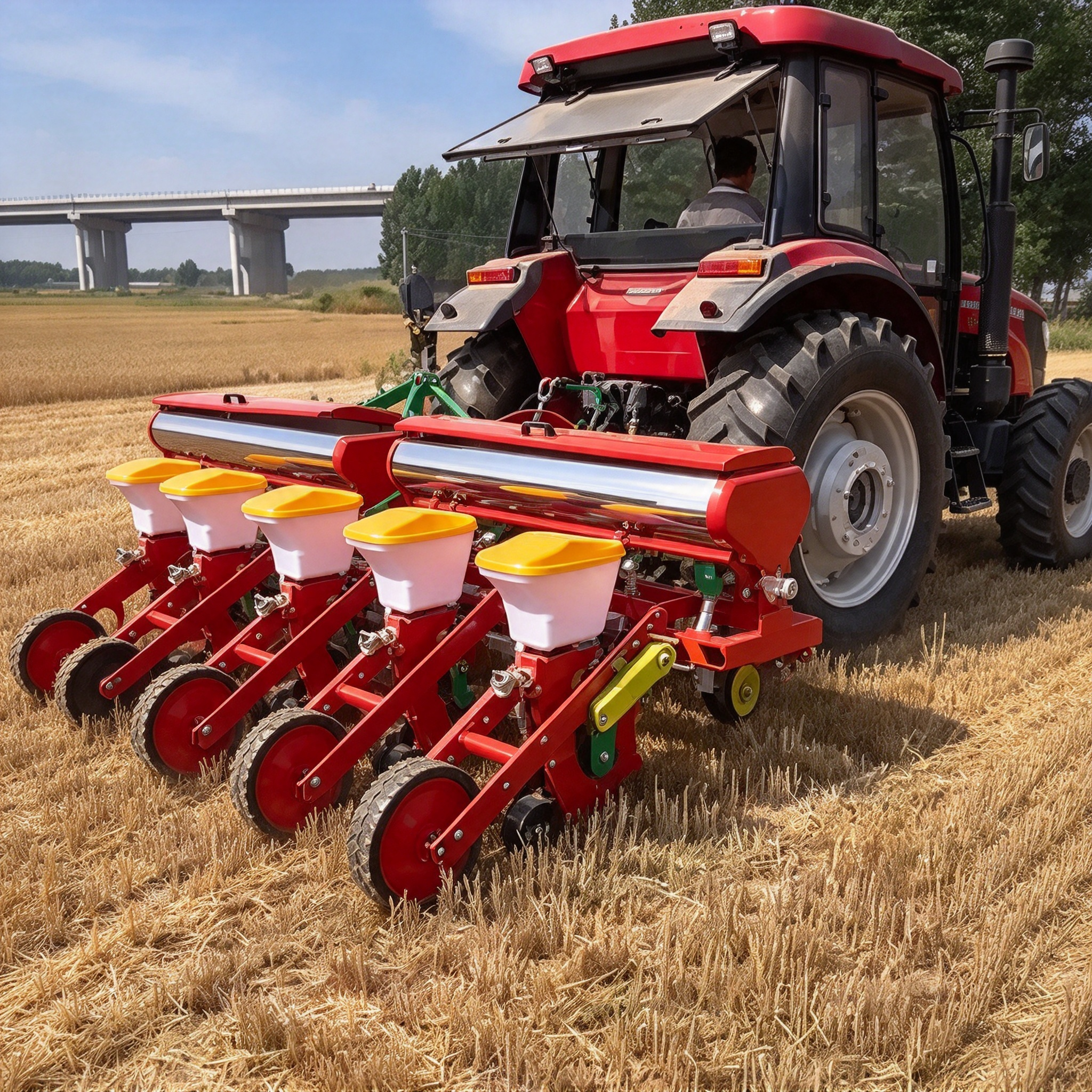
How to Choose the Right Pneumatic Planter for Your Agricultural Needs

How to Choose the Right Pneumatic Planter for Your Agricultural Needs

Selecting the right pneumatic planter requires a clear understanding of your agricultural needs. Begin by identifying the type of crops you plan to seed, as different planters are optimized for specific seed types and soil conditions. For instance, if you are working with small seeds like canola, you will need a planter that ensures precise seed placement and depth control.

Next, evaluate the planting environment. Consider factors such as soil type, moisture levels, and the terrain of your farm. Some planters are designed for uneven or rocky terrain, while others may be more suited to flat fields. Understanding these conditions will guide you toward a planter that enhances efficiency and reduces operational difficulties. You might also want to explore options like Irrigation Systems that complement your planting strategy.

Finally, assess the planter's technological features. Advanced models may include GPS guidance systems, variable rate seeding capabilities, and integrated monitoring systems. These features can improve accuracy and reduce waste, leading to better yields and cost savings in the long run.

Key Specifications of Pneumatic Planters to Evaluate Before Purchasing

Key Specifications of Pneumatic Planters to Evaluate Before Purchasing

Before making a purchase, it's vital to evaluate key specifications of pneumatic planters that directly influence their performance. Key specifications to consider include:

Row Spacing: This impacts planting density and crop yield. Ensure the planter's row spacing aligns with your agronomic practices.Seed Metering System: A high-quality metering system ensures accurate seed placement, which is critical for maximizing crop yields. Evaluate the metering technology and its effectiveness for your chosen seed types.Working Width: The width of the planter affects field efficiency. Wider planters can cover more area in less time, but they may be less maneuverable in certain fields.Frame Construction: The materials used in the frame can affect durability and performance. Look for robust, corrosion-resistant materials that can withstand the rigors of fieldwork.

Assessing these specifications will help you identify a pneumatic planter that meets your operational demands and budget constraints.

Ensuring Optimal Performance

Ensuring Optimal Performance

To ensure optimal performance from your pneumatic planter, consider conducting regular maintenance and adhering to operational best practices. Start by reviewing the manufacturer’s guidelines for maintenance schedules, which typically include checking seed metering systems, calibrating seed depth settings, and inspecting pneumatic components for leaks.

Proper adjustment of the planter is also crucial. Before planting, conduct trials to ensure that the seeding depth and spacing are consistent. This trial run can help identify any issues that may need addressing before mass planting.

Additionally, training your operators on the specific features and settings of the planter can significantly enhance performance. Ensure that they understand how to adjust the settings based on varying soil conditions and crop types, which can improve efficiency and product outcomes.

Applications of Pneumatic Planters in Modern Agriculture

Pneumatic planters are increasingly vital in modern agriculture, providing solutions for a range of applications. Their primary function is to ensure precise seed placement, which is essential for achieving optimal crop density and uniformity. This precision is critical in maximizing yields and minimizing seed waste.

Beyond traditional row crops, pneumatic planters are also used effectively in specialty crops, such as vegetables and flowers, where spacing and planting depth are crucial. Their versatility allows for adaptation to various soil types and environmental conditions, making them suitable for diverse agricultural practices.

Moreover, with the integration of technology, pneumatic planters now offer data collection and monitoring capabilities, enabling farmers to make data-driven decisions. This technology aids in resource management, helping farmers optimize water and fertilizer usage, thus enhancing sustainability in agricultural practices.

By understanding these applications and leveraging the capabilities of pneumatic planters, agricultural businesses can improve productivity and profitability, making them a worthwhile investment in today's competitive market.

What to Consider When Comparing Pneumatic Planter Prices for Wholesale

When comparing pneumatic planter prices, several factors come into play that can influence your decision. First, assess the basic configuration of the planters, including the number of rows, seeding depth capabilities, and the type of pneumatic system used. Prices can vary based on these features, so understanding your requirements is crucial.

Additionally, consider the manufacturer’s reputation and the certifications they hold, such as CE or ISO 9001. These certifications often indicate adherence to quality and safety standards, which can justify a higher price. Don’t overlook the importance of warranty and after-sales support, as these factors can significantly affect the total cost of ownership.

Another aspect to consider is the potential for customization. If you require specific features or adaptations to fit your operational workflow, inquire about the costs associated with these modifications. Customization can affect not only the price but also the lead time for delivery, which is critical during planting seasons. For instance, if you are looking into specific Cultivators & Tillers, understanding the available customization options can help tailor the planter to your needs.

Frequently Asked Questions

What is the pneumatic planter and its main use?

A pneumatic planter uses air pressure to meter and place seeds accurately. It is designed for precision seeding on farms and plantations to improve uniformity and yield.
Price depends on model capacity, row units, seed meters, hydraulic/electrical features, materials, and optional attachments or customization.
Yes. Agripros equipment comes with CE and ISO 9001 certifications and is built to lifecycle quality standards.
Yes. We tailor configurations for crop types, seed sizes, and row spacing to meet plantation and farm requirements.
We offer installation guidance, parts supply, technical service, and lifecycle-based support to customers across our service regions.

Get a Free Quote

Our representative will contact you soon.
0/1000