Choosing the Right Small Plough for Your Business

application/small-plough, application/small-plough, 
Inquiry
Inquiry

small plough

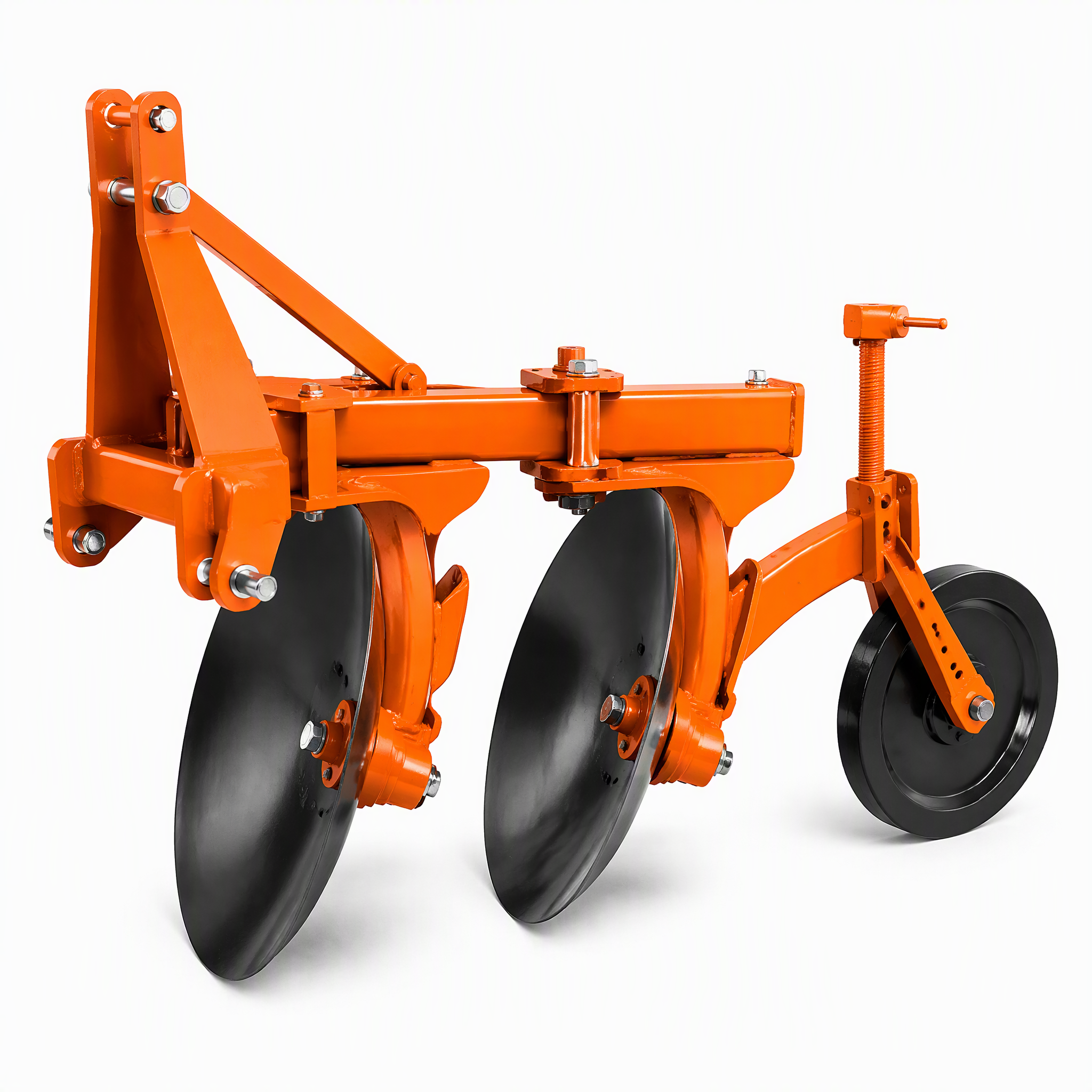
When selecting agricultural equipment, a small plough is a critical tool for effective tillage and soil preparation. As a B2B buyer, you likely have concerns about performance, compatibility with existing machinery, and the overall cost of acquisition. This article will guide you through essential considerations when choosing a small plough, comparing options, understanding cost factors, installation guidance, and common issues you may encounter.

How to Compare Small Plough Options for Optimal Performance

How to Compare Small Plough Options for Optimal Performance

When assessing various small plough models, consider the following criteria for optimal performance:

Performance Specifications: Examine technical parameters like blade angle, furrow width, and soil penetration depth. These specifications directly impact the efficiency of soil turnover and preparation.

Brand Reputation and Reviews: Research manufacturer credentials and customer feedback. Established brands often provide insights into reliability and customer service, which can be critical during the purchasing process.

Cost of Ownership: Beyond the initial purchase price, factor in maintenance costs, parts availability, and overall durability. A lower-cost plough might incur higher long-term costs if it requires frequent repairs or replacements. It's also worth exploring Irrigation Systems for complementary agricultural practices that can affect overall efficiency.

Customization Options: Some manufacturers, like Agripros, offer customization capabilities. This can include modifications to fit specific tractors or operational requirements, ensuring better performance suited to your unique farming conditions.

Availability of Spare Parts: Ensure that spare parts are readily available to minimize downtime in case of repairs. It's advisable to confirm the manufacturer’s support for parts supply over the lifecycle of the product.

Understanding the Cost Factors of Small Plough Acquisition

Understanding the Cost Factors of Small Plough Acquisition

The total cost of acquiring a small plough extends beyond the sticker price. Key factors influencing costs include:

Base Price: The initial cost is influenced by the features, materials, and manufacturing process. Higher-quality materials may lead to a higher upfront cost but can result in lower maintenance expenses.

Shipping and Handling: Depending on your location and the manufacturer’s origin, shipping costs can vary significantly. Ensure to factor these into your total budget.

Customization Costs: If you require specific modifications, discuss these with the supplier upfront. Customization may impact lead times and overall costs, so get a clear understanding before finalizing the order.

Volume Discounts: If you are purchasing multiple units, inquire about bulk pricing. Some manufacturers offer discounts based on order quantities, which can significantly lower your per-unit cost.

Financing Options: Explore financing solutions if the upfront cost is a concern. Some suppliers may offer payment plans or leasing options that could make acquisition more manageable.

Effective Installation Guidance for Your New Small Plough

Effective Installation Guidance for Your New Small Plough

Proper installation is crucial to ensure that your small plough operates effectively. Here are steps to guide you through the process:

Read Manufacturer Instructions: Always start by reviewing the installation manual provided by the manufacturer. This will outline specific requirements tailored to the model you purchased.

Check Compatibility: Before installation, verify that the plough is compatible with your tractor's hitch and hydraulic systems. Misalignment can lead to performance issues and potential damage.

Adjust Settings: Set the plough’s depth and angle according to the manufacturer’s recommendations. Incorrect settings can affect soil turnover and lead to uneven furrows.

Test Run: After installation, conduct a test run in a small area to ensure everything functions correctly. Monitor for unusual vibrations or sounds that may indicate misalignment or installation errors.

Regular Maintenance: Post-installation, establish a maintenance schedule that includes regular checks on wear parts, lubrication, and adjustments as needed to ensure consistent performance.

Common Problems with Small Ploughs and Their Solutions

Being aware of potential issues can help you maintain your small plough in optimal condition. Common problems include:

Worn Blades: Over time, blades can wear down, affecting performance. Regular inspections and timely replacement are essential to maintain effectiveness. Using high-quality materials can prolong blade life.

Soil Compaction: Improper ploughing techniques can lead to soil compaction. Ensure your ploughing depth and technique are appropriate for your soil type. Rotating ploughing patterns can also help mitigate this issue.

Hydraulic Issues: Hydraulic systems may experience leaks or failures, affecting the plough's adjustability. Regularly check hydraulic connections and ensure that all seals are intact.

Inconsistent Furrowing: If your plough is not creating uniform furrows, it could be due to alignment issues or incorrect settings. Regularly calibrate your equipment based on the crop and soil conditions.

Rust and Corrosion: If not properly maintained, metal parts may rust. Store the plough in a dry environment and apply protective coatings during off-seasons to prevent corrosion.

Understanding these common problems and their solutions can help you make informed decisions and ensure the longevity of your small plough, ultimately enhancing your agricultural operations.

What to Consider When Choosing a Small Plough for Your Business

Selecting the right small plough involves evaluating several factors that affect performance and efficiency. Key considerations should include:

Type of Soil: Different soil types (sandy, clay, loamy) may require specific plough designs. For instance, a plough with a wider blade may be suitable for softer soils, while tougher soils may need a reinforced structure to withstand greater resistance.

Plough Size and Weight: The size must be compatible with your tractor or other towing equipment. It's essential to consider the weight as it impacts the plough's effectiveness and the tractor’s pulling capacity.

Material Quality: Plough blades made from high-carbon steel or other durable materials help ensure longevity and resistance to wear and tear. The choice of materials can influence maintenance needs and replacement frequency.

Adjustability: Look for ploughs that offer adjustable settings for depth and width. This versatility allows you to adapt to different cropping systems and soil conditions. Additionally, considering the integration of Cultivators & Tillers may enhance the effectiveness of your ploughing operations.

Certification Standards: Ensure the plough meets industry standards, such as CE or ISO certifications, which indicate compliance with safety and quality regulations.

Frequently Asked Questions

What is the small plough designed for?

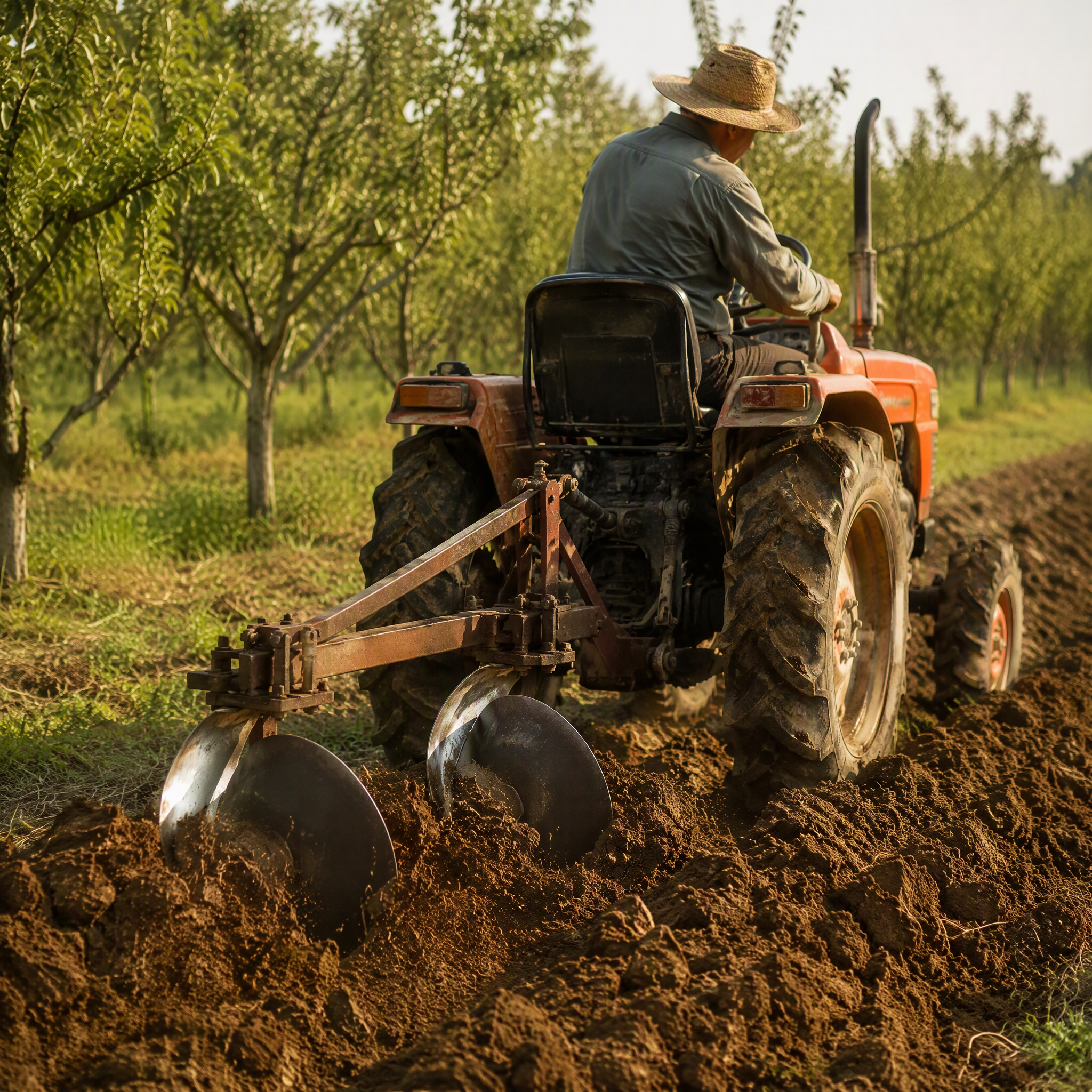
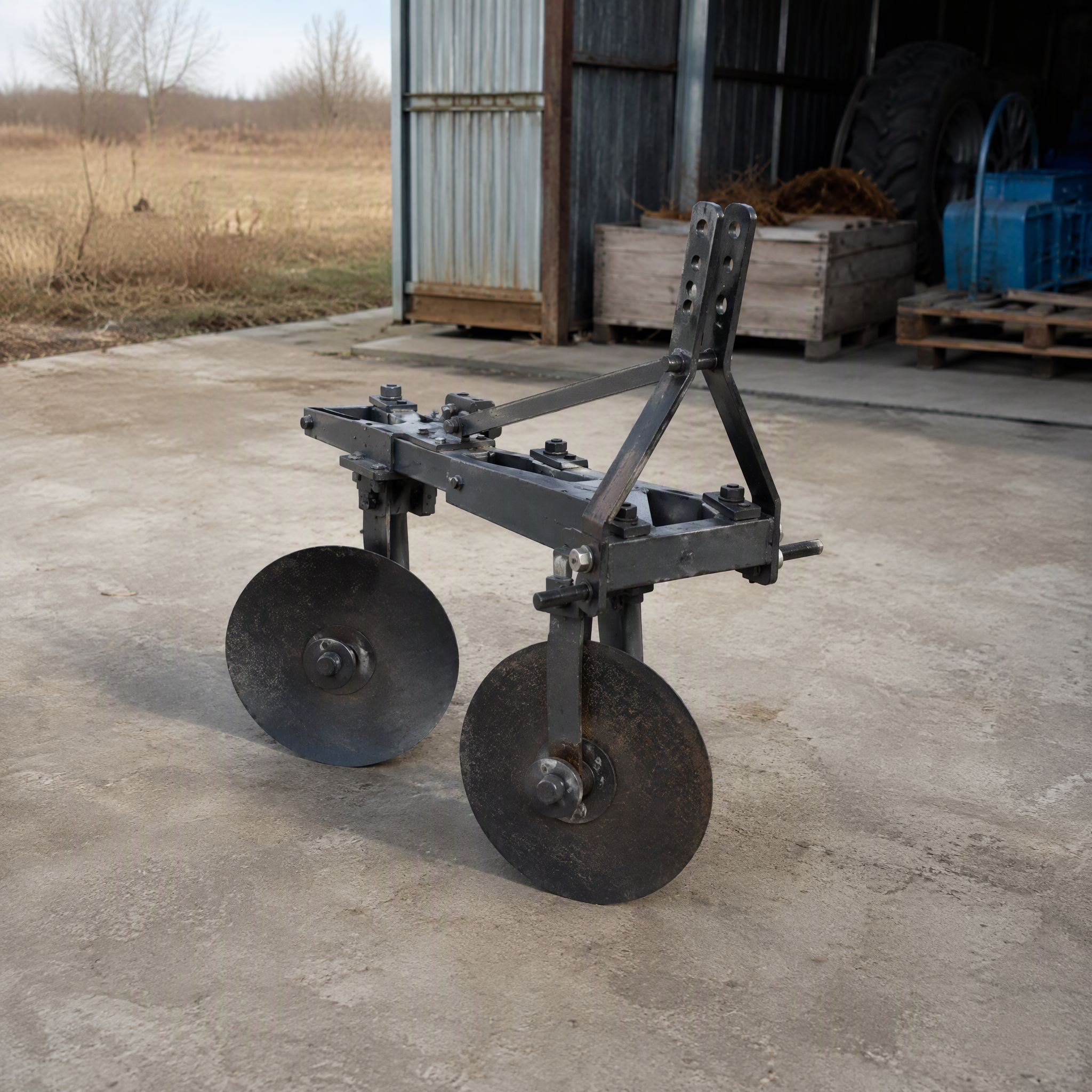
The small plough is designed for light to medium tillage on small farms and plantations, suitable for seedbed preparation, weed control, and soil turning in compact fields.
Our small plough is manufactured under CE and ISO 9001 quality standards, ensuring safety, reliability, and consistent manufacturing processes.
It is compatible with small to medium horsepower tractors (typical range 15–40 HP) and can be adapted to three-point hitch systems; confirm model fit with our sales team.
Regularly clean after use, inspect and tighten bolts, sharpen or replace blades as needed, lubricate pivot points, and store in dry conditions to extend service life.
Yes. We provide tailored adjustments, lifecycle support, and spare parts supply for customers across our served regions. Contact our service team for options and lead times.

Get a Free Quote

Our representative will contact you soon.
0/1000