Mini Tractor Plough Price and Selection Guide

application/mini-tractor-plough-price, application/mini-tractor-plough-price, 
Inquiry
application/mini-tractor-plough-price, application/mini-tractor-plough-price, 
Inquiry

mini tractor plough price

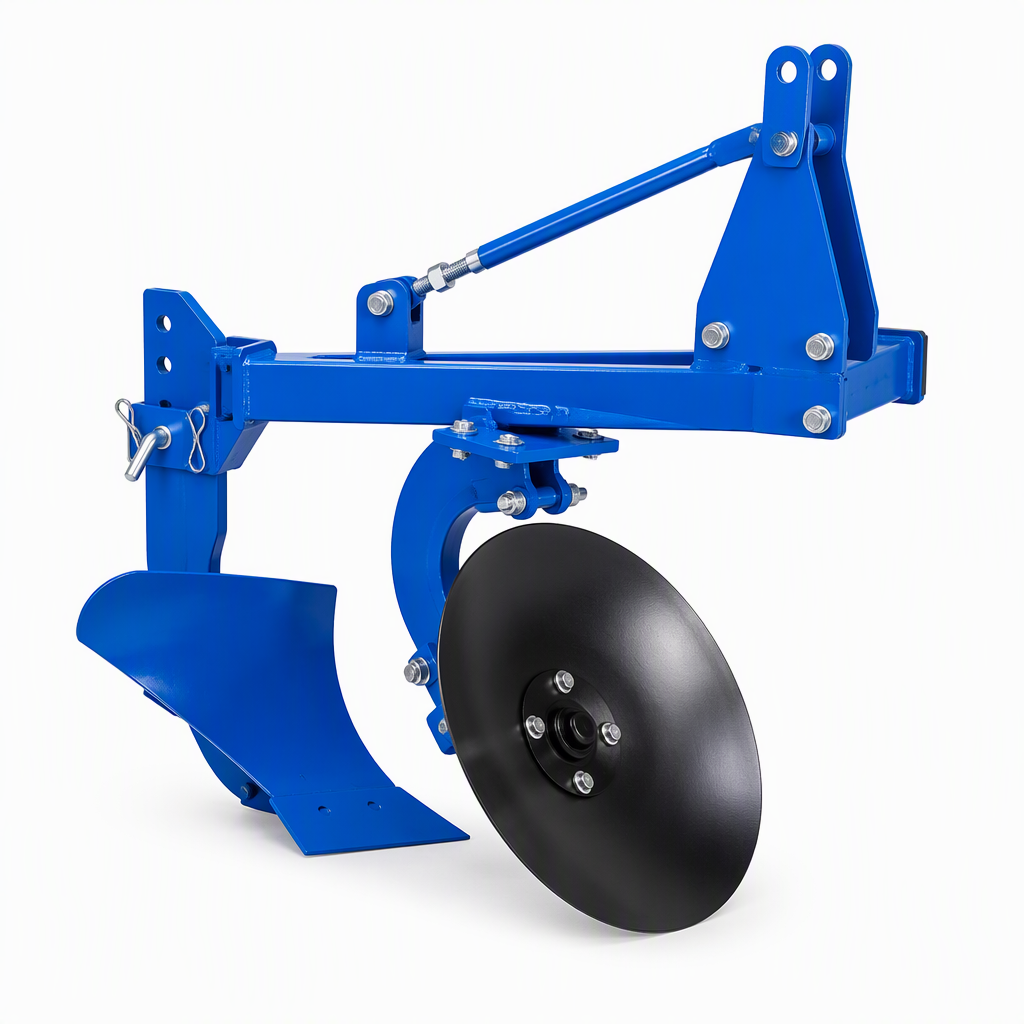
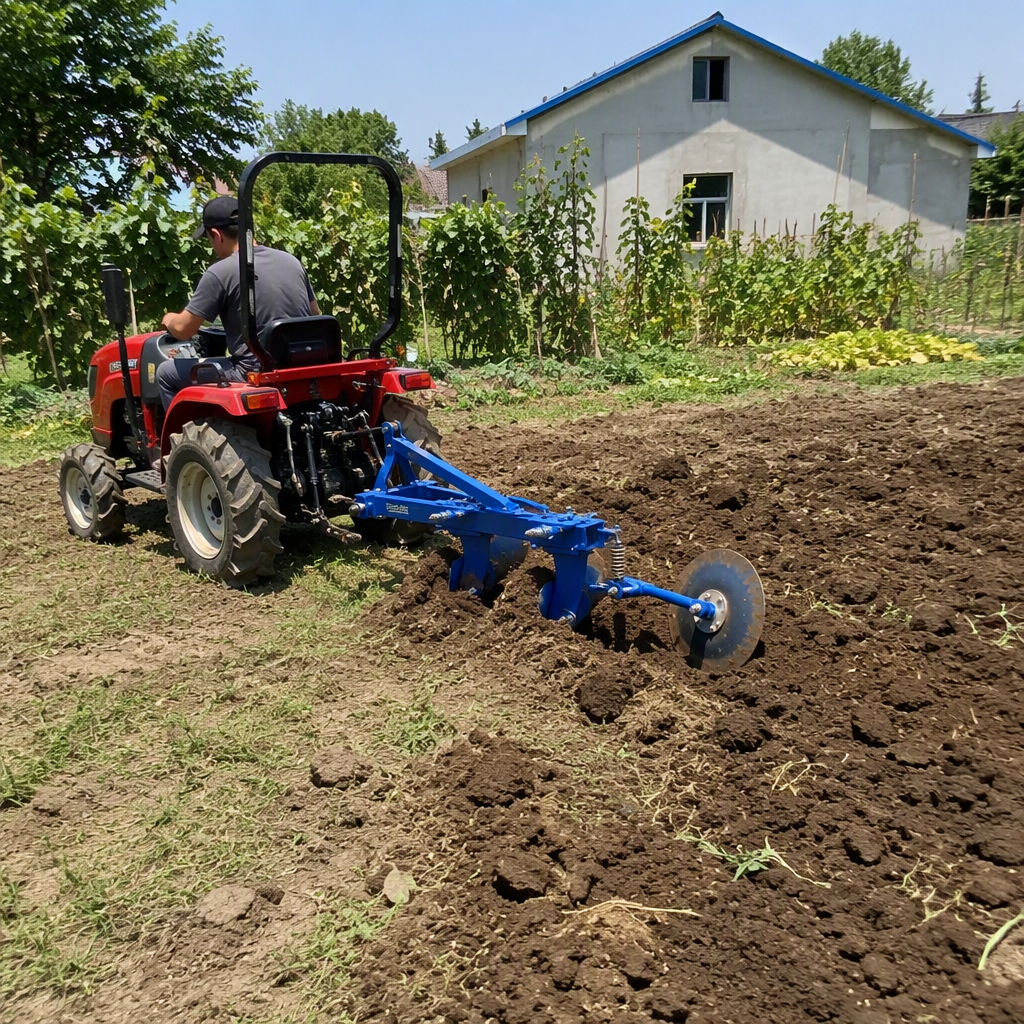
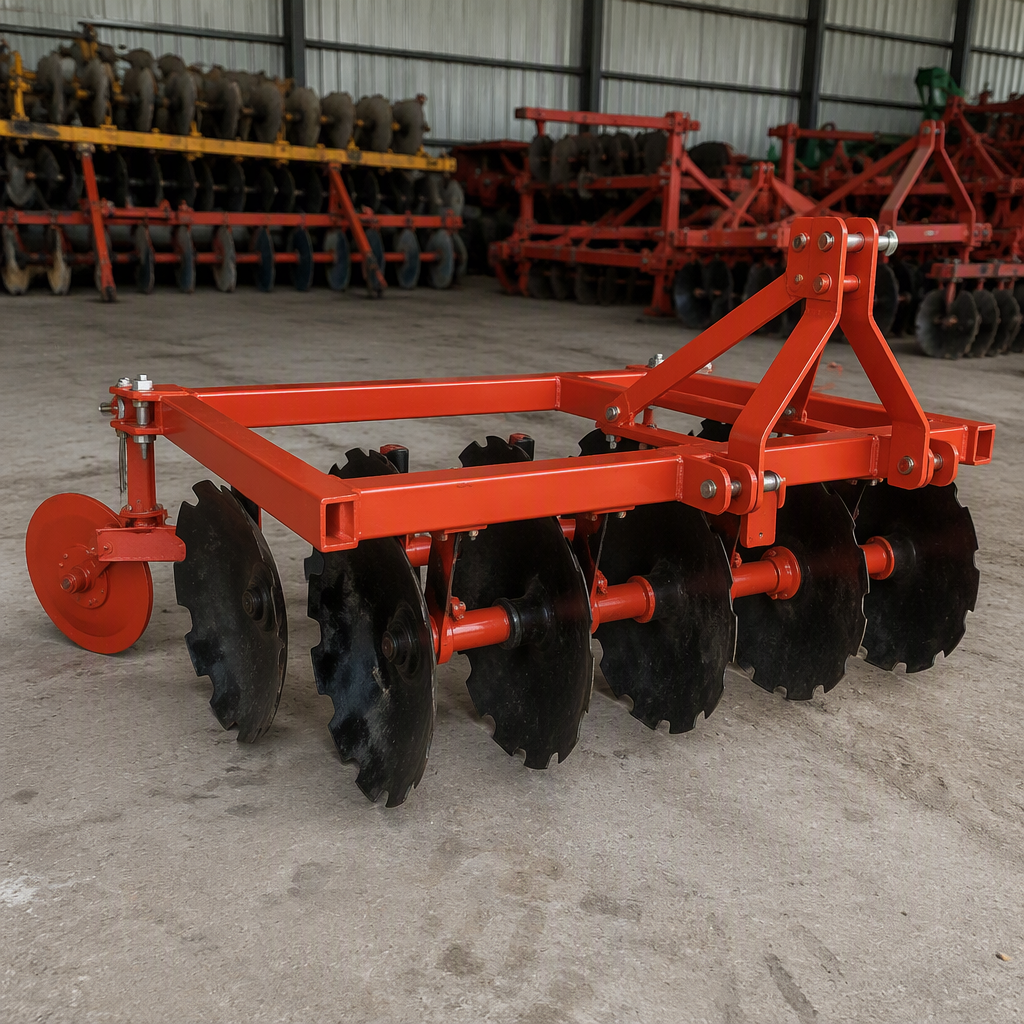
When considering agricultural operations, selecting the right mini tractor plough is vital for effective tillage and soil preparation. Understanding the mini tractor plough price is essential for budget planning, but it’s equally important to evaluate specifications, quality, and supplier reliability. This article aims to guide purchasing managers, distributors, and agricultural engineers through the key factors to consider when selecting a mini tractor plough, helping them make informed decisions.

Cost Factors to Consider When Sourcing Mini Tractor Ploughs

Cost Factors to Consider When Sourcing Mini Tractor Ploughs

When evaluating mini tractor plough price, several cost factors come into play:

Material and Build Quality: The materials used in construction, such as steel or cast iron, can significantly influence the price. Higher-quality materials typically offer better durability and longevity, reducing long-term costs associated with maintenance and replacement.Customization and Features: Customization options, such as specific sizes, attachments, or additional features like hydraulic adjustments, can add to the base price. Buyers should assess whether these features align with their operational needs.Supplier Reputation and Warranty: Working with reputable suppliers often comes at a premium but can provide additional assurance regarding quality and service. A warranty can also be an important cost factor, protecting against defects and ensuring long-term value. Buyers should consider options like the Grain Crusher 3 kW Electric Mill for Poultry Feed Milling for added reliability in their operations.

Buyers should balance these factors to determine overall value rather than just the upfront purchase price.

Common Installation Challenges with Mini Tractor Ploughs

Common Installation Challenges with Mini Tractor Ploughs

Installing a mini tractor plough can present several challenges that buyers should be aware of:

Compatibility with Tractors: Ensuring the plough is compatible with the tractor's hitch system is crucial. Buyers should confirm specifications and seek advice from suppliers if uncertain.Leveling and Calibration: Proper leveling is essential for effective operation. If a plough is not correctly calibrated, it can lead to uneven tillage, impacting soil preparation. It’s advisable to consult the user manual for installation guidance and to perform test runs before full deployment.Hydraulic Connections: If the plough includes hydraulic features, ensuring proper connections and functionality is vital. Buyers should check hydraulic compatibility and perform leak tests to avoid operational issues.

Being aware of these potential challenges can help buyers prepare for smooth installation and operation.

Quality Control Standards for Mini Tractor Plough Manufacturing

Quality Control Standards for Mini Tractor Plough Manufacturing

Quality control is a critical aspect of mini tractor plough manufacturing, ensuring that products meet performance and safety standards. Buyers should consider the following quality assurance practices:

Certifications: Look for manufacturers with recognized certifications such as ISO 9001, which indicates adherence to quality management systems. These certifications can be a sign of reliability and commitment to quality.Material Testing: Reputable manufacturers often conduct material testing to ensure durability and performance under various agricultural conditions. Buyers should inquire about the testing processes and results before purchasing.Final Inspections: Manufacturers should perform thorough final inspections before dispatching products. This includes verifying dimensions, checking for defects, and ensuring that all features function as intended.

Understanding the manufacturer's quality control processes can provide buyers with confidence in their purchase.

Solutions for Common Problems Encountered with Mini Tractor Ploughs

Even with careful planning, issues may arise during the operation of mini tractor ploughs. Here are common problems and their solutions:

Soil Compaction: Over time, repeated use can lead to soil compaction, diminishing soil health. To mitigate this, buyers can alternate between different tillage practices or consider a plough design that minimizes compaction.Wear and Tear on Components: Regular maintenance is crucial for longevity. Buyers should ensure access to replacement parts and follow maintenance schedules recommended by manufacturers to avoid breakdowns.Performance Issues: If a plough is not performing as expected, it may be due to improper settings or tractor compatibility issues. Buyers should regularly check settings and consult the manufacturer for troubleshooting advice.

By being proactive about these common issues, buyers can enhance the efficiency and lifespan of their mini tractor ploughs.

In summary, understanding the intricacies of mini tractor ploughs, from selection to installation and quality control, is essential for making informed purchasing decisions. By considering the factors outlined, buyers can ensure they choose the right equipment to meet their agricultural needs effectively.

How to Choose the Right Mini Tractor Plough for Your Needs

Selecting the appropriate mini tractor plough involves understanding your specific agricultural requirements. Key considerations include the type of soil, the scale of your operations, and the intended use of the plough.

Soil Type and Condition: Different ploughs are designed for various soil conditions, such as clay, sandy, or loamy soils. For instance, a heavier plough may be needed for clay soils to penetrate effectively, while lighter models may suffice for sandy soils.Working Width and Depth: The dimensions of the plough should align with the size of your tractor and the area being cultivated. The working width can impact the efficiency of your tillage operations; a wider plough can cover more ground but may require a more powerful tractor.Design and Features: Features such as adjustable depth settings and the number of shares can affect performance. For example, a plough with multiple shares can improve soil turnover but may also increase the overall weight and require more horsepower. Understanding these factors will help buyers choose a mini tractor plough that meets their operational needs effectively. For instance, the 8-25HP Diesel Walk Behind Tractor Water-Cooled Hand Start Farm Tractor can be a great match for various ploughs due to its versatility.

Frequently Asked Questions

What is the price range for a mini tractor plough?

Prices vary by model and configuration. Typical ranges depend on working width and materials. Contact Agripros for a tailored quote based on your field size and specifications.
Standard quotes exclude international shipping and on-site installation. Agripros can provide door-to-door pricing and installation options as part of the lifecycle service package.
Yes. Agripros equipment is CE certified and manufactured under ISO 9001 quality management standards to meet international safety and performance requirements.
Yes. Agripros offers configurable plough shares, depth settings, and materials to suit clay, loam, or sandy soils. Custom options are provided after assessing field conditions.
Agripros provides spare parts, technical guidance, maintenance plans, and warranty support. We offer lifecycle-based solutions to ensure long-term performance across 40+ supported countries.

Get a Free Quote

Our representative will contact you soon.
0/1000