Choosing Tractors and Rotavators for Wholesale

application/tractor-and-rotavator, application/tractor-and-rotavator, 
Inquiry
Inquiry

tractor and rotavator

When sourcing agricultural machinery, specifically tractors and rotavators, it's crucial to understand the specifications, quality indicators, and supplier reliability. This article will guide purchasing managers, engineers, and other B2B buyers through the essential factors to consider when choosing these machines for wholesale. By addressing common buyer concerns and providing actionable insights, this guide will help you make informed purchasing decisions that align with your operational needs.

How to Evaluate the Quality of Agricultural Machinery Products

How to Evaluate the Quality of Agricultural Machinery Products

Quality evaluation of tractors and rotavators goes beyond surface inspections. Start by reviewing product specifications in detail. Key indicators include the machine's weight, which affects stability and performance, and the engine type, which influences fuel efficiency and power delivery.

Conduct a thorough assessment of the manufacturer's quality control processes. Ask about testing protocols for machinery components and whether they conduct performance tests under real-world conditions. This information will help you gauge the reliability of the equipment.

It's also beneficial to request references or testimonials from existing users. These insights can provide a realistic perspective on the machinery's performance and durability over time. Finally, consider the availability of spare parts and customer support services, which are essential for maintaining the machinery and minimizing downtime.

Where to Source Reliable Suppliers for Tractors and Rotavators

Where to Source Reliable Suppliers for Tractors and Rotavators

Sourcing reliable suppliers for tractors and rotavators involves thorough research. Start by identifying manufacturers with a strong reputation in the agricultural machinery industry. Look for companies that demonstrate extensive experience and a comprehensive product line. Agripros, for example, specializes in providing tailored agricultural solutions, ensuring that their products meet diverse farming needs across 40 countries.

Trade shows and industry exhibitions are excellent venues for connecting with suppliers. These events allow you to see machinery in action and engage directly with manufacturers. Additionally, online B2B platforms can provide access to numerous suppliers, but it’s crucial to vet them carefully. Assess their certifications, product reviews, and customer feedback to ensure they meet your quality standards.

Networking within industry associations can also yield valuable supplier recommendations. Engaging with fellow professionals can provide insights into reliable sources and help you avoid potential pitfalls when selecting suppliers.

Cost Factors to Consider in Bulk Orders of Agricultural Equipmen

Cost Factors to Consider in Bulk Orders of Agricultural Equipmen

Cost is a significant factor when purchasing tractors and rotavators in bulk. Begin by evaluating the unit price, which can vary based on specifications, brand, and supplier. Bulk orders may lead to discounts, but it’s essential to consider the total cost of ownership, including maintenance, fuel consumption, and potential repair costs. For instance, considering machinery like the Grain Crusher 3 kW Electric Mill for Poultry Feed Milling can also affect your overall operational expenses.

Shipping and logistics should also be factored into your budget. Understand the lead times for delivery and whether the supplier can accommodate your timeline. Inquire about the minimum order quantity (MOQ) and whether lower quantities can be arranged if your needs change.

Furthermore, explore financing options. Some suppliers may offer leasing or financing plans that can ease the upfront financial burden while ensuring you receive the necessary equipment. Always review the terms and conditions associated with any financial agreement to avoid unexpected costs.

Step-by-Step

Define Your Needs: Clearly outline the specific tasks your tractors and rotavators will perform, including the expected scale of operations.

Research Suppliers: Compile a list of potential suppliers based on their reputation, product range, and industry experience. Use trade shows, online platforms, and industry networks for research.

Request Specifications: Contact suppliers to request detailed specifications, including performance metrics, material quality, and compliance certifications.

Evaluate Quality: Assess the quality control processes of each supplier. Look for evidence of rigorous testing and customer support availability.

Compare Pricing: Analyze pricing structures, considering unit costs, shipping fees, and potential bulk discounts. Evaluate the total cost of ownership.

Inspect Samples: If possible, request samples or arrange site visits to evaluate the machinery in person. This can provide insights into build quality and operational suitability.

Finalize Orders: Once satisfied with a supplier's offering, finalize your order by confirming specifications, lead times, and payment terms.

Plan for Delivery: Coordinate shipping and logistics to ensure timely delivery, and prepare for the installation and maintenance of the machinery once received.

By following these steps and leveraging the insights shared, you can make informed decisions when selecting tractors and rotavators for your agricultural operations. Engaging with a reputable supplier like Agripros ensures access to quality machinery designed to meet the diverse needs of modern agriculture.

What to Consider When Choosing Tractors and Rotavators for Wholesale

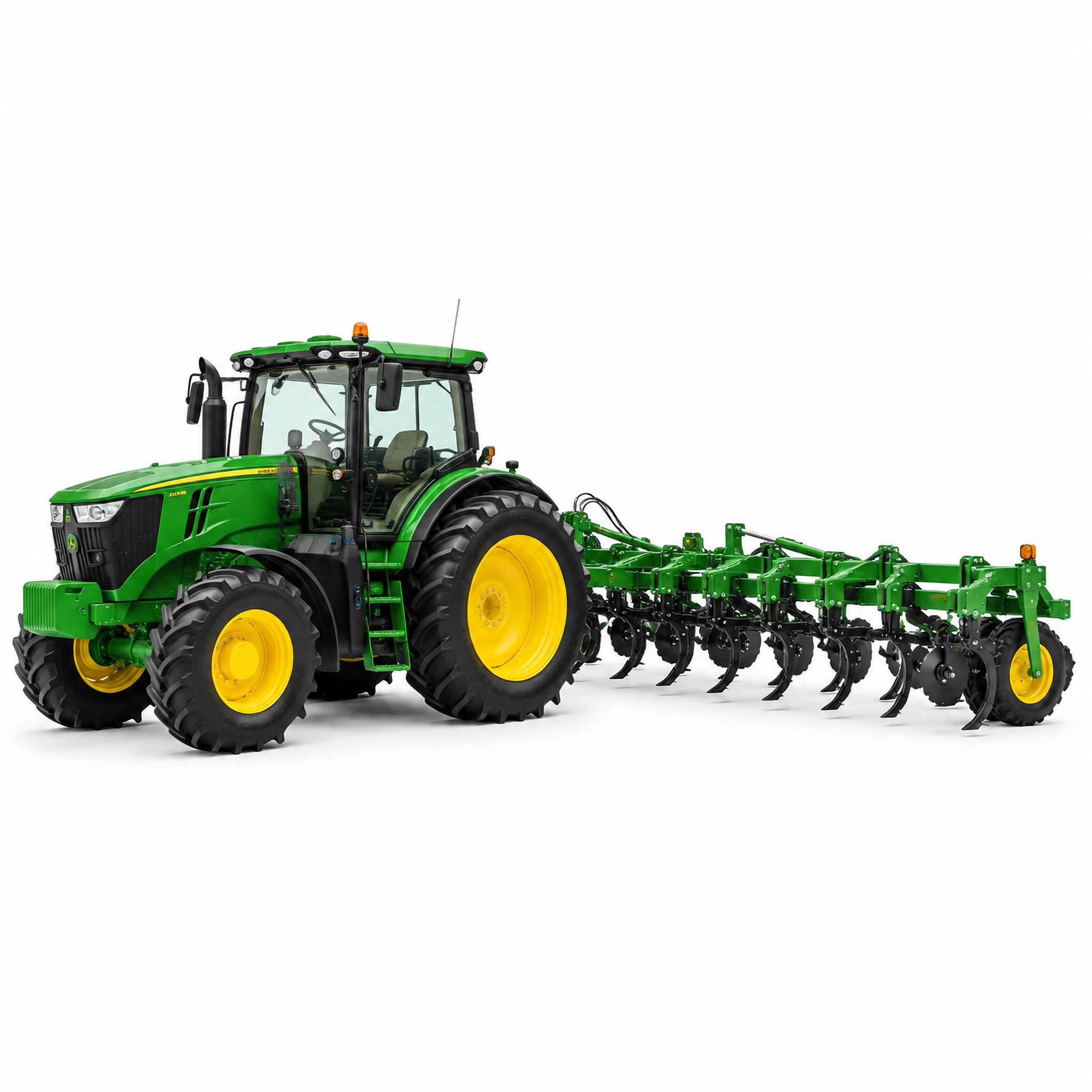
When selecting tractors and rotavators, several factors should be evaluated. First, consider the specific applications for which the machinery will be used. Tractors vary widely in horsepower, size, and functionality, with options available for different types of farming operations, from smallholder farms to large agribusinesses. Identify the primary tasks—tillage, planting, or harvesting—that the machines need to perform. For example, the 8-25HP Diesel Walk Behind Tractor Water-Cooled Hand Start Farm Tractor is designed for diverse applications and can be a great fit for many farming needs.

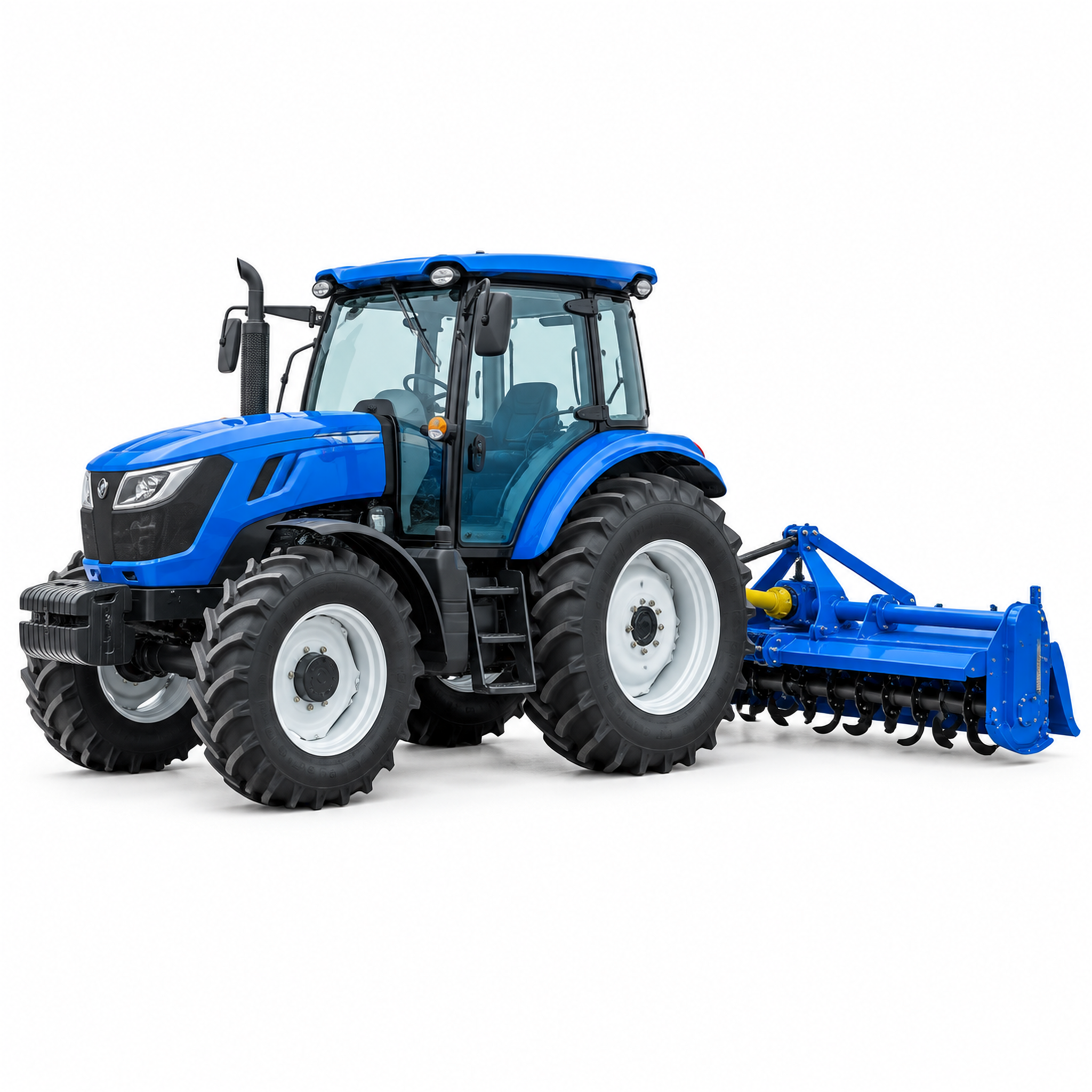
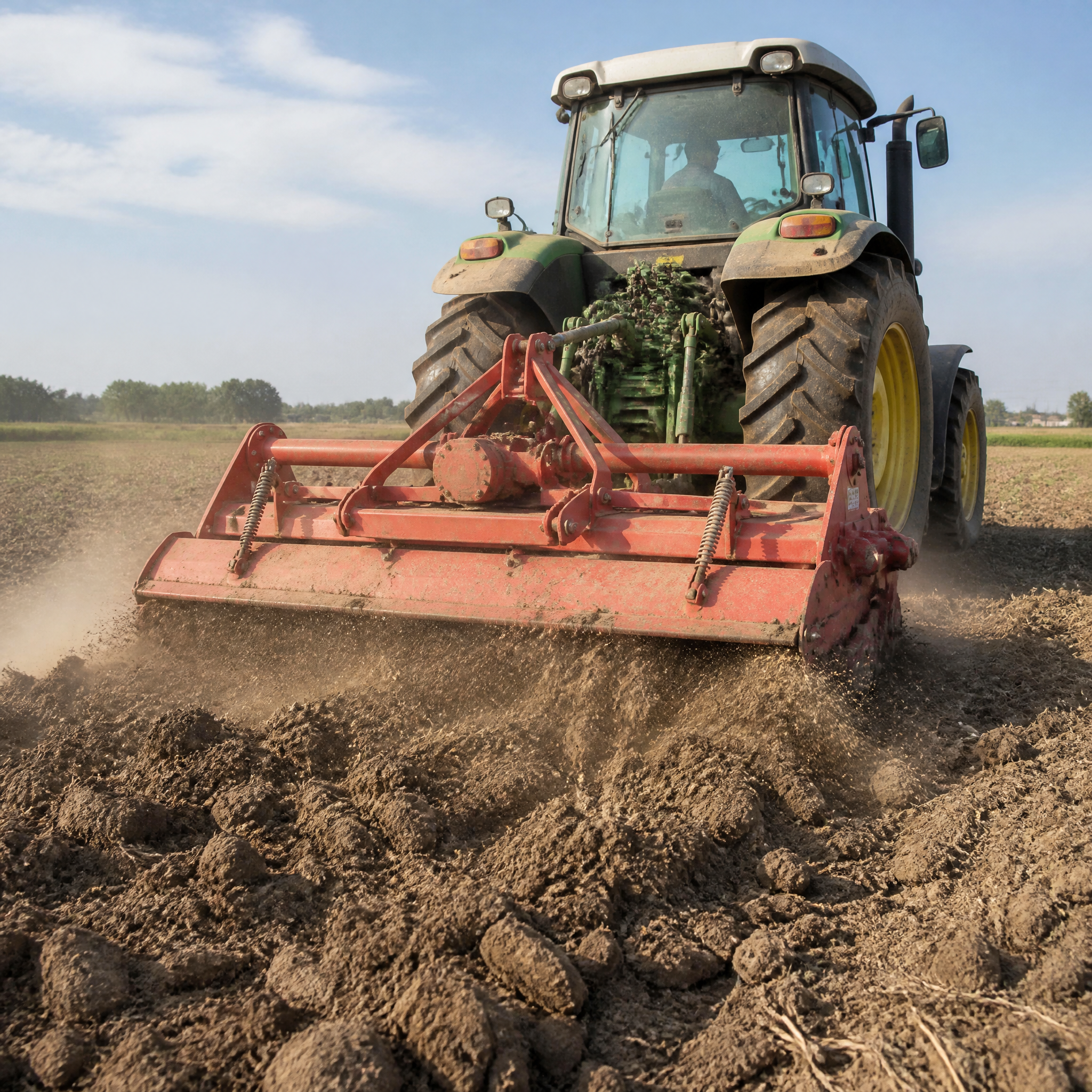
Next, assess the rotavator's specifications, including working width, depth, and the number of tines. These parameters directly influence the efficiency and effectiveness of soil preparation. Consider whether the rotavator's design is compatible with your tractor model, as this can impact performance and longevity.

Material quality is another critical consideration. Look for tractors and rotavators made from durable materials that can withstand the rigors of agricultural use, such as high-strength steel for essential components. Additionally, inquire about manufacturing processes and whether the equipment meets relevant certifications, such as CE or ISO 9001, which can indicate adherence to quality standards.

Get a Free Quote

Our representative will contact you soon.
0/1000

Related product categories