Choosing the Right Tractor Rotavator for Efficiency

application/tractor-rotavator, application/tractor-rotavator, 
Inquiry
Inquiry

tractor rotavator

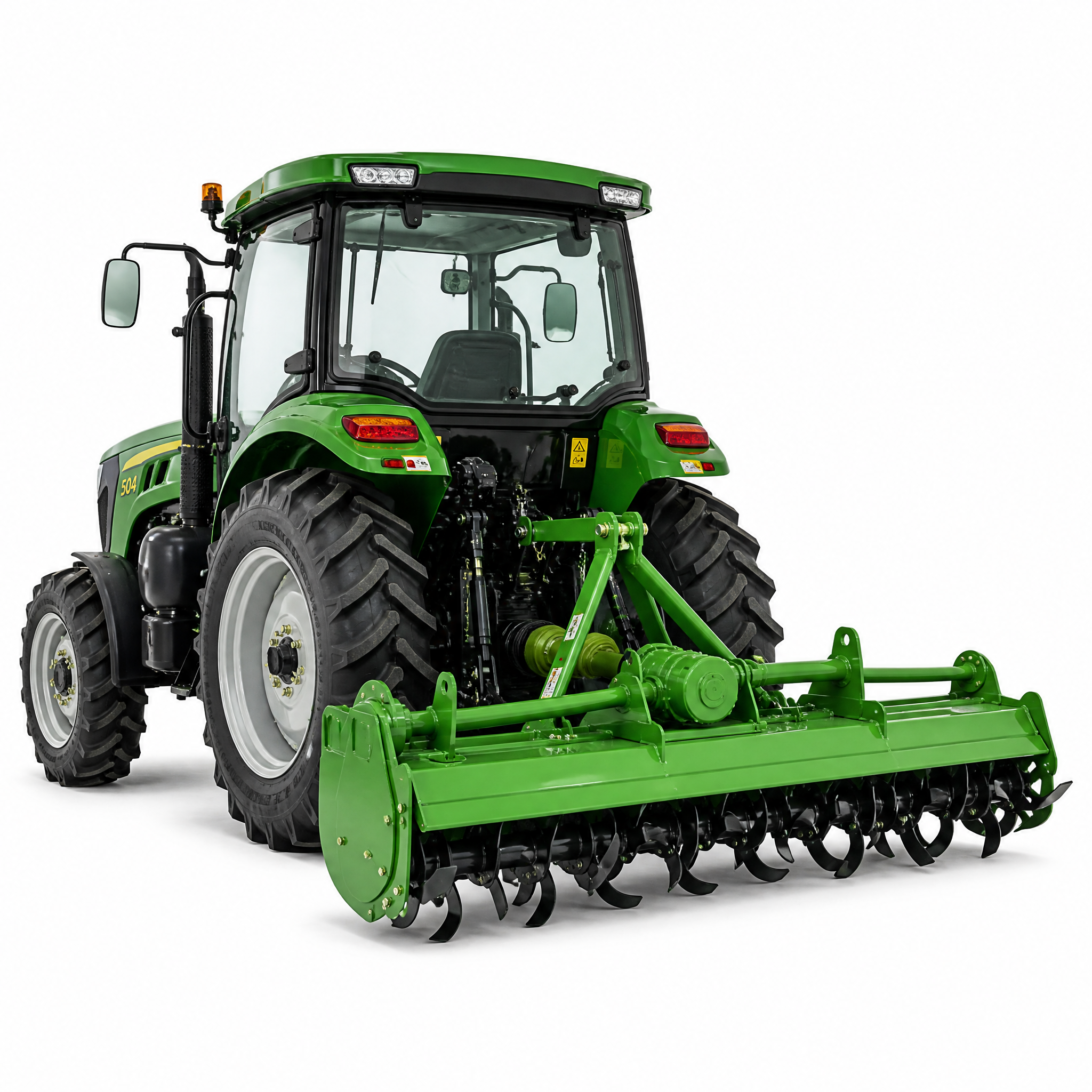
When considering agricultural efficiency, a tractor rotavator is an essential tool for soil preparation, enabling farmers to cultivate land effectively. This equipment breaks up soil, prepares seedbeds, and incorporates fertilizers, making it a vital asset for various agricultural operations. However, purchasing a tractor rotavator involves careful consideration of several factors, including compatibility with existing machinery, specific agricultural needs, and potential operational challenges. This article aims to provide valuable insights for B2B buyers—such as purchasing managers and product managers—helping them make informed decisions when selecting the right tractor rotavator.

Installation Guidance for Optimal Use of Tractor Rotavators

Installation Guidance for Optimal Use of Tractor Rotavators

Understanding the key specifications of a tractor rotavator is crucial for making an informed purchase. Here are some essential specifications to evaluate:

Power Requirements: Check the horsepower needed to operate the rotavator efficiently. Too low a power rating may lead to inadequate performance, while too high can lead to unnecessary strain on your tractor.

Working Width: This is the width of the soil area the rotavator can cover in one pass. A wider working width can enhance productivity but may require a larger tractor.

Blade Configuration: The type and arrangement of blades can affect the effectiveness of soil preparation. Different blade shapes are suited for various soil conditions and desired results.

Weight: The weight of the rotavator can influence stability and depth control. A heavier machine may provide better penetration but can also affect maneuverability.

Material Quality: High-quality materials used in construction, such as high-strength steel, enhance durability and resistance to wear, ensuring longer service life and lower maintenance costs.

Adjustability: Features such as adjustable working depth and angle can enhance the versatility of the rotavator, allowing it to adapt to different soil conditions and crop requirements.

Buyers should confirm these specifications with the manufacturer to ensure that the rotavator will meet their specific needs.

Cost Factors to Consider When Sourcing Tractor Rotavators

Cost Factors to Consider When Sourcing Tractor Rotavators

Like any piece of agricultural machinery, tractor rotavators can present challenges. Here are some common issues and their solutions:

Soil Compaction: If the rotavator is too heavy, it can lead to soil compaction, hindering root growth. To remedy this, consider using a lighter model or adjust the working depth to reduce pressure on the soil.

Inconsistent Tillage: This can occur due to improper blade settings or worn-out blades. Regular maintenance and checks for blade sharpness are vital to ensure uniform soil preparation.

Mechanical Failures: These may arise from inadequate lubrication or poor quality materials. Following a strict maintenance schedule and investing in high-quality equipment, like a Diesel Multicrop Grain Thresher, can significantly reduce the risk of failures.

Incompatibility with Tractors: Ensure that the chosen rotavator is compatible with your tractor's specifications. Consulting with the manufacturer can help clarify compatibility issues.

By addressing these common problems proactively, buyers can enhance the operational efficiency and longevity of their tractor rotavators.

Applications of Tractor Rotavators in Modern Agriculture

Applications of Tractor Rotavators in Modern Agriculture

Finding wholesale deals for tractor rotavators requires research and networking within the agricultural machinery sector. Here are several strategies to locate high-quality equipment at competitive prices:

Direct Manufacturer Relationships: Establishing direct relationships with manufacturers, such as Agripros, can lead to better pricing, insights into new products, and potential bulk discounts.

Industry Trade Shows: Attending agricultural trade shows and exhibitions allows buyers to evaluate equipment firsthand, negotiate deals, and connect with suppliers.

Online Marketplaces: Platforms that specialize in agricultural machinery can provide a wide range of options. However, ensure that you verify the credibility of sellers and the quality of their products.

Local Distributors: Building relationships with local distributors can provide access to wholesale prices and regional support, which is crucial for quick service and maintenance.

Bulk Purchase Agreements: Consider entering into agreements for bulk purchases or long-term contracts with suppliers. This can lead to significant savings and ensure a steady supply of equipment.

By exploring these avenues, buyers can secure cost-effective deals while ensuring they invest in quality tractor rotavators.

Benefits of High-Quality Materials in Tractor Rotavator Design

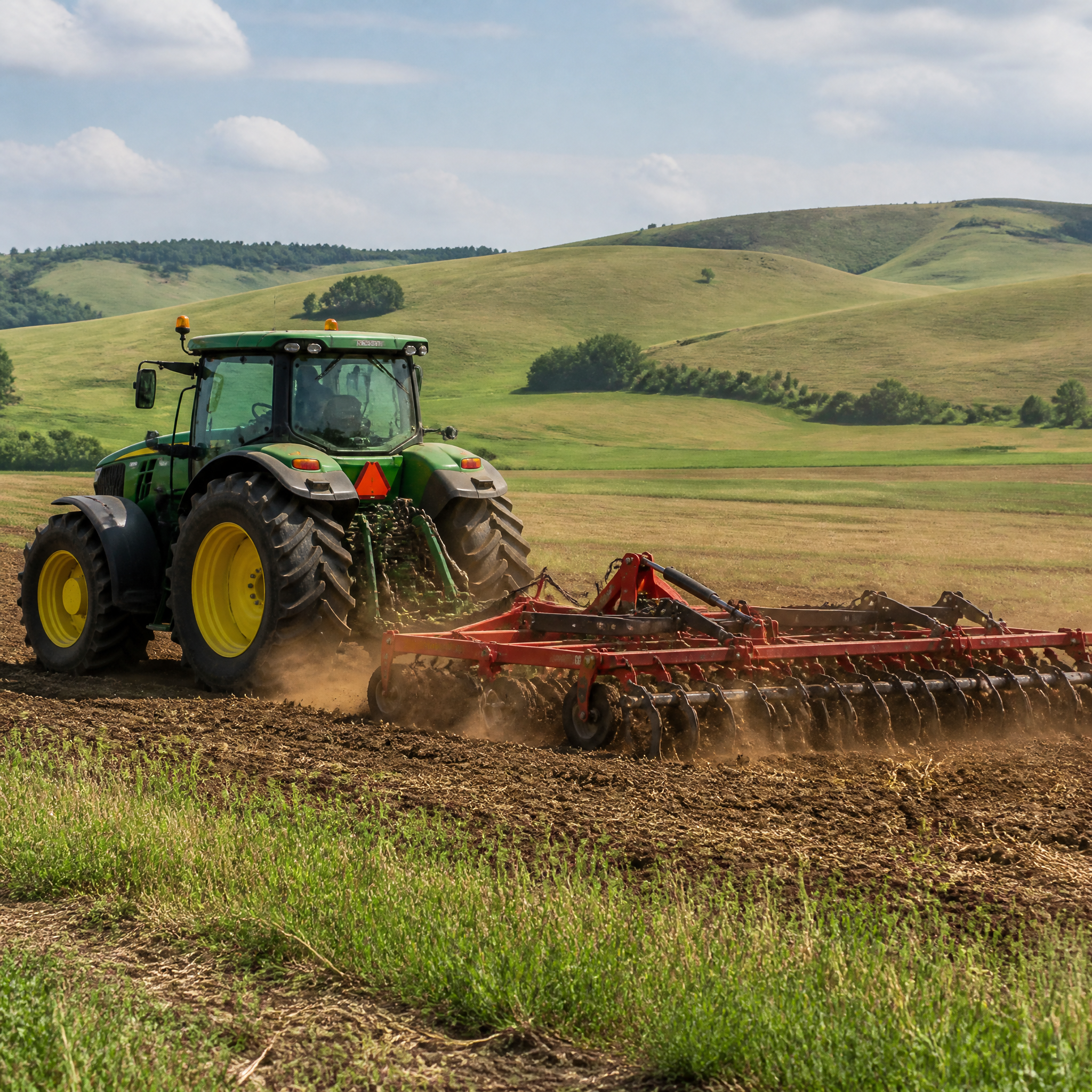
Tractor rotavators serve a variety of applications in agriculture, making them versatile tools for different farming practices. Here are some of the best applications:

Soil Preparation: Rotavators excel in preparing seedbeds by breaking up hard soil and mixing in fertilizers, which is vital for crop establishment.

Weed Control: By tilling the top layer of soil, rotavators can effectively disrupt weed growth, reducing the need for chemical herbicides.

Cover Crop Incorporation: After harvesting, rotavators can help incorporate cover crops into the soil, improving soil health and fertility for the next planting season.

Mixing Soil Amendments: When applying amendments such as compost or lime, rotavators can uniformly mix these materials into the soil, maximizing their benefits.

Field Renovation: For fields needing revitalization, rotavators can help restore soil structure and nutrient levels, preparing the land for a new crop cycle.

Considering these applications can help buyers choose the right tractor rotavator model that best fits their specific farming needs, maximizing productivity and soil health.

By understanding these aspects of tractor rotavators, B2B buyers can make informed decisions that enhance their agricultural operations while ensuring compatibility, efficiency, and long-term value.

How to Compare Tractor Rotavators for Wholesale Purchasing

When selecting a tractor rotavator, several factors should be taken into account to ensure it meets your operational requirements. First, consider the size of the tractor that will be used in conjunction with the rotavator. Compatibility is critical; the rotavator's power requirements must align with the tractor’s horsepower to ensure efficient operation.

Next, assess the soil types and agricultural practices on your farm. Different rotavators are designed for varying soil conditions, from compact clay to loose sandy soils. A rotavator that performs well in one type of soil may falter in another. Additionally, consider the working width and depth capability of the machine. A wider working width can cover more ground efficiently, while adjustable depth settings provide flexibility based on crop needs.

Lastly, evaluate the maintenance requirements and durability of the equipment. Robust construction materials and quality manufacturing processes, such as those seen in products from Agripros, can significantly reduce downtime and repair costs, ensuring that your investment yields long-term benefits.

Frequently Asked Questions

What is a tractor rotavator used for?

A tractor rotavator is used for primary and secondary tillage, breaking up soil, mixing residues, and preparing seedbeds efficiently for planting across farms and plantations.
Our rotavators are compatible with a wide range of tractors by PTO power class. Provide your tractor's PTO HP and shaft specs for a tailored match.
Agripros rotavators are CE certified and manufactured under ISO 9001 quality systems to ensure reliability and consistent performance.
Yes. We supply genuine spare parts, maintenance guidance, and lifecycle-based technical support to customers across 40 countries.
Yes. We provide tailored configurations—working width, rotor type, and depth settings—based on soil conditions and crop requirements to optimize results.

Get a Free Quote

Our representative will contact you soon.
0/1000

Related product categories