Essential Guide to Tractor Harrows for B2B Buyers

application/tractor-harrow, application/tractor-harrow, 
Inquiry
Inquiry

tractor harrow

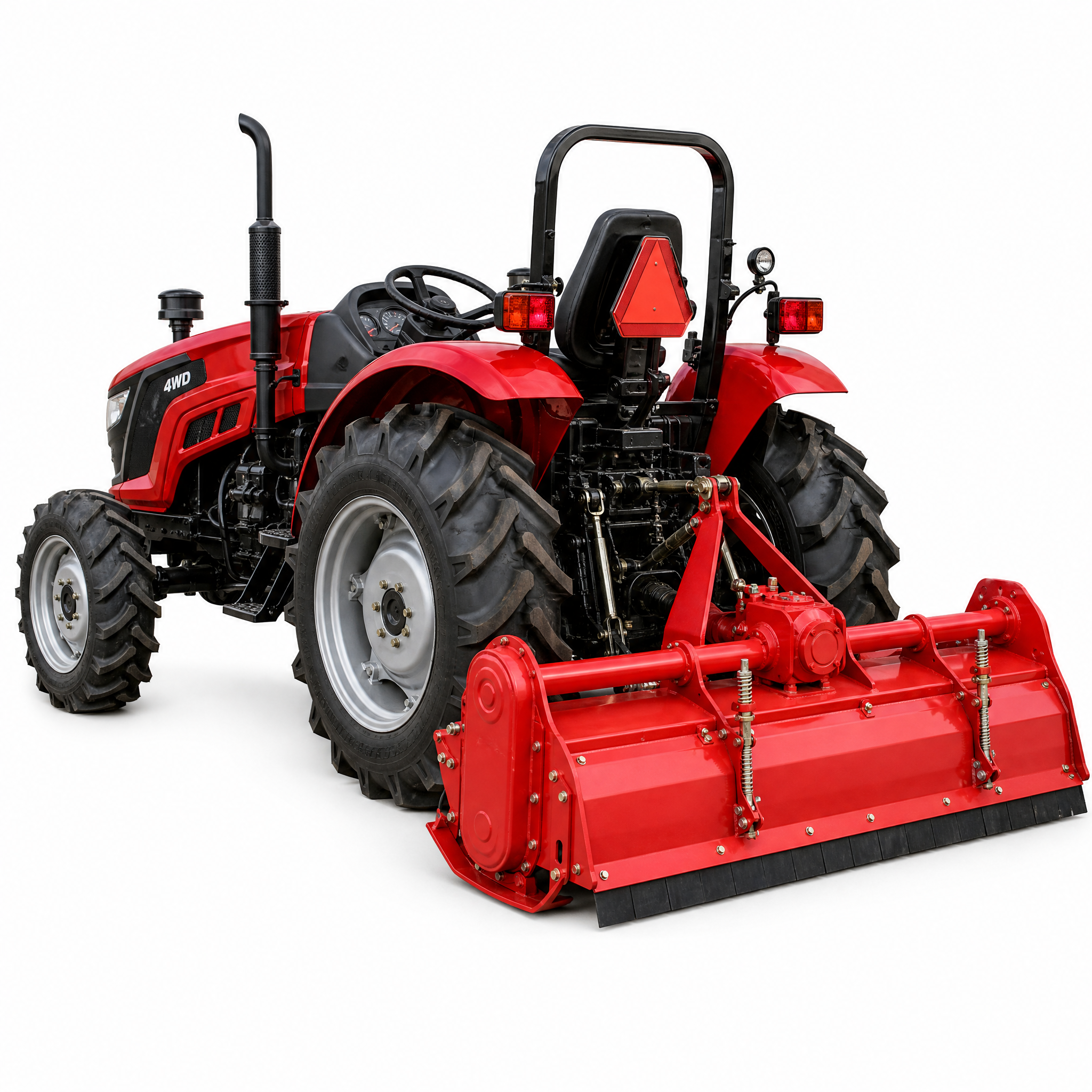
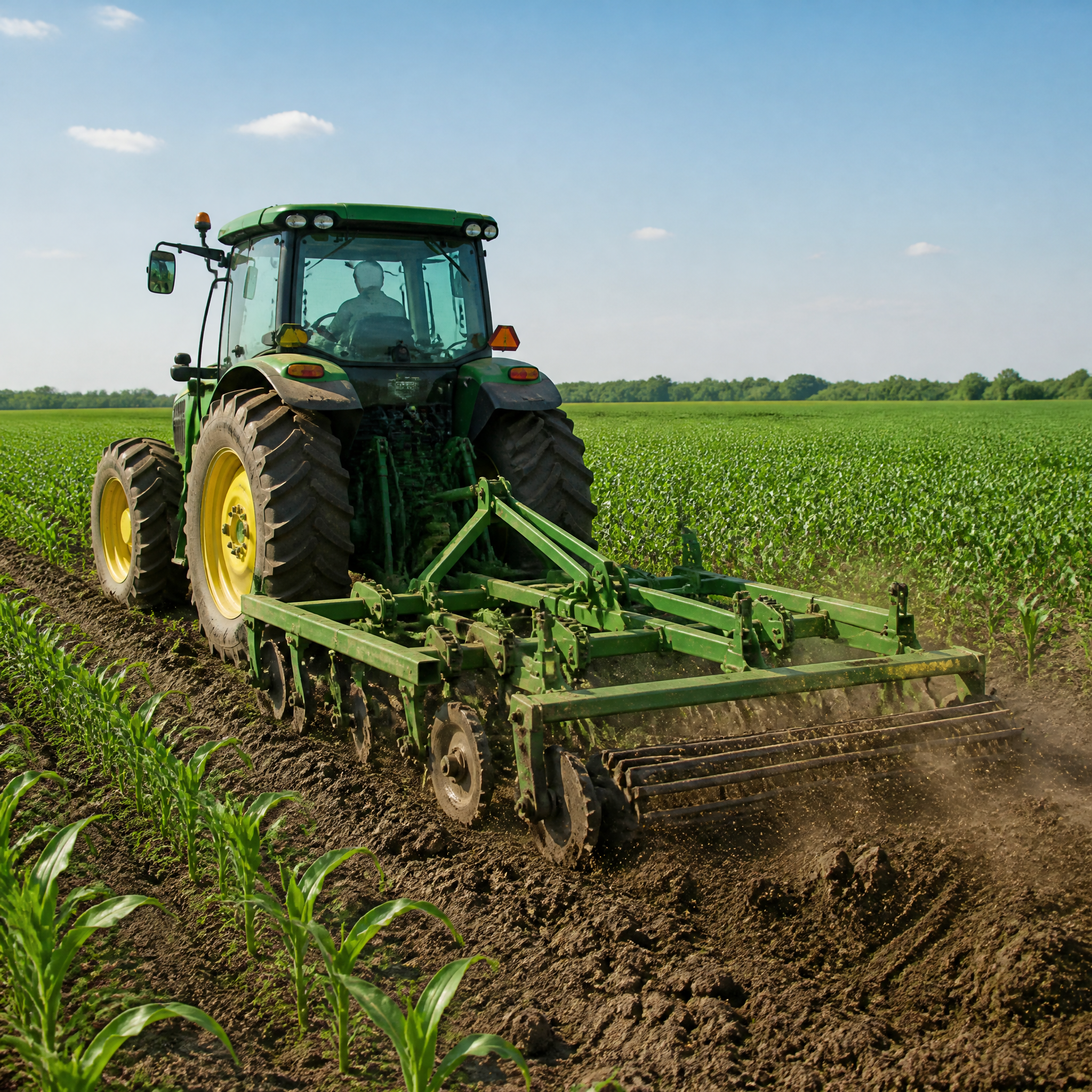
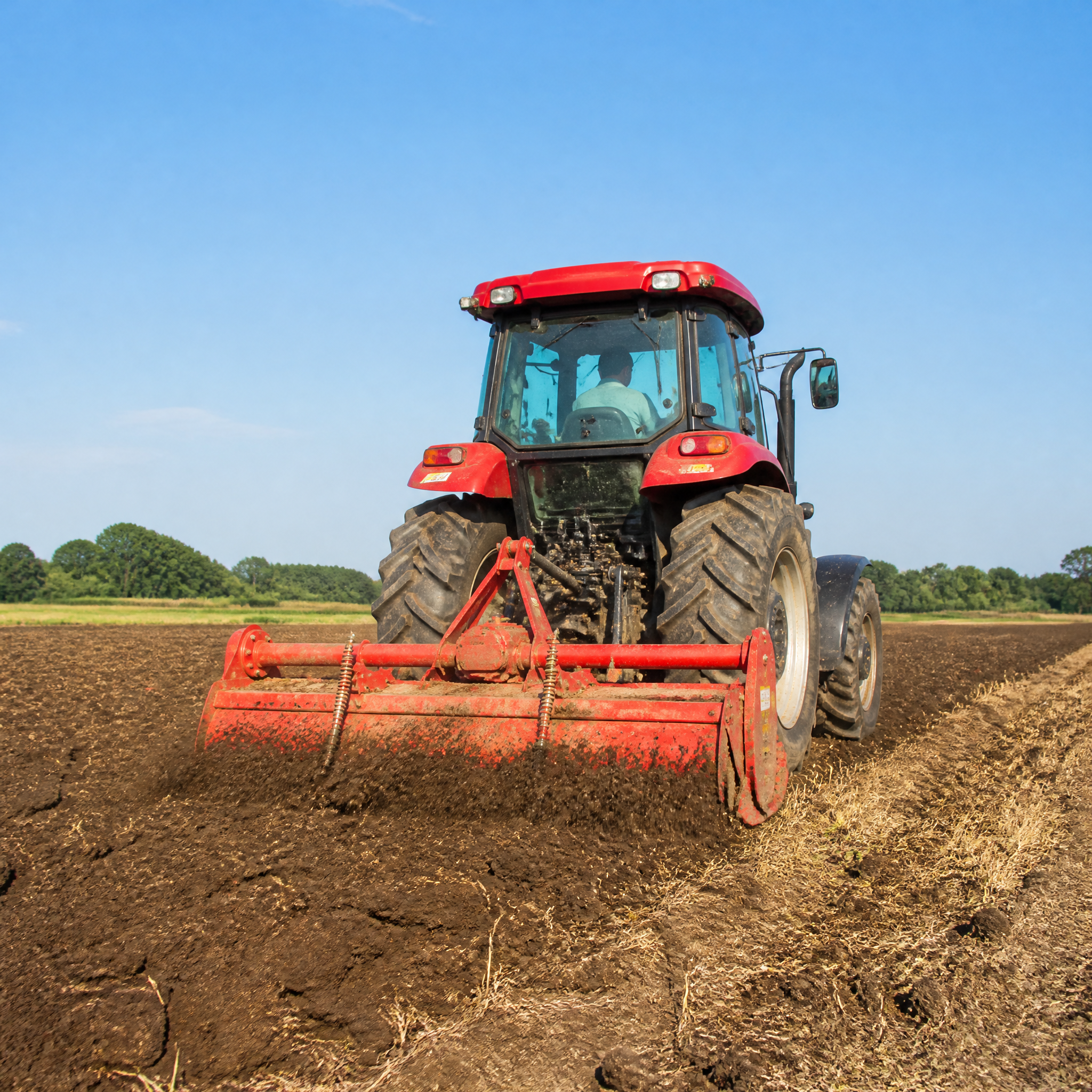
Understanding the intricacies of purchasing tractor harrows is pivotal for B2B buyers in the agricultural machinery sector. As crucial implements for soil tillage, tractor harrows help prepare fields for planting by breaking up soil and leveling surfaces. Buyers often seek to ensure they choose equipment that meets their specific agricultural needs and operational requirements. This article will delve into essential considerations for purchasing tractor harrows, addressing cost factors, installation queries, comparison strategies, common problems, and sourcing tactics to help make informed decisions.

Common Installation Questions for Tractor Harrow Equipmen

Common Installation Questions for Tractor Harrow Equipmen

Installation of tractor harrows can raise various questions among buyers. One prevalent concern is compatibility with existing tractors. Buyers should verify the harrow's mounting system—whether it is a three-point hitch or another mechanism—to ensure it aligns with their tractor's specifications. Understanding the tractor's horsepower ratings is also essential, as it influences the harrow’s performance and effectiveness. Additionally, buyers might want to consider using various tractors that can complement their harrows effectively.

Another common query relates to the setup process. Buyers may need to consider the time and tools required for installation. Many manufacturers provide detailed installation guides, but potential buyers should assess whether they have the necessary resources or if professional assistance is required.

Finally, buyers should inquire about any required adjustments after installation, such as setting the appropriate working depth and angle. Proper setup is crucial for optimizing performance and achieving the desired soil conditions for planting.

How to Compare Tractor Harrows for Bulk Purchasing Decisions

How to Compare Tractor Harrows for Bulk Purchasing Decisions

When making bulk purchasing decisions for tractor harrows, it’s vital to establish a comprehensive comparison framework. Start by evaluating the specifications of different harrow models, focusing on attributes such as working width, weight, and the type of soil they are best suited for. This information is typically available in product datasheets provided by manufacturers.

Next, consider the manufacturer’s reputation and track record. Look for certifications such as CE and ISO 9001 that validate the quality and reliability of the equipment. Requesting references or case studies from other buyers can provide useful insights into actual performance and durability in field conditions.

Pricing comparisons should also extend beyond the upfront costs to include warranty terms, maintenance support, and the availability of spare parts. Understanding total cost of ownership will help buyers identify which products provide the best long-term value. Furthermore, exploring options for processing machines might also be beneficial to enhance overall agricultural operations.

Lastly, if customization options are available, assess how different manufacturers can tailor their products to meet specific agricultural needs. This consideration can enhance operational efficiency and effectiveness in the field.

Expert Solutions for Common Tractor Harrow Problems

Expert Solutions for Common Tractor Harrow Problems

Despite their reliability, tractor harrows can encounter a range of problems that may affect performance. One common issue is uneven soil tillage, which can arise from improper adjustment of working depth or angle. Buyers should ensure their harrows are set according to the specific soil conditions and crop requirements to achieve optimal results.

Another frequent concern is wear and tear on the harrow's components, particularly the tines or discs. Buyers should be proactive in scheduling regular maintenance checks to identify signs of wear early. This practice includes inspecting for damage, ensuring all moving parts are lubricated, and confirming that fasteners are secure.

Lastly, issues with compatibility can arise, particularly with older tractors. Buyers should confirm that their tractors can handle the harrow's specifications, including weight and required horsepower. Working closely with the manufacturer to understand compatibility can mitigate problems before they occur.

Reliable Sourcing Strategies for Wholesale Tractor Harrow Purchases

Sourcing tractor harrows for wholesale purchases requires strategic planning to ensure reliability and quality. Start by identifying reputable manufacturers with a strong presence in the agricultural machinery market. Researching their production capabilities, quality control processes, and customer feedback can help assess their reliability.

Engaging in direct communication with suppliers can yield valuable insights into lead times, minimum order quantities (MOQs), and customization options. Building a strong relationship with manufacturers can also facilitate better negotiation terms and ongoing support for future orders.

Consider attending agricultural trade shows and industry events to meet potential suppliers face-to-face and discuss specific requirements. These platforms offer opportunities to examine products firsthand and gather comprehensive information.

Finally, always request samples before committing to large orders. This approach allows buyers to verify the harrow's performance and quality, ensuring it meets their operational standards. By implementing these sourcing strategies, buyers can enhance their procurement processes and ensure successful purchases.

Cost Factors to Evaluate When Buying Tractor Harrows

When evaluating the cost of tractor harrows, several factors come into play. First, consider the type of harrow being purchased—disc harrows, tine harrows, or spring harrows each have distinct pricing structures based on their design and functionality. The size and working width of the harrow also impact cost, as larger models often come with higher price tags due to increased material use and production complexity.

Material selection plays a significant role in pricing as well. High-quality steel components are generally more durable but may increase upfront costs. Additionally, features such as adjustable working depth and folding mechanisms can add to the price but may enhance efficiency and operational flexibility. Buyers should also factor in the overall lifecycle cost, including maintenance and potential repairs, to accurately assess the value of their investment.

Lastly, consider additional expenses such as shipping, customs duties (for international purchases), and any necessary attachments or modifications to ensure compatibility with existing equipment. Being aware of these cost factors can help in negotiating better terms and making informed purchasing decisions.

Get a Free Quote

Our representative will contact you soon.
0/1000