Choosing the Right Tractor and Harrow for Farming

application/tractor-and-harrow, application/tractor-and-harrow, 
Inquiry
Inquiry

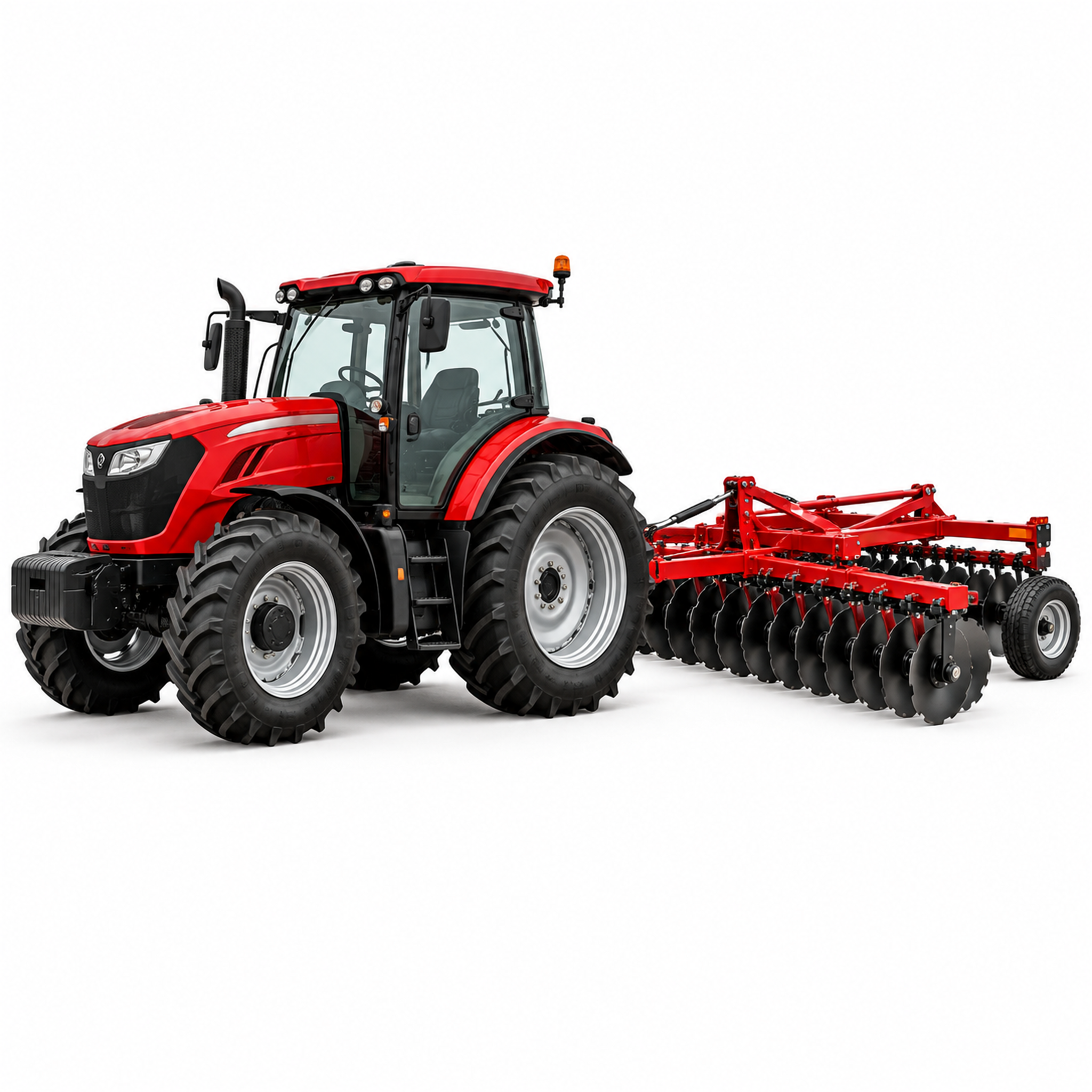
tractor and harrow

When it comes to modern agricultural practices, tractors and harrows play a pivotal role in ensuring efficient tillage, seeding, and soil preparation. Choosing the right tractor and harrow can significantly impact productivity, soil health, and ultimately the yield of your crops. This article will delve into the essential considerations for sourcing tractors and harrows, addressing common buyer concerns such as specifications, cost factors, potential problems, and optimal applications, helping you make informed purchasing decisions.

Key Specifications to Consider When Sourcing Tractors and Harrows

Key Specifications to Consider When Sourcing Tractors and Harrows

When sourcing tractors and harrows, several key specifications should be evaluated:

Horsepower: This affects the tractor's ability to perform under load. Ensure the horsepower is adequate for the harrow’s size and the terrain.

Weight and Dimensions: Both the tractor and harrow must be compatible in size and weight to prevent issues during operation. The harrow should be able to effectively cover the width of the tractor's path.

Build Quality and Materials: Look for durable materials that can withstand harsh farming conditions. Steel components, for instance, offer longevity but may increase weight, which can affect maneuverability.

Operating Depth and Adjustment Features: Adjustable operating depths in harrows allow for versatility in soil preparation. Consider features that enable easy adjustments to suit different soil types and conditions.

Tillage Type: Different tillage practices—such as conventional tillage, reduced tillage, or no-till—will dictate the type of harrow required. Understanding your tillage approach will guide your selection.

Understanding the Cost Factors in Tractor and Harrow Acquisition

Understanding the Cost Factors in Tractor and Harrow Acquisition

The acquisition cost of tractors and harrows can vary widely based on several factors:

Initial Purchase Price: This varies based on brand, specifications, and whether the equipment is new or used. New equipment generally comes with warranties and the latest technology but at a higher cost.

Maintenance Costs: Consider the long-term maintenance needs. Equipment with easily replaceable parts and accessible service points may incur lower maintenance costs.

Operational Costs: Fuel efficiency and the type of fuel required (diesel vs. gasoline) can impact operational costs. Understanding the average fuel consumption can help in calculating long-term expenses. You might want to consider a Gasoline Water Pump to optimize your irrigation needs.

Financing Options: Many suppliers offer financing options that can spread the cost over time, making high-quality equipment more accessible.

Resale Value: Some brands and models retain higher resale values. Consider the potential depreciation of the equipment when making your purchase.

Common Problems with Tractors and Harrows and Their Solutions

Common Problems with Tractors and Harrows and Their Solutions

Throughout the lifecycle of tractors and harrows, several common issues may arise:

Mechanical Failures: Regular maintenance and adherence to service schedules are crucial. Ensure that you have a reliable service provider for repairs and replacements.

Soil Compaction: Overuse of heavy equipment can lead to soil compaction, adversely affecting crop yields. Consider using lighter harrows or rotating equipment to mitigate this issue.

Incompatibility Issues: Buyers sometimes overlook compatibility between the tractor and harrow. Always verify that the equipment can work together effectively.

Worn Components: Regular inspections are vital to identify wear and tear, especially on harrow tines or discs, which may need replacement after heavy use.

Poor Performance in Specific Soil Conditions: Some harrows perform better in certain soil types. Understanding your soil composition will help you select the right harrow.

Optimal Applications of Tractors and Harrows in Farming Practices

Tractors and harrows are essential in various agricultural applications.

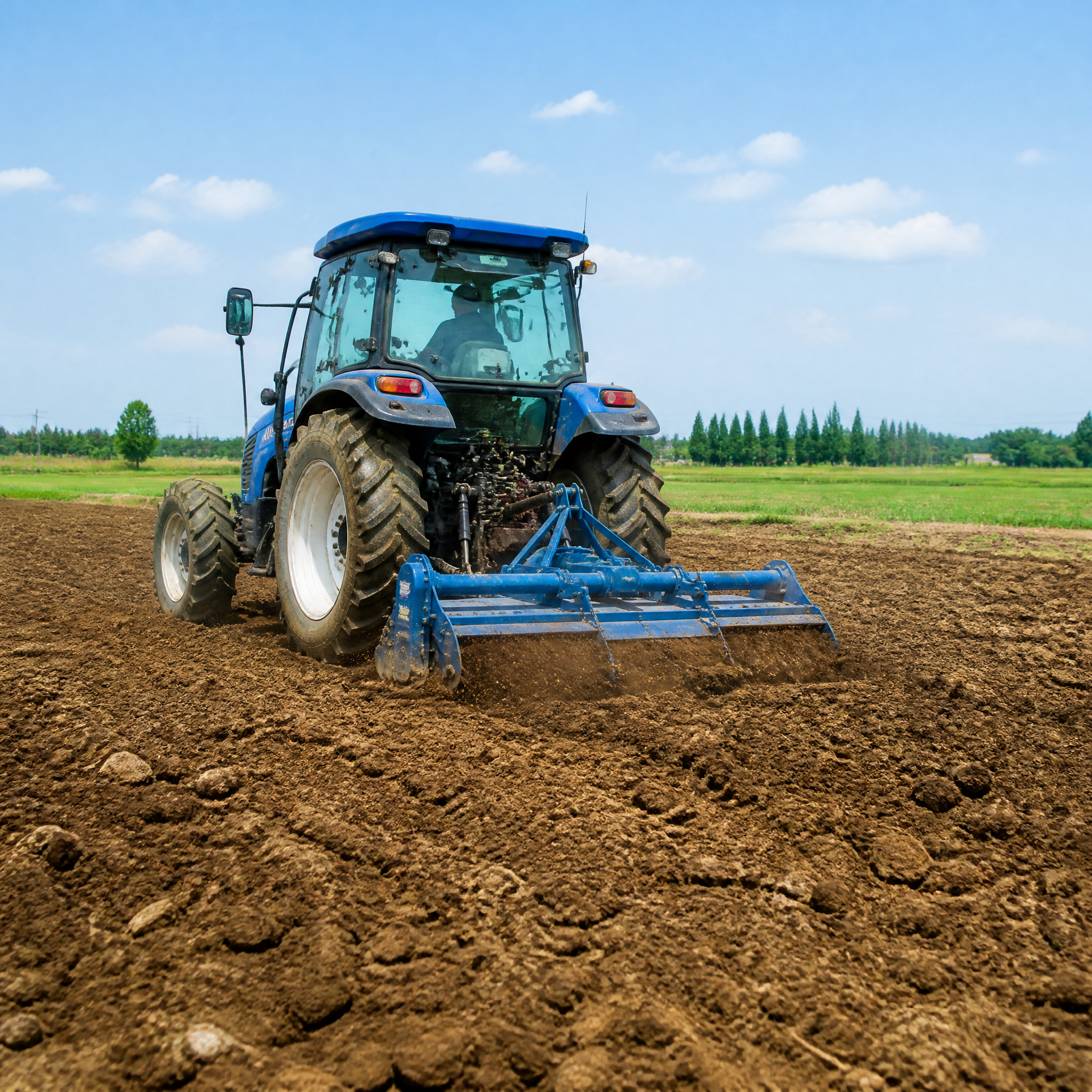
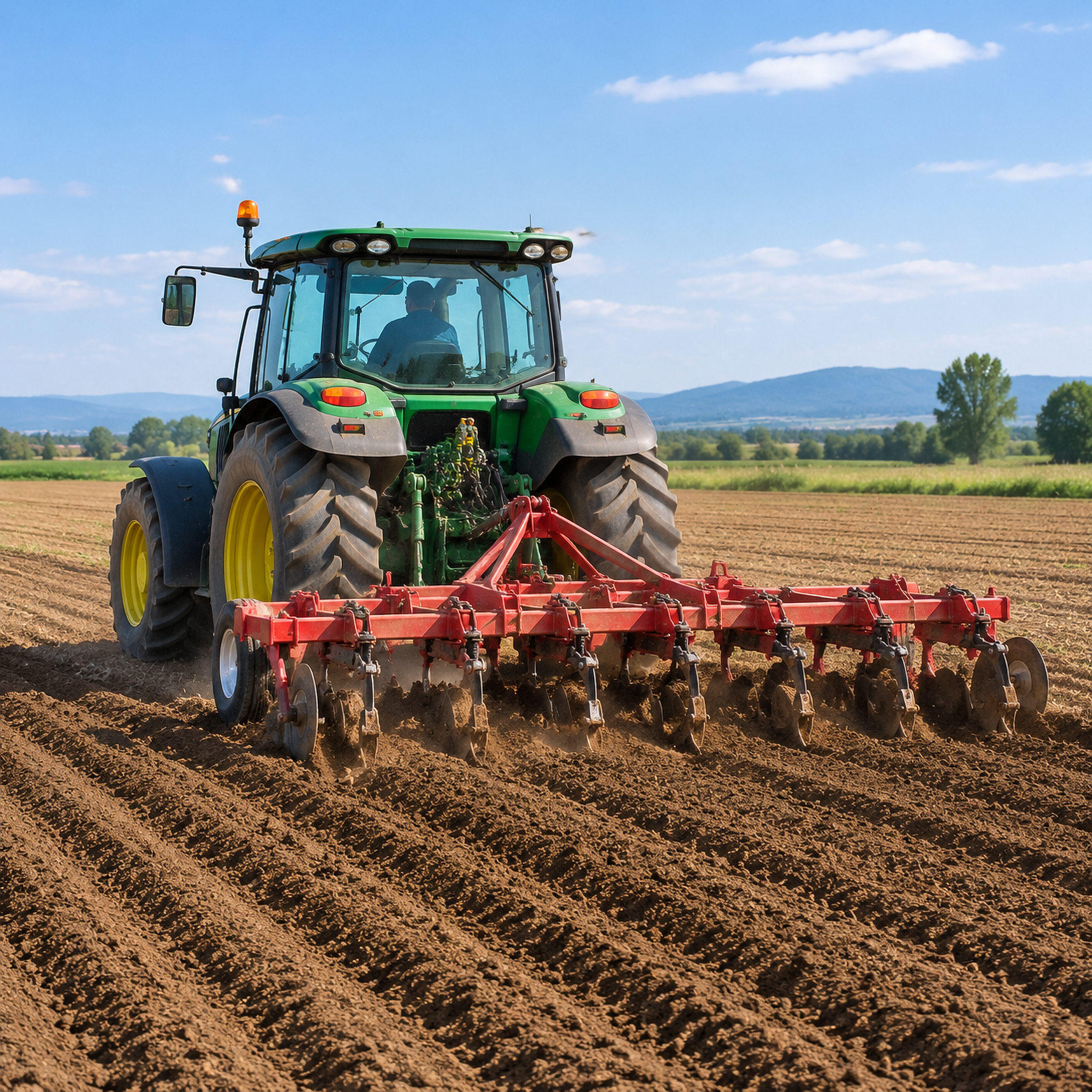
Tillage: Primary tillage prepares soil for planting by breaking up compacted layers and turning over the soil, while secondary tillage refines the seedbed. Harrows play a critical role in this process by leveling the soil and breaking down clumps.

Seedbed Preparation: A well-prepared seedbed is vital for optimal crop growth. Harrows help achieve the desired soil texture and depth for effective seed placement.

Weed Control: Harrows can be used to manage weeds by disrupting their growth patterns, which is especially beneficial in organic farming practices.

Soil Aeration: Properly timed tillage with harrows can improve soil aeration, enhancing water infiltration and root development.

Post-Harvest Operations: After harvesting, harrows can help incorporate crop residues back into the soil, promoting nutrient recycling and improving soil health.

By understanding these applications, you can maximize the effectiveness of your tractor and harrow combination, ultimately leading to better crop yields and farm productivity.

In summary, choosing the right tractor and harrow involves careful consideration of specifications, costs, and applications. By paying attention to compatibility, maintenance needs, and operational efficiency, buyers can make informed decisions that enhance their agricultural practices.

How to Choose the Right Tractor and Harrow for Your Operations

Selecting the appropriate tractor and harrow for your operations begins with understanding the specific requirements of your farming practices. Key factors to consider include the size of your farmland, the type of soil, and the crops you intend to cultivate. For instance, larger fields may require more powerful tractors, while lighter harrows are suitable for smaller areas or delicate soil types. Additionally, a reliable 8-25HP Diesel Walk Behind Tractor Water-Cooled Hand Start Farm Tractor can enhance productivity in various farming conditions.

Another important consideration is the compatibility of the tractor and harrow. Ensure that the tractor's horsepower matches the harrow's requirements. An underpowered tractor may struggle to pull the harrow effectively, while a harrow that is too heavy for the tractor could lead to equipment failure or inadequate soil preparation. Additionally, consider the type of harrow—whether it’s a disc harrow, tine harrow, or chain harrow—as each serves different purposes and is suited for specific soil conditions.

Get a Free Quote

Our representative will contact you soon.
0/1000