Antique Hay Rakes for Sale: Key Specifications & Tips

application/antique-hay-rake-for-sale, application/antique-hay-rake-for-sale, 
Inquiry
application/antique-hay-rake-for-sale, application/antique-hay-rake-for-sale, 
Inquiry

antique hay rake for sale

Antique hay rakes are valuable tools that reflect both history and functionality in agriculture. As a B2B buyer looking for an antique hay rake for sale, you may have specific needs regarding quality, durability, and operational efficiency. This article will help you understand how to choose the right antique hay rake, key specifications to consider, common buyer concerns, potential problems, and the applications of these rakes in modern farming.

Key Specifications to Consider When Selecting an Antique Hay Rake

Key Specifications to Consider When Selecting an Antique Hay Rake

When evaluating an antique hay rake, several specifications are crucial to ensure it meets your operational needs:

Material: Antique hay rakes may be constructed from wood, steel, or a combination of materials. Steel rakes tend to be more durable and require less maintenance than wooden ones. However, wooden rakes may offer unique aesthetic appeal and historical value.

Dimensions: The width and height of the rake can significantly impact its performance. Ensure the dimensions align with your working conditions, including the size of your fields and the type of hay being harvested.

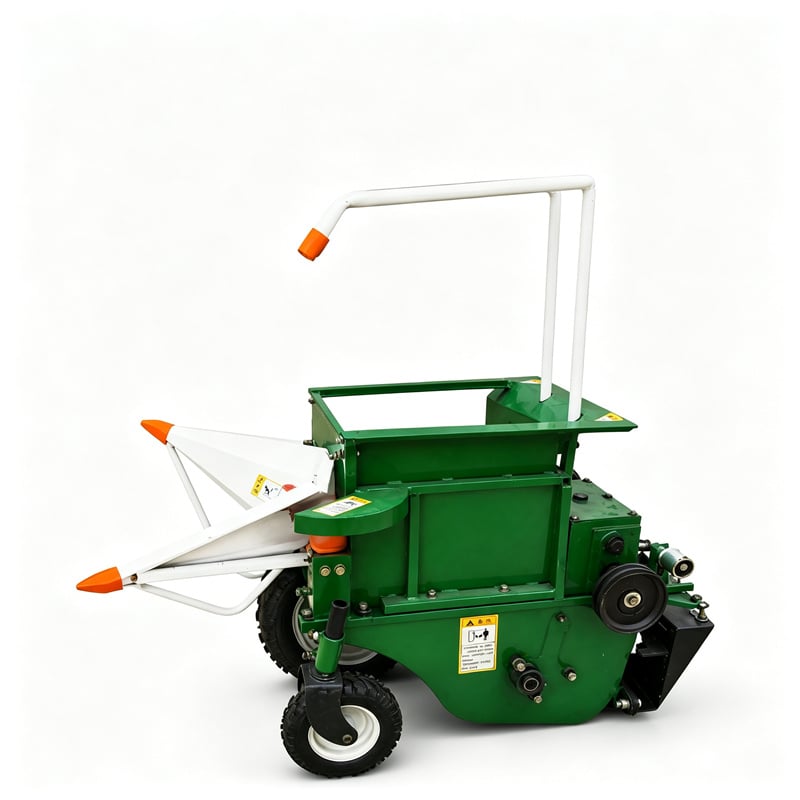
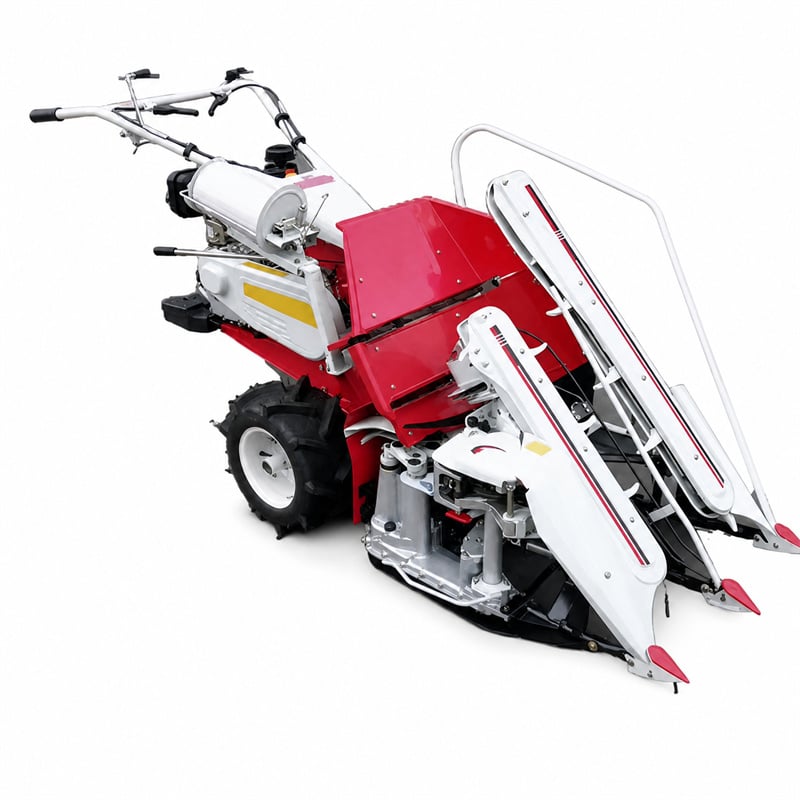
Mechanical Features: Evaluate the rake's mechanical components, including the tines or teeth. Check for any damages or excessive wear, as these can affect the rake's efficiency in gathering hay. You may also want to consider Cultivators & Tillers for additional mechanical efficiency in your farming operations.

Weight: The weight of the rake will affect how easily it can be maneuvered in the field. A heavier rake may be more stable but could also be more challenging to handle.

Operating Mechanism: Some antique hay rakes are manual, while others may have been designed for use with tractors. Understanding the operating mechanism is vital for ensuring compatibility with your existing equipment.

What Buyers Should Know

What Buyers Should Know

As a buyer, it's crucial to approach the purchase of an antique hay rake with a clear understanding of your operational needs and the specific features of the rake. Consider the following:

Inspection: Always inspect the rake in person if possible, focusing on its overall condition, functionality of parts, and any signs of restoration.

Documentation: Request any available documentation, such as maintenance records or certificates of authenticity, especially if the rake holds historical significance or rarity.

Customization Options: Some antique rakes may offer customization options for specific applications. Discussing these with the supplier can help ensure the rake meets your unique needs.

Lead Time: Antique rakes may require more time for delivery due to their unique nature and potential for restoration. Discuss lead times with the supplier to align with your operational schedule.

Common Problems with Antique Hay Rakes and Their Solutions

Common Problems with Antique Hay Rakes and Their Solutions

While antique hay rakes can be functional and reliable, they may come with common issues. Awareness of these can help you make informed decisions:

Rust and Corrosion: Many antique rakes are susceptible to rust, especially if they have been stored outdoors. Regular maintenance, including cleaning and applying protective coatings, can mitigate this issue.

Worn Components: Parts like tines or wheels may wear out over time. Inspect these components regularly and have replacements or repairs ready to maintain optimal performance.

Stability Issues: Older rakes may not have the same stability as newer models. Ensuring the rake is correctly balanced and possibly retrofitting it with modern enhancements can improve stability in the field.

Compatibility with Modern Equipment: If you plan to use an antique hay rake with modern machinery, it’s essential to assess compatibility. Modifications may be necessary for proper integration.

Understanding the Applications of Antique Hay Rakes in Modern Farming

Antique hay rakes can still play a valuable role in modern farming practices. Their applications include:

Small-Scale Farming: For farmers with smaller fields or organic operations, antique rakes can provide a low-impact solution for hay collection without the need for heavy machinery.

Historic Farms: Farms that emphasize heritage and traditional practices may use antique rakes as part of their farming techniques, preserving agricultural history while maintaining functionality.

Educational Purposes: Many agricultural schools or organizations use antique hay rakes to teach students about historical farming methods and machinery.

Specialty Hay Production: For those producing specialty hay, such as herbal or organic varieties, antique rakes can be used to gather crops delicately without damaging the plants.

In summary, purchasing an antique hay rake for sale involves careful consideration of specifications, potential problems, and applications. By focusing on these aspects, you can ensure that your investment is both functional and reflective of the rich history of agricultural practices.

Choosing the Right Antique Hay Rake for Your Wholesale Needs

When selecting an antique hay rake for sale, consider your specific requirements, such as the scale of your operations, the type of hay being harvested, and the environment in which the rake will be used. Antique hay rakes can vary significantly in design, from wooden models to those made from metal, which can affect their performance and longevity. Additionally, if you are interested in improving your overall equipment, you might want to explore Processing Machines that can complement your antique rake.

It's essential to assess the condition of the rake, including the integrity of its components and any signs of wear or rust that may affect functionality. Look for models that have been well-maintained or restored, as this can indicate a longer lifespan and better performance. Additionally, consider whether you need a specific size or model to fit your operational requirements, such as compatibility with existing equipment or the ability to cover certain field sizes efficiently.

Get a Free Quote

Our representative will contact you soon.
0/1000