Essential Insights on Side Delivery Hay Rakes

application/side-delivery-hay-rake, application/side-delivery-hay-rake, 
Inquiry
Inquiry

side delivery hay rake

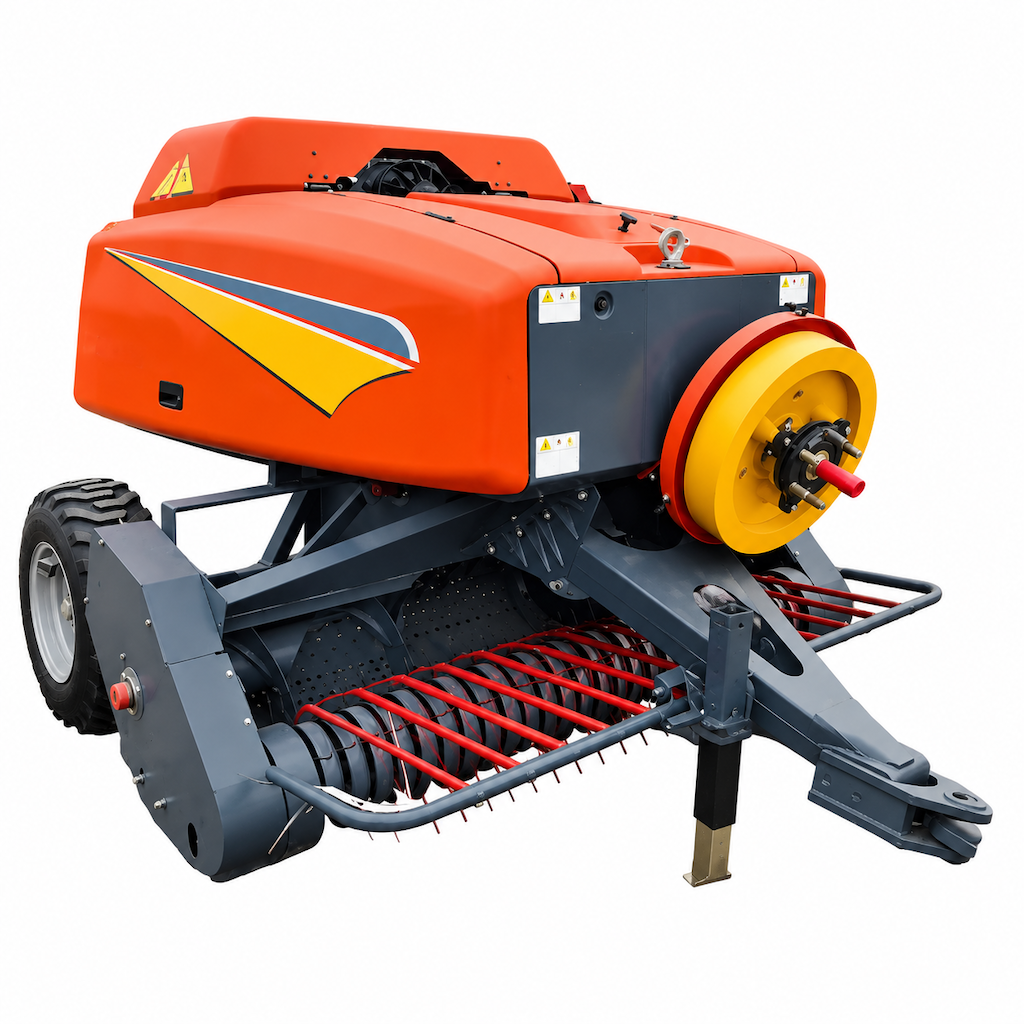
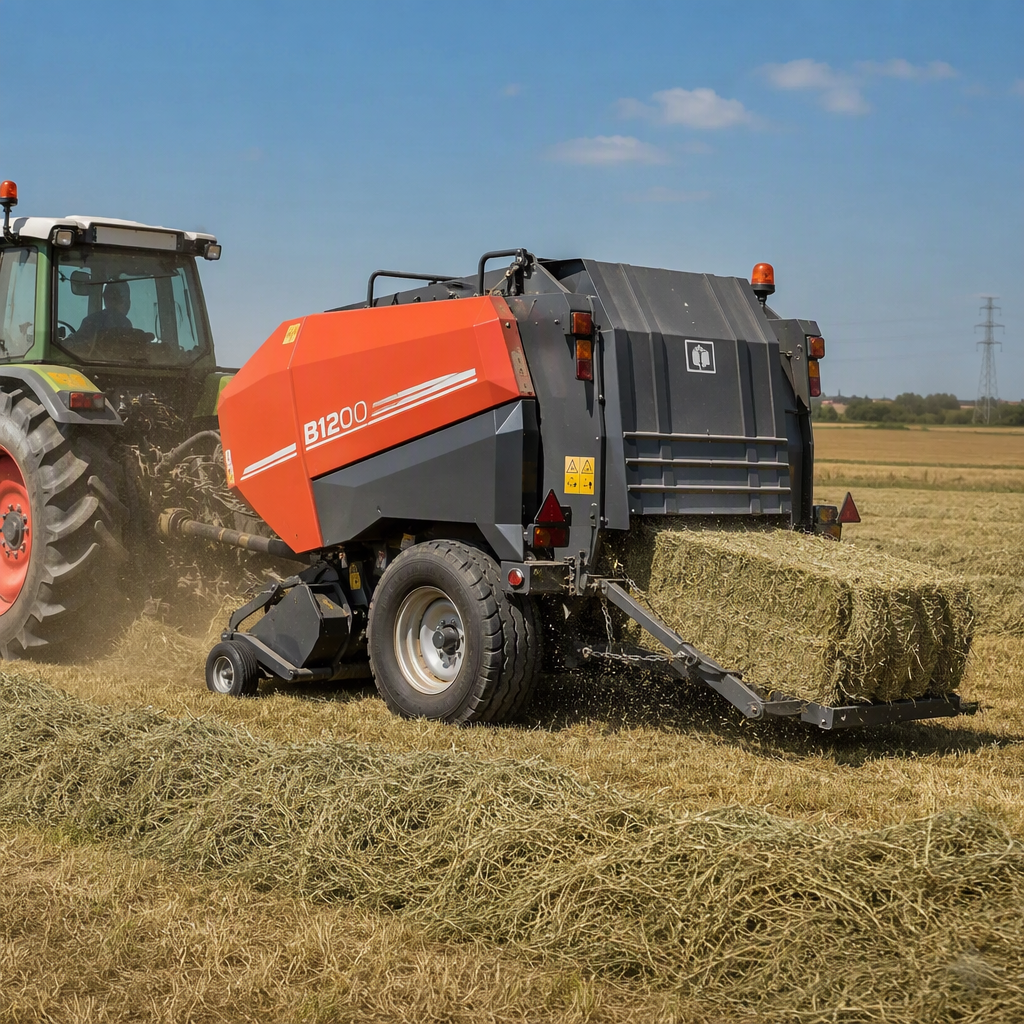
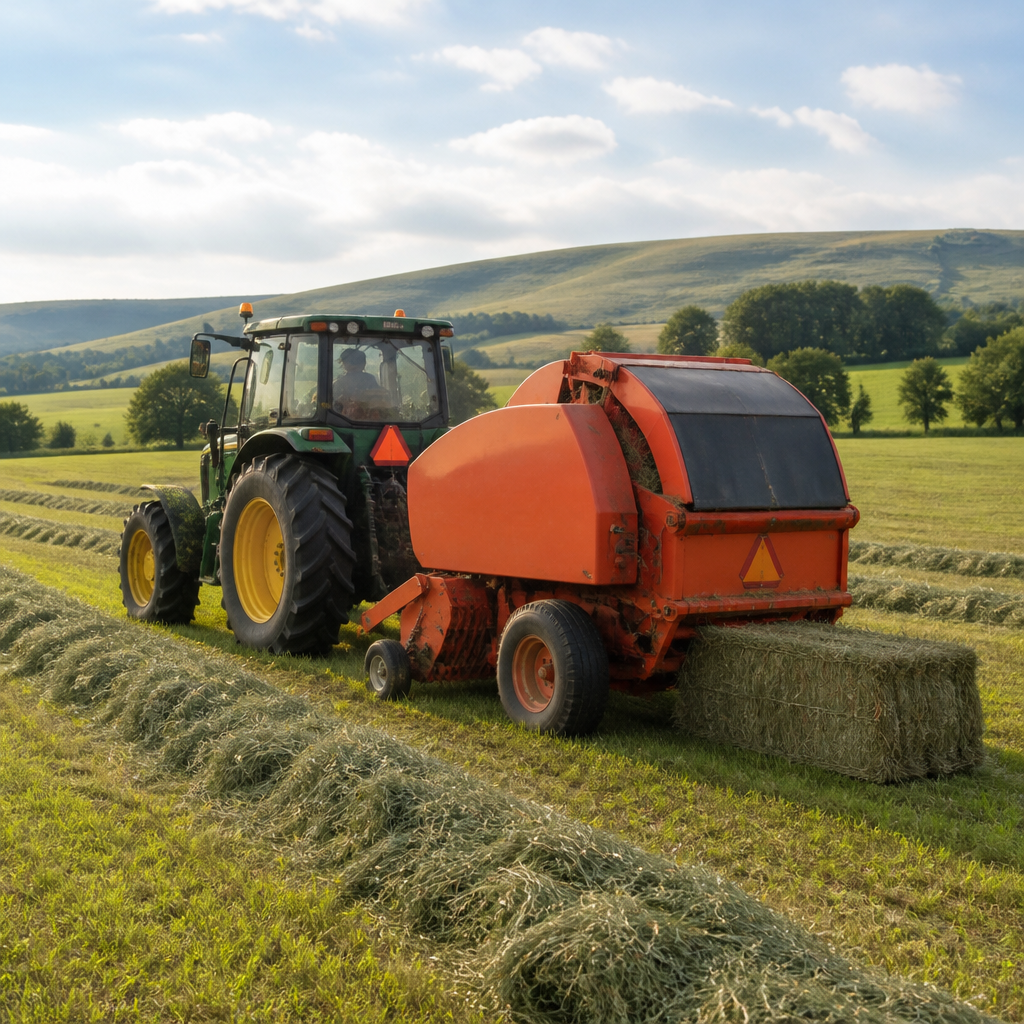
Side delivery hay rakes are essential agricultural tools designed to efficiently gather and distribute hay in a uniform manner. For purchasing managers and agricultural professionals, understanding the intricacies of these machines is vital. This article will explore key specifications, sourcing options, installation guidance, cost considerations, and common issues related to side delivery hay rakes, enabling informed purchasing decisions.

Where to Find Reliable Suppliers for Side Delivery Hay Rakes

Where to Find Reliable Suppliers for Side Delivery Hay Rakes

Identifying reliable suppliers for side delivery hay rakes involves a few strategic steps.

Industry Expos and Trade Shows: Attending agricultural expos can provide direct access to multiple manufacturers, allowing buyers to evaluate products firsthand and engage with experts.

Online Marketplaces and Directories: Websites like Alibaba, ThomasNet, and industry-specific directories can lead to reputable suppliers. Look for those with positive reviews and a solid history of customer service.

Manufacturer Websites: Research manufacturers like Agripros (Beijing Worldlink Commerce Co., Ltd.), known for its agricultural machinery. Explore their product offerings, certifications, and customer testimonials to gauge reliability.

Distributors and Dealers: Local agricultural equipment dealers often carry a selection of hay rakes and can provide insights into the best-performing models in your region. They may also offer maintenance services.

Networking and Referrals: Connecting with peers in the agricultural sector can yield recommendations for trustworthy suppliers. Relationships built on experience can often lead to better deals and support.

Evaluating suppliers based on these avenues can help ensure quality and reliability in sourcing side delivery hay rakes.

Installation Guidance for Efficient Use of Side Delivery Hay Rakes

Installation Guidance for Efficient Use of Side Delivery Hay Rakes

Proper installation of side delivery hay rakes is critical for optimal performance. Here are steps to ensure efficient setup:

Read Manufacturer Instructions: Always start by reviewing the installation manual provided by the manufacturer. It contains critical information about assembly, safety precautions, and operational guidelines.

Choose an Appropriate Location: Install the rake in a flat, stable area where you have ample space to maneuver during assembly. Ensure that the ground is firm enough to support the rake without sinking.

Check Compatibility: Before attaching the rake to a tractor, verify that it is compatible with the tractor’s hitch and power requirements. This ensures effective operation without straining either machine.

Tighten all Connections: Securely fasten all bolts, nuts, and hitch points. Loose connections can lead to wear and performance issues during operation.

Test Functionality: After installation, conduct a test run in a controlled area to ensure that all moving parts function correctly. Adjust tine height and angle as necessary based on the test results.

By following these guidelines, buyers can maximize the efficiency and lifespan of their side delivery hay rakes. Additionally, considering cultivators and tillers can complement the overall agricultural setup.

Cost Factors to Consider for Bulk Orders of Side Delivery Hay Rakes

Cost Factors to Consider for Bulk Orders of Side Delivery Hay Rakes

When considering bulk orders of side delivery hay rakes, several cost factors come into play:

Unit Price and Volume Discounts: Many manufacturers offer tiered pricing based on order volume. It’s essential to inquire about discounts for larger quantities, as this can significantly reduce overall costs.

Shipping and Logistics: Calculate shipping costs, which can vary based on distance, mode of transport, and weight of the rakes. Opting for a local supplier can minimize shipping costs.

Customizations: If specific modifications are needed, such as adjustments to size or features, these may incur additional charges. It's crucial to clarify customization costs upfront.

Maintenance and Warranty Options: Understand the warranty terms and any potential maintenance costs. Investing in quality equipment with comprehensive support can save money in the long run.

Payment Terms: Discuss payment options that might affect cash flow, such as upfront payments, installment plans, or financing options, particularly for larger orders.

Being aware of these cost factors allows buyers to make informed financial decisions that align with their operational budgets.

Common Problems with Side Delivery Hay Rakes and Effective Solutions

Like any agricultural equipment, side delivery hay rakes can face several common issues. Here’s how to address them:

Tine Breakage: Over time, tines can break due to wear or improper handling. Regular inspections should be conducted to identify and replace worn tines before they break during operation.

Poor Raking Performance: If the rake fails to gather hay effectively, it may be due to incorrect height settings or tine angle. Regularly adjust these settings based on field conditions and hay types.

Mechanical Failures: Issues such as gearbox or hydraulic failures can arise. Regular maintenance checks and prompt repairs can prevent these failures from escalating.

Soil Compaction: Using a rake that is too heavy or not suited for the terrain can lead to soil compaction. Ensure the rake’s weight and design are appropriate for the fields in which it will be used.

Compatibility Issues: Sometimes, the rake may not operate effectively with certain tractor models. Always verify compatibility before purchasing and seek advice from suppliers or manufacturers.

By being proactive in addressing these issues, agricultural professionals can enhance the performance and longevity of their side delivery hay rakes. This is particularly important when combined with proper sprayer & fertilizer usage to ensure optimal crop yield.

This comprehensive approach to understanding side delivery hay rakes will enable purchasing managers and agricultural professionals to make informed decisions, ensuring operational efficiency and productivity in their agricultural practices.

Key Specifications to Consider When Sourcing Side Delivery Hay Rakes

When sourcing side delivery hay rakes, several key specifications should be evaluated to ensure the equipment meets operational needs.

Working Width: The width of the rake significantly affects the efficiency of hay collection. Wider rakes can cover more ground in a single pass but may require more power and maneuverability.

Number of Tines: The number and design of tines impact hay quality and collection efficiency. More tines can lead to better raking performance, but they also increase the risk of damaging the hay if not designed properly.

Material Quality: Look for rakes made from high-strength steel or durable composites, as they offer better longevity and resistance to wear. The choice of material affects both performance and maintenance requirements.

Adjustability: Features that allow for height adjustments and tine angle modifications can enhance performance based on varying field conditions and hay types.

Weight and Balance: The weight of the rake affects its stability during operation. A well-balanced rake will be easier to maneuver and less likely to cause soil compaction.

Transportation Features: Consider the ease of transport, including folding mechanisms and hitch compatibility with tractors. This can save time and improve operational efficiency. For instance, ensuring compatibility with tractors is crucial to efficient operation.

Understanding these specifications helps buyers make better decisions tailored to their specific agricultural needs.

Frequently Asked Questions

What is a side delivery hay rake used for?

A side delivery hay rake collects and moves cut hay into windrows for drying and baling, improving drying time and baler efficiency on farms and plantations.
Recommended tractor power depends on model; typical side delivery rakes suit 20–80 HP tractors. Check specific model specs for exact PTO and hydraulic needs.
Regularly inspect tines, bearings, and gearboxes; lubricate as specified, tighten fasteners, and replace worn parts to ensure reliable, long life.
Yes. Designed for various forage crops and uneven terrain; choose tine and wheel settings according to crop density and moisture for optimal performance.
Yes. Our equipment comes with CE and ISO 9001 compliant manufacturing and we offer tailored lifecycle support, spare parts, and service guidance for customers.

Get a Free Quote

Our representative will contact you soon.
0/1000