Best Rated Compact Tractor for Agricultural Efficiency

application/best-rated-compact-tractor, application/best-rated-compact-tractor, 
Inquiry
application/best-rated-compact-tractor, application/best-rated-compact-tractor, 
Inquiry

best rated compact tractor

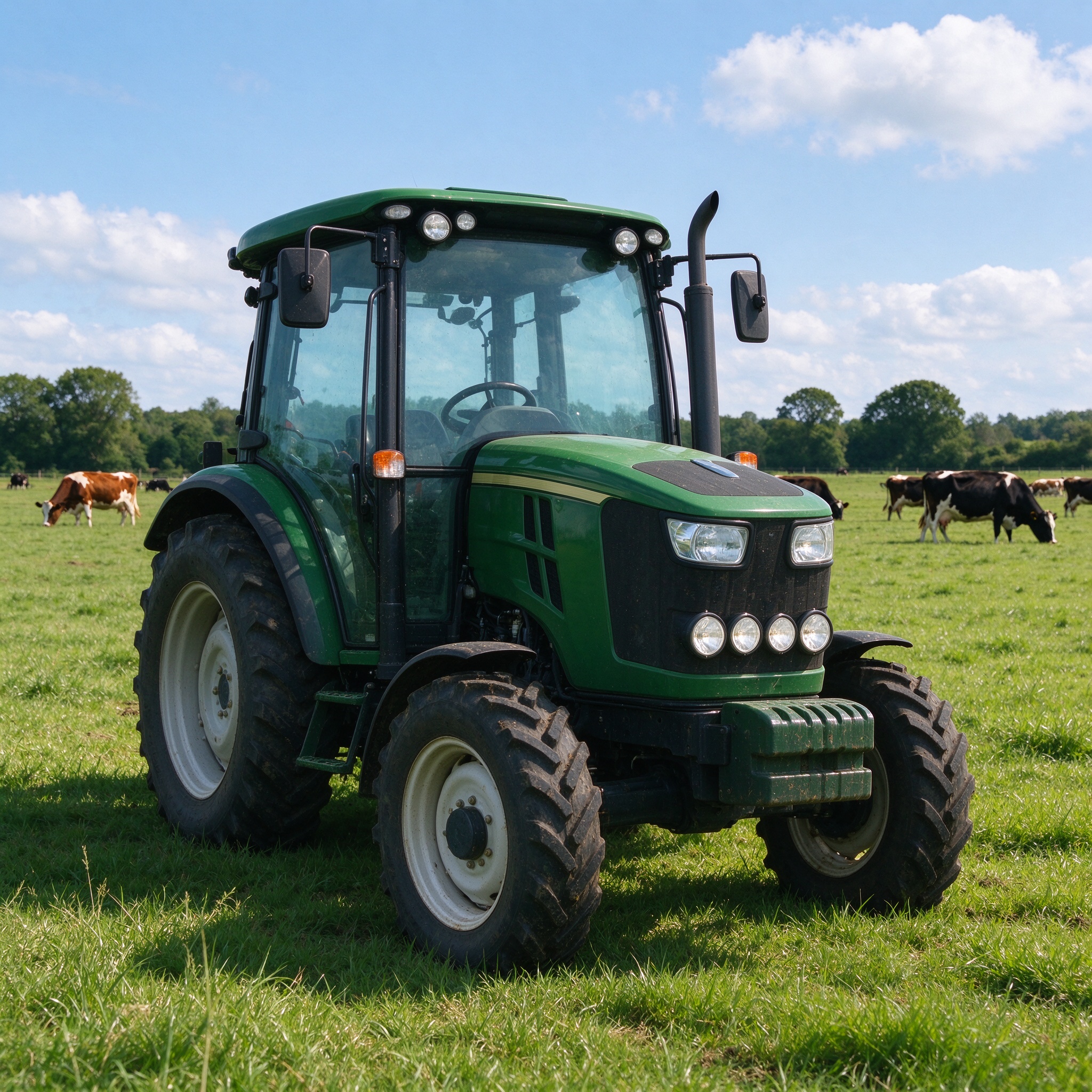
A compact tractor is an essential piece of agricultural machinery designed for various tasks, including tillage, seeding, irrigation, and harvesting. For businesses looking to enhance their operational efficiency, selecting the best rated compact tractor can significantly impact productivity. Buyers often prioritize factors such as performance, cost, and installation when making their purchasing decisions. This article aims to help potential buyers understand the critical aspects to consider when choosing a compact tractor, enabling them to make informed decisions that align with their specific agricultural needs.

Comparing Quality and Performance of Top Compact Tractors

Comparing Quality and Performance of Top Compact Tractors

To properly compare compact tractors, focus on specifications such as:

Horsepower: Different models may range from 20 HP to over 60 HP. Higher horsepower typically indicates better performance for heavier tasks.Lift Capacity: This refers to the maximum weight the tractor can lift using its front loader. Higher lift capacity is essential for tasks like loading soil or transporting heavy materials.Fuel Efficiency: Check the fuel consumption rates. A tractor that is fuel-efficient can lead to significant cost savings over time.Transmission Type: Compact tractors may come with manual, hydrostatic, or power shuttle transmissions. Each has its advantages, with hydrostatic often being favored for ease of use in variable terrains.

By comparing these specifications across leading brands, buyers can identify which model aligns best with their operational needs and budget.

Cost Factors to Evaluate for Wholesale Compact Tractor Purchases

Cost Factors to Evaluate for Wholesale Compact Tractor Purchases

When purchasing compact tractors wholesale, several cost factors should be evaluated:

Base Price vs. Additional Features: The base price of a compact tractor may not include essential features or attachments. Consider the total cost of ownership, including necessary accessories or upgrades.

Financing Options: Explore financing solutions that manufacturers or dealers may offer. Understanding the payment terms can help manage cash flow, especially for smaller operations.

Maintenance and Operating Costs: Factor in ongoing expenses such as fuel, maintenance, and repairs. Tractors with higher initial costs might offer better long-term savings through durability and lower operational costs.

Volume Discounts: When purchasing multiple units, inquire about bulk purchase discounts. Many manufacturers and dealers offer price reductions for larger orders.

Trade-In Values: If replacing an existing tractor, consider its trade-in value. This can offset the purchase cost of a new model.

By thoroughly examining these cost factors, buyers can make more informed financial decisions regarding their compact tractor investments.

Installation Guidance for the Best Rated Compact Tractor Models

Installation Guidance for the Best Rated Compact Tractor Models

Proper installation and setup of compact tractors are essential for optimal performance. Here are key considerations:

Site Preparation: Before installation, ensure that the site is adequately prepared. This may include leveling the ground and creating a stable base for the tractor.

Initial Setup: Follow the manufacturer's guidelines for initial setup. This includes checking fluid levels, adjusting tire pressure, and ensuring all controls are functioning correctly.

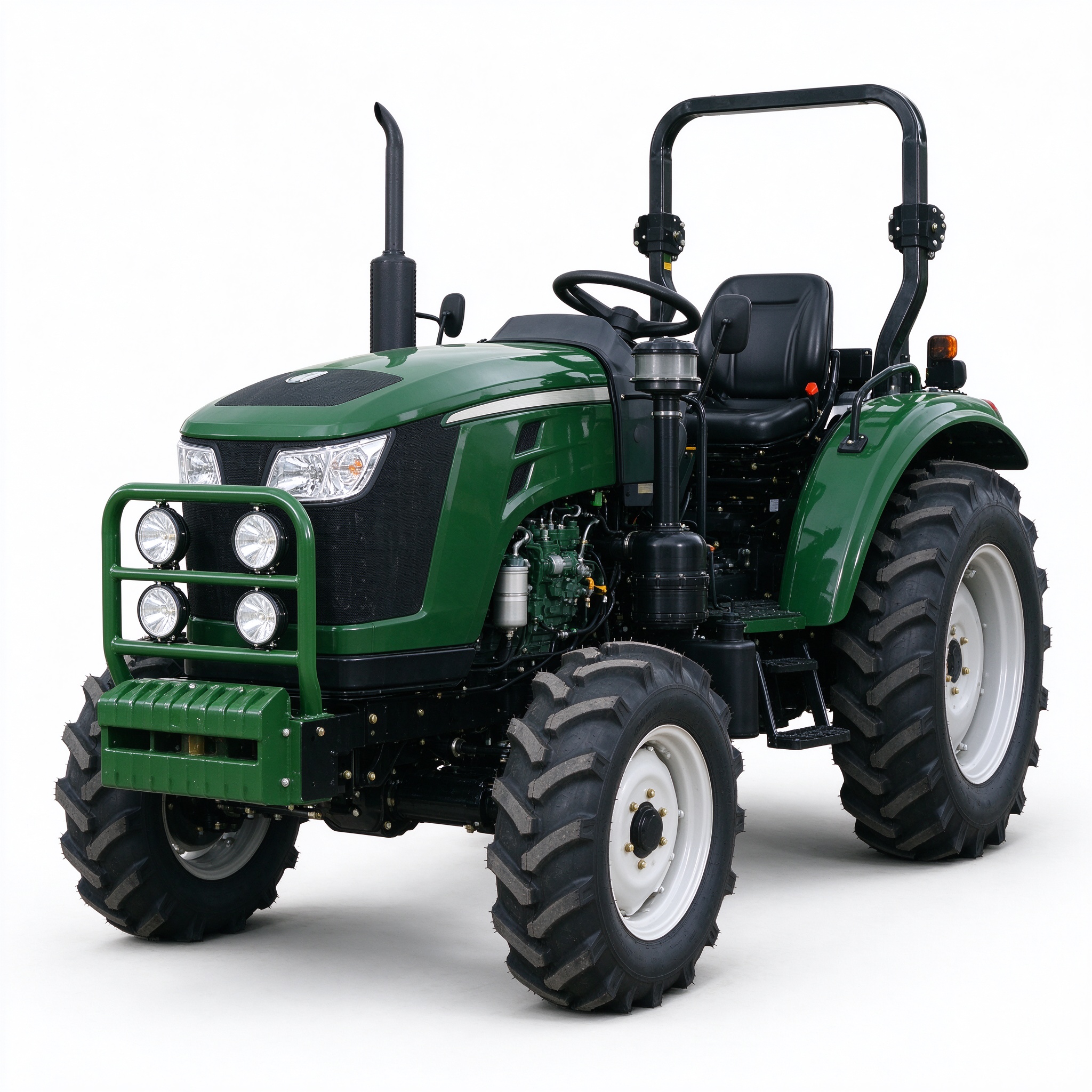
Safety Checks: Conduct safety checks before operation. This includes inspecting safety features, such as roll-over protection structures (ROPS), and ensuring all attachments are securely fitted.

Training for Operators: Provide adequate training for operators on the specific model being used. Familiarity with controls and functions can improve efficiency and safety.

Regular Maintenance Schedule: Establish a routine maintenance schedule to keep the tractor in top condition. This includes regular oil changes, filter replacements, and checking for wear and tear on components.

By following these installation guidelines, buyers can ensure their compact tractors are set up for effective operation from day one.

Understanding Buyer Concerns When Purchasing Compact Tractors

When purchasing a compact tractor, buyers often have specific concerns that need addressing:

Quality Assurance: Buyers want assurance of the tractor's quality and performance. Look for models that have undergone rigorous testing and hold relevant certifications, such as ISO 9001, which indicates a commitment to quality management.

After-Sales Support: Inquire about the level of support provided after the purchase. Reliable after-sales support can significantly influence long-term satisfaction.

Customization Options: Many buyers seek specific features or modifications. Discuss customization capabilities with the manufacturer to ensure the tractor meets unique operational requirements.

Warranty Coverage: Understand the warranty terms and what is included. A robust warranty can provide peace of mind regarding potential repairs and maintenance costs.

Peer Recommendations: Seek testimonials or reviews from other users who have purchased the same model. Real-world experiences can provide valuable insights into the tractor's performance and reliability.

Addressing these buyer concerns can pave the way for a more confident purchasing decision and foster trust in the manufacturer or supplier.

In summary, selecting the best rated compact tractor involves a thorough evaluation of performance, cost factors, installation guidance, and addressing buyer concerns. By focusing on these aspects, businesses can make informed decisions that enhance their agricultural operations. Additionally, considering Irrigation Systems that can work in conjunction with the tractor can further optimize agricultural productivity.

What to Consider When Choosing the Best Rated Compact Tractor

When evaluating compact tractors, buyers should focus on several key factors:

Engine Power and Performance: The horsepower rating is crucial, as it determines the tractor's capability to perform various tasks. Ensure that the engine power aligns with your farming needs, whether you require robust performance for heavy-duty tasks or efficiency for light-duty applications.

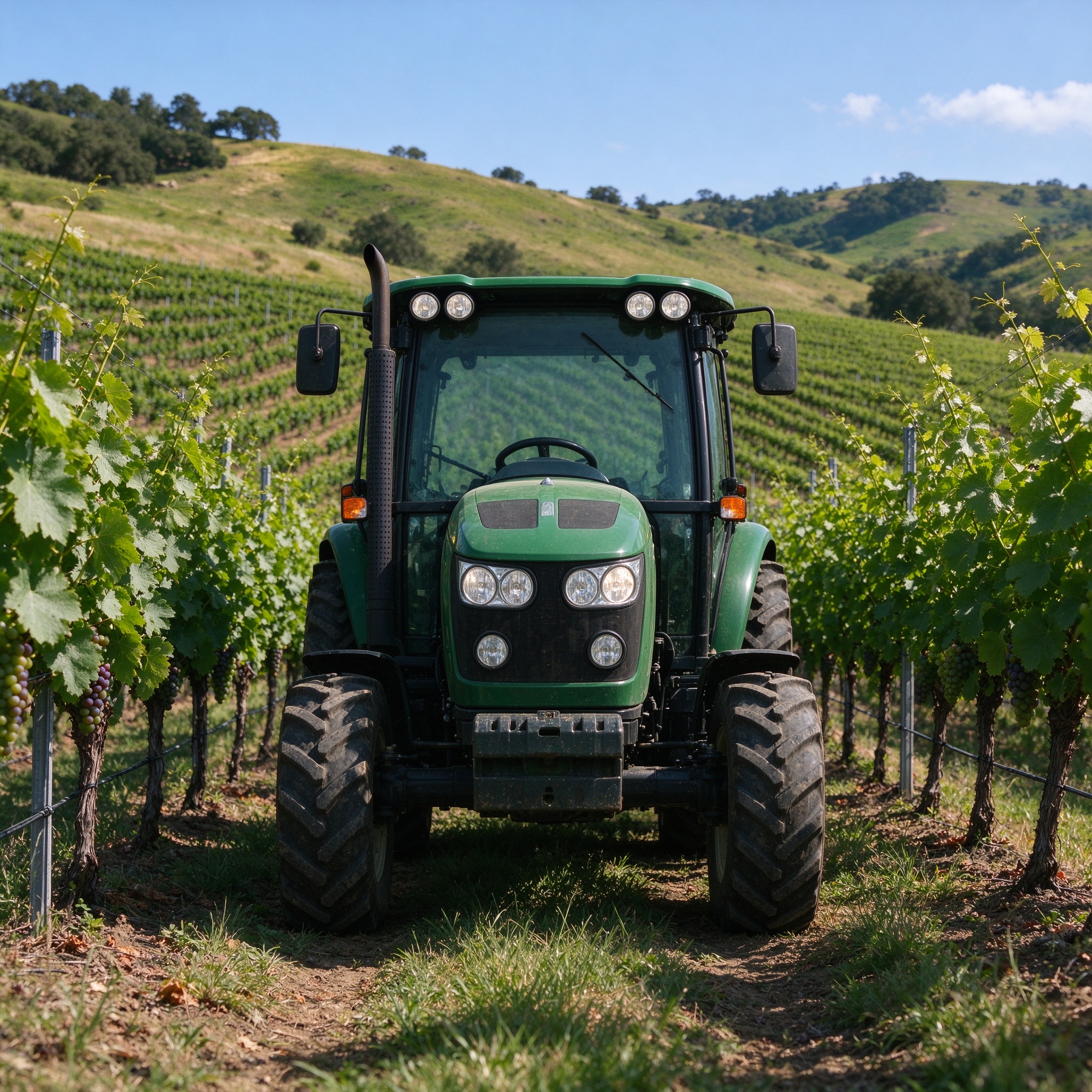
Size and Maneuverability: Compact tractors are available in various sizes. Assess the dimensions to ensure they fit your operational space, especially if you'll be working in tight areas like orchards or vineyards. Maneuverability is vital for tasks requiring precision.

Attachment Compatibility: Consider the range of attachments compatible with the tractor, such as loaders, mowers, and tillers. This flexibility allows for diverse applications and long-term utility, making it a more valuable investment. For example, Sprayer & Fertilizer attachments can greatly enhance your tractor's functionality.

Build Quality and Durability: Look for features like reinforced frames and high-quality materials that can withstand the rigors of agricultural work. A tractor's longevity is often tied to its construction quality.

User-Friendliness: Ergonomics and ease of use are important, particularly for operators who may spend long hours on the machine. Intuitive controls and comfortable seating can enhance the overall experience.

Warranty and Support: A strong warranty and reliable customer support can alleviate concerns regarding maintenance and repairs. Verify the terms of service and the availability of parts.

Frequently Asked Questions

What makes this compact tractor best rated?

Our compact tractor combines CE/ISO 9001–certified quality, durable components, and tailored configurations based on field needs, delivering reliable performance across tillage, seeding, irrigation, and harvesting tasks.
We offer multiple engine power ratings suitable for small to mid-size farms, with options tailored to specific tasks and payloads. Contact us for a recommended configuration based on your operations.
Yes. We provide lifecycle-based solutions including parts, service guidance, and support options. Financing availability depends on region—contact our sales team for local terms and assistance.
Yes. The compact tractor supports a range of compatible implements for seeding, tillage, irrigation, and light harvesting, enabling versatile field operations with proper mounting and hydraulic connections.
Our tractors come with manufacturer warranty coverage and are produced under ISO 9001 quality management standards and CE compliance to meet international safety and quality requirements.

Get a Free Quote

Our representative will contact you soon.
0/1000