Choosing the Best Compact Tractor for Agriculture

application/best-compact-tractor, application/best-compact-tractor, 
Inquiry
Inquiry

best compact tractor

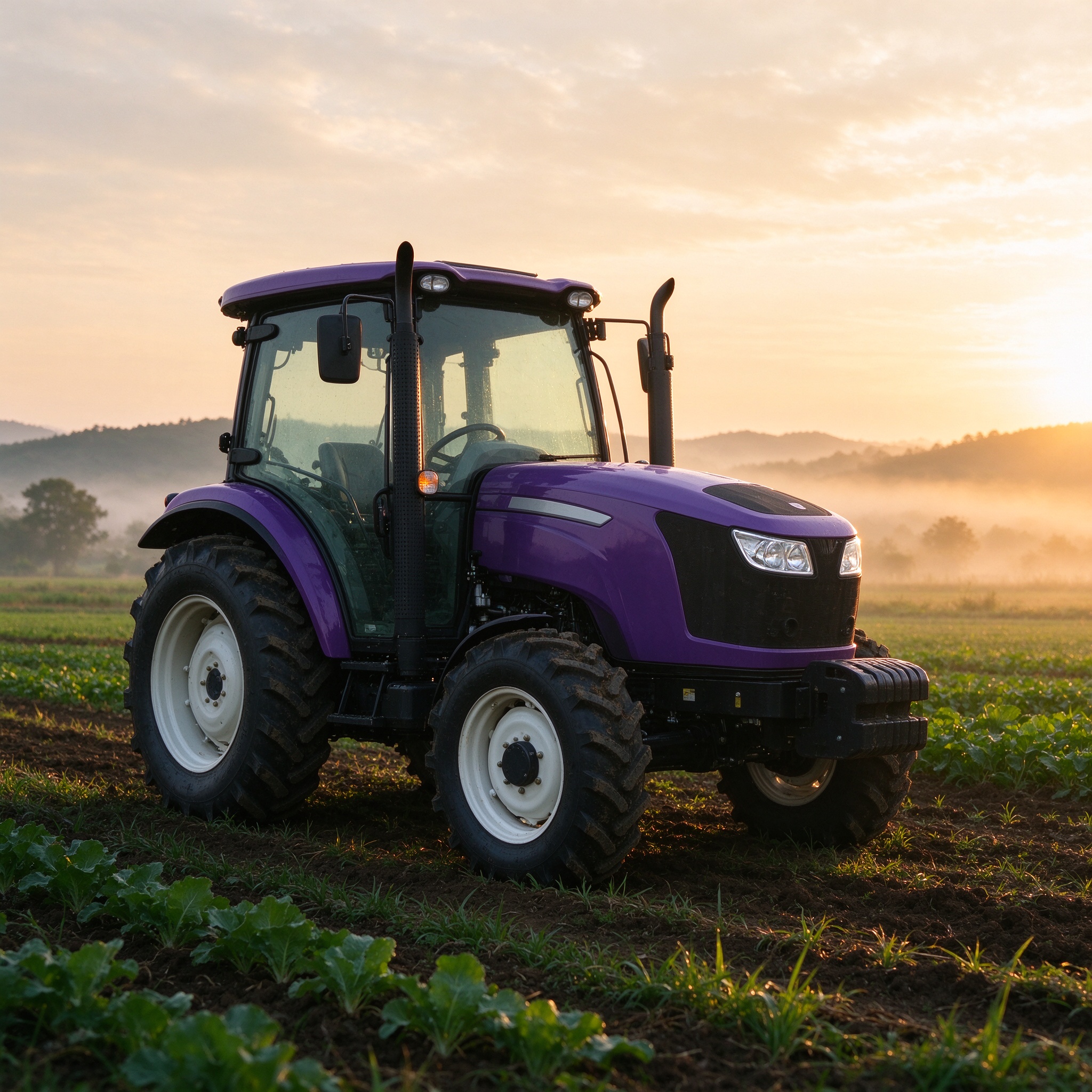
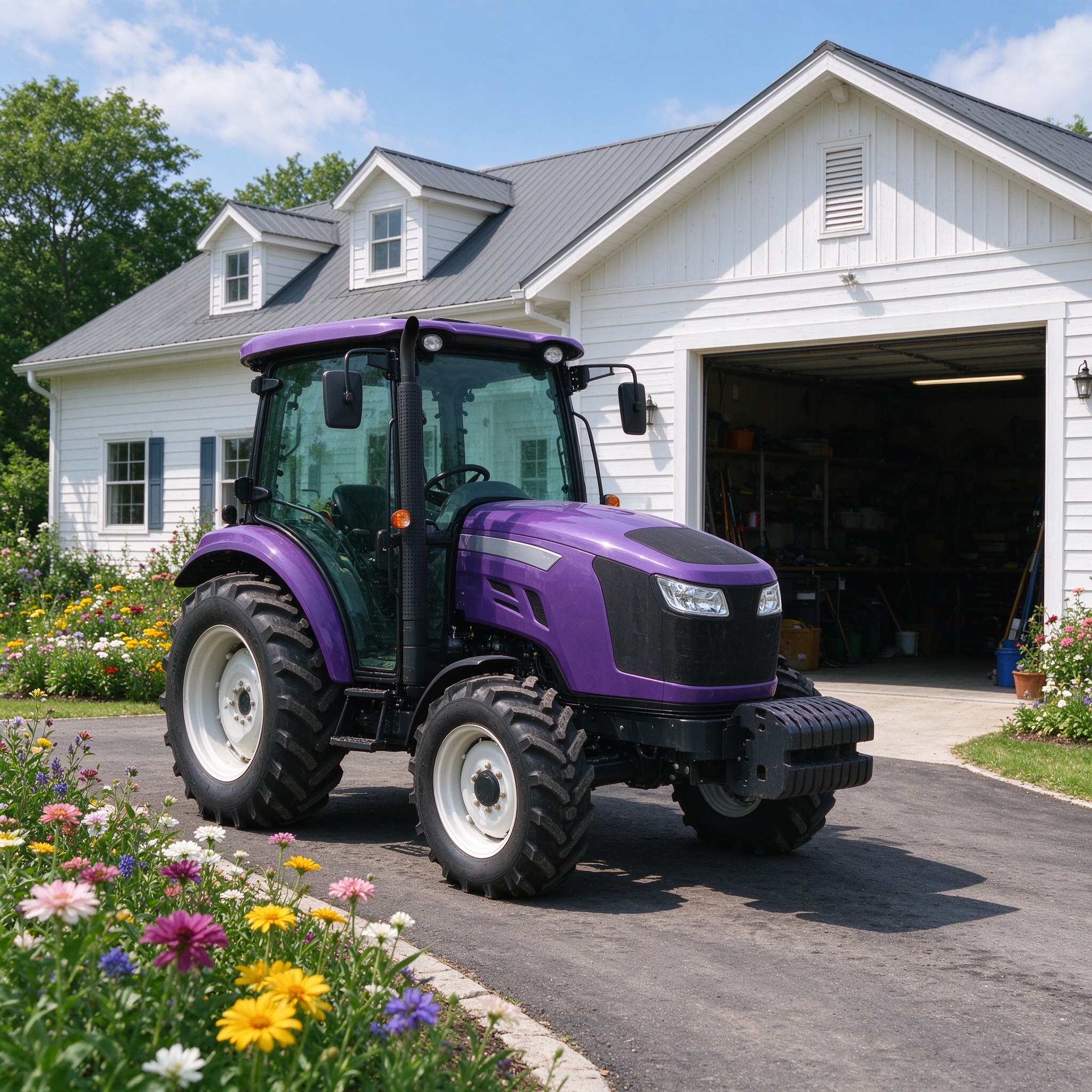
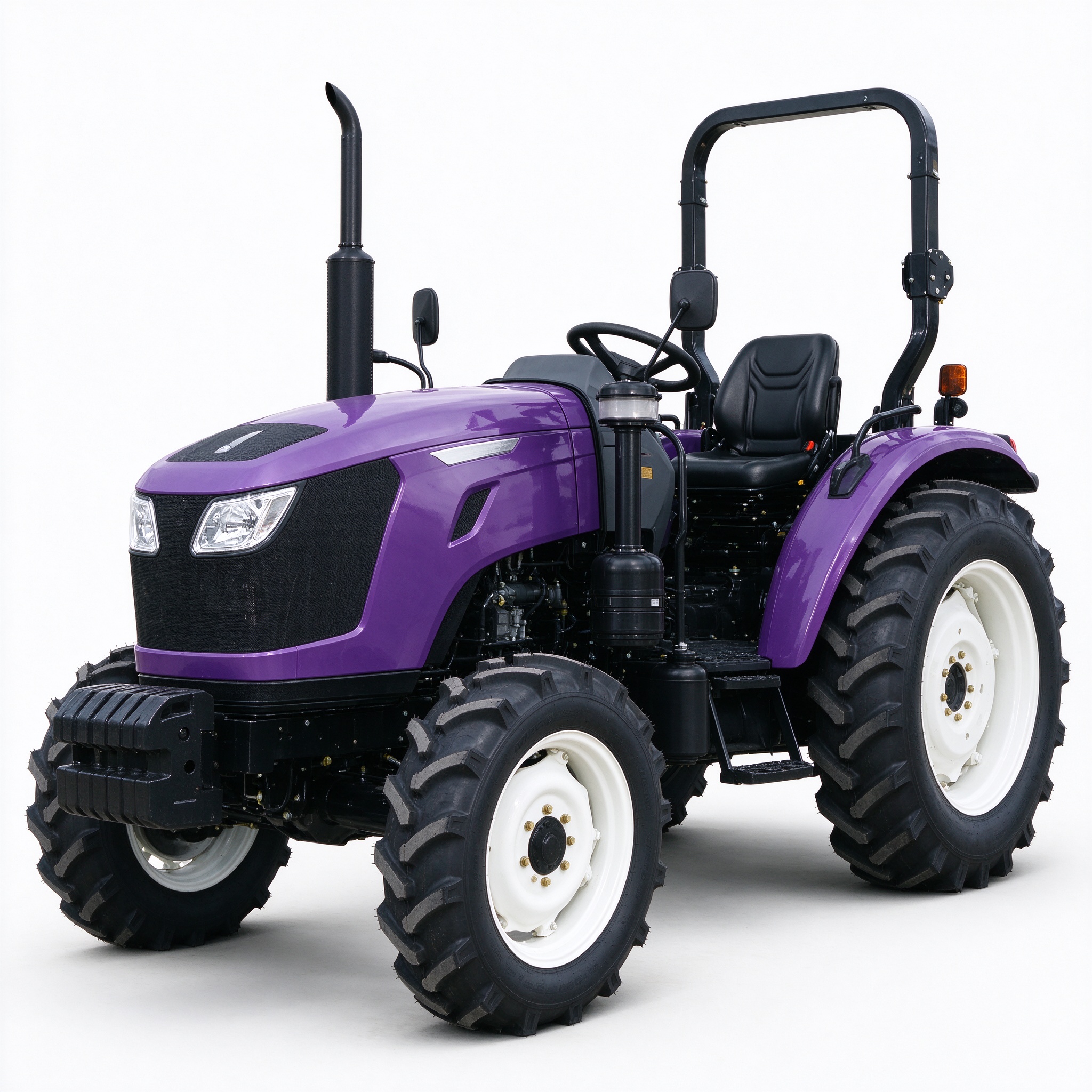
When it comes to agricultural operations, selecting the best compact tractor can significantly impact productivity and efficiency. Compact tractors are versatile machines designed for various tasks, including tillage, seeding, and irrigation. However, B2B buyers often face challenges such as understanding specifications, evaluating quality, and sourcing reliable suppliers. This article will guide you through essential considerations for choosing the best compact tractor, helping you make informed purchasing decisions.

How to Evaluate the Quality of Compact Tractors for Wholesale Purchase

How to Evaluate the Quality of Compact Tractors for Wholesale Purchase

Evaluating the quality of compact tractors is vital when considering wholesale purchases. Here are several key areas to focus on:

Certifications and Standards: Verify that the tractors meet industry standards, such as CE and ISO 9001 certifications. These certifications indicate adherence to quality management systems and safety regulations.

Material Quality: Assess the materials used in construction, focusing on durability and resistance to wear and tear. Steel components should be checked for thickness and treatment to prevent corrosion.

Manufacturing Process: Investigate the manufacturing capabilities of the supplier. A company that employs advanced production techniques and quality control measures is more likely to deliver reliable products.

User Reviews and Testimonials: Seek feedback from current users to gain insights into the performance and durability of the tractors. Positive reviews can indicate a trustworthy supplier.

Warranty and Support: A robust warranty and responsive customer support can reflect the supplier's confidence in their product's quality. Ensure that replacement parts are readily available, should maintenance issues arise.

Where to Find Reliable Suppliers of Compact Tractors for Your Needs

Where to Find Reliable Suppliers of Compact Tractors for Your Needs

Finding reliable suppliers is crucial for securing quality compact tractors. Here are some effective strategies:

Industry Trade Shows: Attend agricultural machinery trade shows to meet manufacturers and suppliers. These events provide opportunities to see products firsthand and discuss specifications and pricing.

Online Marketplaces: Explore reputable online platforms that specialize in agricultural equipment. Look for suppliers with strong ratings and detailed product descriptions.

Referrals and Recommendations: Connect with industry peers or professional networks to get recommendations for trusted suppliers. First-hand experiences can guide your decision-making process.

Manufacturer Directories: Utilize directories that list verified manufacturers and suppliers. This can help you identify companies with a proven track record in compact tractor production.

Local Dealers: Check with local agricultural equipment dealers who may represent multiple brands. Local dealers often provide valuable insight into the best options for your specific needs.

Cost Factors to Consider When Sourcing Compact Tractors in Bulk

Cost Factors to Consider When Sourcing Compact Tractors in Bulk

When sourcing compact tractors in bulk, understanding the cost factors involved is essential for budgeting and negotiation. Key considerations include:

Base Price: The initial cost of the tractor is the starting point. Be sure to get detailed quotes from suppliers, including any optional features or upgrades.

Shipping and Handling: Factor in shipping costs, which can vary based on distance and shipping methods. Bulk purchases may qualify for discounted shipping rates.

Import Duties and Taxes: If sourcing from overseas, be aware of any import duties or taxes that may apply. This can significantly impact the total cost.

Volume Discounts: Discuss the possibility of volume discounts with suppliers. Many manufacturers offer pricing incentives for bulk purchases, providing cost savings.

Maintenance and Operating Costs: Consider the long-term costs associated with operating and maintaining the tractors, including fuel, parts replacement, and service requirements.

How to Compare Different Compact Tractors for Your Projects

When comparing compact tractors for specific projects, it's essential to establish a structured approach:

Create a Comparison Matrix: List the tractors you are considering along with their key specifications such as engine power, lift capacity, and weight. This visual representation can simplify decision-making.

Prioritize Your Needs: Identify the most critical features for your projects. For example, if soil preparation is your primary focus, prioritize tractors with high torque ratings and robust tilling capabilities.

Evaluate Performance Metrics: If possible, conduct hands-on evaluations or demos of the tractors. Assess their performance in real-world conditions to ensure they meet your operational requirements.

Seek Technical Assistance: Engage with the suppliers’ technical teams to clarify any doubts regarding compatibility, performance, and features. They can provide valuable insights tailored to your specific applications.

Review Long-Term Value: Consider the total cost of ownership, including potential resale value, reliability, and how well the tractor meets your long-term operational goals.

By focusing on these factors and conducting thorough evaluations, you can confidently select the best compact tractor tailored to your agricultural needs.

Key Specifications to Consider When Choosing the Best Compact Tractor

When evaluating compact tractors, several key specifications should be prioritized to ensure the machine meets operational needs.

Engine Power: Measured in horsepower (HP), engine power is crucial as it determines the tractor's capacity to handle different implements and tasks. A higher HP rating generally enables better performance in heavy-duty applications. For instance, consider the 8-25HP Diesel Walk Behind Tractor Water-Cooled Hand Start Farm Tractor for its powerful performance.

Weight and Stability: The weight of the tractor affects its stability, especially when performing tasks like plowing or lifting heavy loads. A heavier tractor typically offers better traction and stability on uneven ground.

Transmission Type: Compact tractors may feature manual, hydrostatic, or power shuttle transmissions. Hydrostatic transmission offers ease of use, especially for beginners, as it allows for smooth speed adjustments without clutching.

Lift Capacity: This specification refers to the maximum weight the tractor can lift using its hydraulic system. Understanding your specific needs for lifting and moving materials is essential for choosing the right model. For example, a tractor with a robust lift capacity can efficiently handle attachments like the Grain Feed Ingredient Mixer – 500-5000L Crusher & Blender.

Dimensions: The size of the tractor should align with the intended usage and the available space for maneuvering. Consider the width and height, especially if working in confined spaces like greenhouses or narrow rows.

Attachments and Implements Compatibility: Ensure the tractor can accommodate various attachments like loaders, mowers, or tillers. Compatibility with these implements expands the tractor's versatility and utility.

Frequently Asked Questions

What makes the best compact tractor from Agripros special?

Our compact tractors offer durable tillage, seeding, irrigation and harvesting capabilities with CE/ISO9001 quality, tailored configurations, and lifecycle support for small farms and plantations.
We provide multiple engine and horsepower options to match light to medium-duty farm tasks; exact ranges depend on model and can be specified for your needs.
Yes. Models are designed to support seeding and irrigation attachments as well as tillage and light harvesting for integrated farm operations.
Yes. Our tractors meet CE and ISO 9001 standards and include manufacturer warranty and lifecycle support; warranty terms vary by model and market.
Contact our sales team with your farm size, crop types and task list. We will recommend models, attachments and lifecycle plans suited to your operations.

Get a Free Quote

Our representative will contact you soon.
0/1000