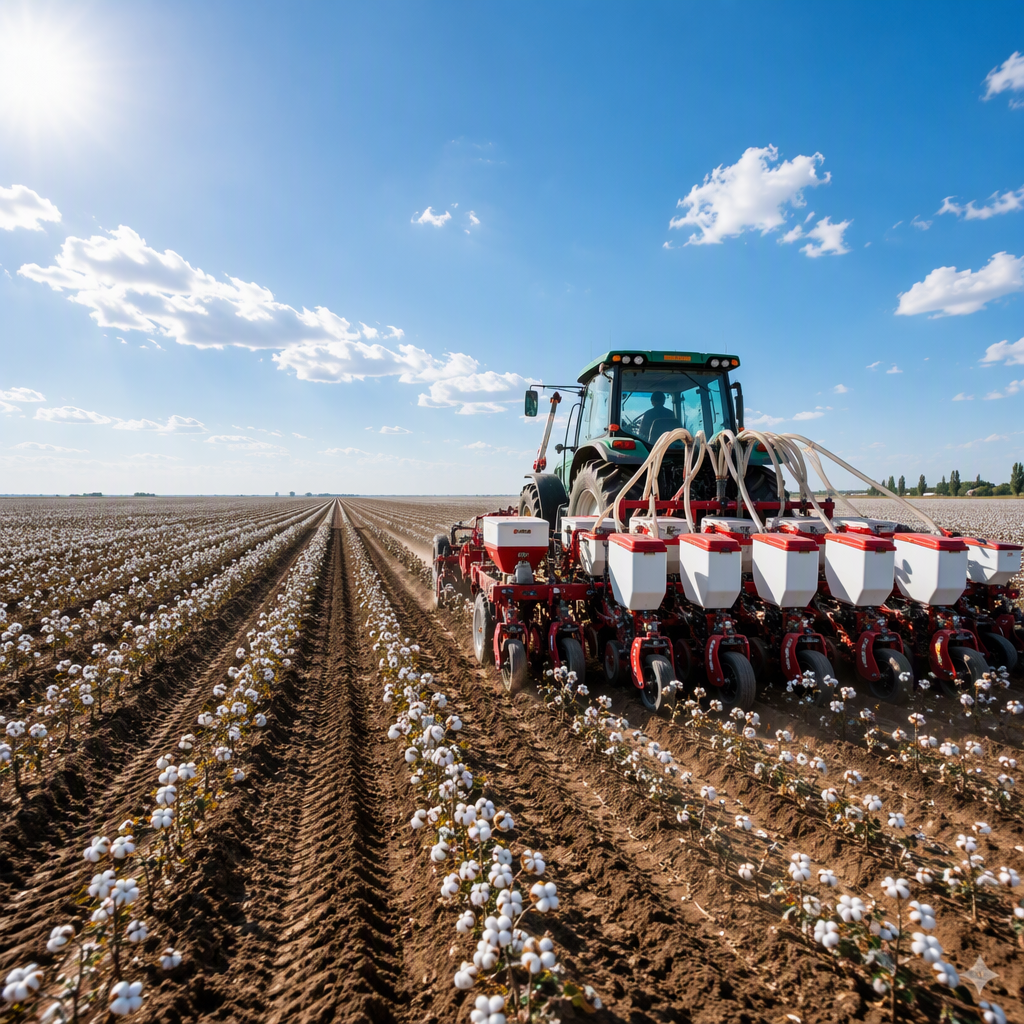
Choosing the Best Cotton Seed Planting Machine

application/cotton-seed-planting-machine, application/cotton-seed-planting-machine, 
Inquiry
application/cotton-seed-planting-machine, application/cotton-seed-planting-machine, 
Inquiry

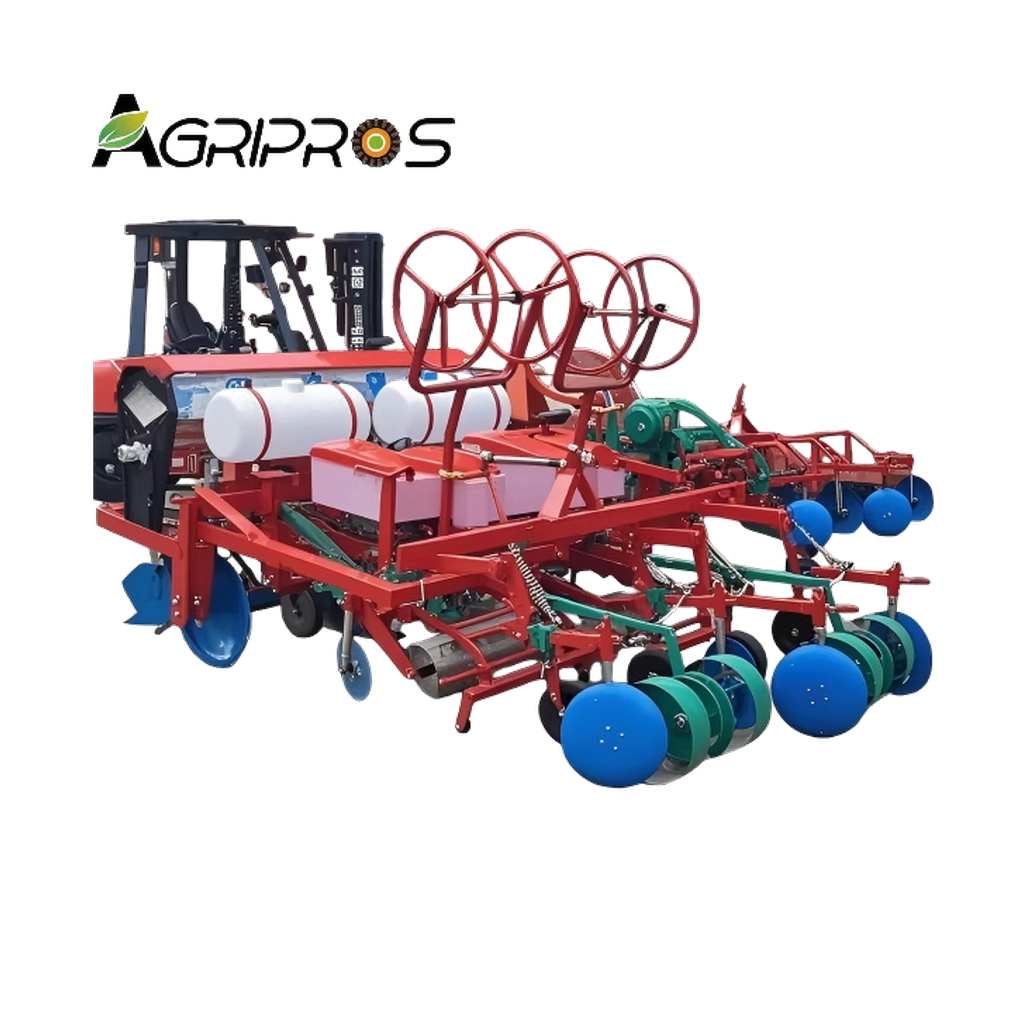
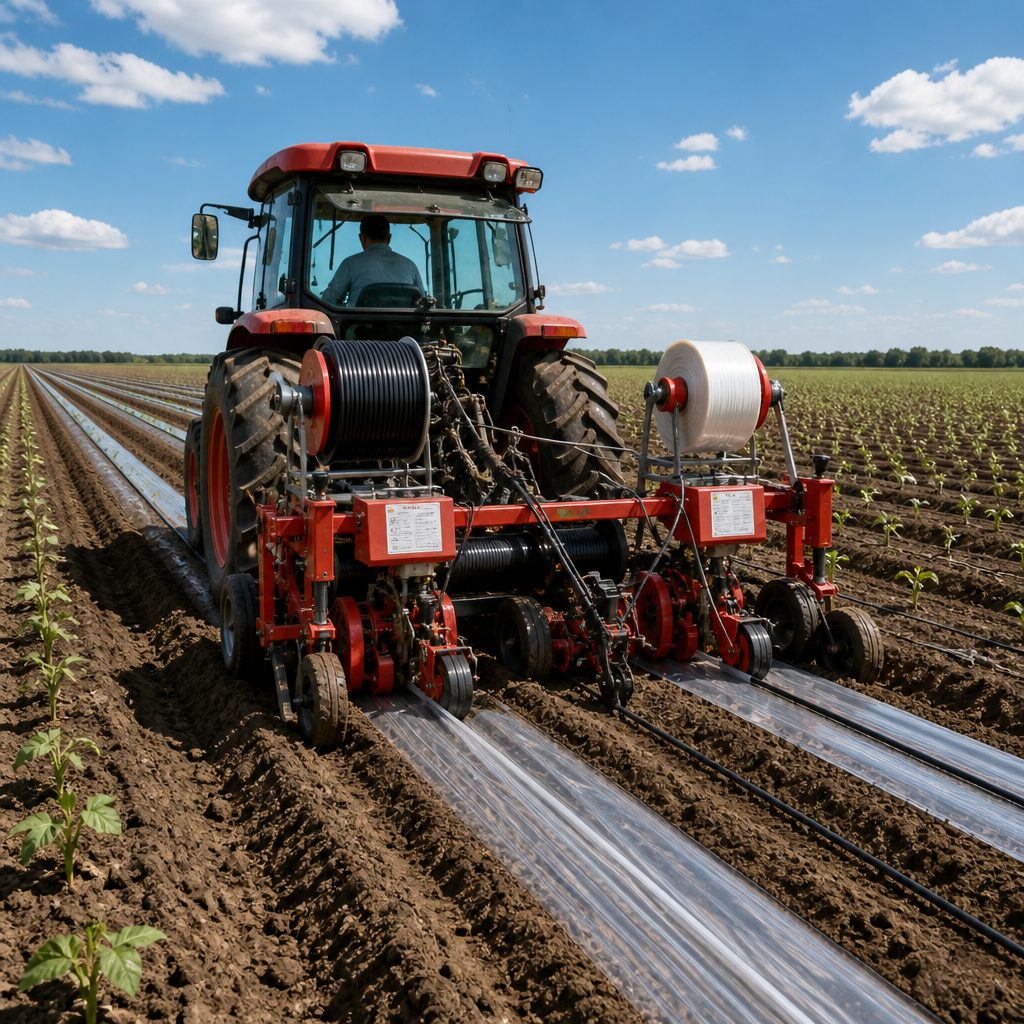
cotton seed planting machine

Choosing the right cotton seed planting machine is crucial for optimizing agricultural productivity. These machines are designed specifically for the efficient planting of cotton seeds, which can significantly impact crop yield and farm profitability. B2B buyers, including purchasing managers and agricultural engineers, often face concerns regarding machine specifications, performance, and reliability. This article will provide insights into what to consider when selecting a cotton seed planting machine, the key specifications that define quality equipment, reliable sourcing options, a step-by-step purchasing approach, and technical performance standards.

Key Specifications for High-Quality Cotton Seed Planting Equipment

Key Specifications for High-Quality Cotton Seed Planting Equipment

High-quality cotton seed planting machines come with several critical specifications that influence their performance. Key specifications include:

Planting Depth Range: A range of planting depths allows adaptability to different soil types and conditions, crucial for successful seed germination. Machines that offer adjustable planting depths can accommodate varying agricultural practices.

Seed Spacing Accuracy: Precise seed spacing is necessary for optimal crop density. Machines with advanced seed metering systems can ensure consistent spacing, leading to better plant competition and improved yields.

Row Width Options: Depending on the farming method, machines should offer adjustable row widths to cater to different planting configurations, whether for traditional or modern farming practices.

Durability and Material Quality: The use of high-strength materials such as steel or reinforced plastics can enhance the machine's longevity. Additionally, consider corrosion-resistant coatings to improve durability in various weather conditions.

Power Requirements: Ensure the machine's power requirements align with available tractors or power sources on your farm. Compatibility can reduce additional costs associated with equipment upgrades.

Understanding these specifications allows buyers to make informed decisions tailored to their specific agricultural needs.

Where to Source Reliable Cotton Seed Planting Machines Wholesale

Where to Source Reliable Cotton Seed Planting Machines Wholesale

Sourcing reliable cotton seed planting machines requires due diligence to ensure quality and support. Start by identifying reputable manufacturers and suppliers, ideally those with CE and ISO 9001 certifications, which indicate adherence to international quality standards. Agripros, for instance, specializes in agricultural machinery and has a proven track record across 40 countries, offering tailored solutions that cater to diverse farming needs. Additionally, consider options like the Grain Crusher 3 kW Electric Mill for Poultry Feed Milling for complementary farming equipment.

Trade shows and agricultural expos are excellent venues for assessing machinery firsthand, allowing buyers to interact directly with manufacturers. Additionally, online marketplaces that specialize in agricultural equipment can provide a broader selection, but ensure to verify supplier credentials and customer reviews before making a commitment.

Establishing relationships with suppliers who offer comprehensive warranties, maintenance support, and readily available replacement parts can also enhance peace of mind in your purchasing decision.

A Step-by-Step Approach

A Step-by-Step Approach

To ensure a successful purchase of a cotton seed planting machine, follow this step-by-step approach:

Define Requirements: Clearly outline your specific planting needs, including planting area size, soil type, and preferred planting depth.

Research Manufacturers: Identify manufacturers with a strong reputation and relevant certifications. Compare their product offerings against your requirements.

Request Quotations: When reaching out for quotes, provide detailed specifications, including expected machine capacity, customization needs, and delivery timelines. This will enable suppliers to give more accurate pricing.

Evaluate Samples: If possible, request a sample or demonstration of the machine to assess its performance in real-world conditions. This is critical to ensure it meets your operational requirements.

Review Contracts Carefully: Before finalizing the purchase, review all terms and conditions, including payment terms, warranty coverage, and support services.

Plan for Installation and Training: Ensure that your team is trained on the new equipment to optimize usage and minimize operational disruptions.

By following this structured approach, buyers can significantly reduce the risk of purchasing inappropriate machinery.

Technical Insights on Cotton Seed Planting Machine Performance Standards

Performance standards for cotton seed planting machines are essential indicators of their efficiency and reliability. These standards often relate to how well the machine performs under different conditions, which directly impacts agricultural productivity. Key performance indicators include:

Operational Speed: The speed at which the machine can plant seeds while maintaining accuracy is crucial. Higher operational speeds can lead to increased productivity during planting season.

Field Adaptability: Machines should perform reliably across various terrains and conditions. This adaptability is often influenced by tire quality, weight distribution, and overall machine design.

Maintenance Requirements: Consider machines that require minimal maintenance and have easily accessible components for servicing. This reduces downtime and lowers operational costs.

Fuel Efficiency: Machines that consume less fuel while providing high performance can lead to significant cost savings over time.

Understanding these performance standards helps buyers evaluate machines not just on initial costs but also on long-term operational efficiency and return on investment.

By focusing on these aspects, B2B buyers can ensure they make well-informed decisions that align with their operational needs and budget constraints.

What to Consider When Choosing a Cotton Seed Planting Machine

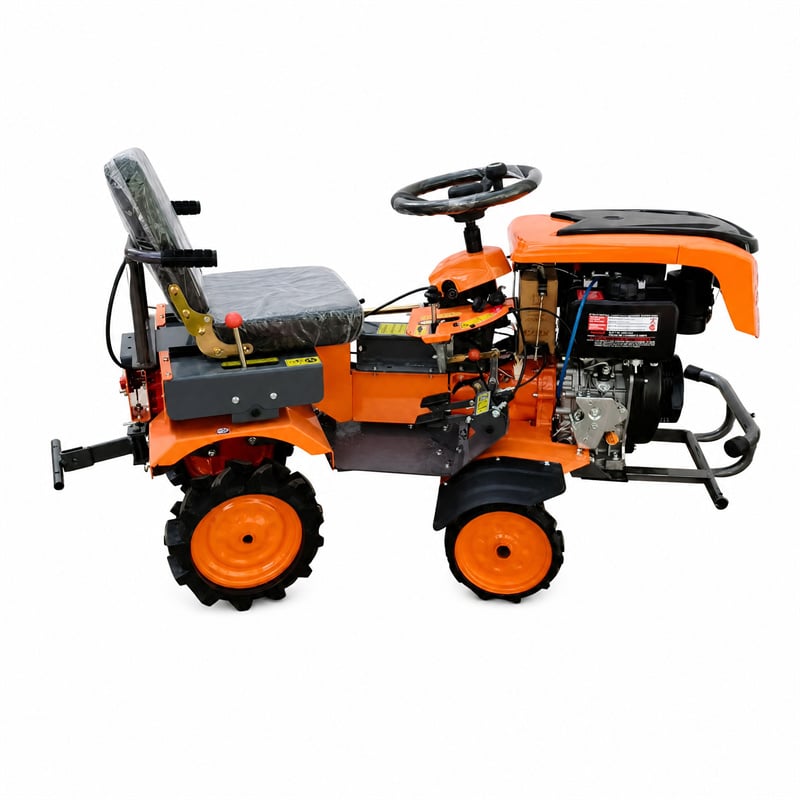
When selecting a cotton seed planting machine, key considerations include the machine's capacity, precision, and adaptability to various field conditions. Buyers should evaluate the machine's planting depth and spacing capabilities to ensure uniform seed placement, which directly affects germination and crop yield. Additionally, consider the machine's compatibility with existing farm equipment and its ease of use. For instance, operators should assess whether the machine allows for quick adjustments to planting depth based on soil conditions. The integration of machines like the 8-25HP Diesel Walk Behind Tractor Water-Cooled Hand Start Farm Tractor can enhance the planting process.

Another important factor is the machine's durability and the quality of materials used in construction. Equipment that can withstand harsh agricultural environments will reduce maintenance costs and downtime. Buyers should also inquire about the manufacturer's after-sales support, including availability of spare parts and technical assistance, as having reliable support can be vital in maintaining operational efficiency.

Frequently Asked Questions

What is the cotton seed planting machine used for?

It precisely meters and places cotton seeds for uniform germination, improving planting speed and reducing seed waste on farms and plantations.
Designed primarily for cotton; suitable for small to large fields and adaptable to varied farm sizes with adjustable settings.
Manufactured under CE and ISO 9001 quality systems, ensuring safety, reliability, and consistent performance.
Routine cleaning, lubrication, and seed-meter calibration are recommended. Agripros offers technical support and lifecycle service options.
Yes. Agripros provides tailored configurations and adjustments to meet soil, seed, and local planting requirements across markets.

Get a Free Quote

Our representative will contact you soon.
0/1000

Related product categories