Essential Guide to Disc Tillers for B2B Buyers

application/disc-tiller, application/disc-tiller, 
Inquiry
Inquiry

disc tiller

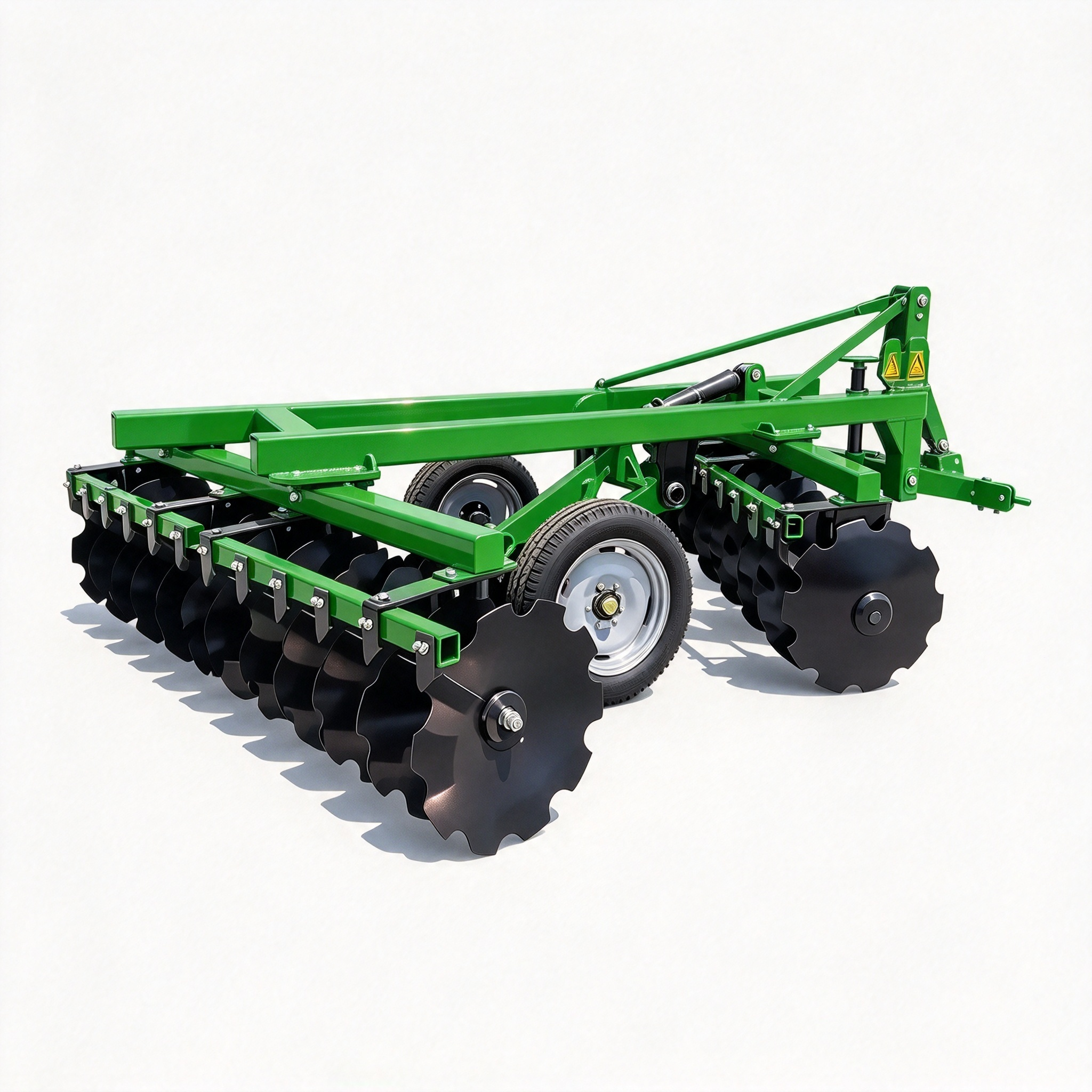
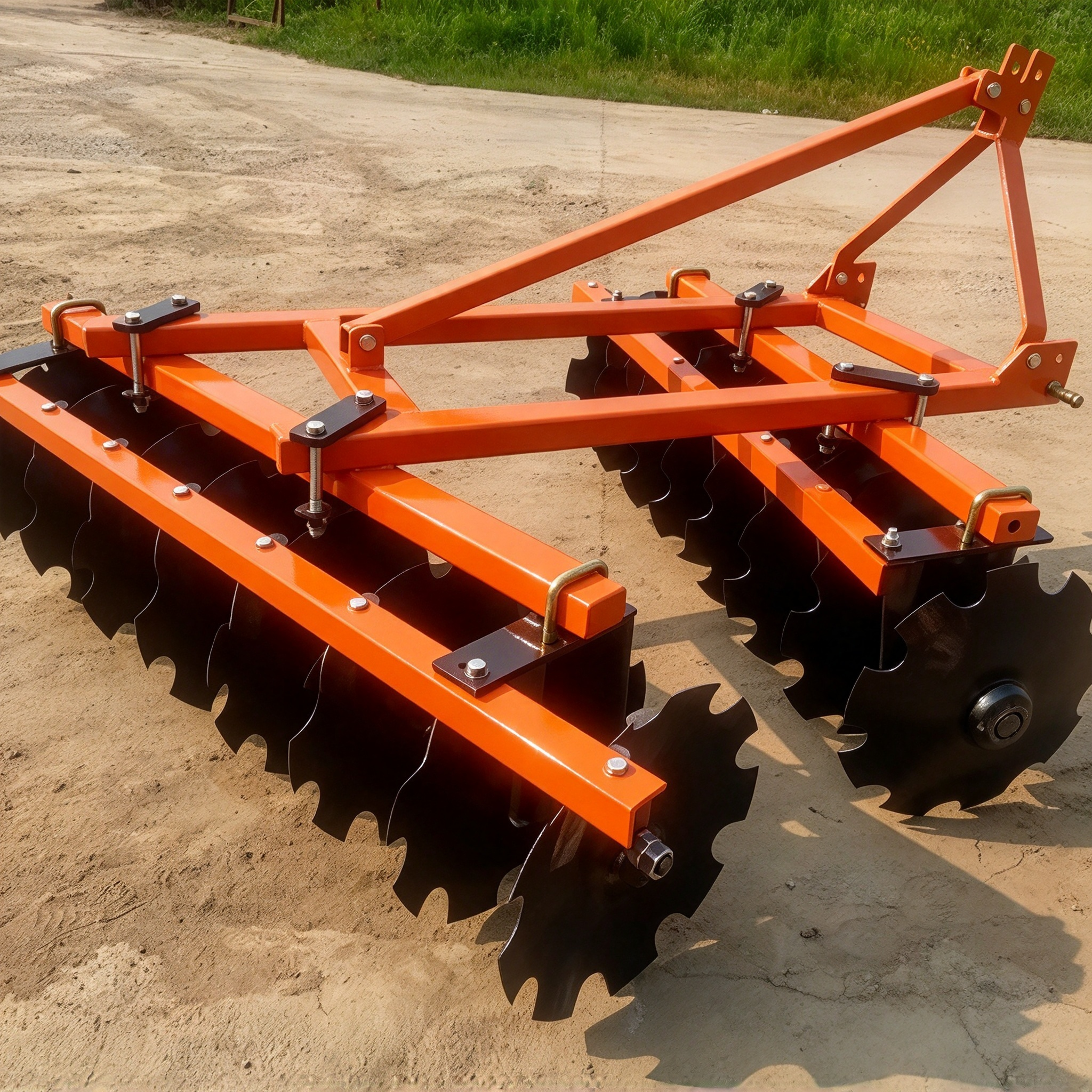
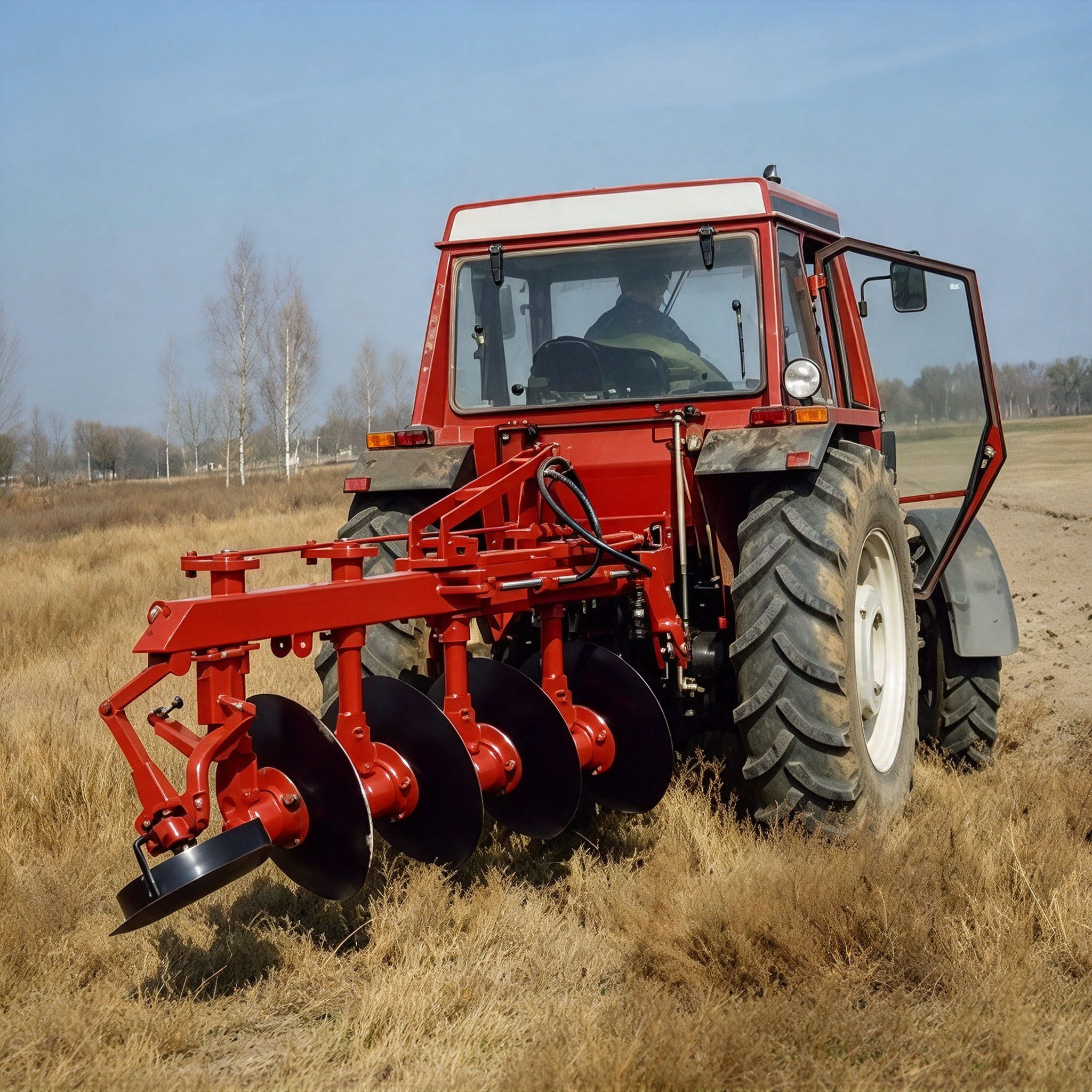
Disc tillers are essential agricultural tools designed to prepare soil for planting by breaking up and mixing the soil. As a B2B buyer, understanding the specifications and quality factors associated with disc tillers is crucial for making informed purchasing decisions. This article will help you navigate the complexities of selecting the right disc tiller for your operations, addressing key buyer concerns such as quality, installation challenges, material advantages, and cost considerations.

Key Quality Factors to Consider When Purchasing Disc Tillers

Key Quality Factors to Consider When Purchasing Disc Tillers

Quality is paramount when selecting a disc tiller, as it directly impacts performance, durability, and maintenance costs. Key quality factors include:

Material and Construction: High-quality steel is often used for the discs and frame, providing durability and resistance to wear. Buyers should look for manufacturers that use high-grade materials and robust welding techniques to enhance structural integrity.

Quality Control Processes: Ensure that the manufacturer implements strict quality control measures throughout the production process. This includes inspections of raw materials, in-process checking, and final inspections before shipping.

Warranty and Service: A strong warranty can indicate a manufacturer's confidence in their product. Buyers should consider the terms of the warranty and the availability of service parts, as these can significantly affect long-term operational costs. By focusing on these quality factors, buyers can reduce the risk of purchasing subpar equipment that may lead to increased maintenance and replacement costs.

Common Installation Issues with Disc Tillers and Their Solutions

Common Installation Issues with Disc Tillers and Their Solutions

Installing a disc tiller can present several challenges that may affect its performance. Common installation issues include:

Alignment Problems: Misalignment during installation can cause uneven tilling and excessive wear on the discs. Buyers should ensure that the tiller is properly aligned with the tractor's hitch before use. It’s advisable to refer to the manufacturer’s installation manual for specific alignment instructions.

Weight Distribution: Improper weight distribution can lead to performance issues. Buyers should check that the tiller's weight is evenly distributed across the frame to avoid potential damage and improve tilling efficiency.

Hydraulic Connections: Ensuring that hydraulic connections are properly installed is crucial for the operation of hydraulic lift systems. Buyers should verify that all hydraulic hoses are securely fastened and free from leaks. By proactively addressing these common installation issues, buyers can optimize the performance of their disc tillers and reduce the likelihood of operational downtime.

Evaluating Material Advantages in Disc Tiller Manufacturing

Evaluating Material Advantages in Disc Tiller Manufacturing

The materials used in the construction of disc tillers significantly influence their performance and longevity. Key material considerations include:

Disc Composition: High-carbon steel is commonly used for discs due to its strength and wear resistance. This material can withstand the abrasive nature of soil and rocks, ensuring a longer lifespan for the tiller.

Frame Materials: The frame should be constructed from heavy-duty steel or a similar composite to resist bending and deformation under load. Buyers should inquire about the specific materials used and their respective tensile strength ratings.

Coatings and Treatments: Protective coatings, such as galvanization or paint, can prevent rust and corrosion, especially in wet conditions. Buyers should verify if the manufacturer applies protective treatments and the expected durability of these coatings. Evaluating these material advantages will help buyers select a disc tiller that can withstand their specific operating conditions while minimizing maintenance needs.

Cost Factors to Consider When Sourcing Disc Tillers in Bulk

When sourcing disc tillers in bulk, various cost factors come into play that can significantly affect the overall expenditure. Key considerations include:

Unit Price vs. Total Cost of Ownership: While the initial unit price is important, buyers should also consider the total cost of ownership, which includes maintenance, operation, and potential repairs. A lower-priced tiller may end up costing more in the long run if it requires frequent repairs.

Minimum Order Quantity (MOQ): Understanding the MOQ set by the supplier is crucial for budgeting. Buyers should negotiate MOQ to align with their purchasing capacity while ensuring they receive competitive pricing.

Shipping and Handling Costs: Bulk purchases can incur significant shipping costs. Buyers should factor in transportation logistics and explore options for reducing these costs, such as consolidated shipments or local sourcing.

Customization Options: Customizing disc tillers to meet specific operational needs may incur additional costs. Buyers should assess the financial impact of customization against the benefits it provides in terms of performance and efficiency. By carefully evaluating these cost factors, buyers can make informed sourcing decisions that align with their budgetary constraints while ensuring they acquire high-quality equipment.

Understanding the specifications, quality, installation considerations, materials, and cost factors associated with disc tillers is essential for any B2B buyer. This knowledge not only aids in making informed purchasing decisions but also enhances operational efficiency and cost-effectiveness in agricultural practices. Additionally, considering processing machines can further streamline operations, ensuring a comprehensive approach to agricultural efficiency.

Understanding Disc Tiller Specifications for Wholesale Buyers

When considering disc tillers, buyers should focus on several key specifications that directly impact performance and compatibility with existing equipment. These specifications include the width and depth of the tilling discs, the number of discs per unit, and the overall weight of the tiller.

Disc Width and Depth: Wider discs can cover more ground and penetrate deeper into the soil, making them suitable for larger farms or tougher soil conditions. Buyers should evaluate the required disc size based on their specific soil type and farming practices.

Number of Discs: The configuration of the discs affects how thoroughly the soil is tilled. A higher number of discs can provide more effective soil mixing and aeration. However, this also increases the tiller’s weight, which can affect maneuverability.

Weight: The weight of the disc tiller influences its ability to penetrate hard soils. Heavier models may be more effective in tough conditions but can also require more powerful tractors for operation. Understanding these specifications enables buyers to ensure compatibility with their tractors and to select a model that meets their operational needs.

Frequently Asked Questions

What is a disc tiller used for?

A disc tiller breaks up soil, incorporates residues, levels seedbeds, and prepares fields for planting, suitable for various soil types and crop systems.
Power requirements vary by model; typical ranges are 20–120+ HP. Check specific model specs to match tractor PTO and weight capacity.
Yes. We supply spare parts and technical support worldwide, offering lifecycle services and guidance for maintenance and repair.
Yes. Our disc tillers are produced under CE and ISO 9001 systems to ensure quality, safety, and consistent manufacturing standards.
Yes. We offer tailored configurations—disc size, gang angle, mounting type, and width—to meet soil conditions and operational needs across different farms.

Get a Free Quote

Our representative will contact you soon.
0/1000