Understanding Kelly Tillage Machinery Specifications

application/kelly-tillage, application/kelly-tillage, 
Inquiry
Inquiry

kelly tillage

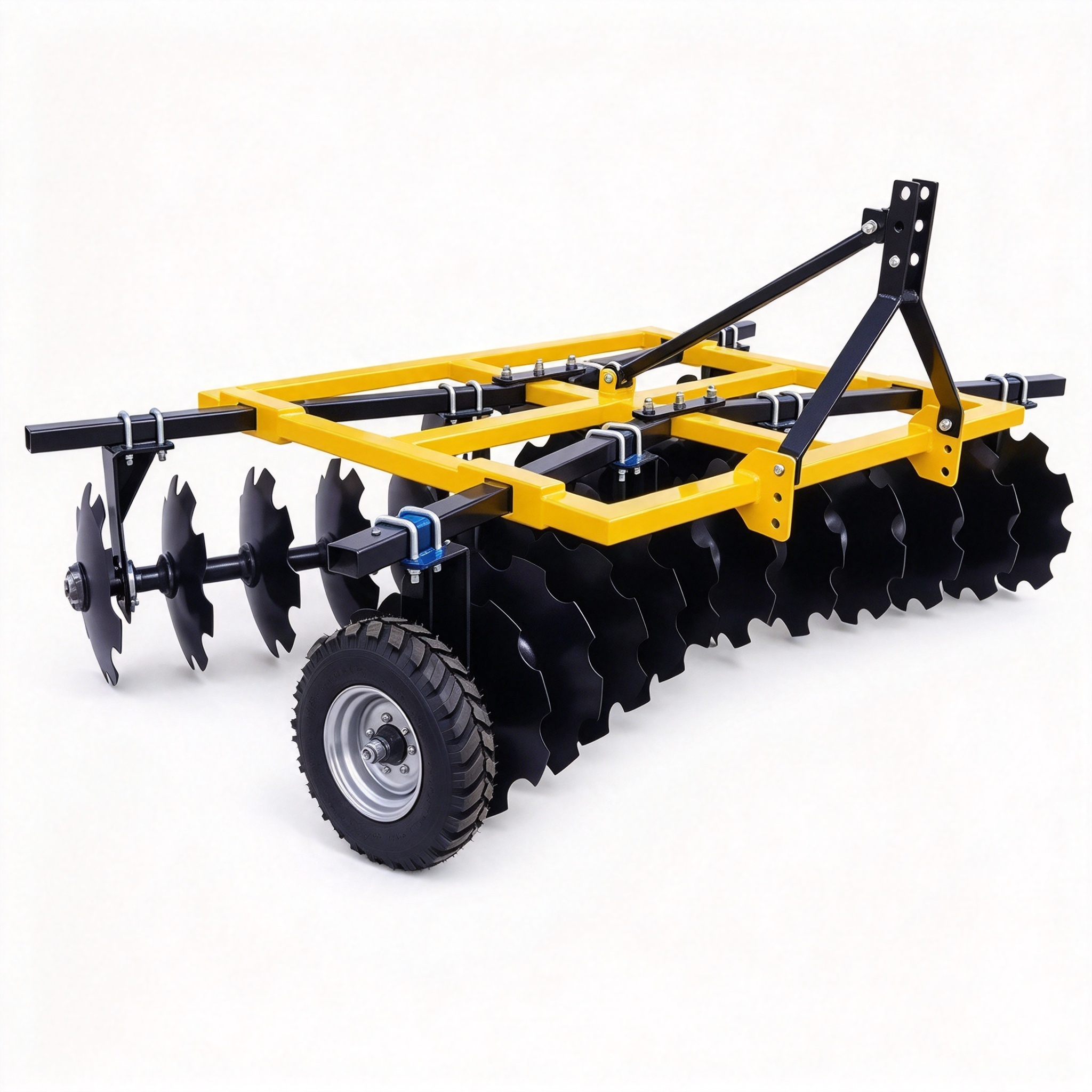
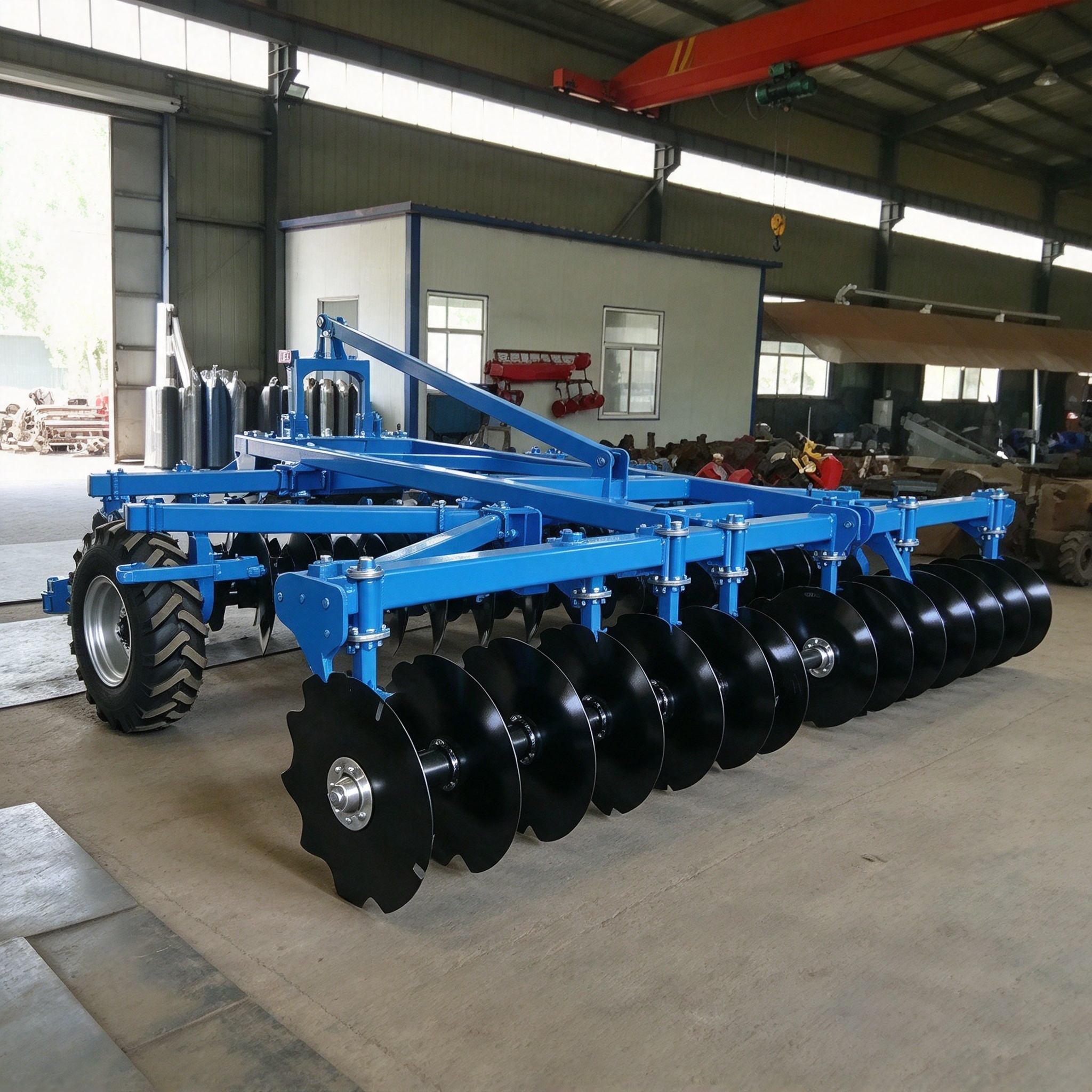
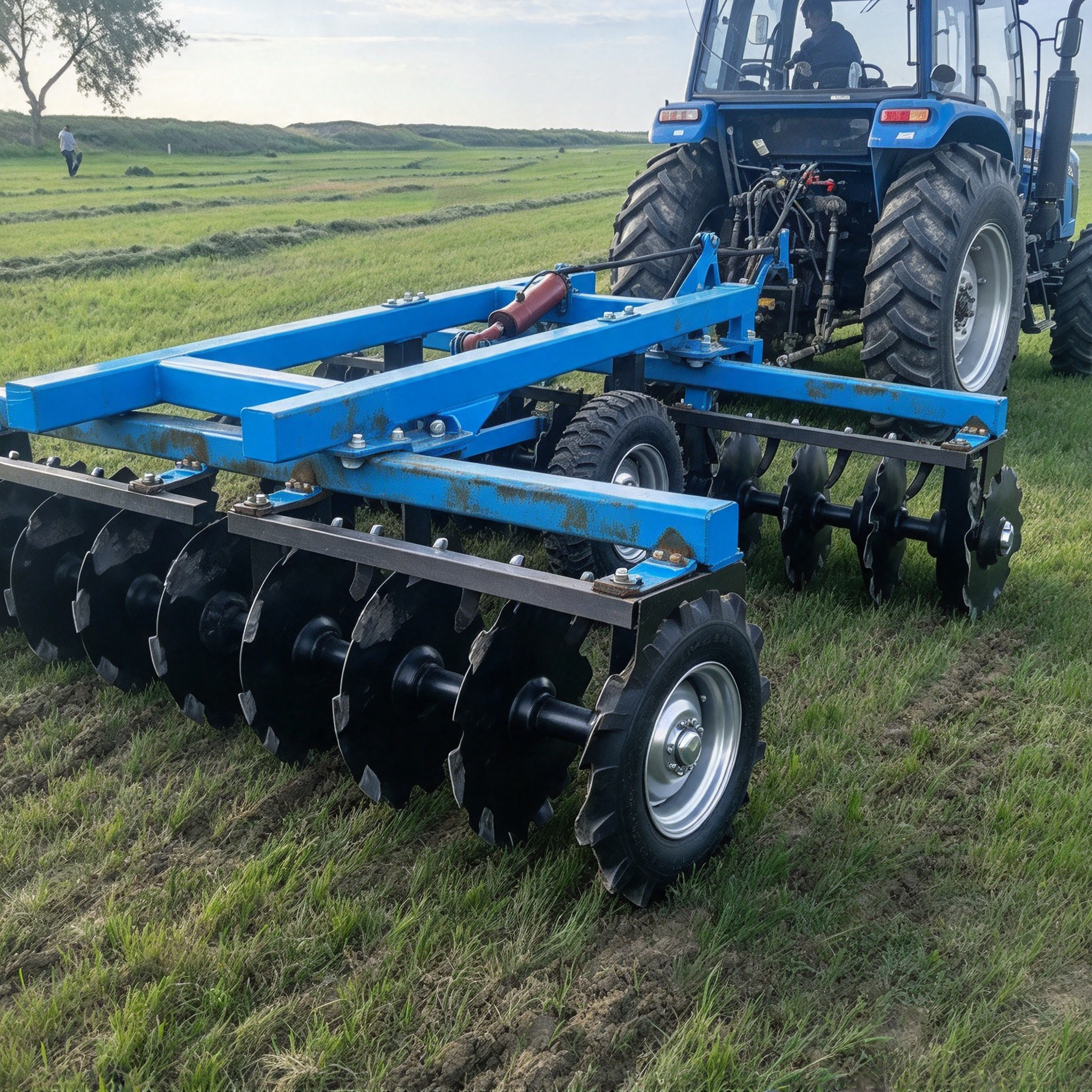
Kelly tillage machinery plays a crucial role in modern agriculture, enabling farmers to prepare their fields for planting efficiently and effectively. With the growing demand for sustainable and productive farming practices, understanding the specifications and quality of kelly tillage equipment is essential for purchasing managers, distributors, and agricultural engineers. This article will provide insights into the specifications of kelly tillage machinery, how to evaluate product quality for bulk orders, installation guidance, common problems and solutions, and tips for finding the best fit for specific agricultural projects.

Evaluating the Quality of Kelly Tillage Products for Bulk Orders

Evaluating the Quality of Kelly Tillage Products for Bulk Orders

Quality evaluation is paramount when considering bulk orders of kelly tillage machinery. Here are several factors that should be assessed:

Certifications: Ensure that the manufacturer holds relevant certifications, such as CE and ISO 9001. These certifications indicate adherence to international quality management standards, which can mitigate risks associated with product quality.

Quality Control Processes: Inquire about the manufacturer’s quality control measures throughout the production process. This includes inspection protocols at various stages of manufacturing, from raw material sourcing to final assembly. A robust quality control system helps ensure consistency and reliability in the products delivered.

Material Testing: Request information on material testing methods employed by the manufacturer. This can include tensile strength tests, corrosion resistance assessments, and fatigue testing. Understanding the testing processes can help buyers gauge the durability and long-term performance of the equipment.

Feedback from Existing Customers: Seek testimonials or case studies from other buyers who have purchased kelly tillage machinery. Their experiences can provide valuable insights into product performance and reliability over time.

By rigorously evaluating these factors, buyers can confidently approach bulk purchasing decisions.

Installation Guidance for Optimal Use of Kelly Tillage Equipmen

Installation Guidance for Optimal Use of Kelly Tillage Equipmen

Proper installation of kelly tillage machinery is critical for achieving optimal performance. Here are some guidelines to ensure successful installation:

Follow Manufacturer’s Instructions: Always adhere to the manufacturer’s installation manual. This document typically includes step-by-step instructions and specific details on required tools and setup procedures.

Check Compatibility with Tractors: Before installation, confirm that the machinery is compatible with the tractors intended for use. This includes verifying the hitch type, hydraulic requirements, and power take-off (PTO) specifications to avoid operational issues. When selecting a tractor, consider options like the Walking Tractor 15-18HP Water-Cooled Diesel 2WD Hand Tractor to ensure the best fit.

Leveling and Calibration: After installation, ensure that the tillage equipment is properly leveled. This may involve adjusting the height settings and calibrating the depth controls to match the intended tillage depth. Accurate leveling maximizes the efficiency of soil preparation.

Trial Runs: Conduct trial runs in a controlled environment before full-scale operation. This allows operators to make necessary adjustments and troubleshoot any potential issues.

By following these installation guidelines, users can optimize the performance of their kelly tillage equipment.

Addressing Common Problems with Kelly Tillage Equipment Solutions

Addressing Common Problems with Kelly Tillage Equipment Solutions

Even the best kelly tillage machinery can encounter issues during operation. Here are some common problems and solutions:

Poor Soil Penetration: If the machinery is not penetrating the soil effectively, it may be due to insufficient weight or improper depth settings. Adjusting the depth control and ensuring the appropriate tractor weight can help address this issue.

Clogging: Soil and debris can accumulate in the tillage equipment, leading to clogging. Regular inspections and maintenance, including cleaning the machinery after use, can minimize this problem. Additionally, using the appropriate tillage speed can help reduce clogs.

Wear and Tear on Components: Regular wear and tear on blades and tines is expected. However, proactive maintenance, including timely replacement of worn components, can ensure consistent performance and reduce the risk of unexpected breakdowns.

Hydraulic Issues: If hydraulic functions are not operating smoothly, it may indicate low fluid levels or leaks. Routine checks of the hydraulic system can prevent malfunctions during critical tillage operations.

By being aware of these common problems and their solutions, operators can maintain their kelly tillage equipment effectively.

Finding the Best Fit for Projects

Selecting the right kelly tillage machinery for specific projects requires careful consideration of various factors:

Project Scope: Assess the size and nature of the agricultural project. Larger projects may necessitate equipment with greater working widths and higher horsepower ratings. For smaller or specialized projects, more compact machinery may be suitable.

Soil Conditions: Different soil types require different tillage approaches. Conduct soil tests to understand compaction levels, moisture content, and soil texture. This information will guide buyers in selecting equipment designed to handle specific soil conditions.

Crop Types: Consider the types of crops to be cultivated. Different crops may require different tillage practices. For example, row crops may benefit from specific tillage patterns to ensure proper seed placement and aeration.

Budget and Cost Considerations: Evaluate the total cost of ownership, including purchase price, maintenance costs, and potential downtime. While upfront costs are important, the long-term value and durability of the machinery should also be taken into account.

Customization Options: Some manufacturers offer customization options to better match specific agricultural needs. Inquire about available modifications to ensure the machinery aligns with project requirements.

By carefully considering these factors, buyers can select kelly tillage machinery that best fits their specific agricultural projects, ensuring efficient and effective tillage operations.

Understanding the Specifications of Kelly Tillage Machinery

When assessing kelly tillage machinery, several specifications directly influence performance and suitability for various agricultural applications. Key specifications include working width, depth adjustment, and soil penetration capabilities.

Working Width: This measurement indicates how wide the tillage implement can work in a single pass. A broader width can enhance productivity by reducing the number of passes required for tilling, but it may necessitate a more powerful tractor. Buyers should consider their specific field sizes and tractor capabilities when evaluating this specification.

Depth Adjustment: The ability to adjust the tillage depth is crucial for different soil types and crop requirements. Machinery with precise depth control allows operators to adapt to varying soil conditions, ensuring optimal seedbed preparation. Buyers should confirm that the equipment offers easy depth adjustments.

Soil Penetration Capability: This specification refers to the machinery’s ability to penetrate different soil types effectively. A tillage implement designed for heavy clay soils may differ significantly in design from one meant for sandy soils. Understanding soil conditions in your fields will help in selecting the appropriate tillage machinery.

Material Construction: The durability of kelly tillage equipment is often determined by the materials used in its construction. High-quality steel components can enhance longevity and resistance to wear, which is particularly important in demanding agricultural environments. To enhance the efficiency of your farming operations, consider integrating equipment such as the 8-25HP Diesel Walk Behind Tractor Water-Cooled Hand Start Farm Tractor that pairs well with tillage machinery.

By understanding these specifications, buyers can make informed decisions tailored to their unique agricultural needs.

Get a Free Quote

Our representative will contact you soon.
0/1000