Key Features of Heavy Duty Tillers for Bulk Orders

application/heavy-duty-tillers, application/heavy-duty-tillers, 
Inquiry
Inquiry

heavy duty tillers

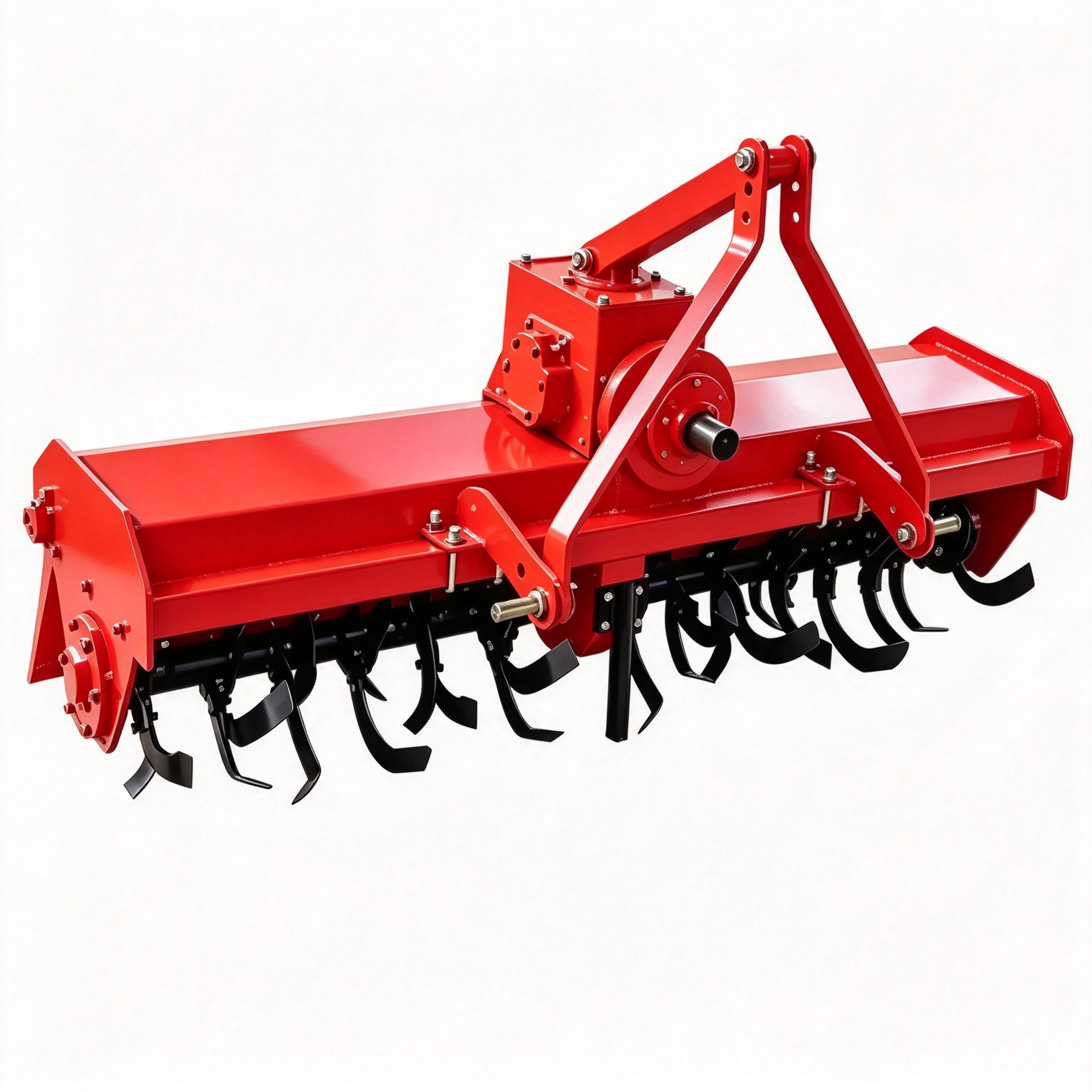
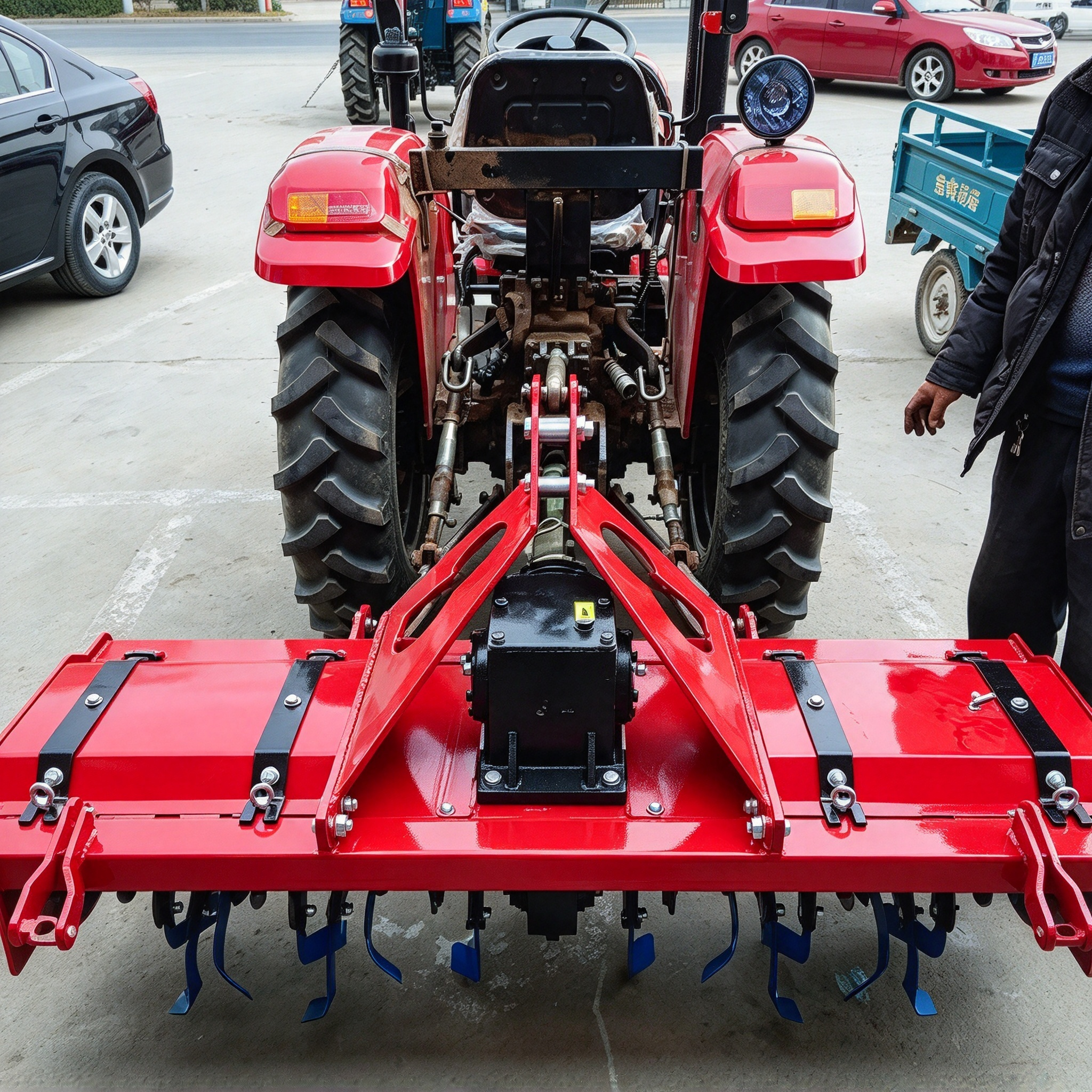
Heavy duty tillers are essential agricultural tools designed for robust soil cultivation, enabling farmers to prepare their fields for planting effectively. As purchasing managers and agricultural engineers consider options for bulk orders, understanding the specifications, supplier reliability, and material advantages of these tillers becomes critical. This article will provide valuable insights into selecting the right heavy duty tillers, ensuring that buyers make informed decisions that align with their operational needs.

Wholesale Purchasing Tips for Reliable Heavy Duty Tiller Suppliers

Wholesale Purchasing Tips for Reliable Heavy Duty Tiller Suppliers

Selecting a reliable supplier for heavy duty tillers is a critical process that can significantly affect the success of agricultural operations. Here are some practical tips for wholesale purchasing:

Evaluate Supplier Credentials: Look for suppliers with industry certifications, such as ISO 9001, which indicates adherence to quality management practices. Agripros, for instance, is CE/ISO 9001 certified, ensuring their products meet stringent quality standards.

Assess Product Range and Customization Options: Suppliers that offer a diverse range of tiller models and customization capabilities can better meet unique operational requirements. Consider whether the supplier can adjust specifications based on specific soil conditions or crop types.

Request Samples: Before placing large orders, request product samples to evaluate performance. Testing samples in real-world conditions helps ensure the tillers will meet operational expectations.

Inquire About Lead Times: Understanding production and delivery timelines is essential for planning. Suppliers should provide clear information about lead times, especially for customized orders.

Check References and Reviews: Seek feedback from other customers regarding their experiences with the supplier. Positive testimonials can indicate reliability and quality service.

Evaluate After-Sales Support: A good supplier should offer robust customer service, including maintenance support and access to spare parts. This can minimize downtime during critical planting seasons.

By following these tips, buyers can select suppliers that offer not only quality products but also reliable support and service.

Where to Source Heavy Duty Tillers for Large Scale Projects

Where to Source Heavy Duty Tillers for Large Scale Projects

Sourcing heavy duty tillers for large-scale agricultural projects requires strategic decision-making. Here are several avenues to consider:

Direct Manufacturer Contact: Engaging with manufacturers directly, such as Agripros, can provide better pricing structures and customization options. Manufacturers often have a deeper understanding of their products and can offer tailored solutions.

Trade Shows and Agricultural Expos: Attending industry trade shows allows buyers to see products firsthand, compare features, and establish relationships with multiple suppliers. Events often showcase the latest innovations in agricultural machinery.

Online Marketplaces: Platforms that specialize in industrial and agricultural equipment can provide a broad array of options from various suppliers. However, buyers should verify supplier credibility through reviews and ratings.

Distribution Networks: Established distributors often provide localized support and services, making them a reliable option for sourcing heavy duty tillers. They can also offer insights into regional preferences and requirements.

Industry Associations and Networks: Joining agricultural associations can provide access to valuable resources, including supplier directories and recommendations from industry peers.

By leveraging these sourcing channels, buyers can find heavy duty tillers that best fit their operational needs and budget.

Key Steps to Follow

Key Steps to Follow

When preparing to purchase heavy duty tillers, following a structured approach can enhance decision-making:

Define Requirements: Identify specific tilling needs based on soil type, crop rotation, and field size. Understanding these factors will guide your search for suitable tillers.

Budget Planning: Establish a budget that includes not only the cost of the tillers but also potential shipping, installation, and maintenance expenses. This comprehensive view helps in comparing options effectively.

Supplier Research: Compile a list of potential suppliers based on reliability, product offerings, and customer service. Utilize online resources, trade shows, and industry contacts to gather information.

Request Quotes: Reach out to shortlisted suppliers for quotes, ensuring to provide detailed specifications and quantities. This will help in receiving accurate pricing and lead time estimates.

Evaluate Proposals: Compare quotes not just on price but also on total value, including warranty terms, service agreements, and customization options.

Finalize Orders: Choose the supplier that best meets your criteria and confirm all details before placing the order. Ensure you have a clear understanding of payment terms and delivery schedules.

By following these steps, buyers can streamline the procurement of heavy duty tillers and secure the best possible outcomes for their agricultural operations.

Understanding Material Advantages in Heavy Duty Tiller Design

The materials used in the construction of heavy duty tillers significantly influence their performance, durability, and overall effectiveness. Here are key material considerations:

Steel Quality: High-carbon steel is often favored for its strength and resistance to bending and breaking under stress. Tiller components made from this material can withstand rigorous agricultural tasks, ensuring longevity.

Corrosion Resistance: Given the exposure to moisture and soil, materials that resist corrosion, such as galvanized steel or those with protective coatings, are essential. This prevents premature deterioration, especially in humid climates.

Weight Distribution Materials: The design of heavy duty tillers often incorporates different materials to optimize weight distribution and balance. Proper weight distribution enhances tilling efficiency and reduces operator fatigue during prolonged use.

Component Reinforcement: Key areas of tillers, such as tines and gearboxes, may benefit from reinforced materials to handle additional stress during operation. This is especially important for tillers used in tough soil conditions.

Impact Resistance: Materials that can absorb impact without fracturing are crucial for tillers expected to operate in rocky or hard soil. This feature can prevent damage and reduce maintenance costs.

Understanding these material advantages helps buyers select heavy duty tillers that will perform reliably and meet their agricultural demands effectively. Additionally, utilizing equipment like the Tractor Mounted 9-16 Row Seed Drill Grain Seeder for Wheat can enhance overall farming efficiency.

Top Specifications to Compare in Heavy Duty Tillers for Bulk Orders

When evaluating heavy duty tillers, several key specifications should be prioritized to ensure optimal performance and suitability for specific agricultural applications:

Engine Power: The power of the tiller’s engine, typically measured in horsepower, directly influences its ability to handle tough soil conditions. An engine with higher horsepower can more effectively penetrate compacted soil, making it suitable for larger fields or more challenging tillage tasks.

Tilling Width and Depth: These dimensions determine how much soil can be tilled in a single pass and how deeply the tiller can work. A wider tilling width reduces the number of passes needed, while adjustable depth control allows operators to customize tilling according to crop requirements.

Tine Configuration: The number, shape, and arrangement of tines affect the tiller's efficiency and the quality of tillage. For instance, spiral tines can improve soil aeration and mixing, while straight tines may be more effective for deeper penetration.

Durability and Material Composition: Heavy duty tillers should be constructed from high-strength materials to withstand rigorous use. Buyers should look for tillers with components made from hardened steel or other durable alloys, which offer better resistance to wear and tear. For example, the 8-25HP Diesel Walk Behind Tractor Water-Cooled Hand Start Farm Tractor is known for its robust construction.

Weight: The overall weight of the tiller impacts its stability and ease of operation. Heavier models tend to provide better traction and deeper tilling but may require more power to operate.

Transmission Type: Gear-driven tillers generally offer better torque and durability compared to belt-driven options. Understanding the transmission type can inform buyers about the tiller's longevity and maintenance needs.

Ensuring these specifications align with operational requirements will help streamline purchasing decisions and improve overall tillage efficiency.

Frequently Asked Questions

What applications are heavy duty tillers suitable for?

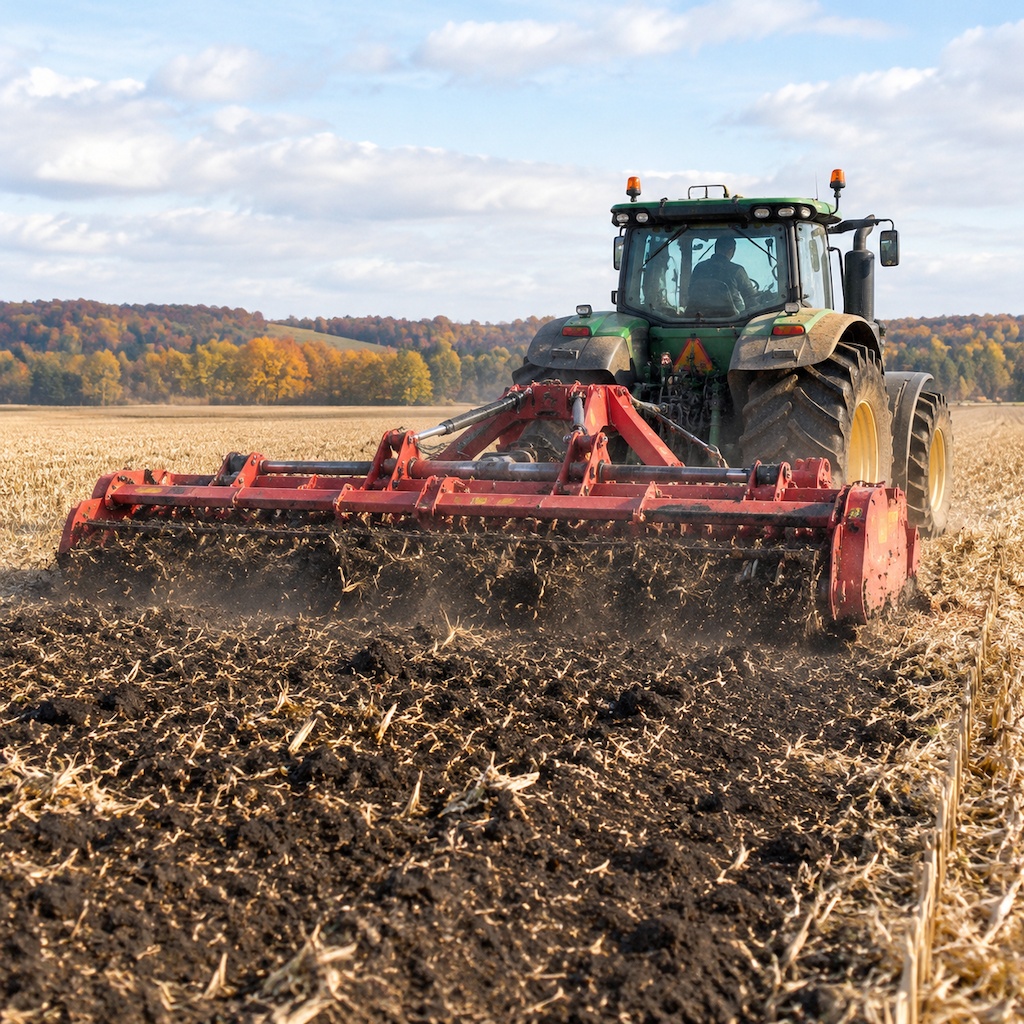
Our heavy duty tillers are designed for deep tillage, seedbed preparation, weed control, and soil mixing on farms, plantations, and large-scale agricultural projects.
They are compatible with standard agricultural tractors and can be matched to power ranges specified in product specs; we provide recommendations based on field size and soil type.
Yes. Agripros heavy duty tillers are manufactured under ISO 9001 quality systems and meet CE standards for machinery safety and performance.
Yes. We provide tailored configurations, spare parts, and lifecycle-based service plans to optimize performance across different crops and terrains.
We offer warranty coverage, technical support, spare parts supply, and maintenance guidance to customers across our global service network.

Get a Free Quote

Our representative will contact you soon.
0/1000