Choosing the Right Drill Seed Planter for Efficiency

application/drill-seed-planter, application/drill-seed-planter, 
Inquiry
Inquiry

drill seed planter

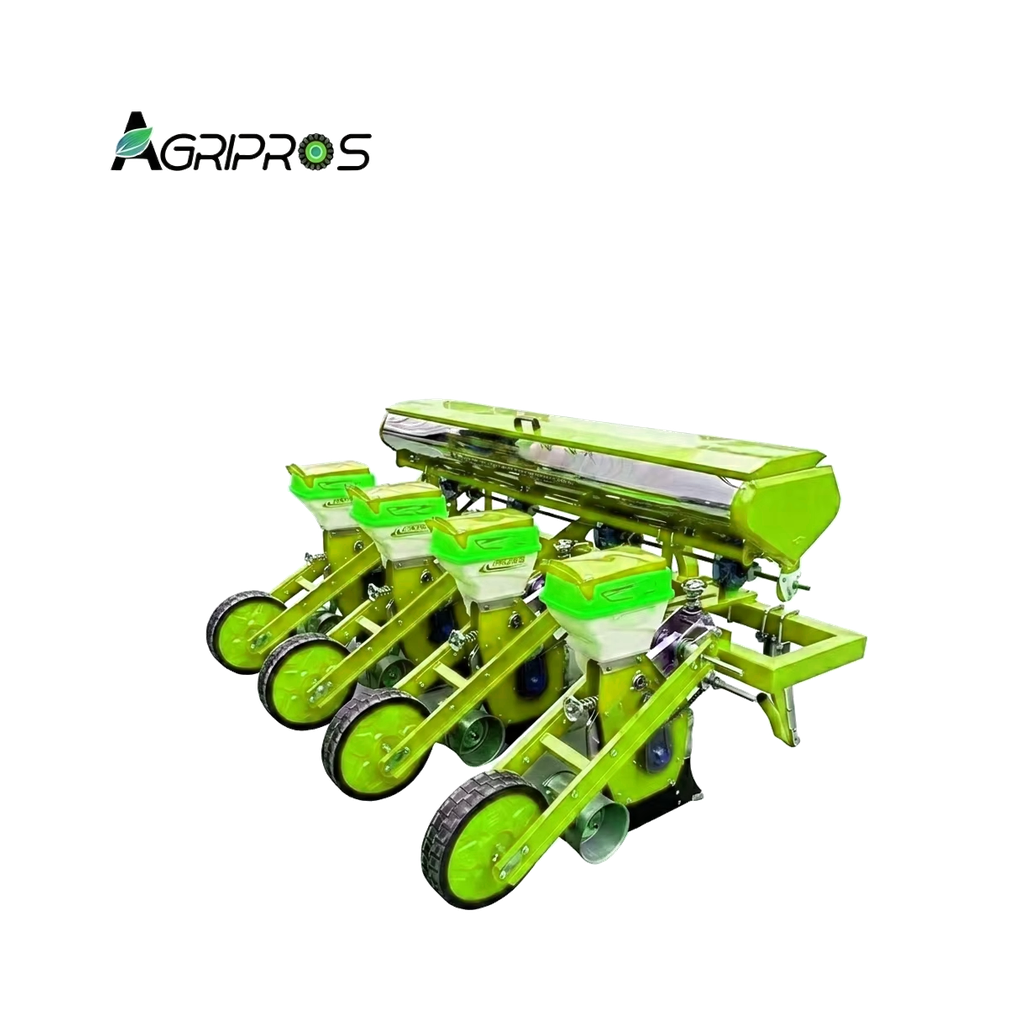
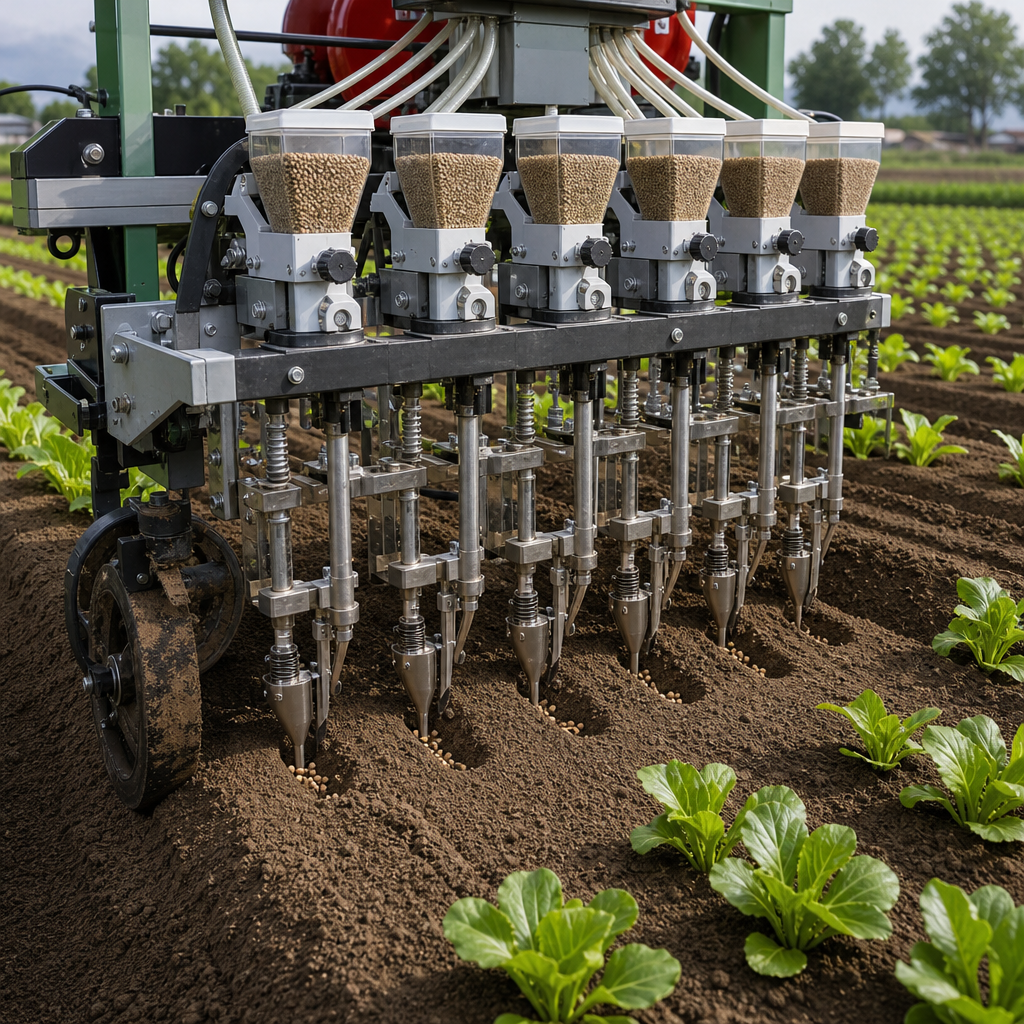
Drill seed planters are essential agricultural machinery designed to efficiently sow seeds at consistent depths and spacings, optimizing crop yields. For B2B buyers, such as purchasing managers and distributors, the considerations surrounding the selection of drill seed planters encompass not only the equipment's performance but also its specifications, quality, and suitability for specific applications. This article aims to provide practical insights into choosing the right drill seed planter, key specifications to consider, quality evaluation for bulk orders, installation guidance, and cost factors to consider for informed purchasing decisions.

Key Specifications to Consider for Drill Seed Planters

Key Specifications to Consider for Drill Seed Planters

When assessing drill seed planters, several specifications should be prioritized to ensure optimal performance:

Row Spacing: This affects seed distribution and can influence crop yields. Standard spacings vary, so confirm what is ideal for your crop type.

Seeding Depth Adjustment: Planters that allow for easy depth adjustments can accommodate different soil types and crop requirements effectively.

Material Durability: Consider planters made from high-strength steel or corrosion-resistant materials, particularly for operations in diverse weather conditions.

Drive Mechanism: Evaluate whether the planter uses a mechanical or hydraulic drive system, as this can impact planting speed and consistency.

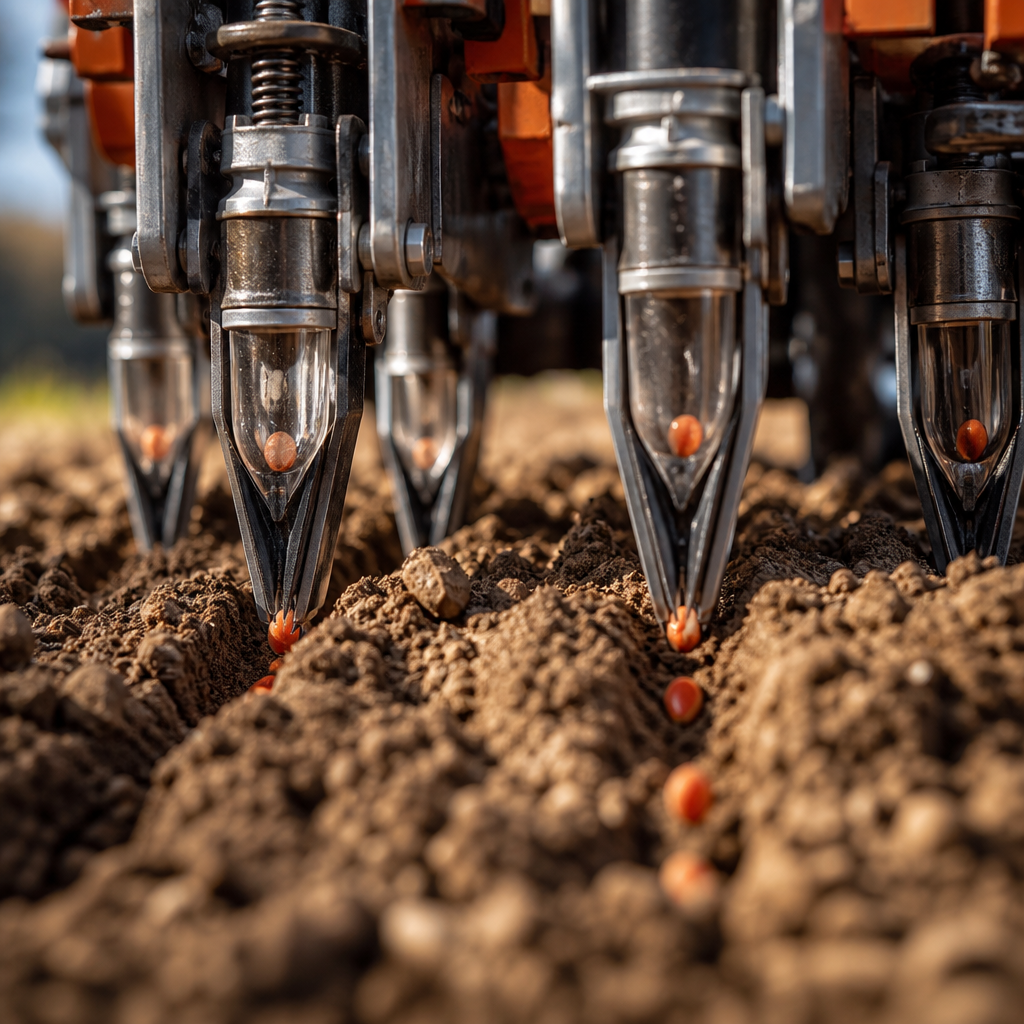
Seed Metering System: Precision seed metering ensures even seed distribution, affecting germination rates and crop health.

Each specification directly impacts the planter's operational efficiency and the overall success of crop production. Therefore, buyers should confirm these specifications align with their farming practices.

Evaluating the Quality of Drill Seed Planters for Bulk Orders

Evaluating the Quality of Drill Seed Planters for Bulk Orders

Quality assurance is essential when purchasing drill seed planters in bulk. Buyers should look for manufacturers with established quality control processes and relevant certifications, such as ISO 9001. These certifications indicate adherence to international quality management standards.

Prior to bulk orders, it is advisable to request samples or prototypes. Inspecting these samples allows buyers to evaluate the build quality, functionality, and durability of the planters under real-world conditions. Pay close attention to weld integrity, component fit, and the effectiveness of the seeding mechanism. Furthermore, consider how the selected planters work in conjunction with other equipment like Processing Machines.

Additionally, inquire about the manufacturer's warranty and support services. A robust warranty can mitigate risks associated with bulk purchases, ensuring that any defects or performance issues are addressed promptly.

Installation Guidance for Efficient Use of Drill Seed Planters

Installation Guidance for Efficient Use of Drill Seed Planters

Proper installation of drill seed planters is critical for optimal performance. Buyers should follow the manufacturer's installation guidelines closely to avoid misalignment or improper setup, which can lead to inefficient seeding.

Key installation steps include:

Leveling the Planter: Ensuring the planter is level prevents uneven seed distribution and promotes consistent planting depth.

Calibration: Calibrate the seed metering system according to the seed type and desired planting rate to enhance precision.

Testing: Before full-scale usage, conduct a test run to verify the planter's performance. This can help identify any adjustments needed for optimal operation.

Regular Maintenance Checks: After installation, establish a routine maintenance schedule to inspect and adjust the planter as necessary, ensuring long-term efficiency.

Following these guidelines not only improves planting effectiveness but also extends the lifespan of the equipment.

Cost Factors to Consider When Purchasing Drill Seed Planters

Understanding the cost factors associated with drill seed planters is vital for budget management. The overall price can be influenced by several elements:

Initial Purchase Price: This includes the base cost of the planter and any additional features or attachments.

Customization: Customizing the planter for specific crops or soil types may incur extra costs. Buyers should evaluate whether these modifications are essential for their operations.

Shipping and Handling: Depending on the destination, shipping costs can vary significantly. It's important to account for these costs in the overall budget.

Maintenance and Parts: Consider the long-term costs associated with maintenance and replacement parts. A more durable planter may have a higher upfront cost but lower maintenance expenses over time.

Financing Options: Explore financing options or leasing arrangements that can help manage cash flow while acquiring necessary equipment.

By evaluating these cost factors, buyers can make informed financial decisions that align with their agricultural goals and operational budgets.

In summary, selecting the right drill seed planter involves careful consideration of specifications, quality, installation practices, and cost factors. By following the insights outlined, B2B buyers can ensure they make informed decisions that enhance their agricultural productivity and efficiency.

How to Choose the Right Drill Seed Planter for Your Needs

Selecting the appropriate drill seed planter requires a clear understanding of your specific agricultural needs. Key considerations include the type of crops being planted, soil conditions, and the scale of farming operations. For instance, row crop planters are ideal for larger fields, while smaller, compact models may suit smaller farms or specialized crops. Additionally, integrating effective Irrigation Systems can further enhance crop yields.

Buyers should also evaluate factors like planter configuration—whether they require a single or multiple row planter—and the desired planting depth, which can significantly affect crop growth. Furthermore, consider the planter's adaptability to various terrains and its compatibility with existing farming equipment. Ensuring that the chosen model can handle your operational requirements is crucial for maximizing efficiency and minimizing downtime.

Frequently Asked Questions

What is the drill seed planter used for?

Our drill seed planter accurately places seeds at consistent depth and spacing for row crops, improving germination and field uniformity across varied soil conditions.
Compatible with cereals, legumes, grasses, and many other row crops. Seed metering is adjustable to suit seed size and crop type.
Manufactured under CE and ISO 9001 standards, ensuring consistent quality, safety, and traceable production processes.
Yes. We offer tailored configurations, capacity options, and lifecycle-based setups to match small farms or large plantations across diverse terrains.
We provide technical support, maintenance guidance, and spare parts supply. Service packages can be arranged to ensure long-term operational reliability.

Get a Free Quote

Our representative will contact you soon.
0/1000

Related product categories