Key Insights on Machine Agriculture for Buyers

application/machine-agriculture, application/machine-agriculture, 
Inquiry
Inquiry

machine agriculture

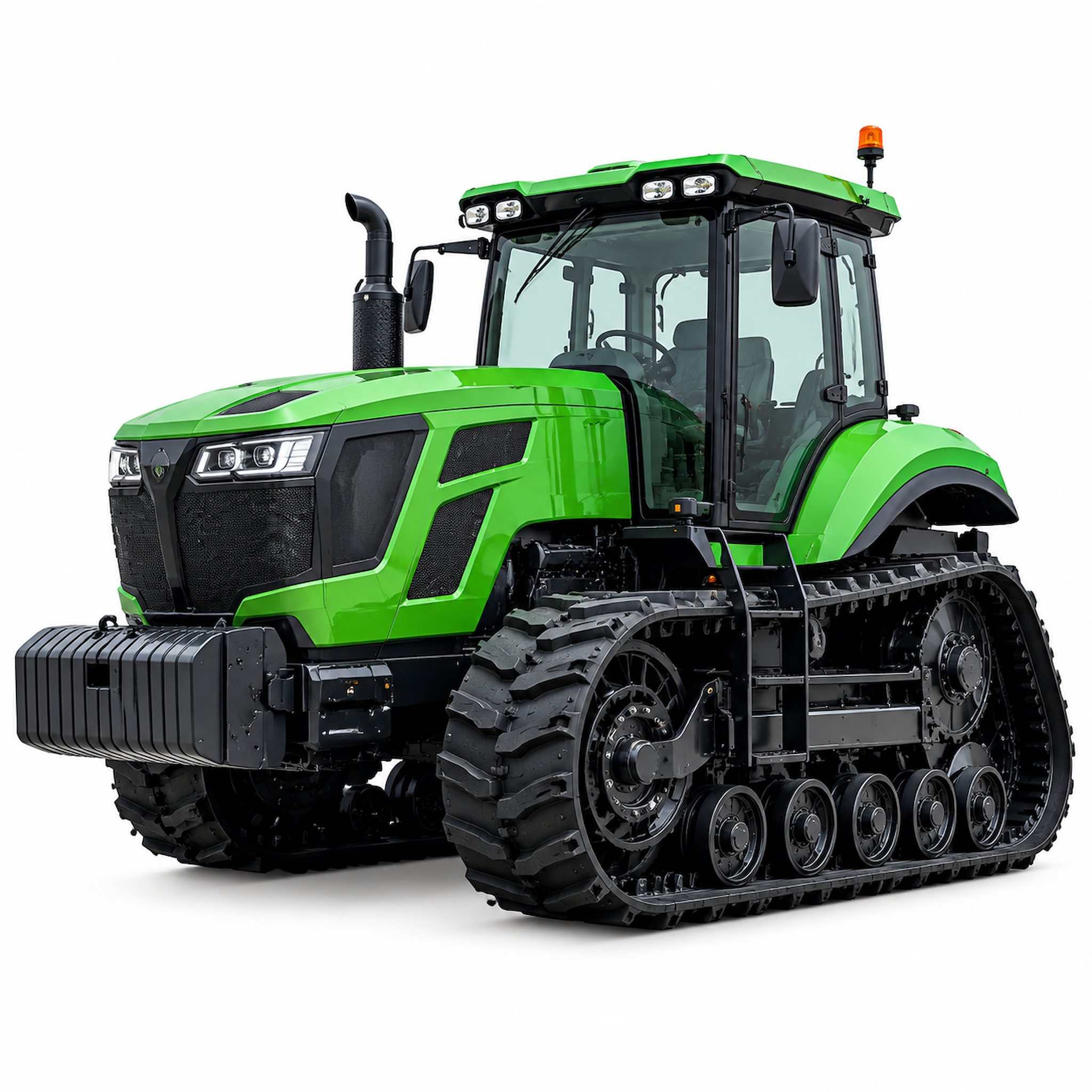
In the realm of modern agriculture, machine agriculture plays a pivotal role in enhancing productivity and efficiency. This encompasses a broad spectrum of equipment designed for tillage, seeding, irrigation, and harvesting. For B2B buyers, understanding the intricacies of agricultural machinery is critical, as the selection of the right equipment can directly impact operational effectiveness and cost efficiency. This article aims to provide essential insights for purchasing managers, distributors, and agricultural professionals, addressing key concerns about product selection, cost factors, quality control, and diverse applications. Additionally, understanding the types of Processing Machines available can further aid in making informed decisions.

How to Assess Cost Factors When Purchasing Agricultural Equipmen

How to Assess Cost Factors When Purchasing Agricultural Equipmen

Cost assessment is a critical component of the purchasing process. Buyers should consider both the initial purchase price and the total cost of ownership. Here are the primary factors to evaluate:

Initial Purchase Price: This is the most apparent cost but does not always reflect the long-term value. Buyers should compare similar models from different suppliers to ensure they are receiving competitive pricing.

Operating Costs: These include fuel consumption, maintenance requirements, and wear-and-tear on components. For example, machines with higher energy efficiency may have a higher upfront cost but result in lower operating expenses over time.

Financing Options: Many suppliers offer financing plans. Understanding the terms and interest rates can help buyers manage their budgets more effectively.

Incentives and Subsidies: Buyers should research any available government incentives or subsidies for purchasing agricultural machinery, as these can significantly offset costs.

Resale Value: Equipment depreciation is an important consideration. Machines known for durability and reliability may retain their value better than others, providing a higher return on investment when it comes time to upgrade.

By thoroughly assessing these cost factors, buyers can make decisions that align with their financial goals while ensuring they acquire the right machinery for their operations.

What to Expec

What to Expec

Expectations for agricultural machinery should align with the intended applications and operational demands. Here are some common aspects to consider:

Performance Expectations: Buyers should have clear performance benchmarks based on crop type and operational goals. Discussing these expectations with suppliers can help ensure that the machinery selected meets or exceeds these criteria.

Lead Times: Understanding the lead time for delivery is crucial, especially during planting or harvesting seasons. Buyers should inquire about production schedules and potential delays.

Maintenance Requirements: Regular maintenance is essential for the longevity and efficiency of agricultural machinery. Buyers should expect to establish a maintenance schedule and understand the availability of service support.

Training for Operators: New machinery may require specific training for operators to ensure safe and efficient use. Buyers should discuss training programs with suppliers as part of the purchasing process.

Warranty and Support: Reliable warranty coverage and support from the manufacturer can significantly enhance the value of the purchase. Buyers should clarify warranty terms and the process for obtaining service or parts.

These expectations guide buyers in forming a realistic view of what their new equipment should deliver and how they can maximize its value.

Exploring Applications of Agricultural Machinery in Diverse Environments

Exploring Applications of Agricultural Machinery in Diverse Environments

Agricultural machinery serves a multitude of applications across various environments. Here are some examples:

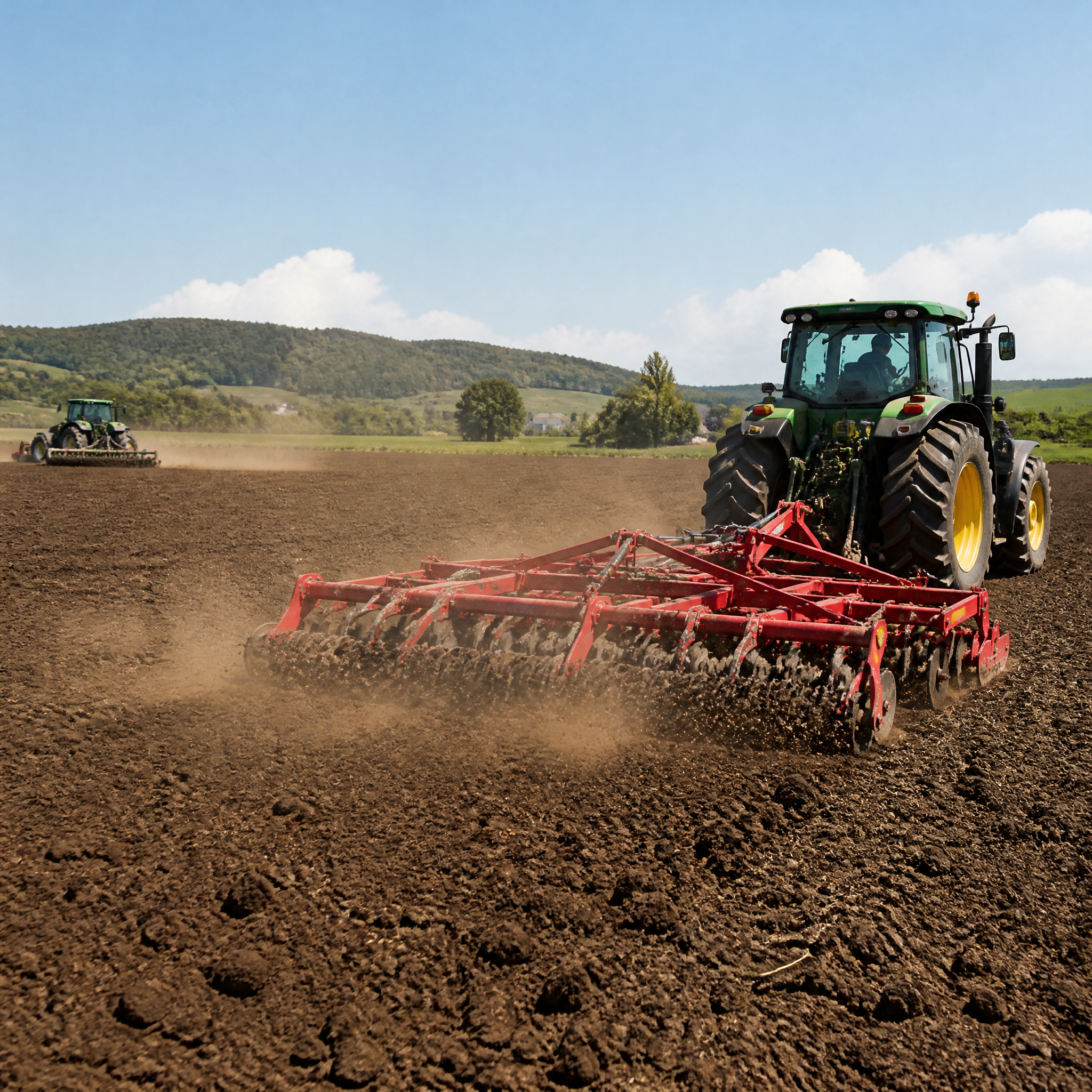
Tillage: Machinery such as plows and harrows prepares the soil for planting by breaking it up and mixing in nutrients. The choice of tillage equipment can vary based on soil type and crop requirements.

Seeding: Precision seeders ensure optimal planting depth and spacing, enhancing germination rates and crop yields. Buyers should consider the seeder's compatibility with specific crops.

Irrigation: Irrigation systems, including drip and pivot systems, require machinery tailored to the specific layout and water requirements of the fields. For more information on different Irrigation Systems, buyers should consult their suppliers.

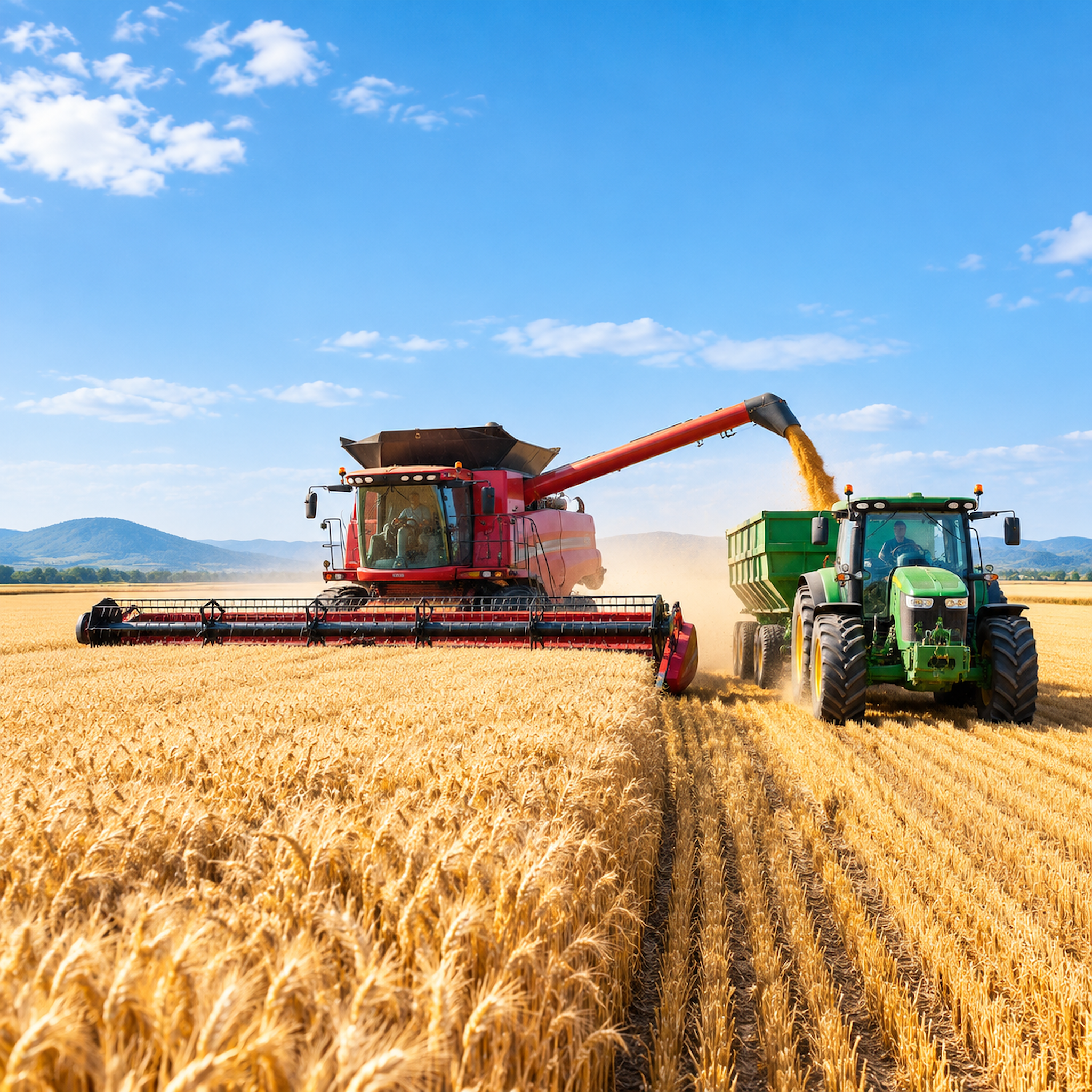
Harvesting: The choice of harvesting equipment, like combine harvesters, depends on crop type and field conditions. Buyers should assess the machine's capacity and efficiency in handling the expected harvest volume.

Maintenance and Upgrades: As agricultural practices evolve, machinery applications may expand or change. Buyers should consider equipment that can adapt to future needs or technologies.

Understanding these applications helps buyers select machinery that fits their operational environment and enhances overall productivity.

How Agripros Ensures Quality Control in Agricultural Manufacturing

At Agripros, quality control is embedded within the manufacturing process to ensure that every piece of equipment meets high standards. Key aspects of our quality assurance include:

Certifications: Our machinery is manufactured under ISO 9001 standards, ensuring that all processes meet international quality management requirements.

Material Inspection: All materials used in production undergo rigorous inspections to ensure they meet specified standards for strength and durability.

Production Equipment: We utilize advanced manufacturing technologies that enhance precision and reduce the likelihood of defects. This includes automated systems that ensure consistency across production runs.

Testing Procedures: Each piece of equipment undergoes extensive testing before it leaves the factory. This includes performance tests and safety evaluations to confirm that the machinery operates as intended.

Continuous Improvement: Feedback from customers and performance data is regularly analyzed to identify areas for improvement in both products and processes.

By prioritizing quality control, Agripros guarantees that its agricultural machinery not only meets but exceeds customer expectations, contributing to the success of agricultural operations across various climates and conditions.

By understanding these facets of agricultural machinery, buyers can navigate their purchasing decisions with confidence, ensuring they choose the right equipment for their specific agricultural needs.

What Buyers Need to Know

When considering the purchase of agricultural machinery, buyers should first evaluate their specific operational needs. This includes understanding the type of crops being cultivated, the scale of the operation, and the specific tasks the machinery will perform. Additionally, buyers should consider the following factors:

Specifications and Features: Buyers should familiarize themselves with essential specifications such as power output, working width, and operational speed. Each of these plays a significant role in determining the efficiency and effectiveness of the equipment.

Material Selection: The materials used in construction affect durability and performance. For instance, high-strength steel may be preferred for components subject to heavy wear.

Customization Options: Many manufacturers, including Agripros, offer customization capabilities to tailor machinery to specific agricultural requirements. This could include modifications in size, features, or materials.

Integration with Existing Equipment: Buyers should ensure that new machinery is compatible with their current fleet. This can prevent additional costs associated with adapting existing systems.

After-Sales Support: A reliable supplier should provide comprehensive after-sales support, including maintenance services and availability of spare parts. It's essential for buyers to know that support will be offered for equipment like Irrigation Systems to maintain operational efficiency.

Understanding these key points will equip buyers with the knowledge to make informed decisions when selecting agricultural machinery.

Get a Free Quote

Our representative will contact you soon.
0/1000