Power Harrows: Key Specifications for Bulk Orders

application/power-harrows, application/power-harrows, 
Inquiry
Inquiry

power harrows

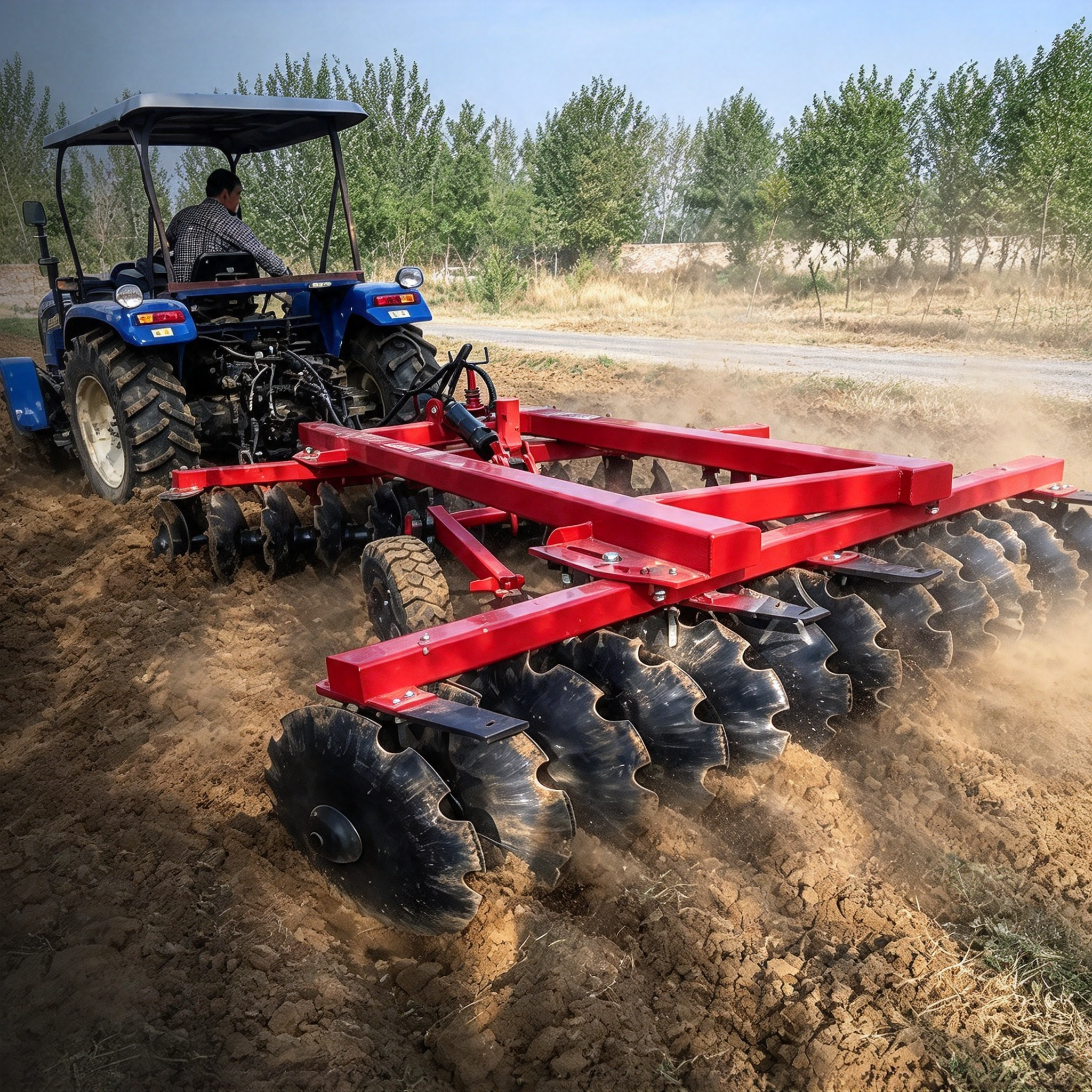
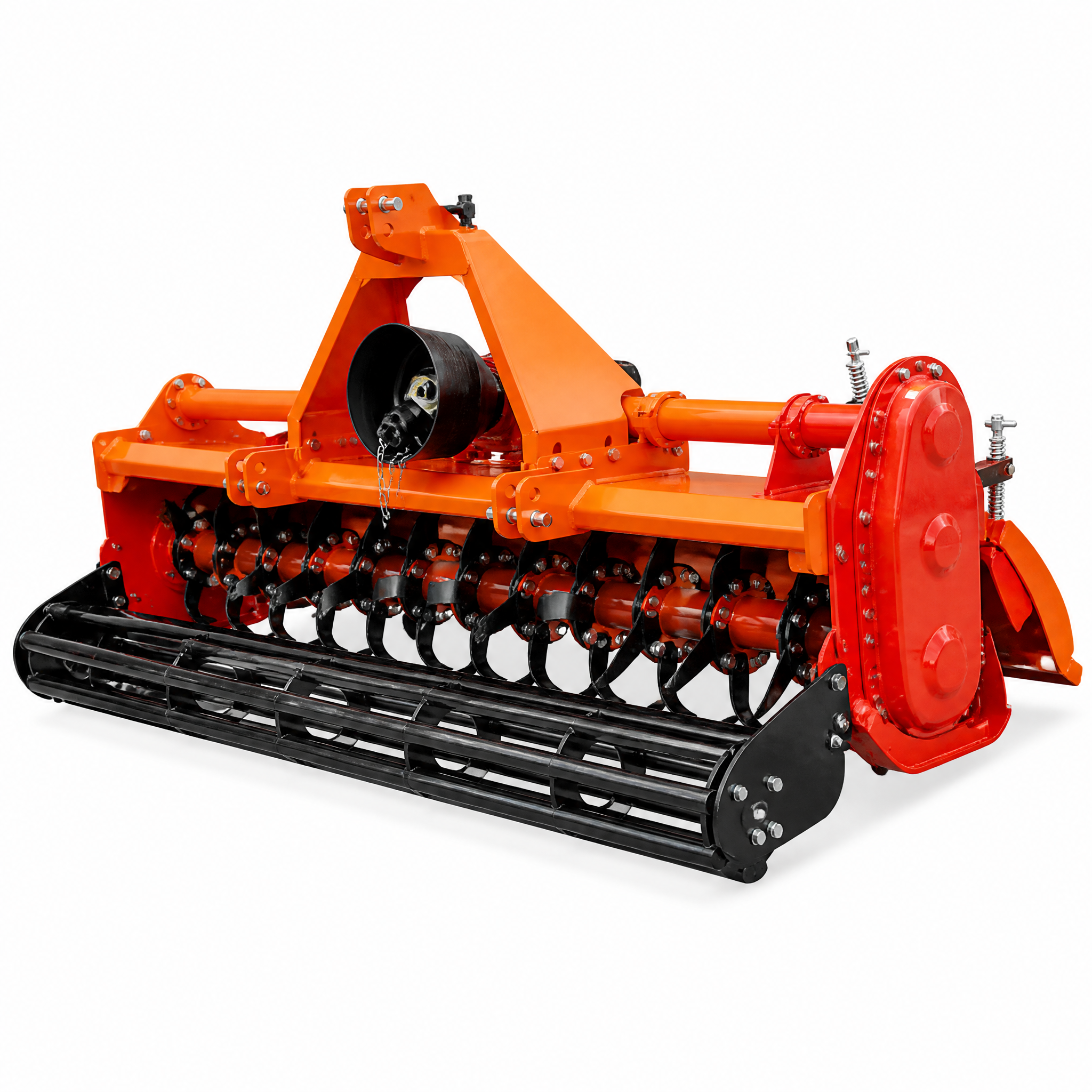
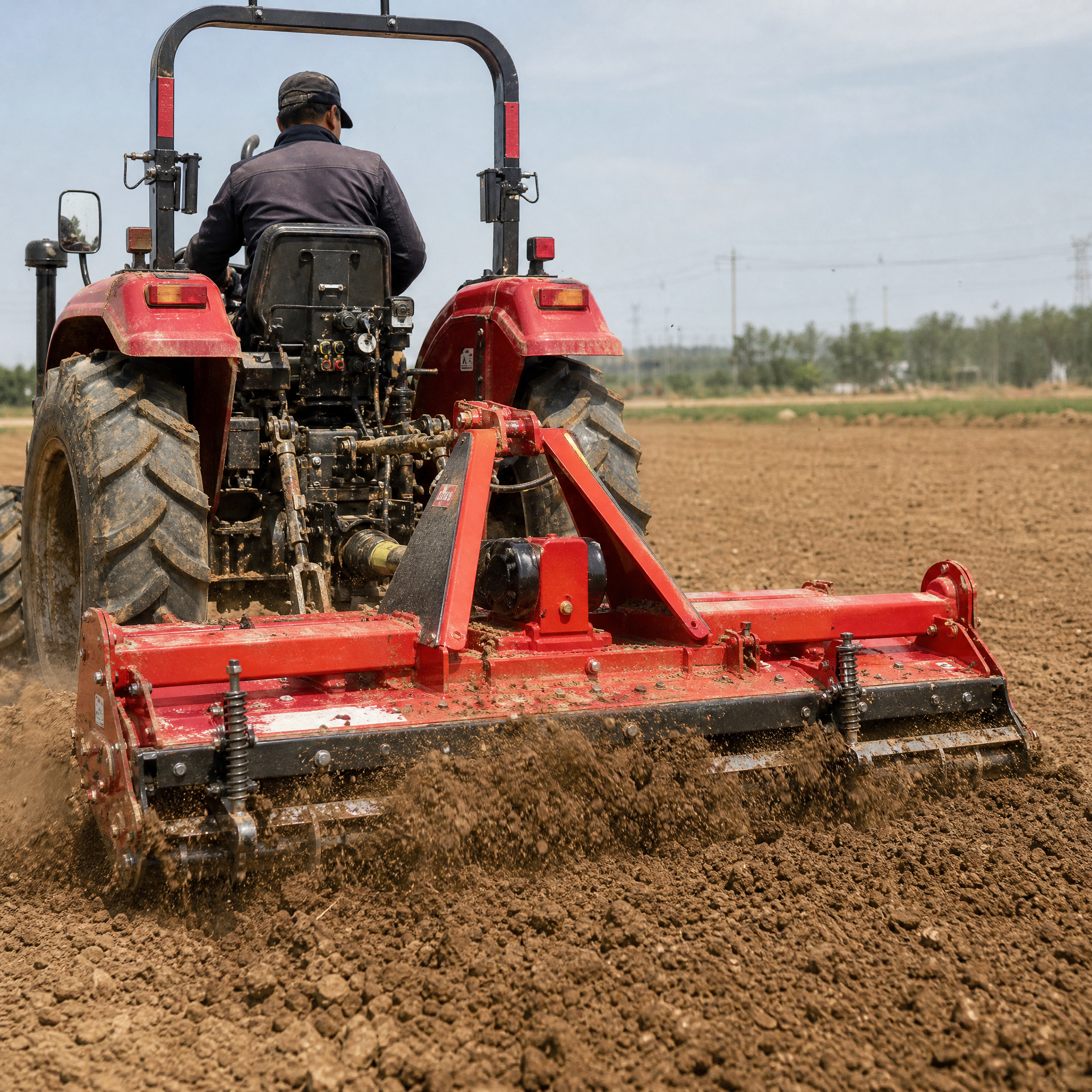
Power harrows are essential agricultural tools designed for soil preparation, particularly in seedbed preparation and weed control. These implements are crucial for farmers and agricultural businesses focused on enhancing soil structure and moisture retention. When considering a bulk purchase of power harrows, buyers often have concerns about specifications, compatibility with existing machinery, and potential operational issues. This article will provide insights into key specifications, buyer considerations, distributor guidance, common problems, and tips for maximizing efficiency in various agricultural scenarios.

What Buyers Should Look For

What Buyers Should Look For

When sourcing power harrows, buyers should prioritize the following aspects:

Supplier Reputation: Research the manufacturer’s history and customer feedback to gauge reliability and service quality. Companies like Agripros, with extensive experience and a solid reputation, are preferable.

Warranty and Support: A robust warranty and post-purchase support are vital. Buyers should confirm the duration of the warranty and what it covers, as well as the availability of parts and service.

Lead Times and Delivery: Understanding manufacturing lead times is essential for planning agricultural activities. Buyers should clarify delivery schedules and any potential delays that could affect their operations.

Cost Transparency: Request detailed quotations that break down costs, including shipping and handling. This clarity helps in budgeting for the purchase.

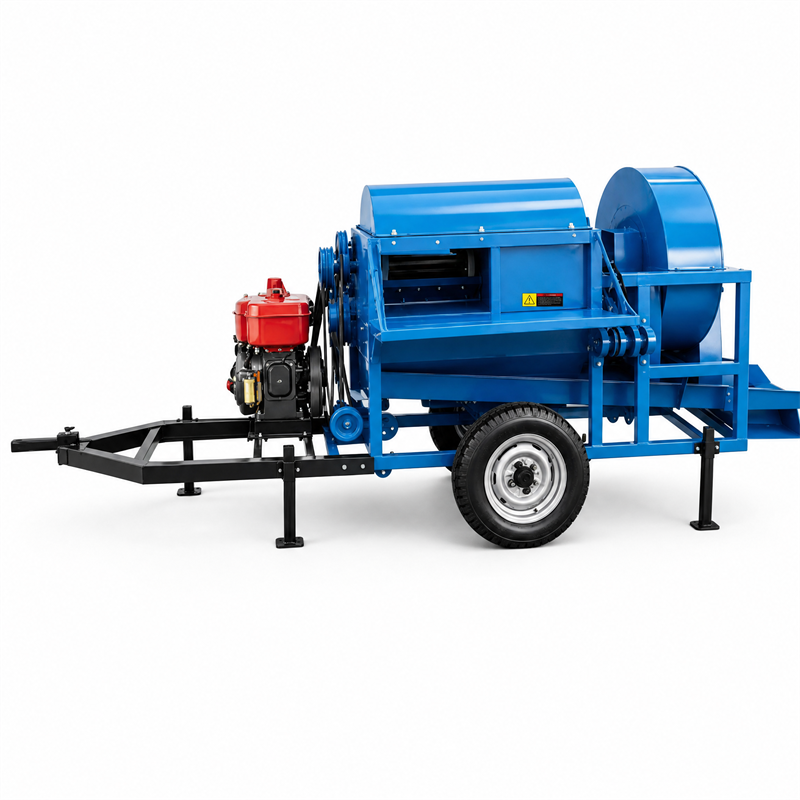
Operator Training: Some manufacturers offer training for operators to ensure effective use and maintenance of the equipment. This can be a valuable addition to the purchase. For example, training related to the Diesel Multicrop Grain Thresher with Double Fan for Farms can enhance overall operational efficiency.

A Guide for Distributors

A Guide for Distributors

Distributors play a pivotal role in the supply chain for agricultural machinery. To effectively market power harrows, distributors should focus on:

Product Knowledge: A deep understanding of the technical specifications and operational benefits of different power harrow models allows distributors to provide informed recommendations to buyers.

Stock Management: Maintaining a balanced inventory of popular models and customization options can meet diverse customer needs and reduce lead times.

Marketing Strategies: Highlighting the benefits and applications of power harrows in marketing materials can attract more buyers. Case studies demonstrating successful implementations can also enhance credibility.

Networking: Building relationships with local agricultural businesses and participating in industry trade shows can increase visibility and sales opportunities.

After-Sales Service: Offering support for maintenance and repairs can differentiate distributors from competitors and build long-term customer loyalty.

Common Problems with Power Harrows and Effective Solutions

Common Problems with Power Harrows and Effective Solutions

Despite their effectiveness, power harrows can present certain challenges. Here are common issues and ways to address them:

Soil Compaction: If the harrow is too heavy, it may compact the soil, which can hinder crop growth. To mitigate this, operators should adjust the weight or choose a lighter model based on soil conditions.

Blade Wear: Blades can wear down over time, affecting performance. Regular inspections and prompt replacement of worn blades are essential to maintain efficiency.

Incompatibility with Tractors: Sometimes, power harrows may not fit well with existing tractors, leading to operational inefficiencies. Buyers should ensure compatibility by checking mounting systems and power requirements before purchase.

Poor Soil Mixing: If the harrow does not mix soil adequately, it can lead to uneven seedbeds. Adjusting the depth of the blades or using a different blade type can improve mixing.

Maintenance Neglect: Regular maintenance is critical for longevity. Buyers should establish a maintenance schedule and train operators to perform routine checks on the equipment.

Maximizing Efficiency in Various Scenarios

To get the most out of power harrows, consider the following strategies:

Proper Calibration: Ensure that the harrow is calibrated correctly for the specific soil type and crop requirements. This will enhance performance and reduce wear on the equipment.

Seasonal Adjustments: Different crops may require different settings or types of harrows. Adjusting the equipment to suit seasonal planting can lead to better results.

Soil Testing: Conduct soil tests to determine the best cultivation practices and adjust harrow settings accordingly. Understanding soil composition can lead to more effective soil preparation.

Collaboration with Agronomists: Engaging with agronomists can provide insights into best practices for using power harrows in conjunction with other agricultural equipment.

Regular Training: Continuous training for operators on best practices and new techniques can ensure optimal use of the equipment, leading to better crop yields.

By focusing on these aspects, buyers can make informed decisions when purchasing power harrows, ensuring that they choose the right equipment for their needs while maximizing efficiency in their agricultural operations.

Key Specifications to Consider for Bulk Orders

When placing bulk orders for power harrows, several key specifications should be carefully evaluated:

Working Width: The width of the power harrow impacts its efficiency and the size of the area it can cover in a single pass. Buyers should consider the size of their fields and the type of crops being cultivated. Wider models can save time but may require more power.

Blade Type and Material: The design of the blades affects soil mixing and leveling. High-quality, durable materials like hardened steel are preferred for longevity and performance. Buyers should inquire about the specific blade configuration that best suits their soil types and crop needs.

Power Requirements: Understanding the horsepower required to operate the power harrow is crucial. It ensures compatibility with existing tractors or machinery. A mismatch can lead to inefficiencies or equipment failure.

Weight and Stability: The weight of the harrow can affect its operation in different soil conditions. Heavier models may penetrate harder soils better, while lighter ones are preferable for softer, more cultivated grounds.

Customization Options: Many manufacturers offer customizable features such as adjustable tines or specific mounting systems. Buyers should discuss their unique requirements to ensure the harrow meets their operational needs. For instance, if you're looking for a specific model, consider the 8-25HP Diesel Walk Behind Tractor Water-Cooled Hand Start Farm Tractor which can complement your farming equipment.

Quality Certifications: Ensuring that the equipment meets CE/ISO 9001 certifications can provide peace of mind regarding quality and safety standards.

Get a Free Quote

Our representative will contact you soon.
0/1000