How to Compare Mini Tractors for Agricultural Efficiency
Comparing mini tractors involves looking beyond price to evaluate their performance and suitability for your specific needs. Here are some factors to consider:
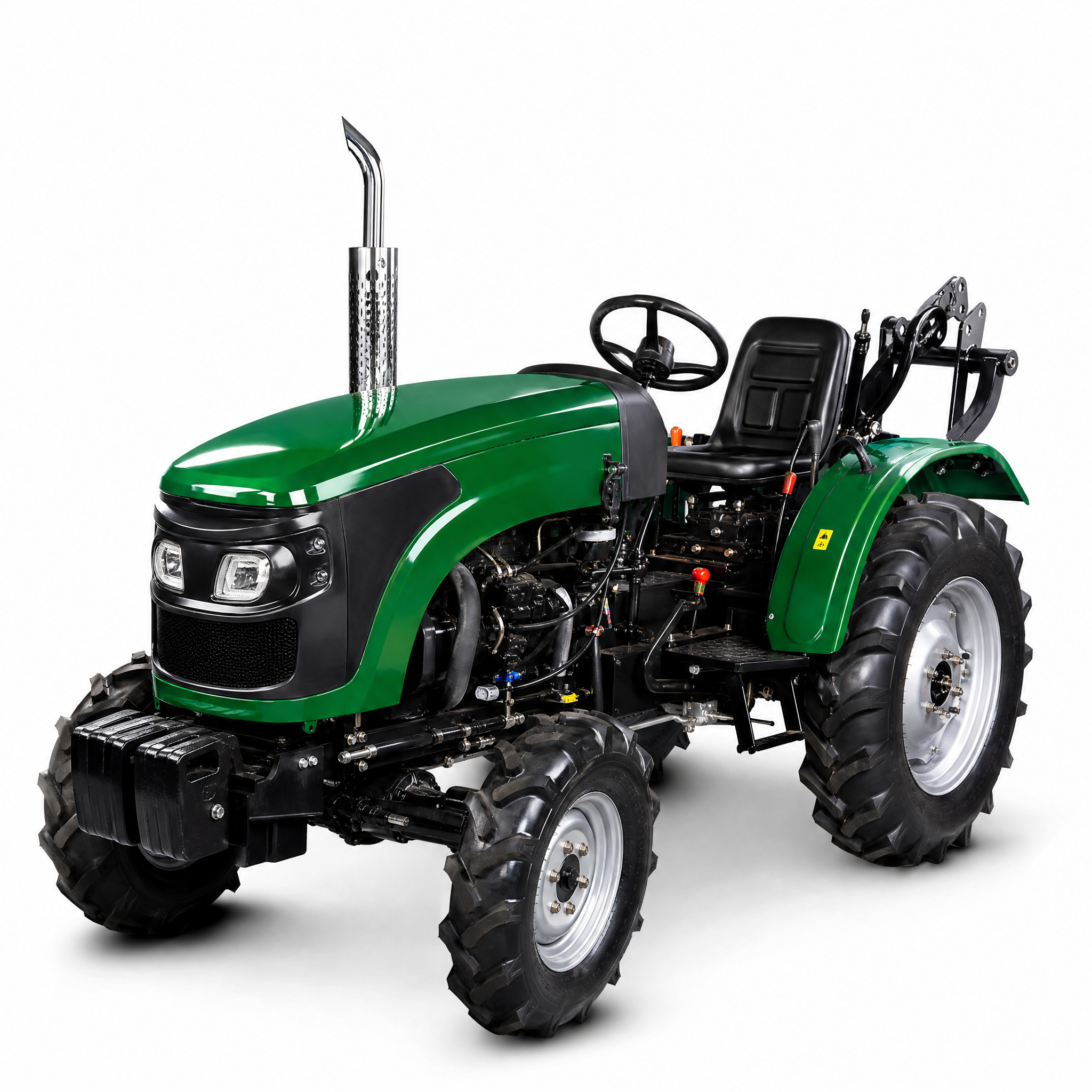
Performance Metrics: Analyze horsepower ratings, torque, and transmission types to determine how well a tractor will perform under various loads. This assessment should be based on the specific farming tasks you plan to undertake.Fuel Efficiency: Compare fuel consumption rates across different models to gauge long-term operational costs. A tractor that performs well on fuel efficiency can significantly reduce expenses over time.Maintenance and Support: Investigate the maintenance requirements of each model, including oil changes, filter replacements, and overall serviceability. A tractor that is easier to maintain will lead to less downtime and lower costs.User Comfort and Control: Consider ergonomic features such as seat comfort, visibility, and ease of operation. A tractor that is comfortable to operate can enhance productivity and reduce operator fatigue.
By focusing on these aspects, B2B buyers can make informed decisions that lead to increased efficiency and productivity in agricultural operations.
In summary, selecting the right mini tractor for agriculture requires careful consideration of specifications, manufacturer reliability, and practical applications. By understanding these factors, purchasing managers and distributors can optimize their investment and enhance performance in agricultural environments.
 EN