Mini Cultivator Tractors for Efficient Farming

application/mini-cultivator-tractor, application/mini-cultivator-tractor, 
Inquiry
Inquiry

mini cultivator tractor

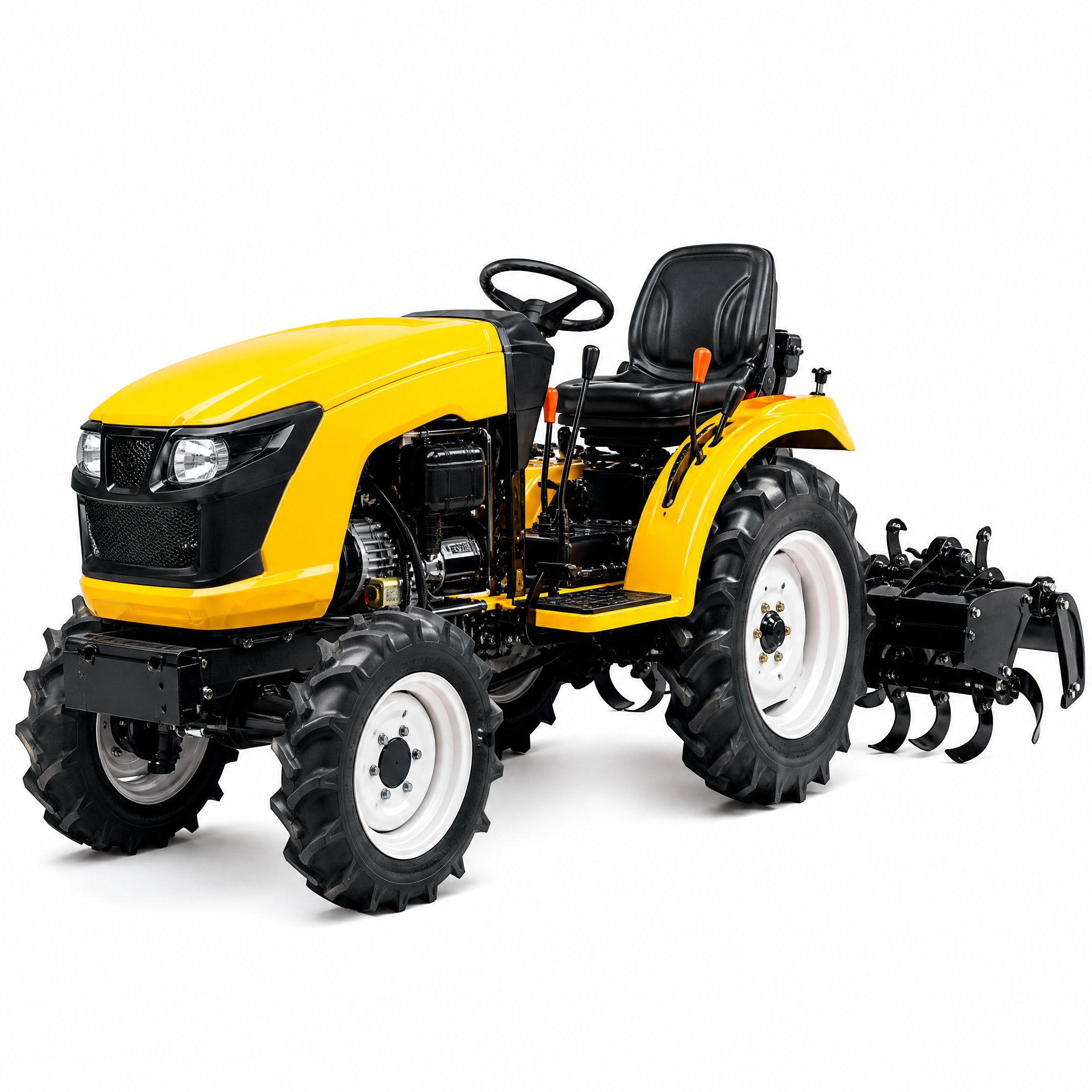
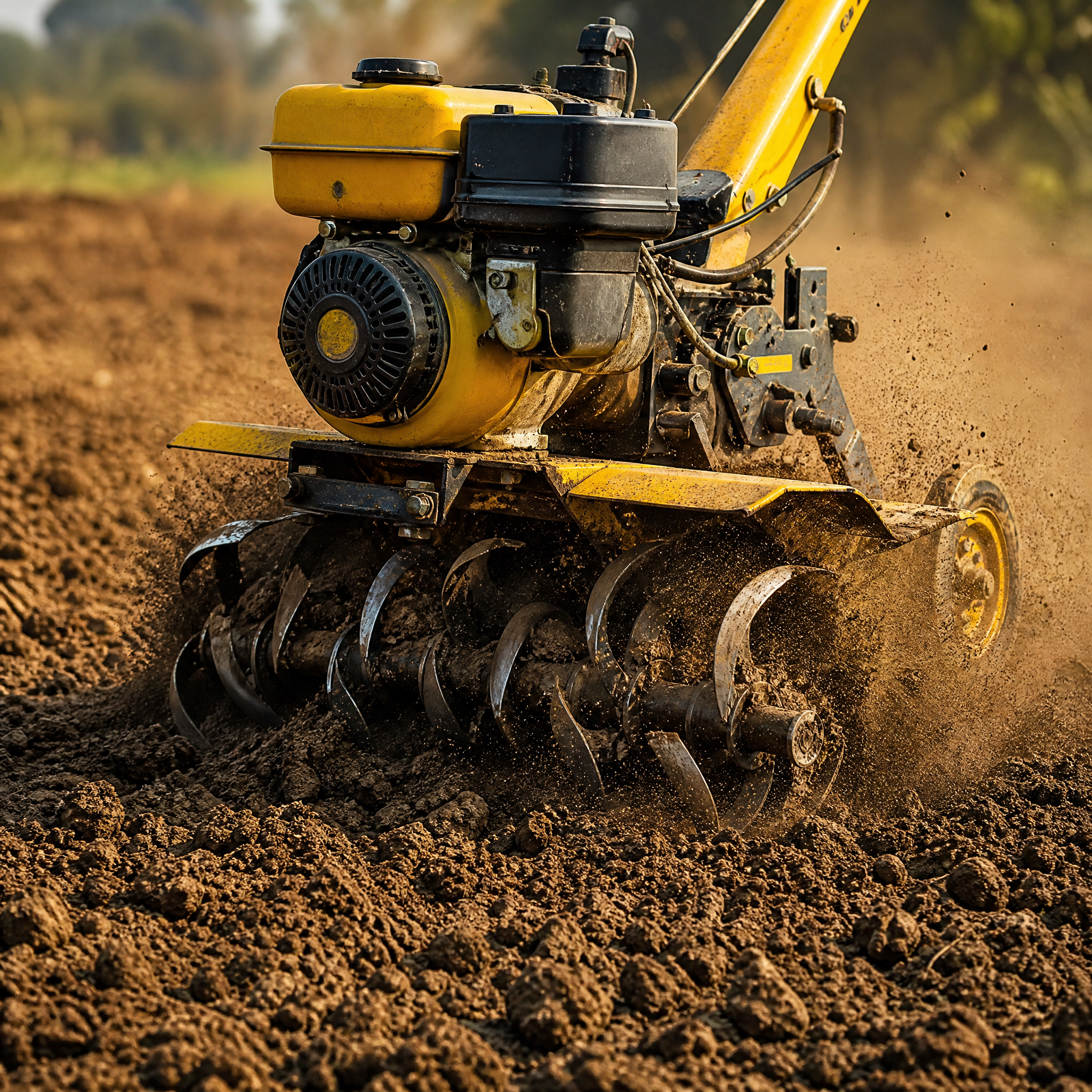
Mini cultivator tractors are specialized agricultural machines designed to enhance soil preparation and cultivation processes. These compact yet powerful tractors are essential for modern farming, allowing for more efficient tillage and seeding in various soil conditions. For purchasing managers and agricultural engineers, understanding how to evaluate the quality and suitability of mini cultivator tractors is crucial. This article will provide insights into the evaluation criteria, cost factors, common issues, applications, and essential knowledge that buyers need to make informed decisions.

Cost Factors to Consider When Buying Mini Cultivator Tractors in Bulk

Cost Factors to Consider When Buying Mini Cultivator Tractors in Bulk

When purchasing mini cultivator tractors in bulk, several cost factors should be considered to ensure a favorable deal. The initial purchase price is often the most visible cost; however, buyers should also account for additional expenses such as shipping, import duties, and potential tariffs, especially when sourcing from international suppliers.

Maintenance costs are another critical factor. Some tractors may require specialized parts that can be expensive or hard to source, affecting long-term operational costs. Buyers should inquire about the availability of replacement parts and whether the manufacturer provides support for maintenance and repairs. For example, the Mini Diesel Tractor 2WD 10HP with Rotary Tiller could be a cost-effective option for smaller farms.

Volume discounts are commonplace in bulk purchases, so negotiating based on order quantity can lead to significant savings. Additionally, consider the total cost of ownership, which includes fuel efficiency, operational costs, and resale value. An efficient mini cultivator tractor can reduce fuel consumption and maintenance costs, offering better overall value over time.

Common Problems with Mini Cultivator Tractors and Their Solutions

Common Problems with Mini Cultivator Tractors and Their Solutions

Despite their advantages, mini cultivator tractors may encounter several common problems. One frequent issue is engine overheating, which can be caused by insufficient cooling or low oil levels. Regular maintenance, including checking coolant levels and oil changes, can help prevent this problem.

Another common concern is poor traction, particularly in wet or uneven soils. Buyers should look for models that offer adjustable wheel widths or tracks, allowing for better adaptability to different terrains. Additionally, using appropriate tire types (such as agricultural or turf tires) can significantly enhance traction and stability.

Lastly, electrical issues can arise, particularly with the ignition or lighting systems. It’s advisable to ensure that the tractor includes high-quality wiring and connectors to minimize such problems. Buyers should also verify warranty conditions, as this can provide coverage for electrical malfunctions within a specified period.

Applications of Mini Cultivator Tractors in Modern Agriculture Projects

Applications of Mini Cultivator Tractors in Modern Agriculture Projects

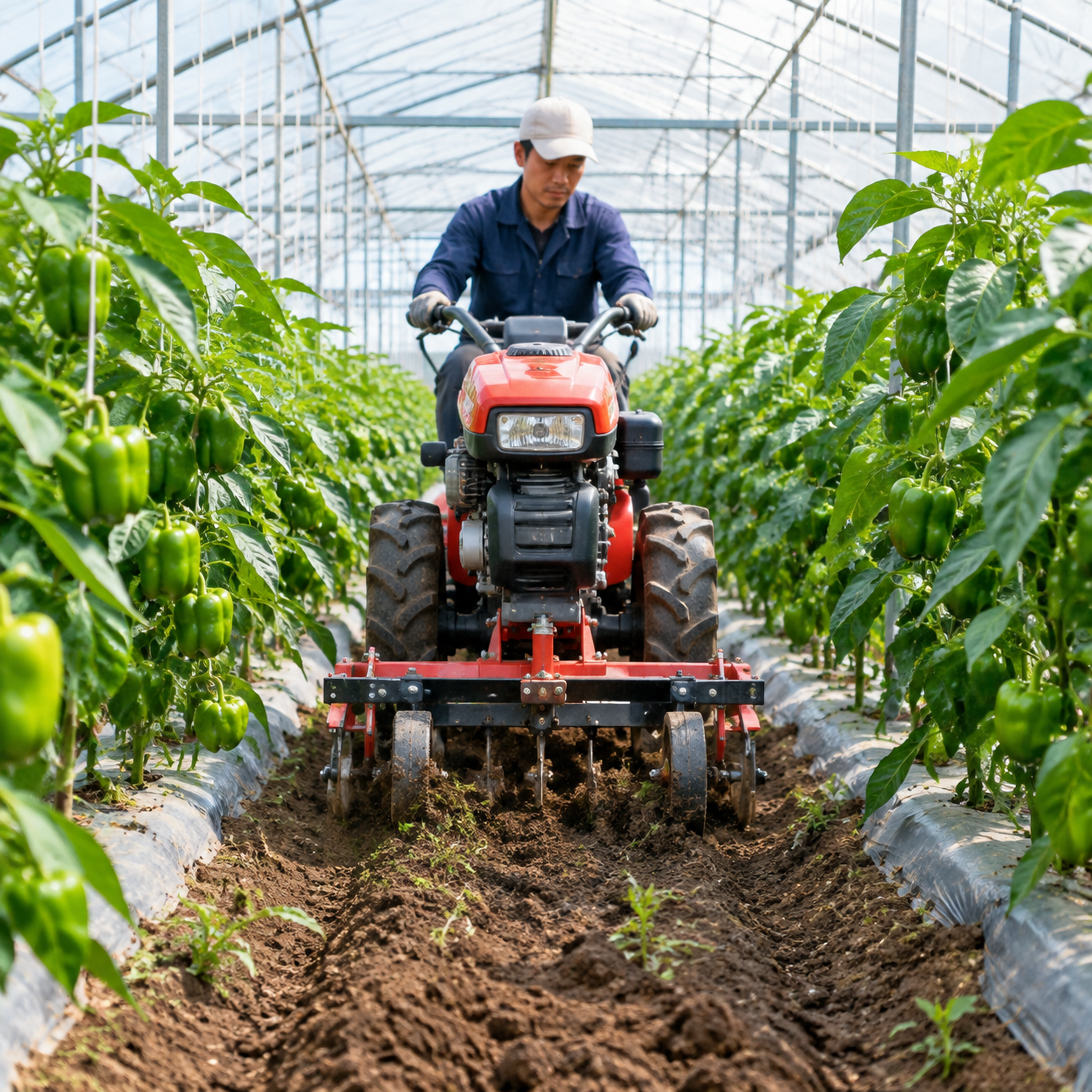
Mini cultivator tractors are versatile machines suited for various agricultural applications. They are particularly effective in small to medium-sized farms, where their compact size allows for maneuverability in tight spaces. Common applications include tilling, preparing seedbeds, and cultivating between rows of crops, which can significantly enhance crop yield and soil health.

In organic farming, these tractors can be invaluable for soil aeration and weed control without the use of herbicides. Their ability to operate in smaller plots makes them ideal for community gardens and urban agriculture initiatives, where space and efficiency are crucial.

Moreover, mini cultivator tractors can be equipped with various attachments, such as seeders and plows, further expanding their functionality. This adaptability allows farmers to customize their equipment based on specific project needs, making them a smart investment for modern agricultural practices.

What Buyers Need to Know

When preparing to purchase mini cultivator tractors, buyers should gather comprehensive information to facilitate discussions with suppliers. Key specifications to consider include the desired horsepower, tractor dimensions, weight capacity, and available attachments. It’s also beneficial to inquire about the tractor's fuel type and consumption rate, as these factors can significantly influence operational costs.

Buyers should request detailed warranty information, including coverage terms and conditions. Understanding the support offered by the manufacturer, such as maintenance services and part availability, can also impact the decision-making process.

For those looking to customize their tractors, it’s essential to discuss available options with the manufacturer. Customization may include specific attachments, color preferences, or modifications to meet unique operational requirements.

Additionally, conducting a pre-purchase inspection or requesting a sample unit for testing can provide valuable insights into the tractor's performance and suitability for the intended application. This step helps ensure that the equipment meets operational standards and buyer expectations before committing to a larger order.

How to Evaluate the Quality of Mini Cultivator Tractors for Purchase

When assessing the quality of mini cultivator tractors, several key specifications and features must be considered. Firstly, the engine power, typically measured in horsepower (HP), directly influences the tractor's performance. A higher HP rating allows for better handling of larger attachments and more challenging terrains. Buyers should also evaluate the build quality, focusing on the materials used in the frame and components. Durable materials like high-strength steel can enhance longevity and resistance to wear.

Additionally, consider the tractor's transmission system. A smooth and reliable transmission ensures efficient power transfer from the engine to the wheels, which is critical for effective operation. Look for models with multiple gear options, as they allow for better control over speed and torque, especially in varying soil conditions.

Finally, prospective buyers should investigate the manufacturer's quality control processes. Established manufacturers, like Agripros (Beijing Worldlink Commerce Co., Ltd.), typically adhere to international standards such as ISO 9001, which can serve as a benchmark for quality assurance. For instance, the Agripros 40-130HP 4WD Wheel Farm Tractor is a prime example of a product that meets these standards.

Frequently Asked Questions

What is the mini cultivator tractor used for?

The mini cultivator tractor is for small-scale tillage, seedbed preparation, weed control, and light land leveling on farms and plantations where compact, maneuverable equipment is needed.
We offer multiple compact engine options typically ranging from 8 to 25 HP to suit light tillage tasks; exact models and power configurations can be provided on request.
Yes. Our mini cultivator tractors are manufactured under ISO 9001 quality management and meet CE certification standards for safety and compliance.
Yes. We provide tailored attachments and setup options—such as adjustable tines, wheels, and depth settings—to optimize performance for various crops and soil conditions.
Agripros offers lifecycle-based support including spare parts supply, technical guidance, and service. Warranty terms vary by model; please contact sales for specific coverage details.

Get a Free Quote

Our representative will contact you soon.
0/1000