Quality Cultivators for Mini Tractors

application/cultivator-for-mini-tractor, application/cultivator-for-mini-tractor, 
Inquiry
application/cultivator-for-mini-tractor, application/cultivator-for-mini-tractor, 
Inquiry

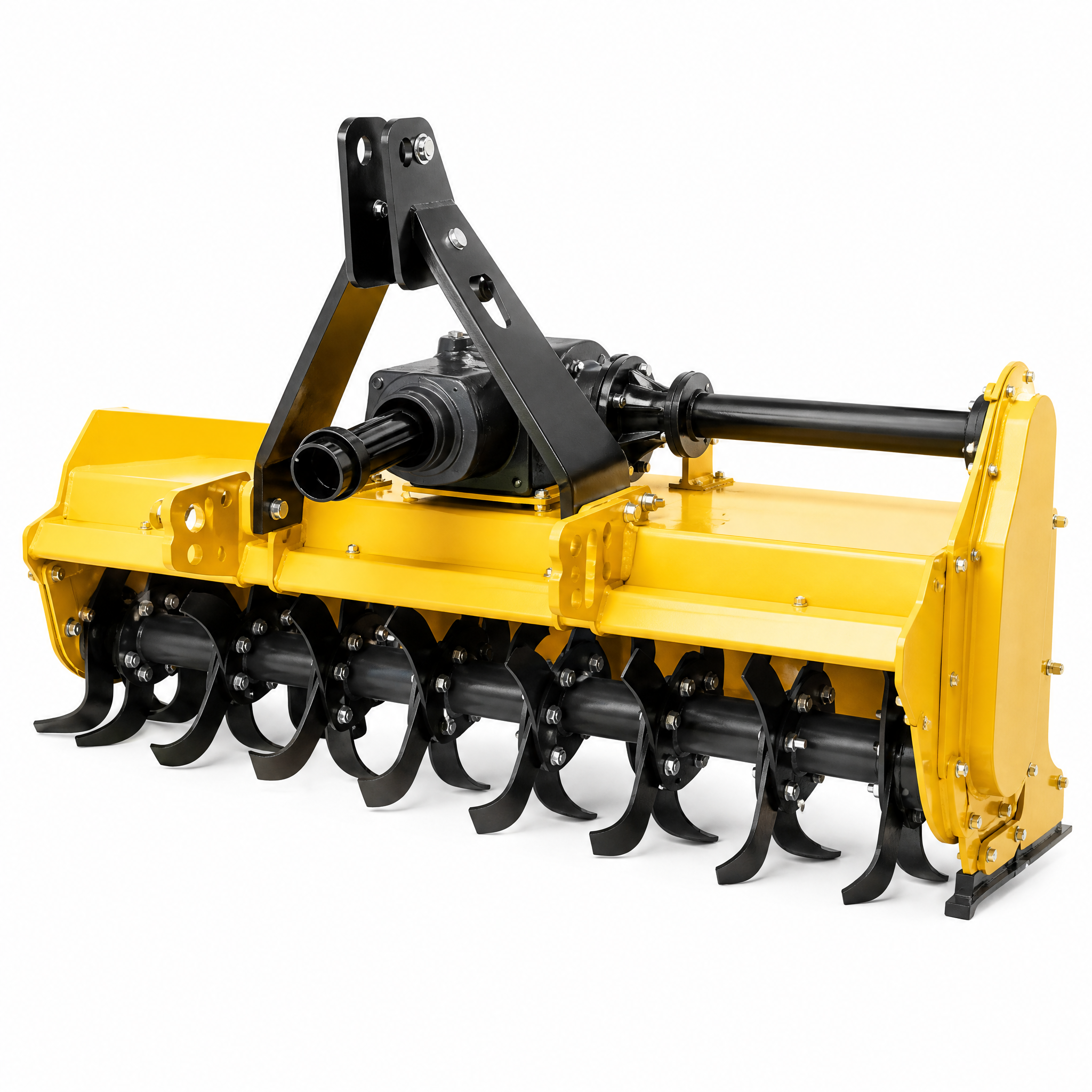
cultivator for mini tractor

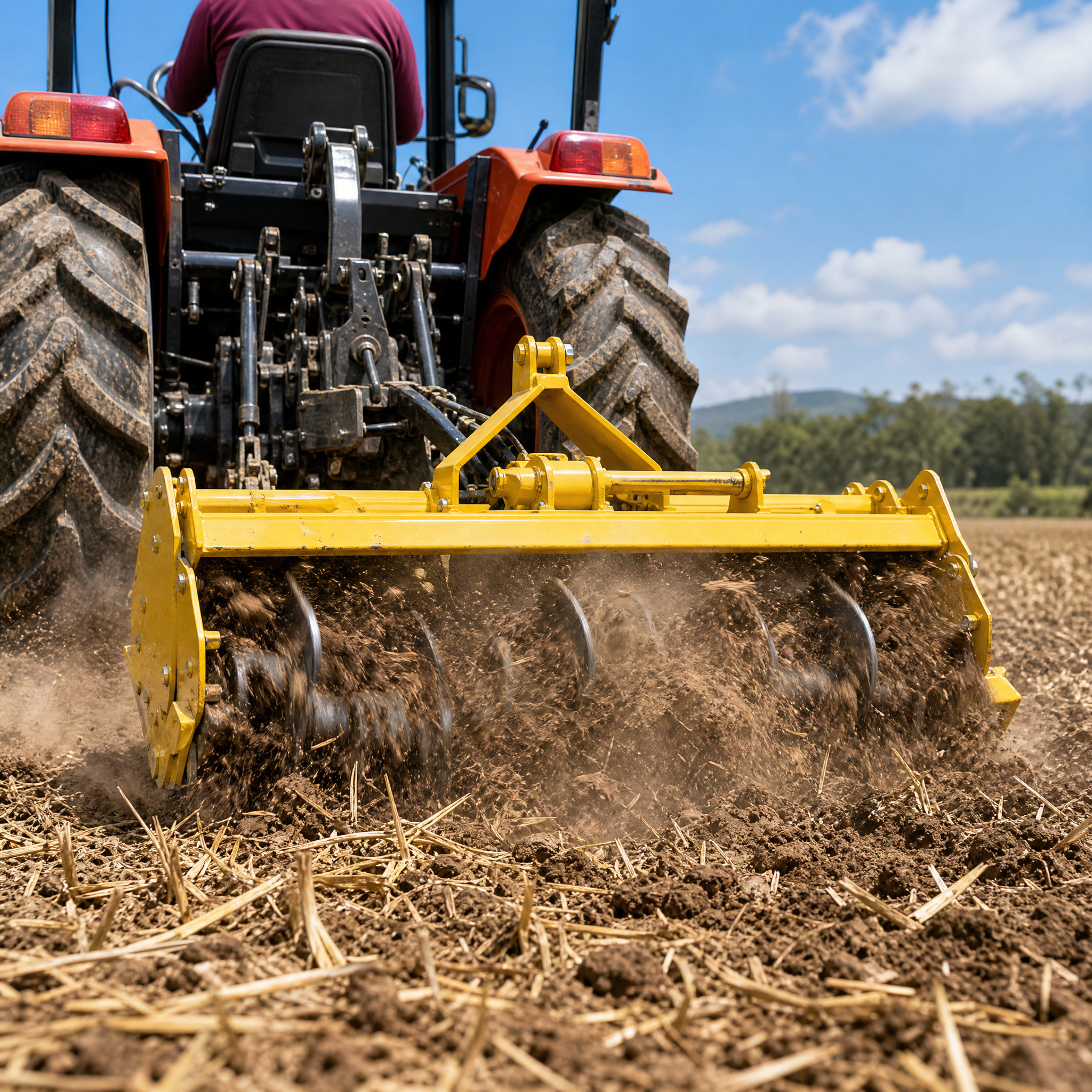
Cultivators for mini tractors are essential tools for small to medium-sized agricultural operations, enabling efficient soil preparation for planting. These implements are designed to enhance the capabilities of mini tractors, making them versatile for various farming applications. As a B2B buyer, your primary concerns likely revolve around product specifications, compatibility with your existing equipment, and overall performance in the field. This article will guide you through sourcing high-quality cultivators, understanding their specifications, and evaluating their benefits to help you make informed purchasing decisions.

Understanding Cultivator Specifications for Mini Tractor Applications

Understanding Cultivator Specifications for Mini Tractor Applications

When considering cultivators for mini tractors, it’s vital to understand the specifications that influence performance. Key specifications include:

Size and Dimensions: The width and depth of the cultivator must match your tractor's capabilities. A cultivator that is too large may overburden a mini tractor, leading to poor performance and increased wear.

Tine Configuration: Different tine configurations (e.g., straight, curved, or adjustable) affect soil penetration and mixing. Assess which design suits your soil type and crop requirements.

Material Construction: Cultivators made from high-strength steel or other durable materials are essential for longevity, especially in challenging soil conditions. Check for resistance to corrosion and wear.

Weight: The weight of the cultivator impacts stability and ease of use. Heavier models may provide better ground contact, while lighter ones can enhance maneuverability.

Understanding these specifications allows buyers to evaluate whether a cultivator will perform effectively for their specific applications, ensuring that it meets both operational and budgetary constraints.

Buyer Insights

Buyer Insights

As a B2B buyer, it's essential to gather relevant information to inform your purchasing decision. Here are several insights to consider:

Compatibility with Existing Equipment: Ensure the cultivator is compatible with your mini tractor's specifications, such as horsepower and hitch type. A mismatch can lead to inefficiencies or damage.

Customization Options: Many manufacturers offer customizable features, such as adjustable tines or additional attachments. Discuss these options to tailor the cultivator to your operational needs.

Warranty and Support: Understanding the warranty terms and post-purchase support is crucial. A robust warranty reflects the manufacturer's confidence in their product, while good customer support can assist with any operational issues.

Pricing Factors: Consider not just the unit price but also the total cost of ownership, including maintenance, replacement parts, and potential savings from improved efficiency.

Gathering this information before making a purchase can significantly improve the selection process and ensure that you choose a cultivator that meets your agricultural goals. For example, the Grain Crusher 3 kW Electric Mill can be a valuable asset in poultry feed milling alongside your cultivator.

Features and Benefits

Features and Benefits

The right cultivator for your mini tractor can offer several features and benefits that enhance efficiency and productivity:

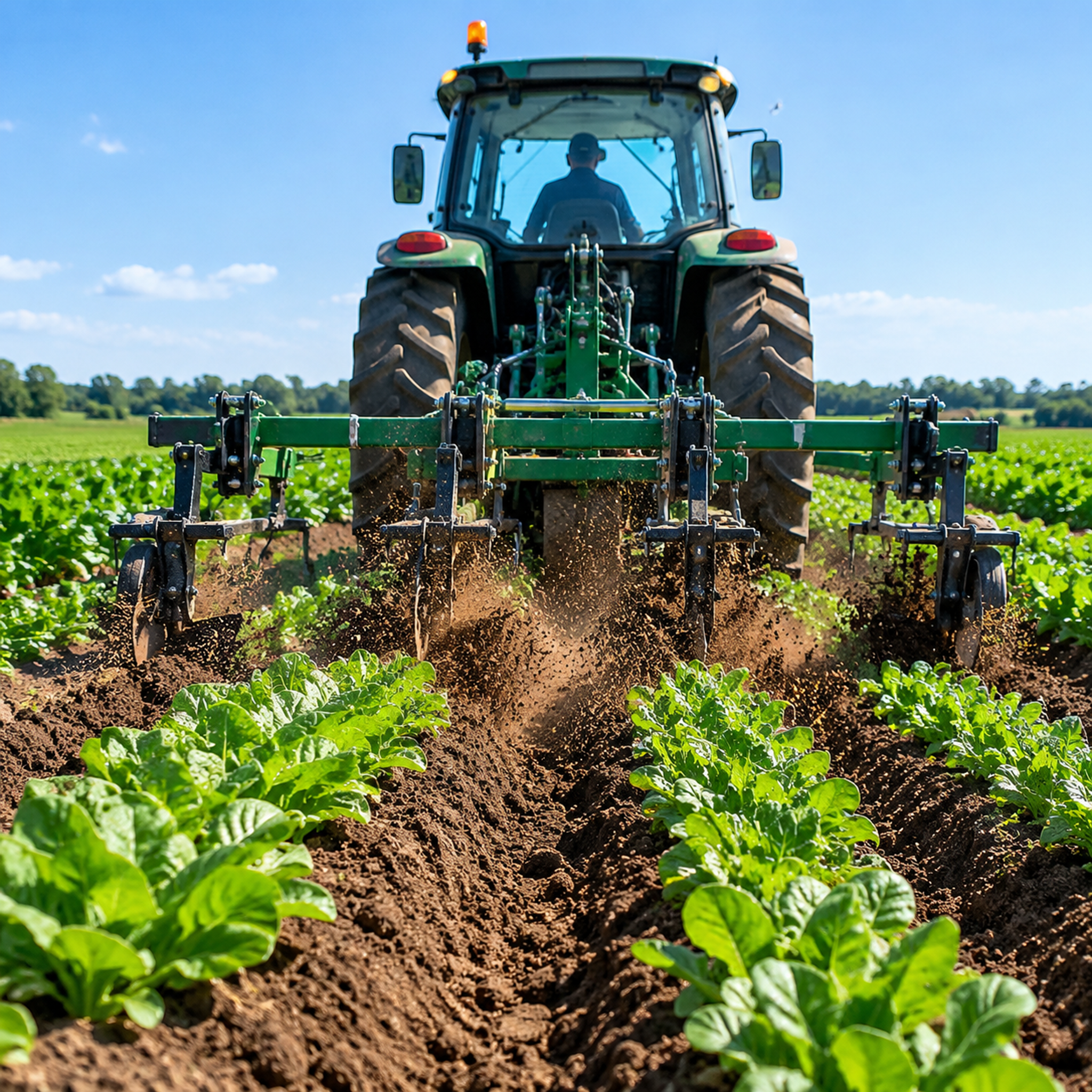
Versatile Applications: Cultivators can be used for various tasks, including seedbed preparation, weed control, and soil aeration. This versatility allows farmers to maximize the use of their mini tractors.

Improved Soil Health: By breaking up compacted soil and incorporating organic matter, cultivators help improve soil structure and promote healthy plant growth.

Enhanced Efficiency: A well-designed cultivator increases operational efficiency, allowing farmers to cover larger areas in less time. This can lead to significant labor cost savings.

Reduced Soil Erosion: By maintaining soil structure, cultivators can help reduce erosion, which is particularly important in sloped or vulnerable areas.

These features contribute to the overall effectiveness of a cultivator, making it a valuable addition to any agricultural operation utilizing mini tractors.

Advantages of Using Cultivators with Mini Tractors in Agriculture

Integrating cultivators with mini tractors offers several advantages for agricultural operations:

Cost-Effectiveness: Mini tractors are typically less expensive to purchase and maintain than larger models. Pairing them with cultivators allows small to medium-sized farms to operate efficiently without incurring high overhead costs.

Maneuverability: Mini tractors paired with cultivators are easier to maneuver in tight spaces, making them ideal for smaller fields or gardens where larger equipment might struggle.

Accessibility: For operations with limited space, mini tractors are more accessible and can be used in various terrains, from flat fields to hilly landscapes.

Simplified Operation: Many mini tractors are user-friendly, allowing operators with varying levels of experience to use cultivators effectively, thus improving overall farm productivity.

By leveraging these advantages, agricultural businesses can optimize their operations and enhance productivity while also maintaining budgetary control.

In summary, understanding the specifications, sourcing quality products, and recognizing the unique benefits of cultivators for mini tractors can empower buyers to make informed decisions that enhance their agricultural practices.

Where to Source High-Quality Cultivators for Mini Tractors

When sourcing cultivators for mini tractors, it’s crucial to focus on reputable manufacturers that prioritize quality and compliance with international standards. Look for suppliers, such as Agripros (Beijing Worldlink Commerce Co., Ltd.), that hold CE and ISO 9001 certifications, as these indicate adherence to quality management systems and product safety. Engaging with manufacturers who export to multiple countries can provide insights into their experience and reliability. For instance, consider the Agripros 40-130HP 4WD Wheel Farm Tractor for heavy-duty farming work.

You can find quality cultivators through industry trade shows, agricultural machinery expos, and online marketplaces. Additionally, requesting samples or arranging factory visits can help you assess the workmanship and material quality firsthand. Building relationships with trusted suppliers can also lead to better pricing and customized solutions tailored to your specific agricultural needs.

Get a Free Quote

Our representative will contact you soon.
0/1000