How to Choose the Best Mini Tractor for Agriculture

application/best-mini-tractor, application/best-mini-tractor, 
Inquiry
Inquiry

best mini tractor

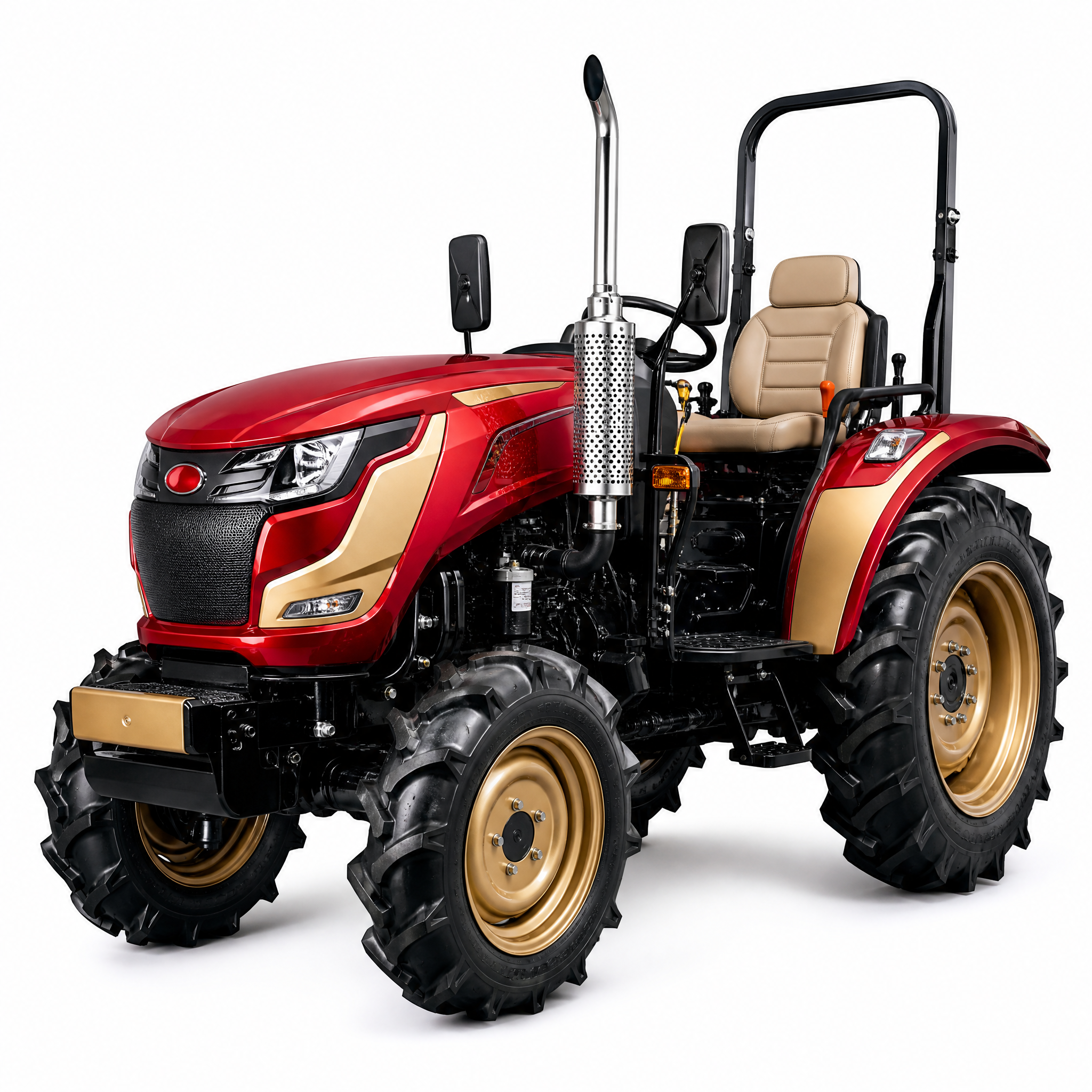
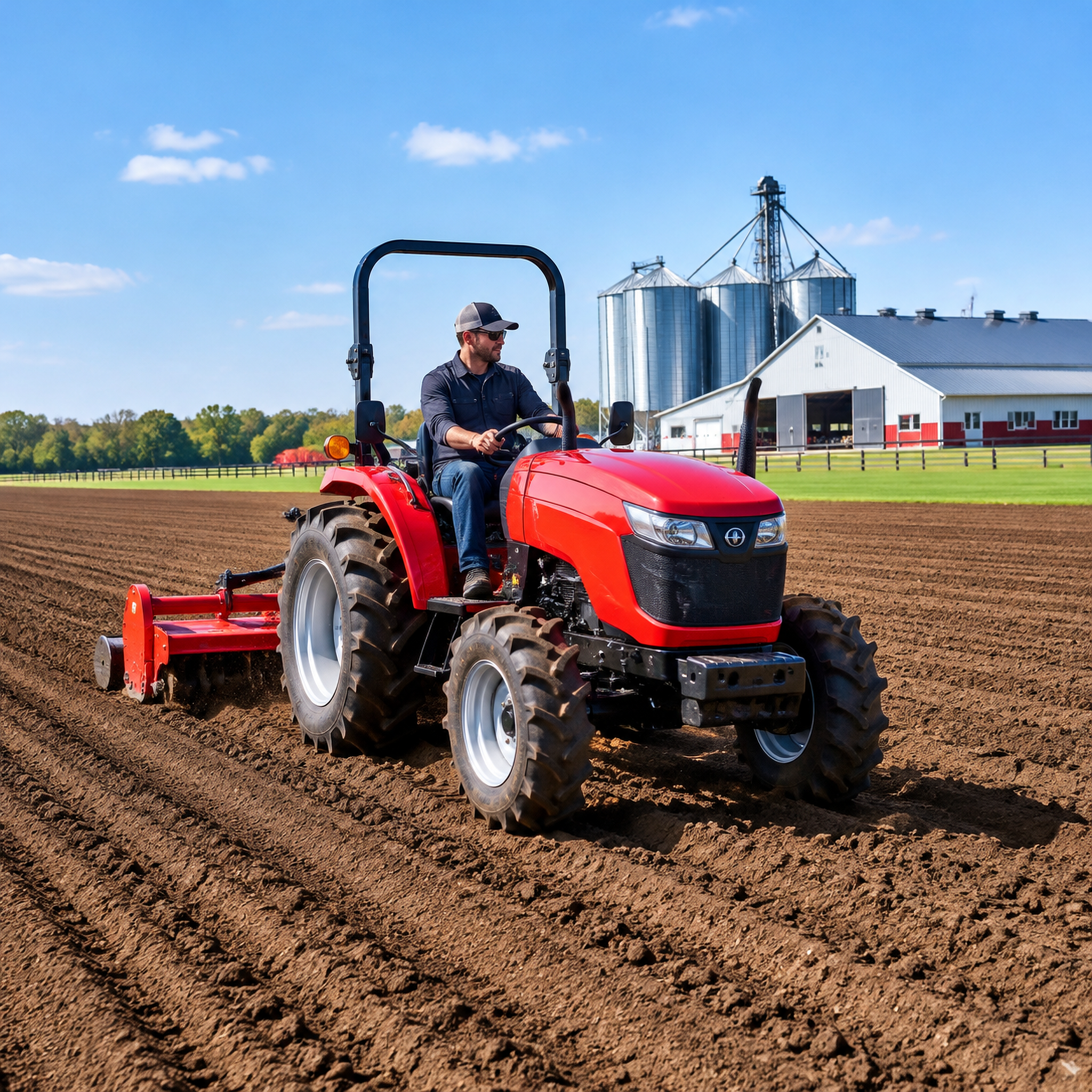
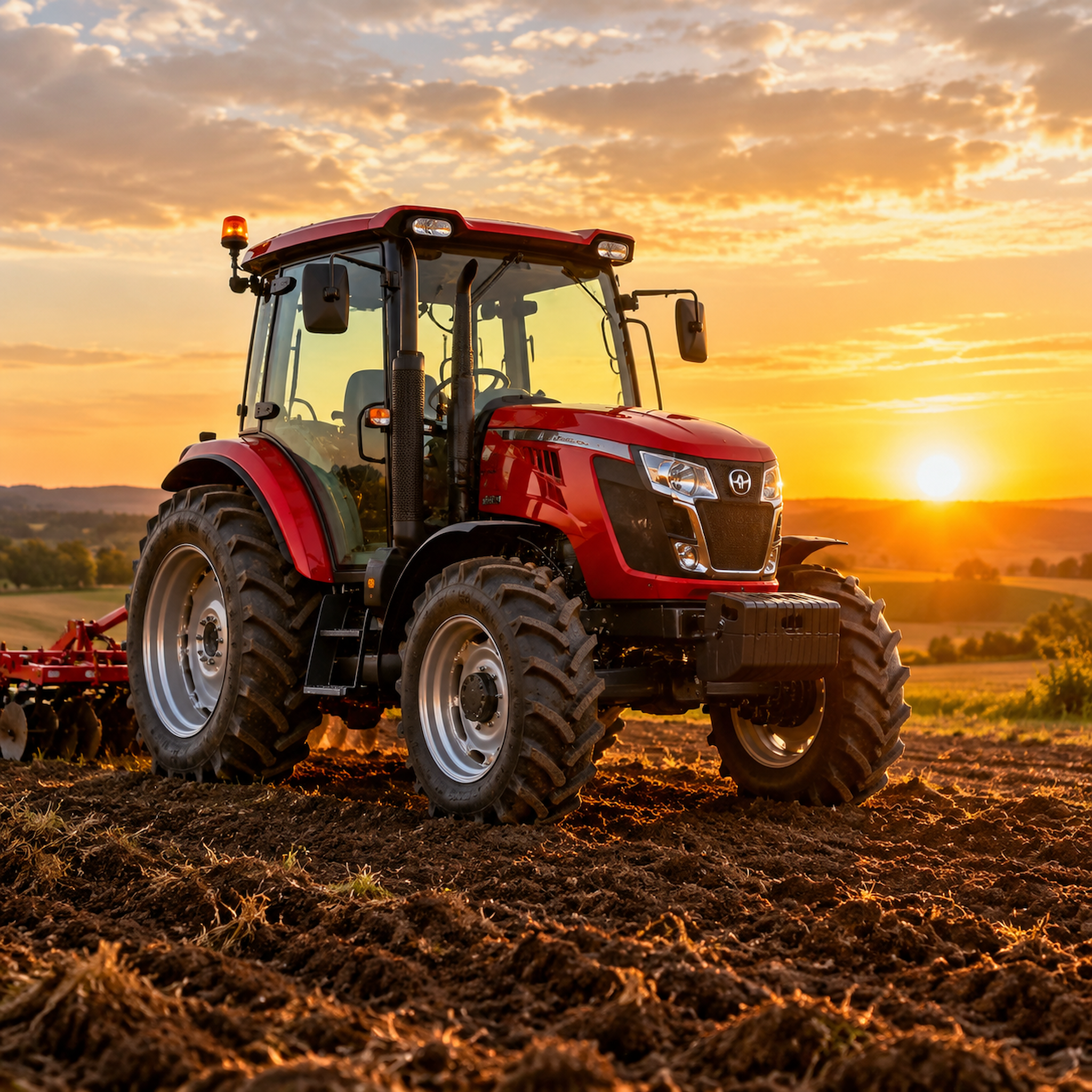
Choosing the right mini tractor is crucial for maximizing productivity and efficiency on your agricultural operations. The best mini tractor can significantly enhance your farming experience, whether for tilling, seeding, or transporting materials. B2B buyers, including purchasing managers and agricultural engineers, often seek reliable information on specifications, supplier evaluation, and application suitability. This article will guide you through selecting the best mini tractor for your needs, highlighting key specifications, reliable suppliers, and common issues to watch out for.

Reliable Suppliers for Mini Tractors

Reliable Suppliers for Mini Tractors

When looking for mini tractors, sourcing from a reputable supplier is vital. Established manufacturers, such as Agripros (Beijing Worldlink Commerce Co., Ltd.), offer a range of agricultural machinery and have a proven track record in the industry. Look for suppliers who have relevant certifications, such as CE and ISO 9001, which indicate adherence to quality standards and reliable manufacturing processes.

Additionally, consider suppliers' experience in your specific market. A supplier with a global presence and experience in over 40 countries, like Agripros, can offer valuable insights into local regulations and market demands. Evaluate their customer service reputation, after-sales support, and warranty offerings to ensure you receive the necessary assistance post-purchase. For example, they may provide insights on effective irrigation systems tailored to your region.

Comparing Mini Tractor Specifications for Optimal Performance

Comparing Mini Tractor Specifications for Optimal Performance

To ensure optimal performance, it’s essential to compare mini tractor specifications thoroughly. Key specifications to consider include:

Engine Power: Typically measured in horsepower (HP), choose a rating suitable for your tasks. Higher HP can handle more demanding applications.

Weight and Stability: A heavier tractor may provide better stability, especially when using attachments. However, too heavy for your tractor's intended use can lead to soil compaction.

Hydraulic Lift Capacity: This indicates the weight your tractor can lift and is crucial for using implements effectively. Ensure the capacity meets your operational needs.

Transmission Type: Mini tractors may have gear or hydrostatic transmissions. Hydrostatic is easier for beginners, while gear transmissions often provide better power and efficiency for experienced operators.

Dimensions: Consider the tractor's dimensions to ensure it fits within your operational space, especially if you have narrow pathways or small fields.

Understanding these specifications will allow you to make an informed decision that aligns with your operational requirements.

Key Considerations

Key Considerations

Before finalizing your purchase, several key considerations should be addressed:

Budget: Determine your budget upfront. Mini tractors can vary significantly in price based on features and specifications. Ensure you factor in potential additional costs, such as attachments and maintenance.

Customization Options: Depending on your application, you may need specific features or attachments. Check if the supplier offers customization to meet your unique requirements.

Lead Time: Understand the lead time for delivery, especially if you need the tractor for specific seasonal work. Confirming this upfront can prevent operational delays.

Service and Support: Investigate the supplier's service capabilities. A reliable supplier will provide comprehensive support, including maintenance services and the availability of spare parts.

User Reviews and Testimonials: Researching user feedback can provide insights into the reliability and performance of the tractor models you are considering.

Common Problems with Mini Tractors and Their Effective Solutions

While mini tractors are invaluable for agricultural tasks, they may encounter common issues that can hinder performance. Here are some frequent problems and their solutions:

Overheating: This can occur if the engine is overworked or if the cooling system is inadequate. Regular maintenance, including checking coolant levels and ensuring proper airflow, can mitigate this issue.

Hydraulic System Failure: This often results from leaks or low fluid levels. Regularly inspect the hydraulic fluid and look for signs of wear in hoses and seals.

Electrical Issues: Problems like battery failure or wiring faults can arise. Regular checks on the battery condition and electrical connections can prevent unexpected breakdowns.

Poor Performance: If the tractor struggles with power or stability, it may indicate improper load distribution or inadequate specifications for the tasks. Always match the tractor's specifications to your operational needs and ensure proper attachment setup.

By being aware of these potential problems and having a maintenance plan in place, you can ensure your mini tractor operates efficiently and effectively.

In summary, understanding the intricacies of selecting the best mini tractor can significantly enhance your agricultural operations. By focusing on specifications, reliable suppliers, and proactive maintenance, you can ensure that your investment yields optimal results.

How to Choose the Best Mini Tractor for Your Agricultural Needs

Selecting the best mini tractor involves assessing several factors based on your specific agricultural requirements. First, identify the primary applications for the tractor, such as tillage, seeding, or harvesting. This will guide you in determining the necessary power and torque specifications.

Next, consider the tractor's size and weight. Mini tractors generally range from 15 to 50 horsepower, making them suitable for smaller fields or tight spaces. A lighter model may be adequate for small-scale operations, while a more powerful option may be necessary for larger plots or heavier attachments.

Additionally, evaluate the tractor's features, such as hydraulic capacity, transmission type (manual vs. automatic), and ease of maintenance. A reliable hydraulic system is essential for efficiently operating attachments like plows and seeders. Ensure you confirm the specifications that align with your operational demands, as this will directly impact performance and efficiency.

Frequently Asked Questions

What features make this mini tractor ideal for small farms?

Our mini tractor offers compact size, versatile implements for tillage/seeding/harvest, fuel-efficient engines, and durable build, tailored for small farms and plantations with lifecycle-based support and CE/ISO 9001 quality assurance.
We provide multiple compact engine options typically ranging from 15 to 40 HP to suit light tillage, seeding, and transport tasks, with choices matched to specific farm needs and implement configurations.
Compatible implements include rotary tillers, seeders, mowers, plows, and trailers. We supply attachments designed for easy mounting and reliable performance across common small-scale farming operations.
Yes. We provide lifecycle-based support, authorized spare parts, maintenance guidance, and remote technical assistance to ensure uptime and efficient operation across the product lifecycle.
Our mini tractor is manufactured under CE and ISO 9001 standards, reflecting quality management, safety compliance, and consistent production practices for reliable agricultural performance.

Get a Free Quote

Our representative will contact you soon.
0/1000