Understanding Mini Tractor Cost for Bulk Orders

application/mini-tractor-cost, application/mini-tractor-cost, 
Inquiry
Inquiry

mini tractor cost

Understanding the cost of mini tractors is crucial for B2B buyers in the agricultural sector looking to make bulk orders. Factors such as specifications, supplier reliability, and performance metrics can significantly influence pricing. This article aims to elucidate the key considerations surrounding mini tractor costs, helping purchasing managers, engineers, and product managers make informed decisions.

How to Choose the Right Mini Tractor for Your Project Requirements

How to Choose the Right Mini Tractor for Your Project Requirements

Selecting the appropriate mini tractor requires a thorough understanding of your specific project needs. Start by defining the primary tasks the tractor will perform. For instance, if your focus is on seeding or irrigation, you might prioritize models with specialized attachments or features.

Assess Load Capacity: Evaluate the load capacity required for your typical tasks. A tractor with insufficient capacity can lead to performance issues and increased wear over time.

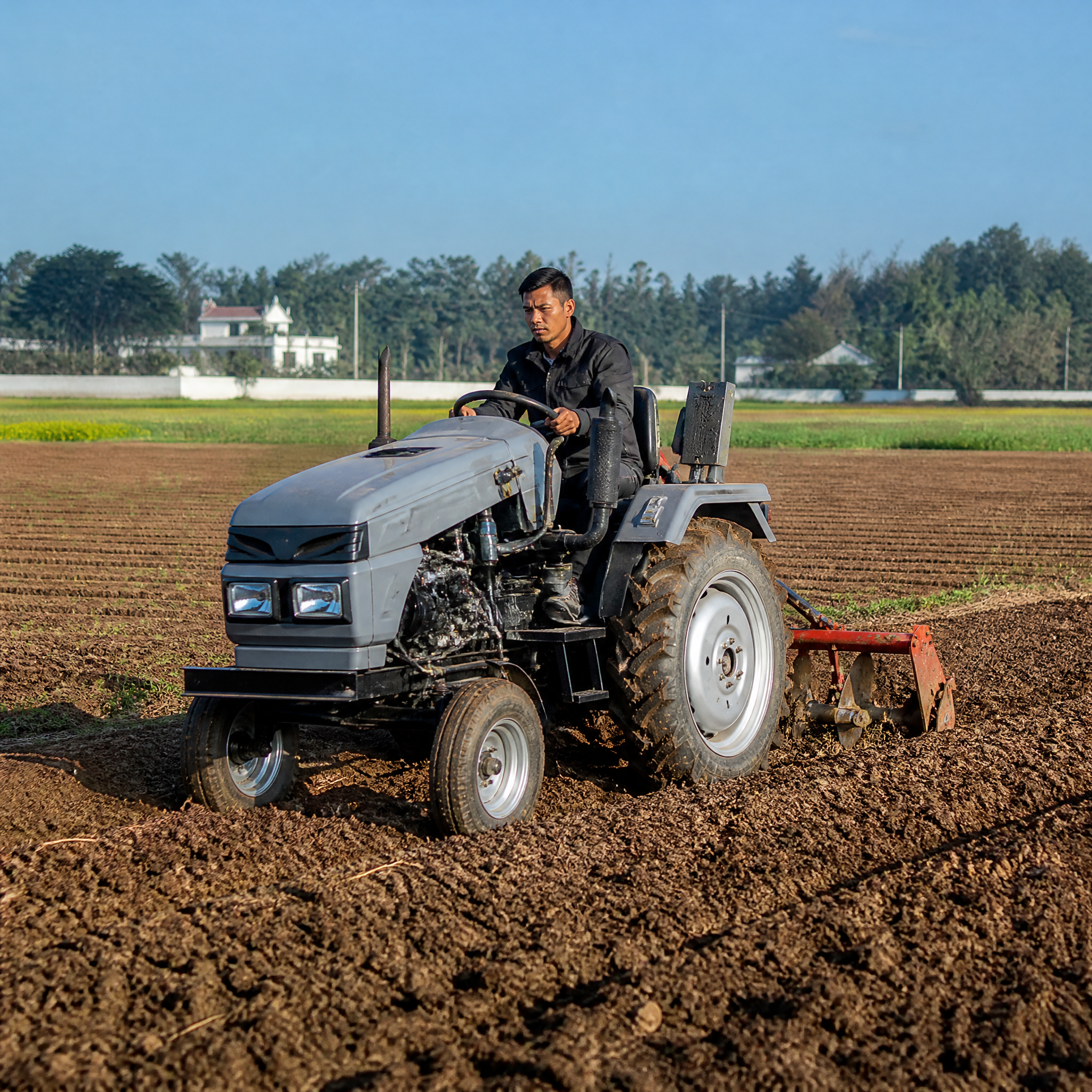
Evaluate Terrain Conditions: The type of terrain where the tractor will operate is another critical factor. For example, if you are working on uneven, hilly landscapes, a model with superior traction and stability, such as a 4WD mini tractor, may be necessary.

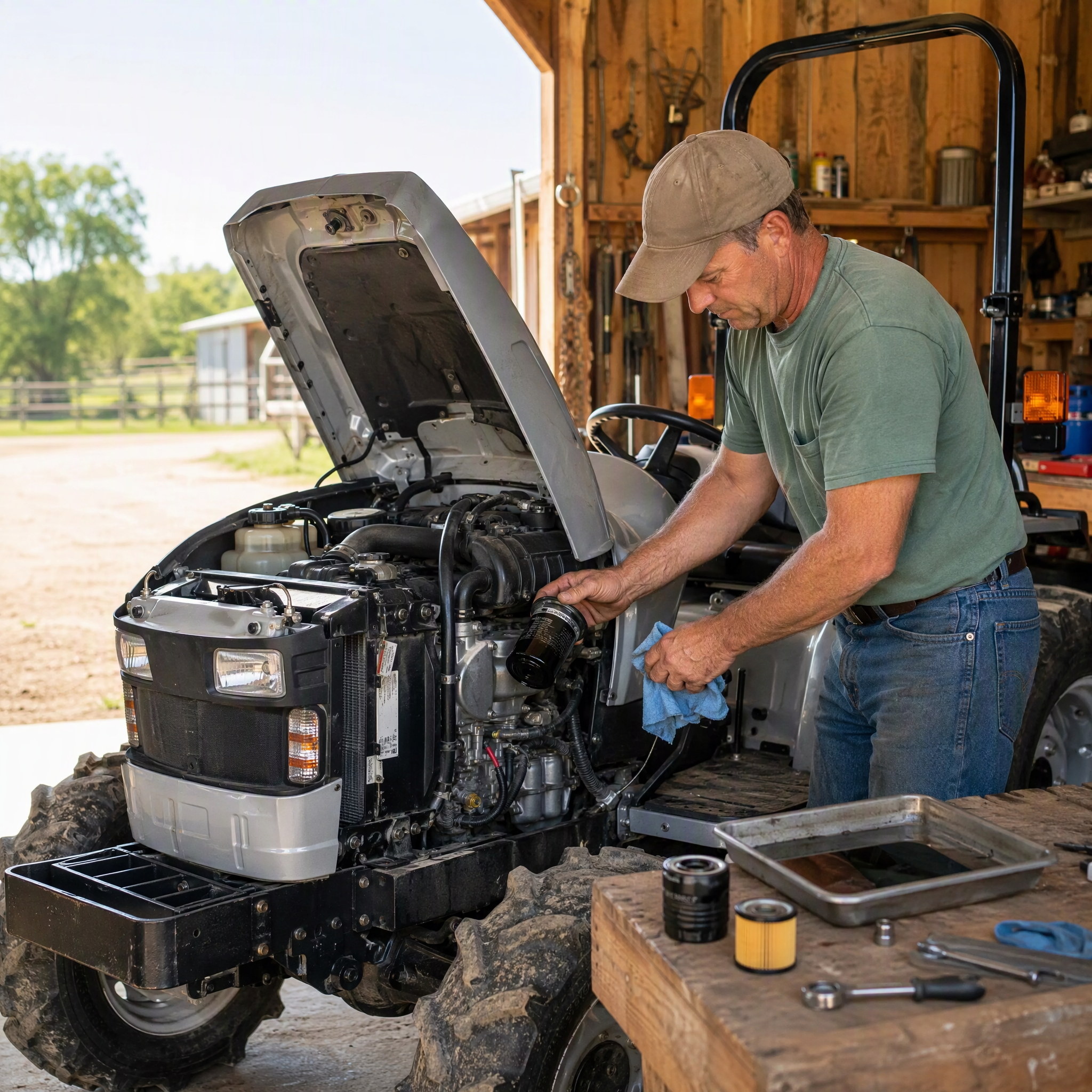
Consider Maintenance Needs: Ease of maintenance is also an important aspect. Look for models that provide easy access to key components for routine checks and repairs. This consideration can save time and reduce downtime during critical farming periods.

Where to Source Reliable Suppliers for Quality Mini Tractors

Where to Source Reliable Suppliers for Quality Mini Tractors

Identifying reliable suppliers is vital for ensuring that you receive quality mini tractors that meet your needs. Start by researching manufacturers with a proven track record in the agricultural machinery industry.

Industry Reputation: Look for suppliers with positive reviews and testimonials from other buyers in the agricultural sector. A manufacturer like Agripros, which operates in over 40 countries, is a good example of a company with an established reputation for delivering quality products.

Certifications and Compliance: Check if the supplier holds relevant certifications, such as CE and ISO 9001. These certifications indicate adherence to quality management standards, which can help mitigate risks associated with equipment malfunction or substandard products.

Supplier Support and Service: Consider the level of customer support and after-sales service offered by the supplier. A reliable supplier will provide comprehensive support, from initial inquiries through to maintenance and parts supply.

Comparing Mini Tractor Specifications for Optimal Performance

Comparing Mini Tractor Specifications for Optimal Performance

When comparing mini tractors, analyzing specifications is essential for making the best purchasing decision. Key specifications to examine include:

SpecificationImportanceEngine PowerDetermines the tractor's capabilities for various tasks.WeightAffects stability and load capacity.DimensionsImportant for maneuverability in tight spaces.Fuel EfficiencyInfluences operational costs over the tractor's lifespan.Hydraulic CapacityEssential for using attachments and implements.

Engine Power: Higher engine power allows for more demanding tasks but may come at a higher cost. Ensure that the power aligns with your operational needs.

Fuel Efficiency: An efficient engine can lead to significant savings over time. Consider models that provide reliable performance without excessive fuel consumption.

Hydraulic Capacity: If your operations involve various attachments, ensure the tractor’s hydraulic system can handle the required capabilities for those implements.

Key Indicators to Consider

In addition to specifications, several key indicators can assist in evaluating mini tractors before making a purchase.

Total Cost of Ownership: Beyond the initial price tag, consider maintenance costs, fuel consumption, and potential downtime. A lower-priced model may incur higher long-term costs if it requires frequent repairs or has poor fuel efficiency.

Warranty and Support: Evaluate the warranty terms offered by the manufacturer. A robust warranty can provide peace of mind and financial protection against defects or failures.

Market Trends: Keep an eye on emerging technologies and market trends. Advanced features such as GPS tracking and precision farming capabilities can enhance productivity and may be worth the investment.

In summary, understanding the factors influencing mini tractor costs, choosing the right model based on project requirements, and sourcing from reliable suppliers are critical steps in ensuring a successful purchase for agricultural applications. By making informed decisions, buyers can optimize their investment in mini tractors, ultimately enhancing operational efficiency and productivity in their agricultural endeavors.

Understanding Mini Tractor Cost Factors for Your Bulk Order Needs

When evaluating mini tractor costs, several factors come into play. The primary considerations include specifications, customization options, and quality certifications. For instance, tractors designed for specific tasks, such as tillage or irrigation, may have different price points based on their technical capabilities.

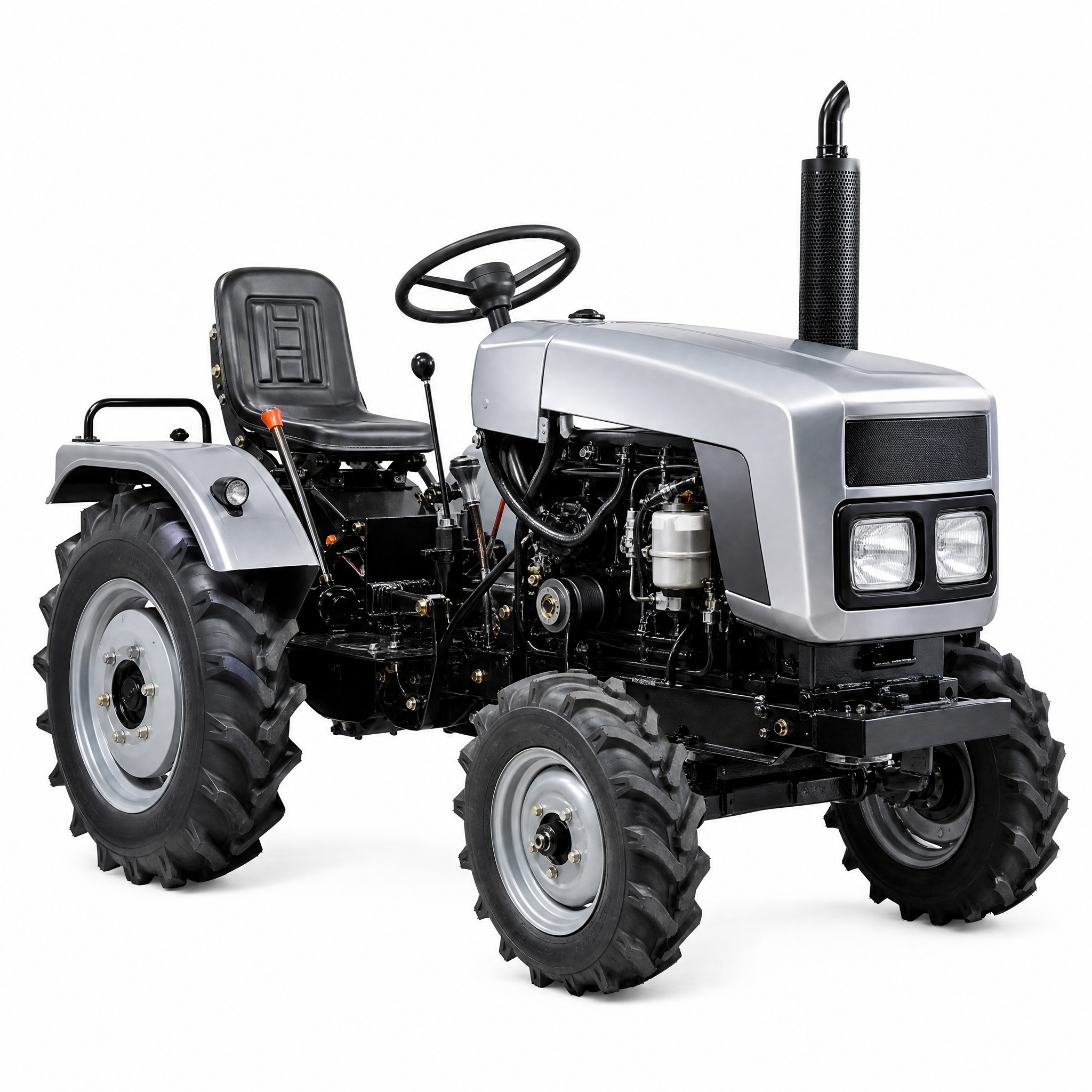
Specifications: The engine power, weight, and dimensions can influence the cost. A tractor with a higher horsepower generally costs more, as it offers greater performance for larger tasks. Additionally, the choice between 2WD and 4WD can impact pricing; 4WD models often command higher prices due to their enhanced traction and versatility.

Customization: Many suppliers, like Agripros, offer customization options tailored to specific farming needs. Custom features such as attachments, hydraulic systems, or enhanced comfort can increase initial costs but may result in better long-term value through improved efficiency.

Quality Certifications: Equipment with CE/ISO 9001 certifications typically costs more upfront. However, these certifications ensure adherence to international quality standards, which can lead to fewer maintenance issues and longer equipment life, thereby reducing total cost of ownership.

Frequently Asked Questions

What factors affect mini tractor cost?

Cost depends on engine power, transmission type, attachments, cab options, and customization. Warranty and certification (CE/ISO) also influence price.
Yes. Provide required horsepower, desired implements, and destination so we can supply a tailored lifecycle-based quote.
Financing depends on order size and destination. Contact sales for available payment plans, deposit terms, and lead times for your country.
Standard after-sales includes spare parts guidance and technical support. Extended service packages can be added; specify needs for a detailed cost.
Base prices exclude shipping; certifications (CE/ISO 9001) are standard. Shipping and import fees vary by country and are calculated per order.

Get a Free Quote

Our representative will contact you soon.
0/1000