Choosing Miniature Farm Tractors for Efficient Operations

application/miniature-farm-tractors, application/miniature-farm-tractors, 
Inquiry
Inquiry

miniature farm tractors

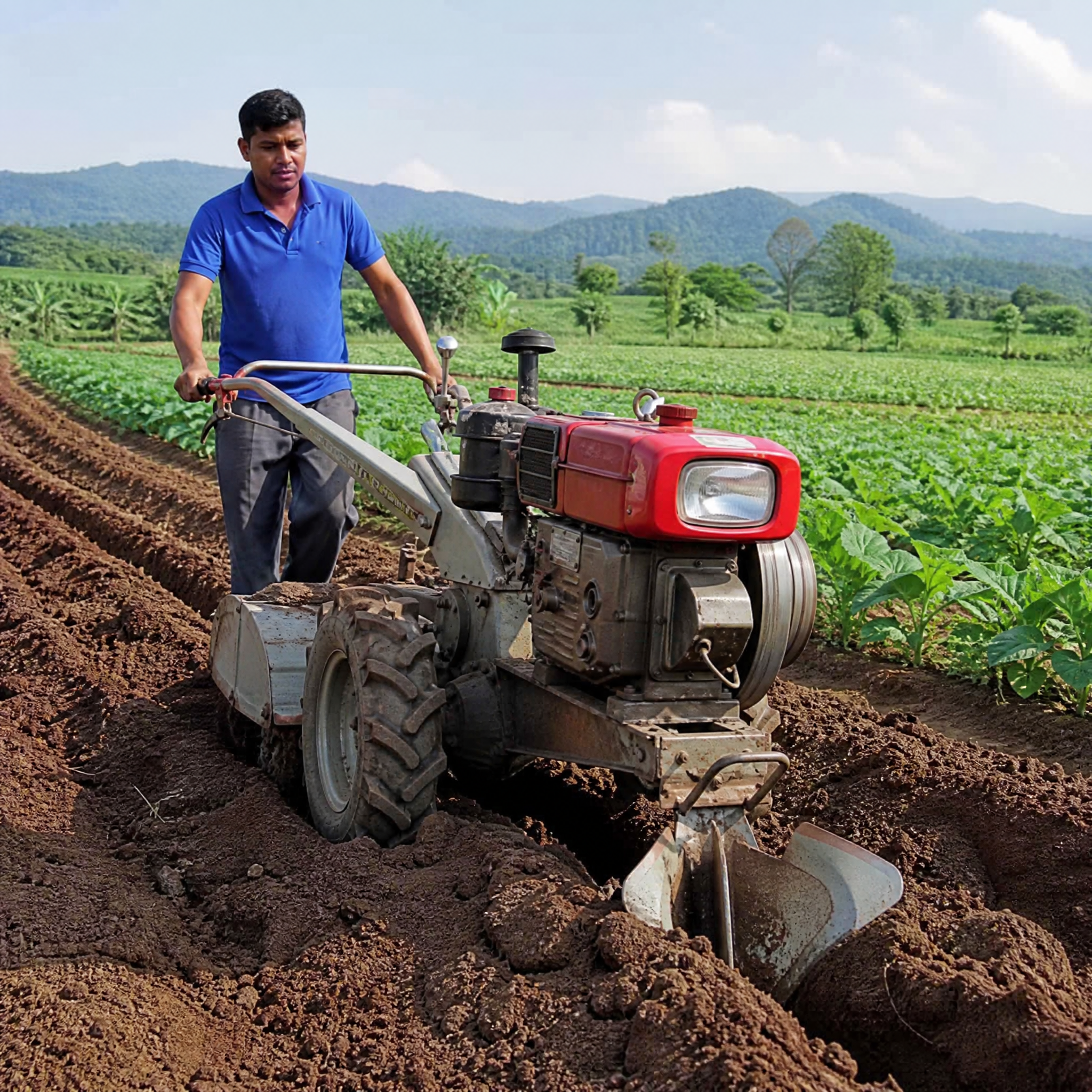
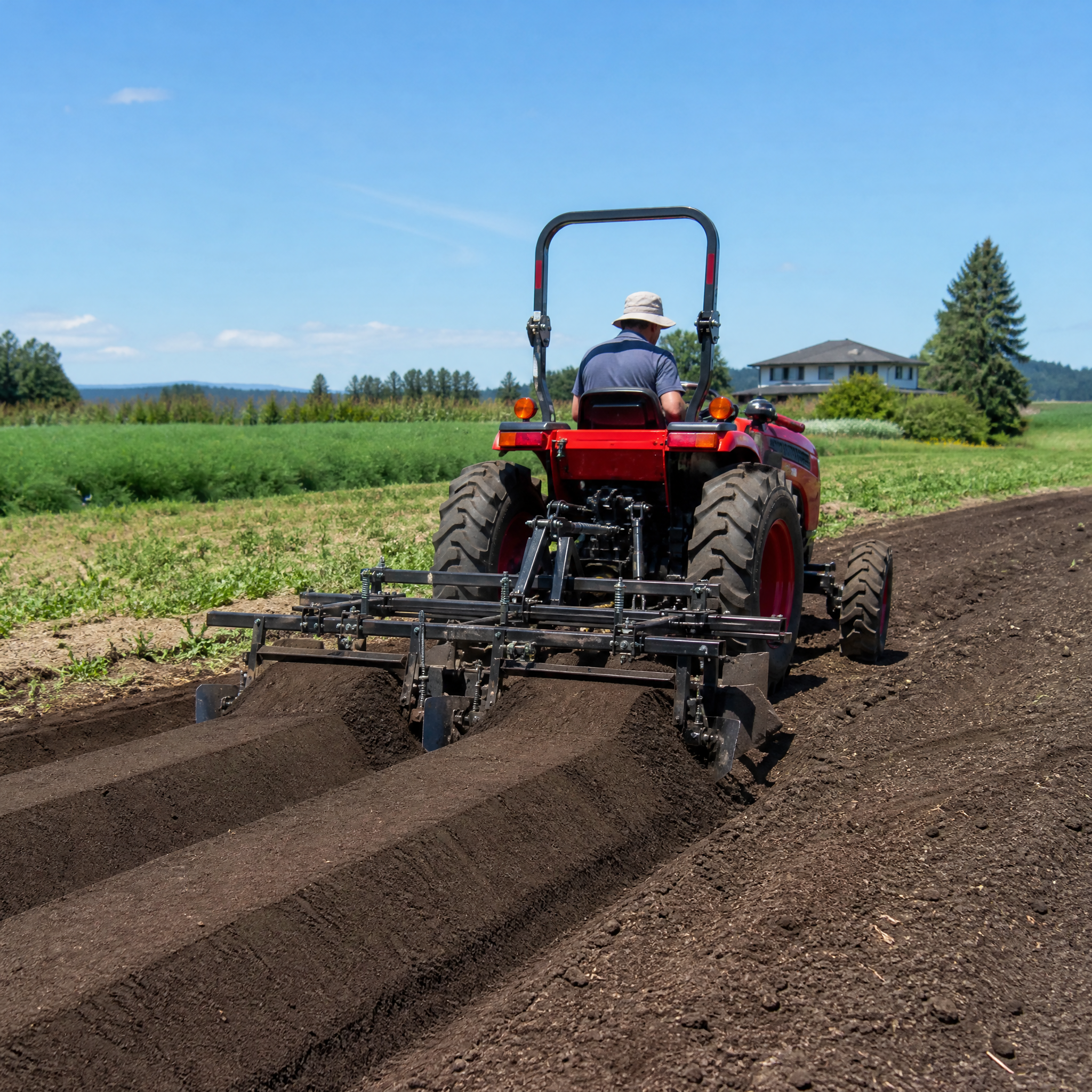
Miniature farm tractors are essential tools for efficient agricultural operations, especially for small to mid-sized farms. These compact machines offer versatility in tillage, seeding, irrigation, and harvesting, enabling farmers to optimize their productivity. However, choosing the right miniature farm tractor can be challenging, as purchasing managers and distributors often have specific concerns regarding specifications, quality, and vendor reliability. This article aims to provide practical insights into selecting the right miniature farm tractors, purchasing options, vendor expectations, key specifications, and quality evaluations, ensuring you make informed decisions for your agricultural needs.

Wholesale Purchasing Options for Miniature Farm Tractors

Wholesale Purchasing Options for Miniature Farm Tractors

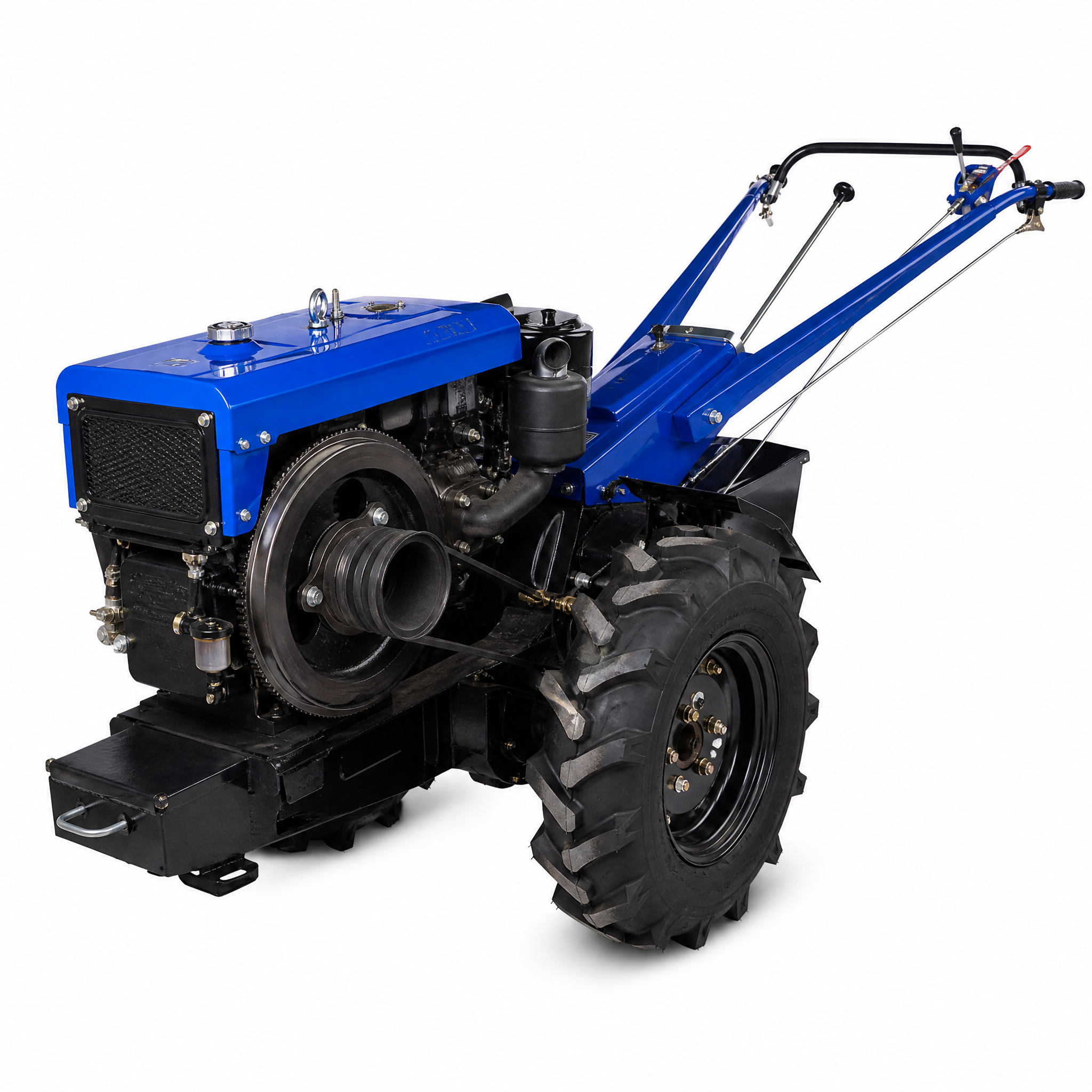
When it comes to wholesale purchasing of miniature farm tractors, understanding your options is key. Many suppliers, including Agripros, offer bulk purchasing discounts that can significantly reduce costs. You may also encounter different purchasing models, such as direct sales from manufacturers or through distributors.

Consider the minimum order quantity (MOQ) when evaluating suppliers, as this can affect pricing. Some manufacturers may offer a lower MOQ, allowing you to test the equipment before committing to larger orders. Additionally, be aware of the lead times for delivery, which can vary significantly between suppliers.

Negotiating terms such as payment methods, shipping arrangements, and warranty coverage is also vital. Establishing a good relationship with your supplier can lead to better pricing and support in the future.

What to Expect from Miniature Farm Tractor Vendors

What to Expect from Miniature Farm Tractor Vendors

When engaging with miniature farm tractor vendors, it's essential to have clear expectations. Look for vendors who provide comprehensive product support, including detailed specifications, user manuals, and after-sales service. A reliable vendor should also offer training for your staff on how to operate and maintain the tractors effectively.

It’s advisable to request a detailed quote that includes all costs, such as shipping and handling, to avoid unexpected expenses. Transparency is critical; ensure that the vendor communicates openly about lead times, potential delays, or issues related to your order.

Lastly, consider the vendor's reputation in the industry. Look for customer reviews, case studies, or testimonials that reflect their reliability and quality. A vendor with a strong track record can provide peace of mind as you invest in your agricultural machinery.

Key Specifications of Miniature Farm Tractors You Should Know

Key Specifications of Miniature Farm Tractors You Should Know

Understanding the key specifications of miniature farm tractors is crucial for making an informed purchase. Key specifications include:

Horsepower (HP): Determines the tractor's capability to perform tasks. Higher horsepower is essential for demanding operations like plowing or heavy lifting.

Weight and Size: Heavier tractors provide better stability in challenging terrains, while more compact models can maneuver in tight spots.

Engine Type: Diesel engines typically offer better torque and fuel efficiency compared to gasoline engines, making them preferable for agricultural use.

Transmission: Look for tractors with gear or hydrostatic transmissions, as these provide better control over speed and torque.

Lift Capacity: If you intend to use the tractor for lifting tasks, ensure that the lift capacity meets your requirements.

Fuel Efficiency: Fuel consumption is a significant cost factor; choose a model known for its fuel efficiency to minimize operational costs.

Before finalizing a purchase, verify that all specifications align with your operational needs to ensure optimal performance.

Evaluating the Quality of Miniature Farm Tractors Before You Buy

Quality evaluation before purchasing miniature farm tractors is vital to ensure durability and performance. Start by checking for certifications such as CE and ISO 9001, which indicate adherence to international quality standards. These certifications provide assurance that the tractors meet safety and quality benchmarks.

Next, inspect the materials used in construction, such as the frame and chassis. High-quality steel or composite materials can enhance durability, especially in harsh working conditions.

It's also advisable to request a sample or demonstration of the tractor before purchase. Testing the tractor in real operating conditions can reveal potential issues that may not be apparent from specifications alone. Pay attention to factors such as ease of operation, comfort of the controls, and responsiveness of the engine.

Finally, inquire about the manufacturer's quality control processes. A supplier with rigorous testing and quality assurance protocols in place is more likely to deliver reliable products.

By following these guidelines, you can ensure that the miniature farm tractors you choose will meet your operational demands and provide long-lasting service.

Choosing the Right Miniature Farm Tractors for Your Operations

Choosing the right miniature farm tractor involves understanding your specific operational needs, including the types of tasks you need the tractor to perform. Factors such as engine power, weight, and size are crucial. For instance, a tractor with a higher horsepower rating may be necessary for heavier tasks like tilling, while lighter models suffice for seeding or irrigation. Additionally, consider the terrain of your farm; a tractor with a narrow wheelbase may be more suitable for navigating tight spaces. Furthermore, it's important to consider the various Irrigation Systems that can be integrated with these tractors to enhance their functionality.

Moreover, assess the attachments and compatibility with existing equipment. Many miniature tractors come with interchangeable implements like plows, seeders, and mowers. It’s essential to ensure that the tractor you select can accommodate the attachments you require for your operations. Seeders & Transplanters are particularly useful for optimizing planting efficiency.

Lastly, think about the ease of maintenance and availability of spare parts. A tractor that is easy to maintain with readily available parts can save you time and money in the long run.

Get a Free Quote

Our representative will contact you soon.
0/1000