Key Considerations for Miniature Tractors

application/miniature-tractor, application/miniature-tractor, 
Inquiry
Inquiry

miniature tractor

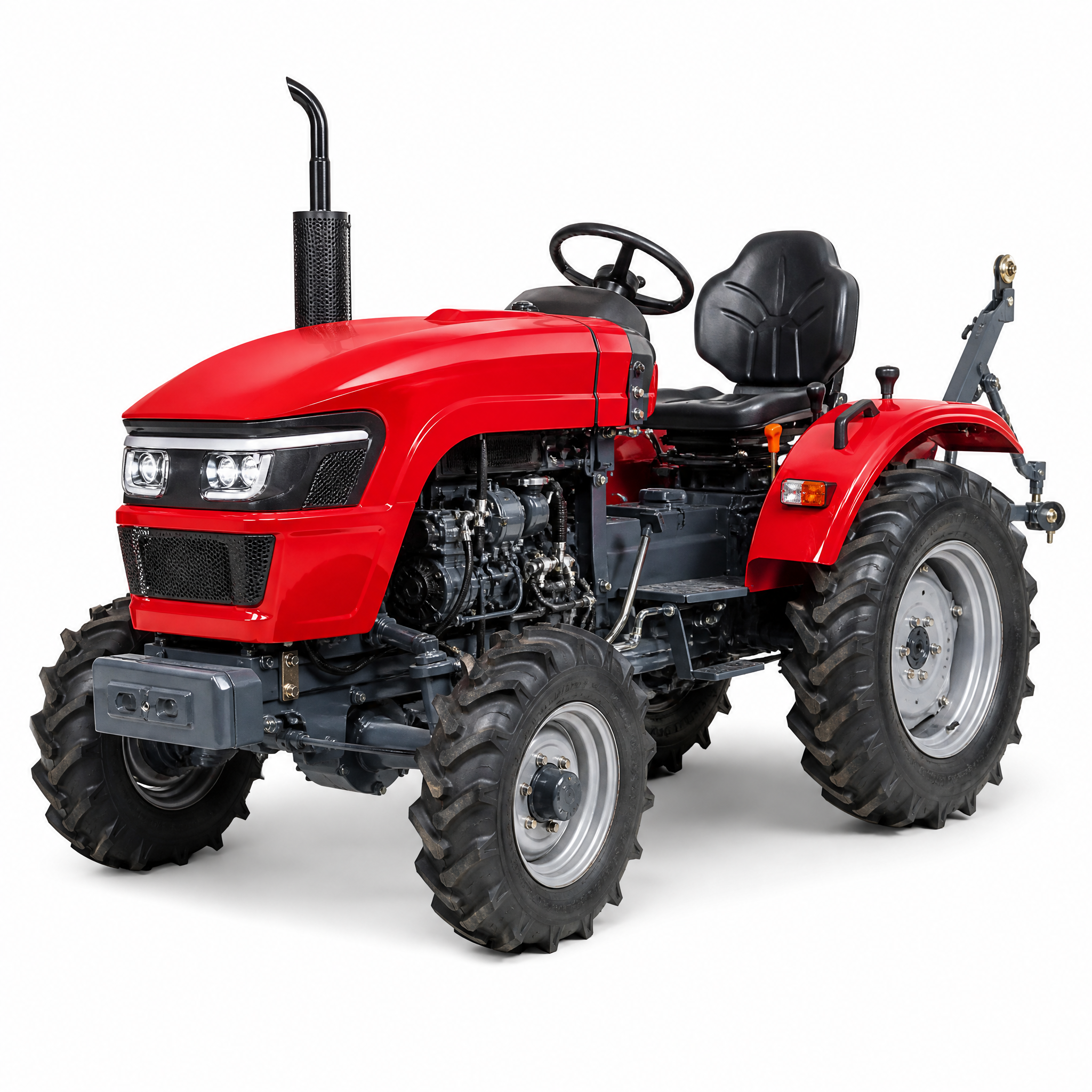
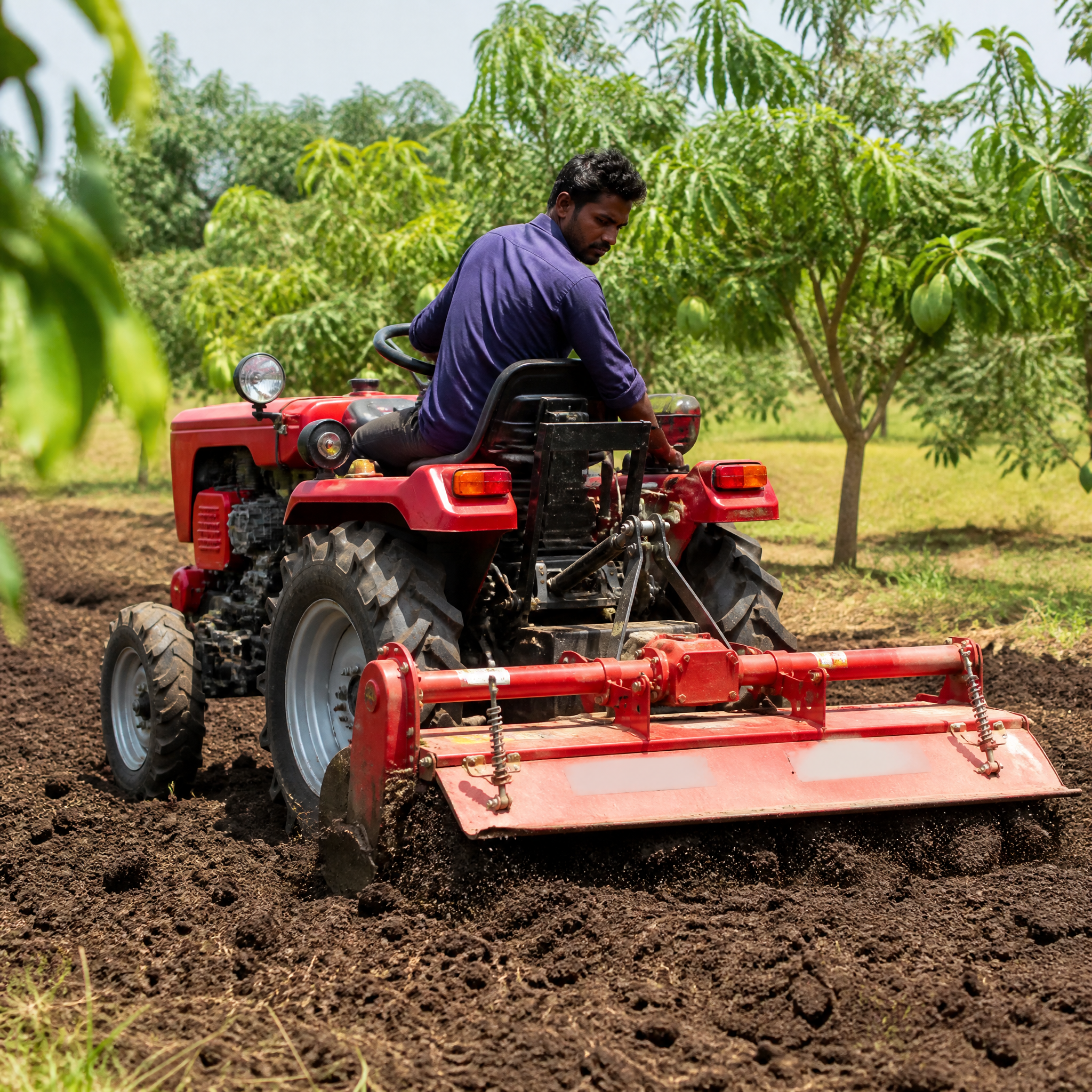
Miniature tractors are versatile agricultural machines designed for a variety of tasks including tillage, seeding, irrigation, and harvesting. For B2B buyers, especially purchasing managers and agricultural engineers, understanding the key specifications, potential problems, and quality indicators of miniature tractors is crucial. This article aims to help you navigate the essential considerations when selecting a miniature tractor, ensuring that your investment meets operational needs and performance expectations.

Common Problems with Miniature Tractors and Their Solutions

Common Problems with Miniature Tractors and Their Solutions

Despite their utility, miniature tractors can encounter several problems that may hinder performance. Here are common issues and their solutions:

Overheating: Insufficient cooling can lead to engine overheating. Ensure regular maintenance, including checking coolant levels and cleaning the radiator. Installing a larger radiator may be necessary for operations in hot climates.

Hydraulic System Failures: Common symptoms include slow or unresponsive hydraulic functions. Regularly inspect hydraulic fluid levels and maintain seals to prevent leaks. Using high-quality hydraulic fluid can also enhance system longevity.

Tire Wear: Improper tire pressure can lead to uneven wear and decreased traction. Regularly check tire pressure and inspect for damage. Rotating tires can also extend their lifespan.

Battery Failures: Miniature tractors often face battery-related issues, especially in colder months. Ensure battery terminals are clean and secure. Consider investing in a battery maintainer if the tractor is not used frequently.

By addressing these common problems proactively, buyers can enhance the reliability and longevity of their miniature tractors.

How to Evaluate the Quality of Miniature Tractors

How to Evaluate the Quality of Miniature Tractors

Evaluating the quality of miniature tractors involves several critical steps:

Manufacturer Reputation: Research the manufacturer’s history and reputation in the agricultural machinery sector. Established companies, like Agripros, often have proven records of quality and customer service.

Certifications: Look for certifications such as CE and ISO 9001, which indicate adherence to international quality standards. These certifications can assure buyers of the product's reliability and safety.

Material Quality: Investigate the materials used in construction, particularly for key components like the chassis and engine. High-grade metals and durable plastics typically indicate a longer service life.

User Reviews and Testimonials: Gathering feedback from existing users can provide insights into the tractor’s performance and any recurring issues. Online forums and industry publications are valuable resources.

Warranty and Support: A strong warranty policy reflects manufacturer confidence in their products. Ensure that comprehensive support, including parts availability and service options, is offered.

Assessing these factors collectively can provide a clearer picture of the miniature tractor's overall quality and its suitability for specific agricultural tasks.

What You Need to Know

What You Need to Know

Before making a purchase decision, buyers should gather essential information to streamline the procurement process:

Usage Requirements: Clearly define the intended applications for the miniature tractor. This will guide the selection of appropriate specifications and attachments.

Production Capacity and Lead Times: Understand the manufacturer's production capacity and typical lead times for orders. This is particularly important for large farms that require timely deliveries.

Customization Options: Many manufacturers offer customization to meet specific operational needs. Inquire about available options for attachments, color, and other features.

Pricing Factors: Pricing can vary significantly based on specifications, features, and customization. Be prepared to discuss your budget while ensuring that the tractor meets your operational needs.

Sample Approval: Before finalizing a purchase, request a sample or demonstration unit to evaluate performance in real-world conditions. This can help confirm that the tractor meets your expectations in terms of usability and efficiency.

By gathering this information, buyers can make informed decisions that align with their operational needs and budget constraints.

Maximizing Efficiency on Your Projects

To maximize the efficiency of mini tractors in agricultural projects, consider the following strategies:

Proper Training: Ensure that operators are adequately trained in the use of the tractor and its attachments. This can reduce the risk of accidents and enhance productivity.

Regular Maintenance: Establish a maintenance schedule to ensure the tractor remains in optimal working condition. This includes regular checks of fluid levels, filters, and belts.

Efficient Work Practices: Plan tasks to minimize unnecessary movements and maximize the use of attachments. For instance, using a tiller in conjunction with a seeder can streamline planting operations. A Grain Feed Ingredient Mixer can also be a valuable addition to your workflow.

Utilization of Technology: Consider integrating precision agriculture technologies that can enhance tractor efficiency. GPS systems can optimize field operations, reducing overlap and improving yield.

Feedback Loops: After completing projects, gather feedback from operators on the tractor's performance. This information can guide future equipment purchases or modifications.

Implementing these strategies can lead to improved efficiency and productivity, ultimately resulting in better returns on investment for agricultural operations.

By understanding the specifications, common issues, quality evaluation, and efficiency maximization strategies, buyers can make well-informed decisions when selecting miniature tractors for their agricultural needs.

Key Specifications to Consider for Miniature Tractors

When evaluating miniature tractors, several key specifications directly influence their performance and suitability for various tasks:

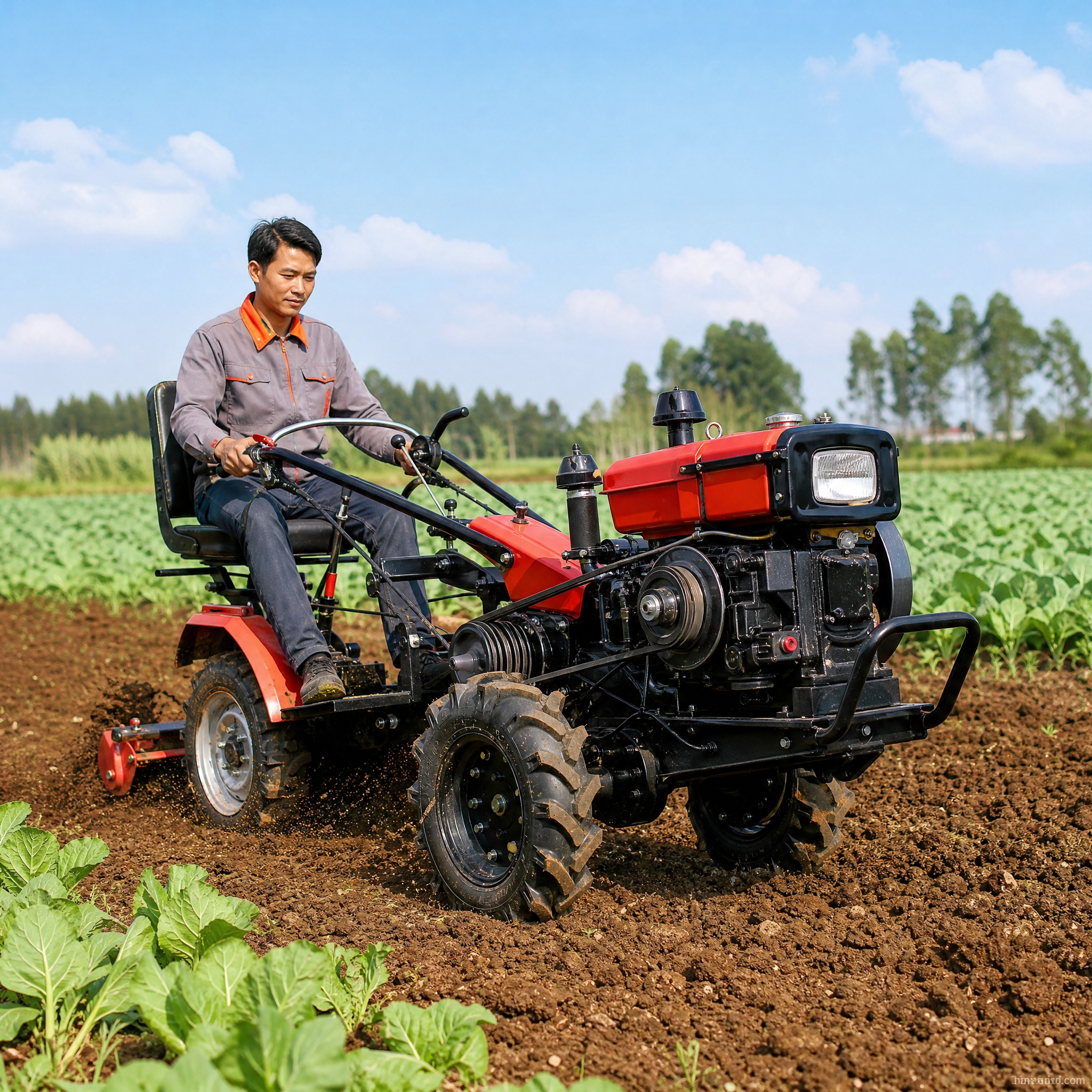
Engine Power: Typically measured in horsepower (HP), the engine power determines the tractor's capacity to handle different implements and workloads. A higher HP is essential for heavier tasks, while lower HP may suffice for lighter operations. For example, the 8-25HP Diesel Walk Behind Tractor Water-Cooled Hand Start Farm Tractor is a great option for those looking for a powerful solution.

Weight and Size: The weight of the tractor affects its stability and traction. Smaller, lighter tractors are more maneuverable in tight spaces but may struggle with stability on uneven terrain. Consider the tractor's dimensions to ensure it can navigate your specific agricultural environment.

Transmission Type: Miniature tractors may feature manual, automatic, or hydrostatic transmissions. Each type offers different advantages in terms of ease of use and control. Hydrostatic transmissions allow for smoother operation and are ideal for tasks requiring frequent speed adjustments.

Hydraulic System: A robust hydraulic system enhances the tractor's ability to operate various attachments. Look for specifications on hydraulic flow rate and pressure, as these will determine the performance of implements such as loaders and tillers.

Fuel Efficiency: Fuel consumption is a critical cost factor. Examine the fuel tank capacity and estimated consumption rates to assess operational costs over time.

Tire Type and Size: The choice of tires impacts traction and soil compaction. Larger, wider tires provide better flotation on soft soils, while narrower tires can reduce soil disturbance.

Understanding these specifications helps buyers select a miniature tractor that aligns with their specific agricultural applications and operational requirements.

Frequently Asked Questions

What is the miniature tractor used for?

The miniature tractor is designed for light tillage, seeding, irrigation support, and small-scale harvesting tasks on farms and plantations.
Our miniature tractor is CE certified and manufactured under ISO 9001 quality management standards.
We offer a range of compact engine outputs and chassis sizes tailored to small plots; specific options are provided on request to match field needs.
Yes. We provide lifecycle-based support including installation guidance, spare parts supply, and maintenance services across supported regions.
Yes. We offer tailored configurations and attachments to suit different crops, soil types, and plantation layouts based on customer requirements.

Get a Free Quote

Our representative will contact you soon.
0/1000