Key Specifications for Mouldboard Ploughs

application/mouldboard-plough, application/mouldboard-plough, 
Inquiry
Inquiry

mouldboard plough

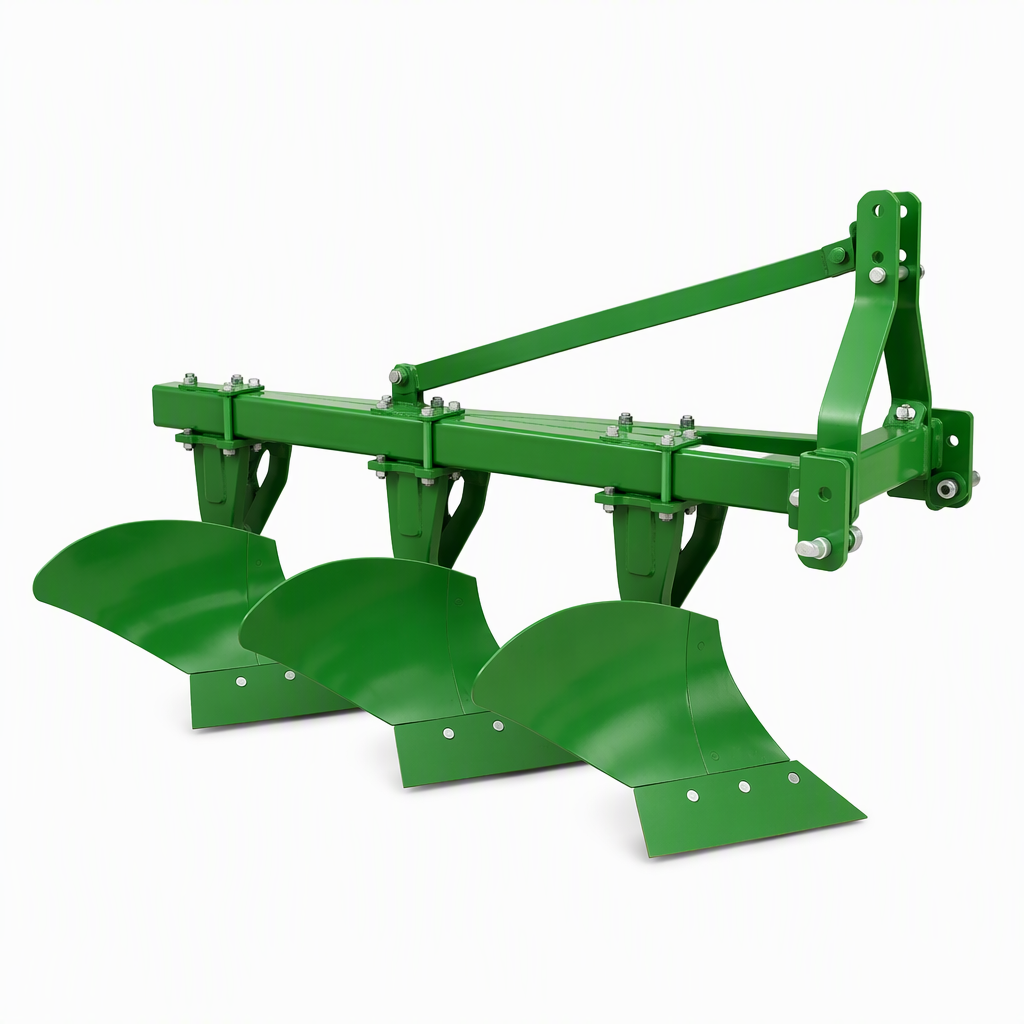
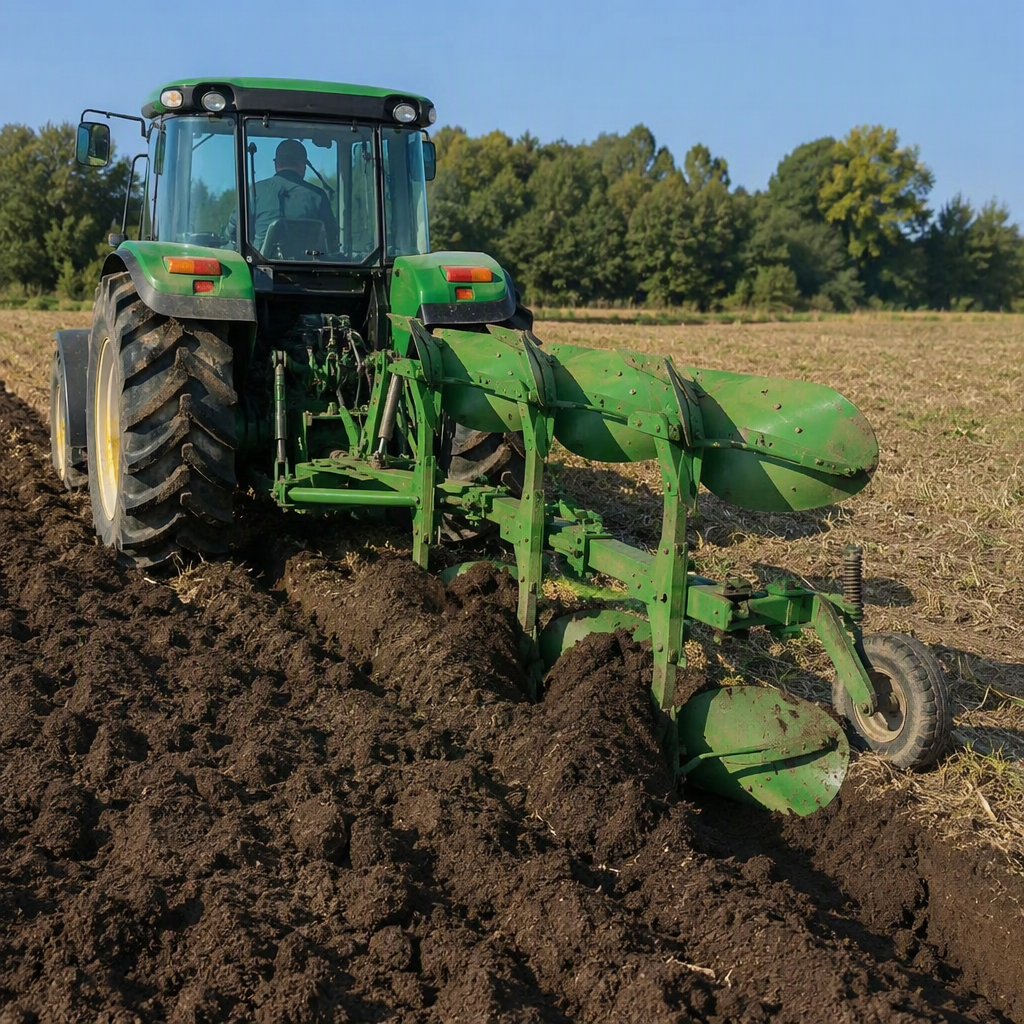
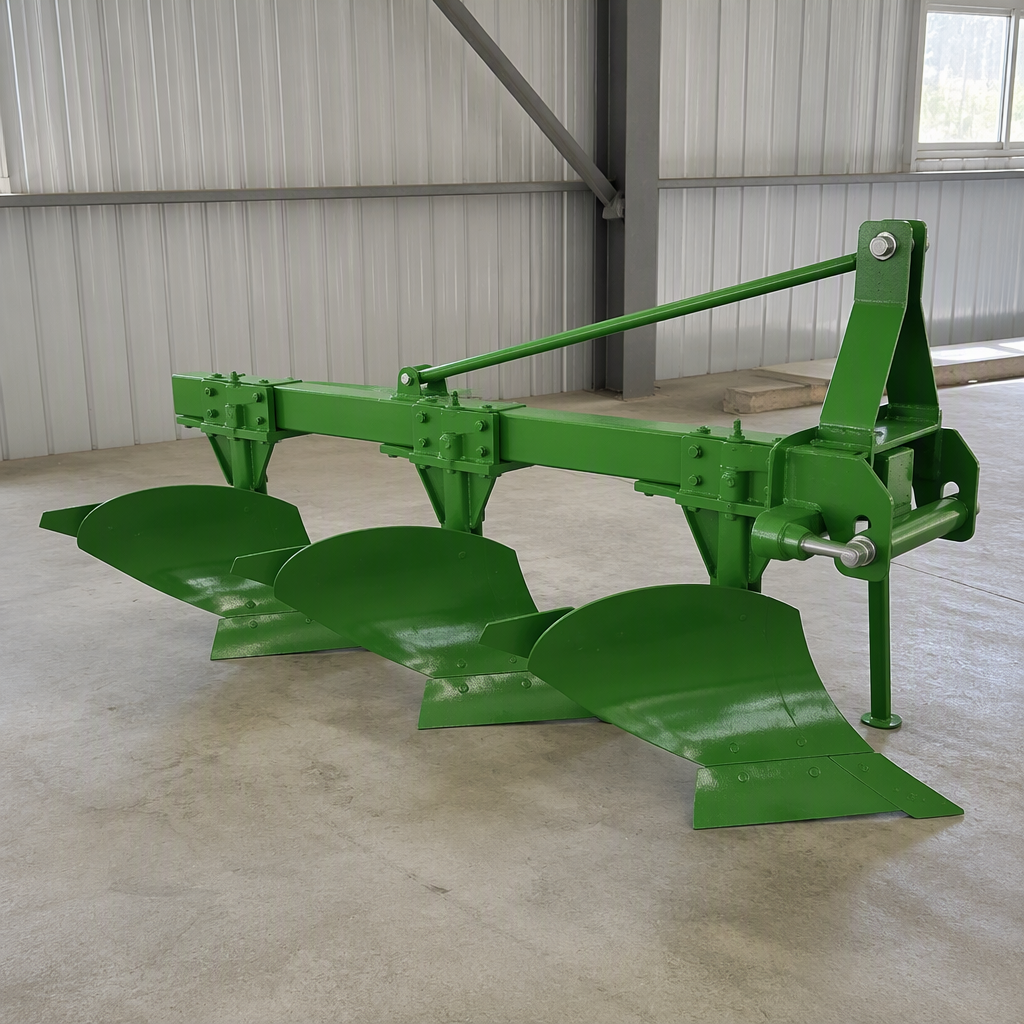
Mouldboard ploughs are essential agricultural implements designed for soil tillage, enabling effective land preparation before planting. They are used to turn and aerate the soil, burying crop residues and weeds while improving soil structure. For buyers in the agricultural sector, understanding the specifications, sourcing options, cost factors, installation requirements, and unique features of mouldboard ploughs is crucial for making informed purchasing decisions.

Where to Source High-Quality Mouldboard Ploughs for Wholesale Orders

Where to Source High-Quality Mouldboard Ploughs for Wholesale Orders

Sourcing high-quality mouldboard ploughs involves identifying reputable suppliers who can provide reliable products and support. Here are some strategies for sourcing:

Direct Manufacturers: Engaging with manufacturers like Agripros can be advantageous as they often have direct access to production capabilities and can offer customization options. Look for manufacturers with CE/ISO certifications, which indicate adherence to quality and safety standards.

Trade Shows and Exhibitions: Attending industry trade shows allows buyers to see products firsthand, discuss specifications with manufacturers, and compare various offerings. This is also an opportunity to establish relationships with suppliers.

Online Marketplaces: B2B platforms can provide a wide range of suppliers. However, due diligence is necessary to assess the credibility of suppliers through reviews, ratings, and past performance.

Local Distributors: Partnering with local distributors who specialize in agricultural machinery can be beneficial. They often have knowledge of regional needs and can provide after-sales support.

When sourcing, consider minimum order quantities (MOQ) and delivery timelines to ensure that the supply aligns with operational schedules.

Cost Factors to Keep in Mind for Mouldboard Plough Procuremen

Cost Factors to Keep in Mind for Mouldboard Plough Procuremen

Several cost factors influence the procurement of mouldboard ploughs:

Initial Purchase Price: The upfront cost varies based on specifications, brand reputation, and manufacturer. It's important to compare prices across different suppliers while considering the quality of materials and craftsmanship.

Shipping and Handling: Buyers should factor in shipping costs, which can vary based on distance, weight, and delivery terms. Understanding the total landed cost will aid in making budget decisions.

Maintenance and Repair Costs: Regular maintenance is essential to prolong the life of mouldboard ploughs. Buyers should inquire about the availability of spare parts and the associated costs to ensure ongoing operational efficiency.

Operational Efficiency: The efficiency of the plough affects fuel consumption and overall operational costs. Investing in a high-quality plough may present higher initial costs but can lead to savings in fuel and time over its lifespan. For instance, the Grain Crusher 3 kW Electric Mill for Poultry Feed Milling can be an excellent complement for efficient farming operations.

By considering these cost factors, buyers can make more informed financial decisions that align with their agricultural operations.

Installation Guidance for Efficient Use of Mouldboard Ploughs

Installation Guidance for Efficient Use of Mouldboard Ploughs

Proper installation of mouldboard ploughs is critical for optimal performance. Here are some guidelines:

Tractor Compatibility: Ensure that the plough is compatible with the tractor's horsepower and hitch system. Mismatched equipment can lead to inefficiencies and potential damage.

Setting the Depth: Adjust the working depth according to soil conditions. It’s essential to start shallow and gradually increase depth to avoid excessive soil compaction and to ensure proper soil turnover.

Alignment and Calibration: Before use, ensure the plough is properly aligned with the tractor. A misaligned plough can lead to uneven soil turnover and increased wear on the equipment.

Testing Before Full Operation: Conduct a test run in a small area to assess performance and make any necessary adjustments before moving on to larger fields. This allows for fine-tuning of settings for optimal results.

By following these installation guidelines, operators can maximize the efficiency and effectiveness of their mouldboard ploughs.

What Sets Our Equipment Apar

Agripros stands out in the agricultural machinery market due to our commitment to quality and tailored solutions. Here are some key differentiators:

Quality Assurance: With CE and ISO 9001 certifications, our mouldboard ploughs undergo rigorous quality control processes to ensure durability and performance.

Customization Options: We understand that different agricultural operations have unique requirements. Our ability to customize mouldboard ploughs allows us to better meet the specific needs of our clients.

Lifecycle-Based Solutions: Our approach focuses on providing equipment that supports long-term agricultural practices. This includes offering maintenance support and replacement parts to ensure sustained performance.

Global Reach: With experience supporting farms and plantations in over 40 countries, we possess a deep understanding of diverse agricultural environments and challenges, allowing us to provide relevant solutions.

By prioritizing quality, customization, and support, Agripros aims to empower agricultural operations with reliable and efficient machinery. Understanding the key specifications, sourcing strategies, cost factors, installation requirements, and unique features of mouldboard ploughs is essential for B2B buyers. By leveraging this knowledge, buyers can make informed decisions that enhance their agricultural productivity and efficiency.

Key Specifications to Consider When Evaluating Mouldboard Ploughs

When evaluating mouldboard ploughs, several key specifications should be taken into account:

Plough Width and Number of Shares: The width of the plough and the number of shares directly affect the amount of soil turned per pass. Wider ploughs with multiple shares can cover more ground but may require a more powerful tractor to operate effectively.

Material Construction: Mouldboard ploughs are typically constructed from high-strength steel or other durable materials to withstand the abrasive conditions of soil interaction. Buyers should assess the quality of materials used, as they impact longevity and performance.

Weight and Balance: The weight of the plough can influence its performance in different soil types. A heavier plough may penetrate harder soils better, but it can also require more horsepower. Proper balance is essential for smooth operation and to prevent excessive wear on the tractor.

Adjustability: Look for ploughs that offer adjustable working depths and angles. This flexibility allows operators to adapt to various soil conditions and crop requirements, optimizing performance.

Finish and Coatings: Surface treatments, such as galvanization or powder coating, can enhance resistance to corrosion and wear. This is particularly important for equipment exposed to harsh environmental conditions.

Understanding these specifications helps buyers select the right mouldboard plough that meets their operational needs and soil conditions. For example, a suitable option could be the 8-25HP Diesel Walk Behind Tractor Water-Cooled Hand Start Farm Tractor for optimal performance in various soil types.

Get a Free Quote

Our representative will contact you soon.
0/1000