Mould Board Plough: Key Factors and Benefits

application/mould-board-plough, application/mould-board-plough, 
Inquiry
Inquiry

mould board plough

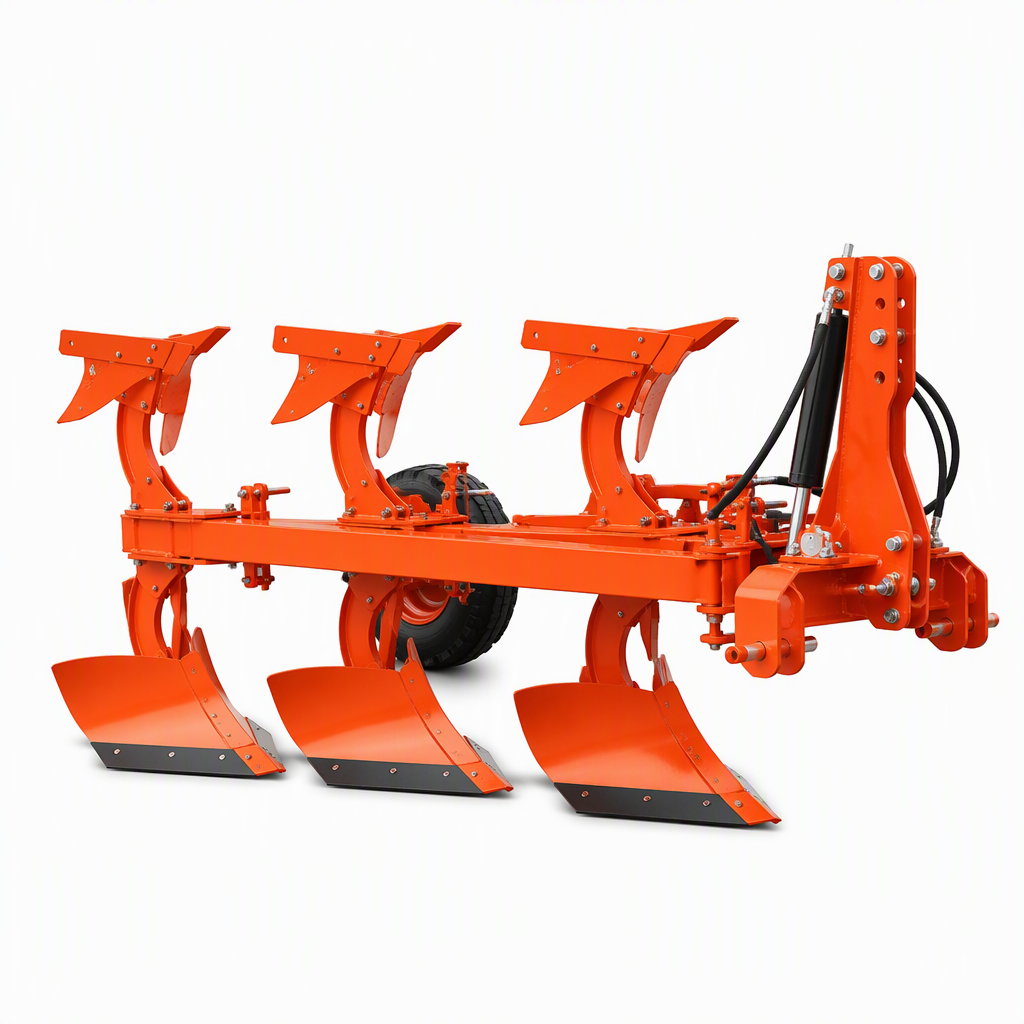
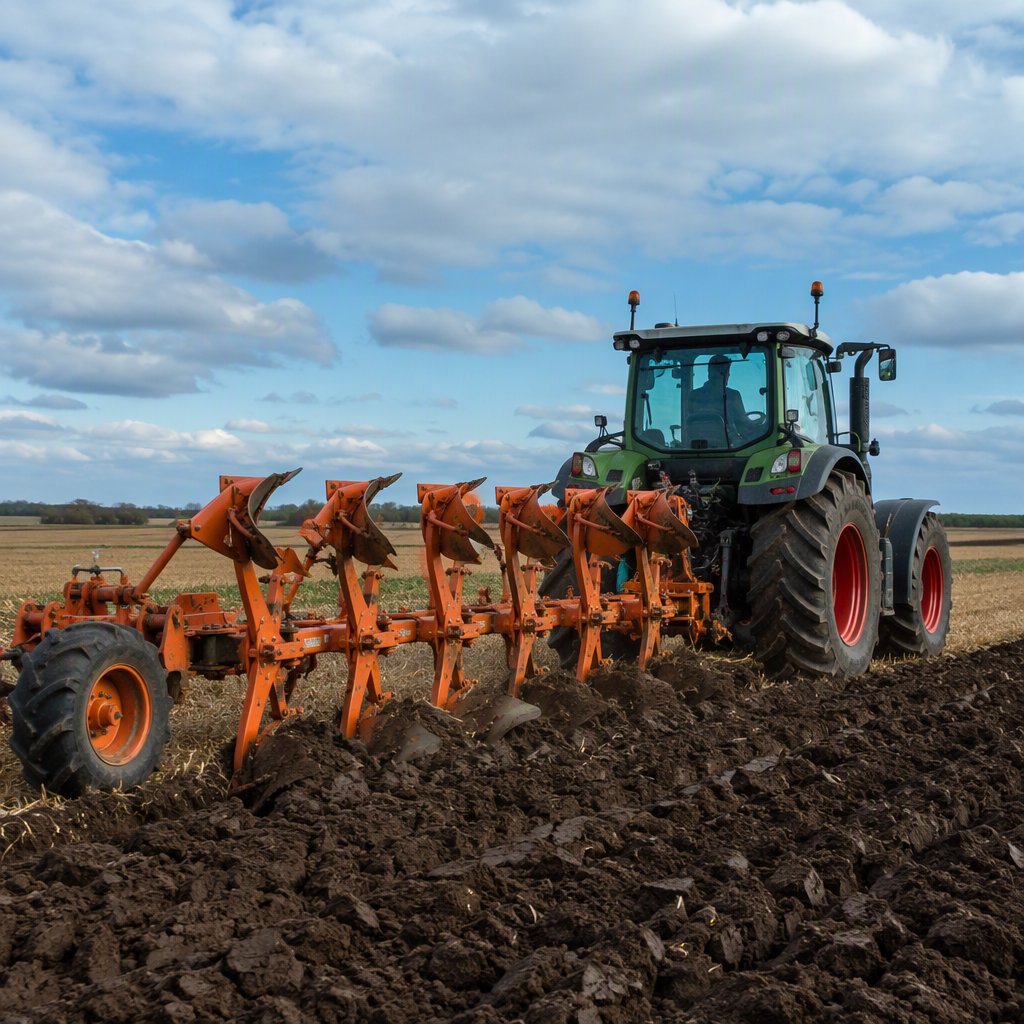
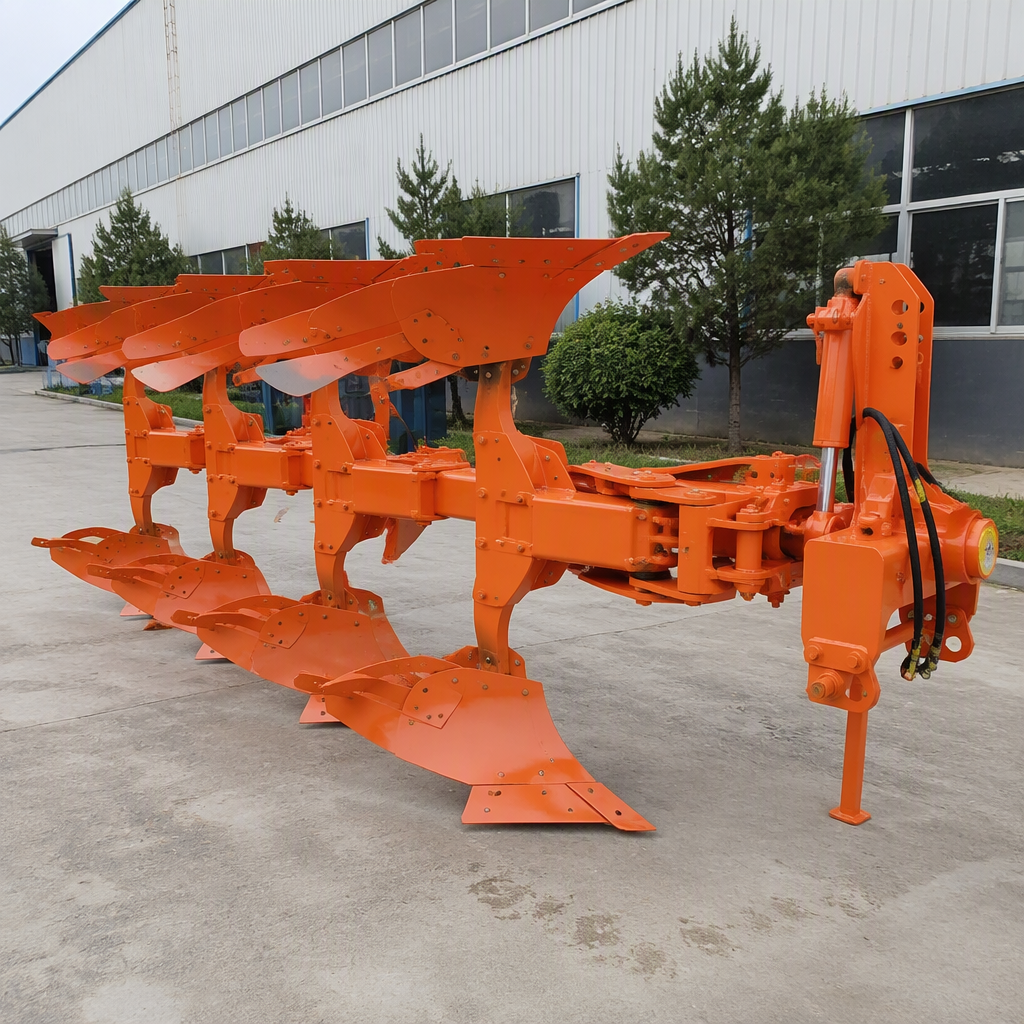
Mould board ploughs are essential agricultural implements designed for effective tillage. They play a crucial role in soil preparation, enabling farmers to enhance crop yields by improving soil structure and aeration. When considering a mould board plough, B2B buyers typically focus on factors such as durability, customization options, and compatibility with existing equipment. This article will guide you through key considerations, sourcing strategies, features, common challenges, and applications of mould board ploughs in modern agriculture.

Sourcing Mould Board Ploughs with Confidence

Sourcing Mould Board Ploughs with Confidence

Sourcing mould board ploughs requires careful consideration and preparation. Here are key steps to ensure a successful procurement process:

Define Requirements: Before reaching out to suppliers, clearly outline your requirements, including the desired specifications, quantity, and any customization needs. This preparation helps suppliers provide accurate quotes and lead times.

Supplier Evaluation: Look for suppliers with a proven track record in manufacturing agricultural machinery. Verify certifications such as ISO 9001 and any relevant quality control processes. A supplier like Agripros, which operates under stringent quality management systems, can offer peace of mind regarding product reliability. You may also want to consider sourcing Processing Machines that complement your agricultural needs.

Request Samples: It’s advisable to request samples or prototypes before finalizing orders. This allows you to assess the plough's fit and finish, ensuring it meets your operational standards and performance expectations.

Features and Benefits

Features and Benefits

Mould board ploughs are equipped with various features that enhance their performance:

Adjustable Depth Settings: Many modern mould board ploughs come with adjustable depth settings, allowing operators to control how deep the plough penetrates the soil. This flexibility is essential for adapting to different soil conditions and crop requirements.

Ergonomic Design: Features such as comfortable handles and user-friendly controls can reduce operator fatigue and improve efficiency during long working hours.

Enhanced Soil Aeration: The design of mould boards helps to turn the soil effectively, promoting better aeration and nutrient distribution. This is crucial for improving seedbed conditions and supporting healthier crop growth.

Reduced Maintenance: Quality manufacturing processes result in ploughs that require less frequent maintenance. Buyers should inquire about the warranty and support services offered by suppliers to ensure long-term reliability.

Common Problems with Mould Board Ploughs and Effective Solutions

Common Problems with Mould Board Ploughs and Effective Solutions

While mould board ploughs are essential tools, they can encounter specific problems:

Soil Compaction: One common issue is soil compaction, which can occur if the plough is too heavy or used too frequently on the same field. To mitigate this, evaluate the weight distribution and consider using lighter materials or adjusting the plough's design.

Worn Shares: The shares of a mould board plough can wear out over time, affecting performance. Regular inspections and timely replacement of worn parts are essential. Buyers should inquire about the availability of replacement parts from suppliers.

Inconsistent Tillage: If the plough is not properly calibrated, it can lead to uneven tillage. Operators should be trained on how to adjust the plough for consistent performance based on field conditions.

Compatibility Issues: Ensure that the mould board plough is compatible with existing machinery. Buyers should confirm mounting options and compatibility with tractor specifications to avoid operational disruptions.

Applications of Mould Board Ploughs in Modern Agriculture

Mould board ploughs have diverse applications in modern agriculture, contributing to sustainable farming practices:

Soil Preparation: They are primarily used for primary tillage, breaking up compacted layers and turning over the soil to prepare for planting. This process enhances soil fertility and structure, benefiting subsequent crop growth.

Crop Rotation: Farmers often utilize mould board ploughs during crop rotation to manage weeds and pests. By turning over the soil, they disrupt pest life cycles and promote biodiversity.

Organic Farming: In organic farming, mould board ploughs play a vital role in soil health. They help incorporate organic matter, such as cover crops, into the soil, enriching it with nutrients.

Precision Agriculture: With advancements in technology, mould board ploughs can be integrated into precision agriculture practices. By using GPS-guided systems, farmers can optimize tillage operations for efficiency and productivity.

In summary, understanding the key factors, sourcing strategies, features, common challenges, and applications of mould board ploughs is essential for making informed purchasing decisions. By partnering with a reputable supplier like Agripros, buyers can ensure they receive high-quality equipment tailored to their specific agricultural needs, including options like Seeders & Transplanters that can further enhance their farming operations.

Key Factors

When selecting a mould board plough, several key factors should be considered:

Material Quality: Mould board ploughs are typically made from high-strength steel to withstand the rigors of tillage. The durability of the material affects the plough's lifespan and maintenance requirements. Buyers should verify the material specifications to ensure they meet the demands of their specific soil types and conditions.

Design and Configuration: The design of the plough affects its effectiveness in soil turnover. Options vary, including single or multi-bottom ploughs, which can impact the depth and width of tillage. Understanding the specific agricultural needs, such as row spacing and soil type, will help buyers choose the appropriate design.

Customization Options: Many manufacturers, including Agripros, offer customization capabilities. Whether you need specific sizes, additional features like adjustable shares, or unique mounting systems, confirming these options during the sourcing process is crucial. Additionally, exploring options like Cultivators & Tillers can provide further insights into enhancing soil preparation.

Get a Free Quote

Our representative will contact you soon.
0/1000