Key Specifications to Consider When Selecting a Mould Board Plough
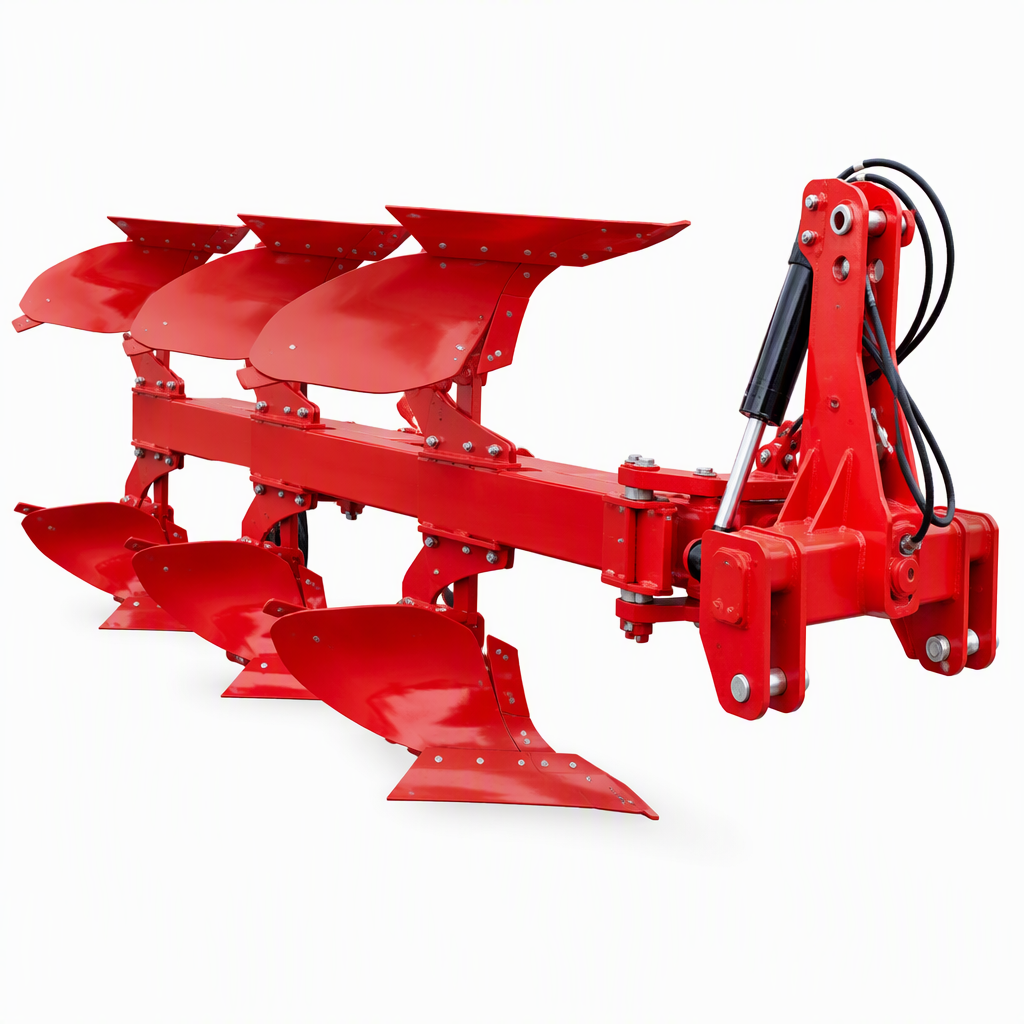
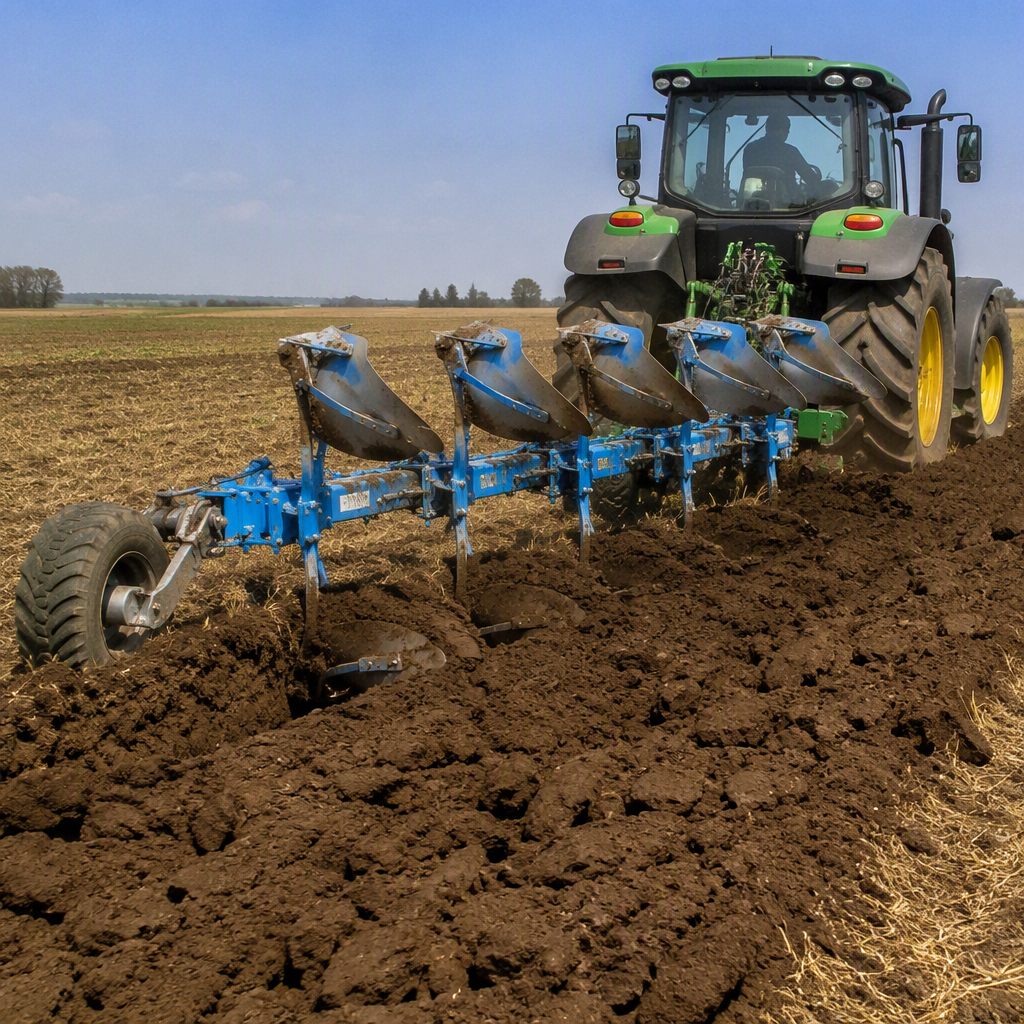
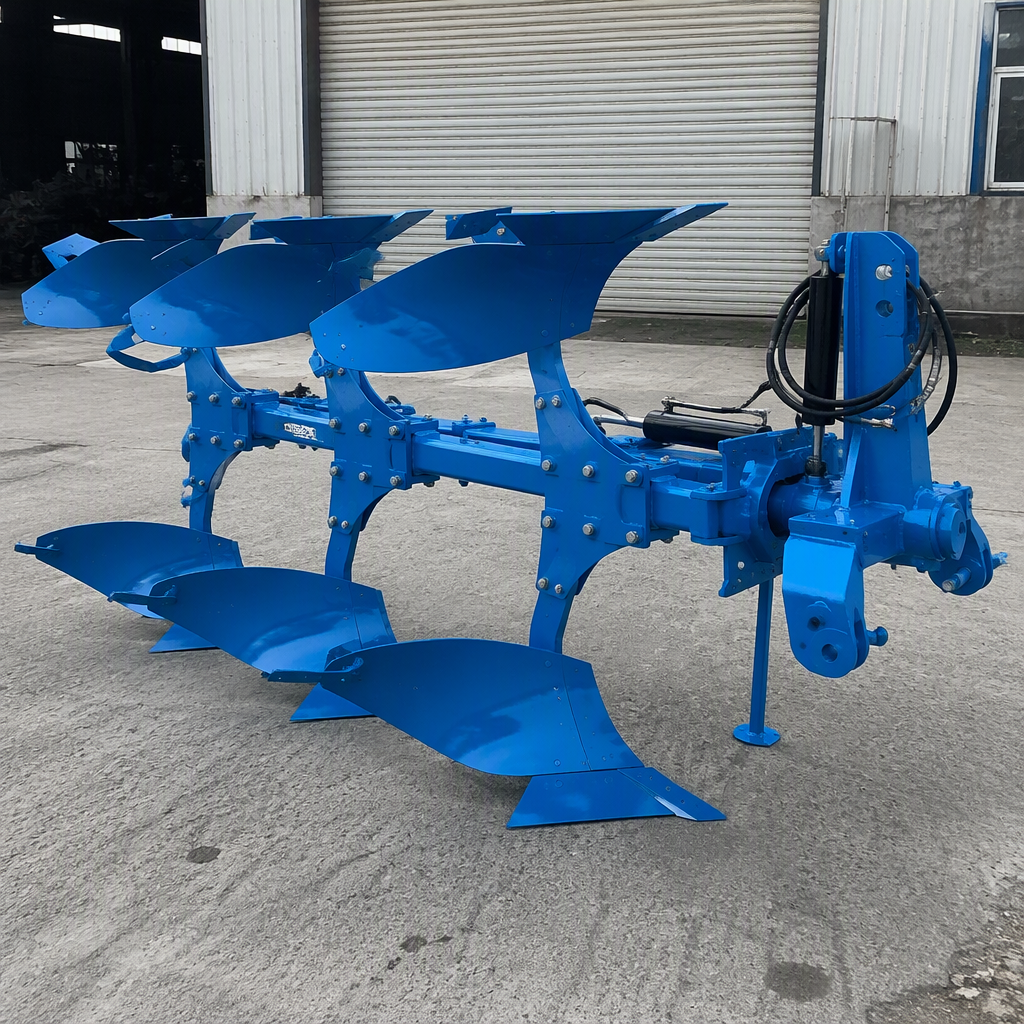
When evaluating reversible mould board ploughs, several specifications can significantly impact performance:
Material Quality: The mould boards should be made from high-strength, wear-resistant materials, such as boron steel, to withstand the abrasive nature of soil and prolong service life.
Dimensions: Overall dimensions, including the plough's depth and height, should align with the specific requirements of your agricultural practices. A plough that is too deep may compact the soil, while one that is too shallow may not effectively turn the soil.
Weight: The weight of the plough affects its stability and performance in varying soil conditions. A heavier plough is typically more effective in challenging soil types, while a lighter model may be better suited for softer soils.
Adjustability: Features such as depth and angle adjustments allow for better adaptability to different soil types and conditions. This flexibility can enhance performance and improve soil quality. Utilizing Cultivators & Tillers alongside your plough can also aid in achieving optimal soil conditions.
Certification and Quality Control: Ensure the plough comes with relevant certifications such as CE or ISO 9001, indicating adherence to quality and safety standards.
Understanding these specifications will enable you to select a mould board plough that meets the unique demands of your agricultural operations.
 EN