Evaluating Planter Machine Prices for Bulk Orders

application/planter-machine-price, application/planter-machine-price, 
Inquiry
Inquiry

planter machine price

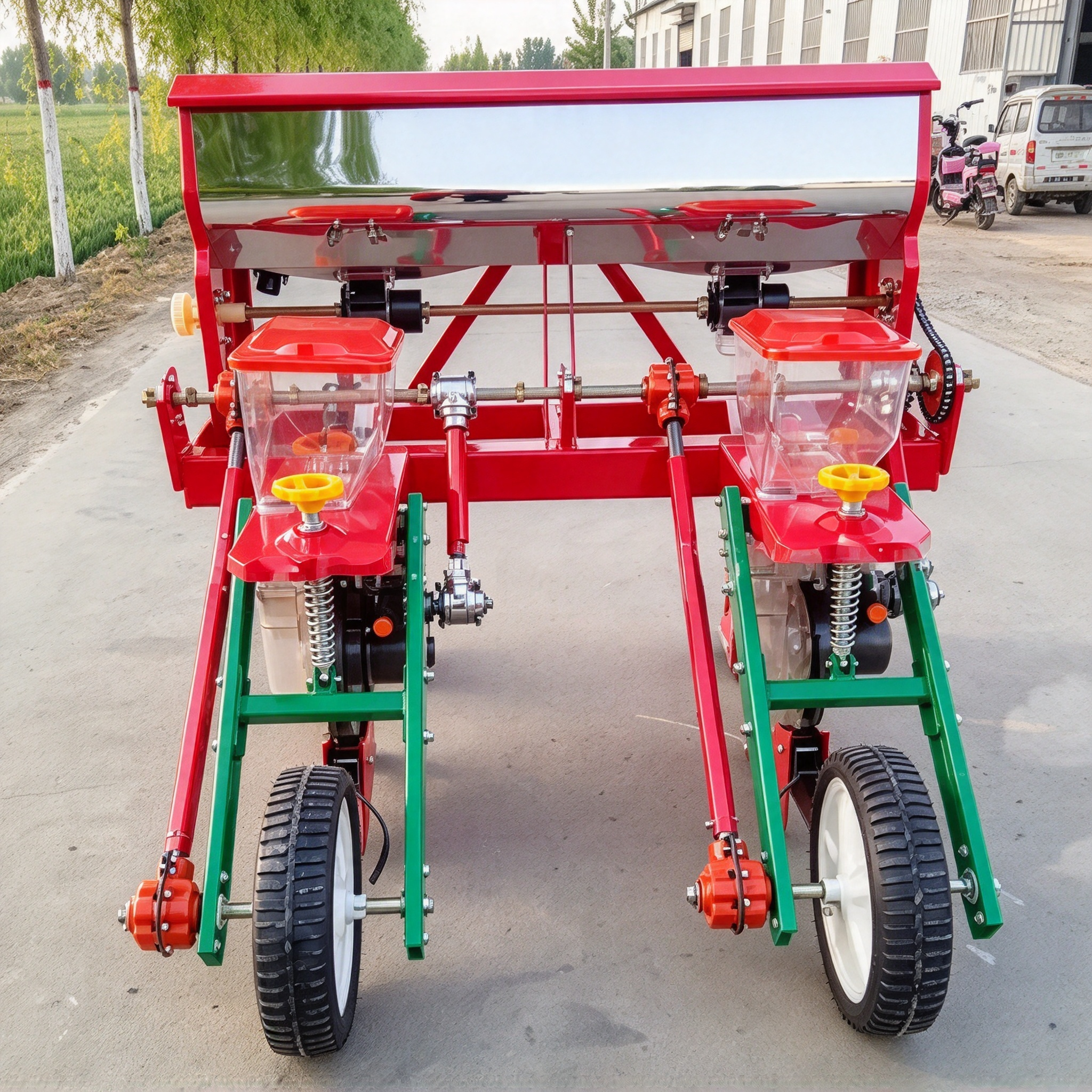
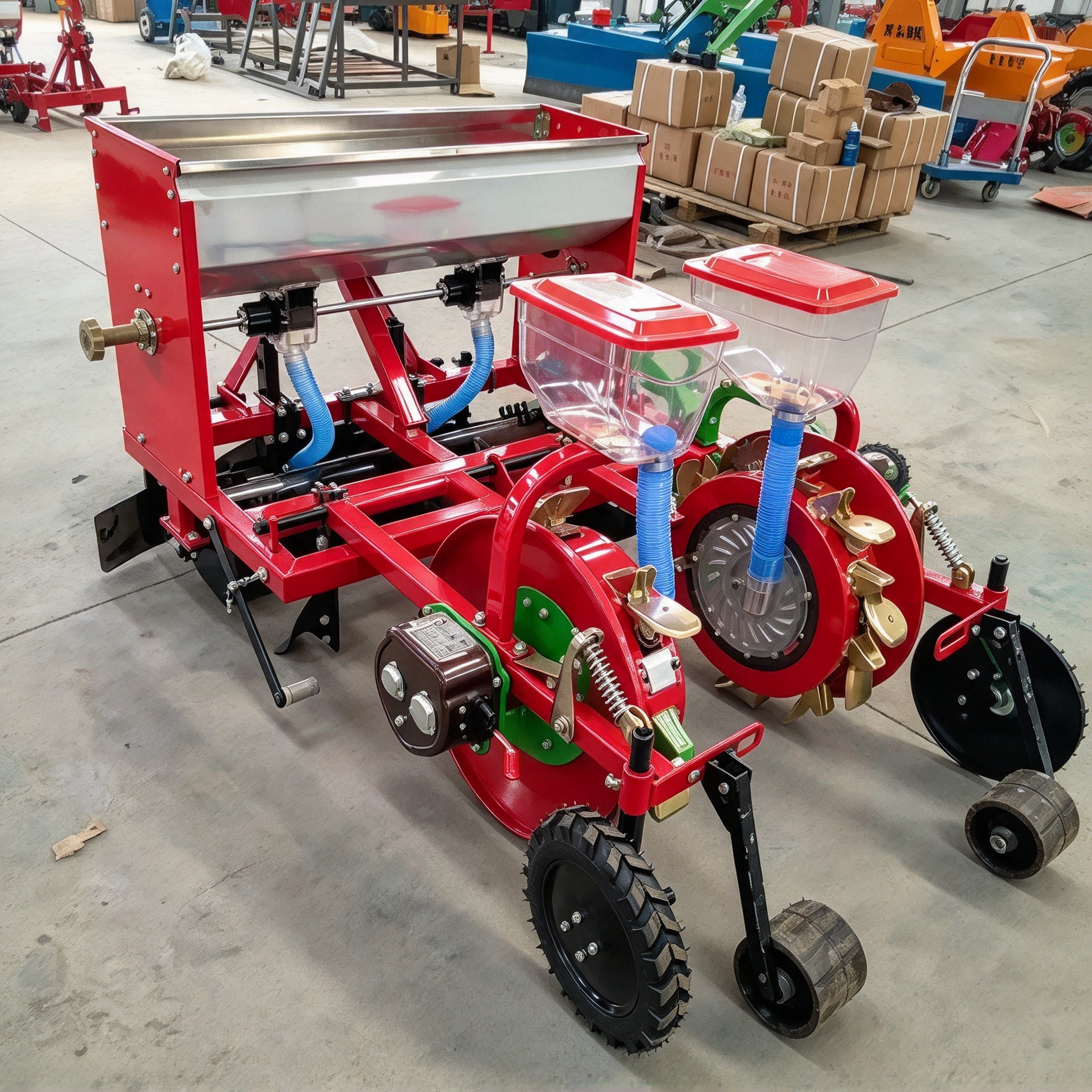
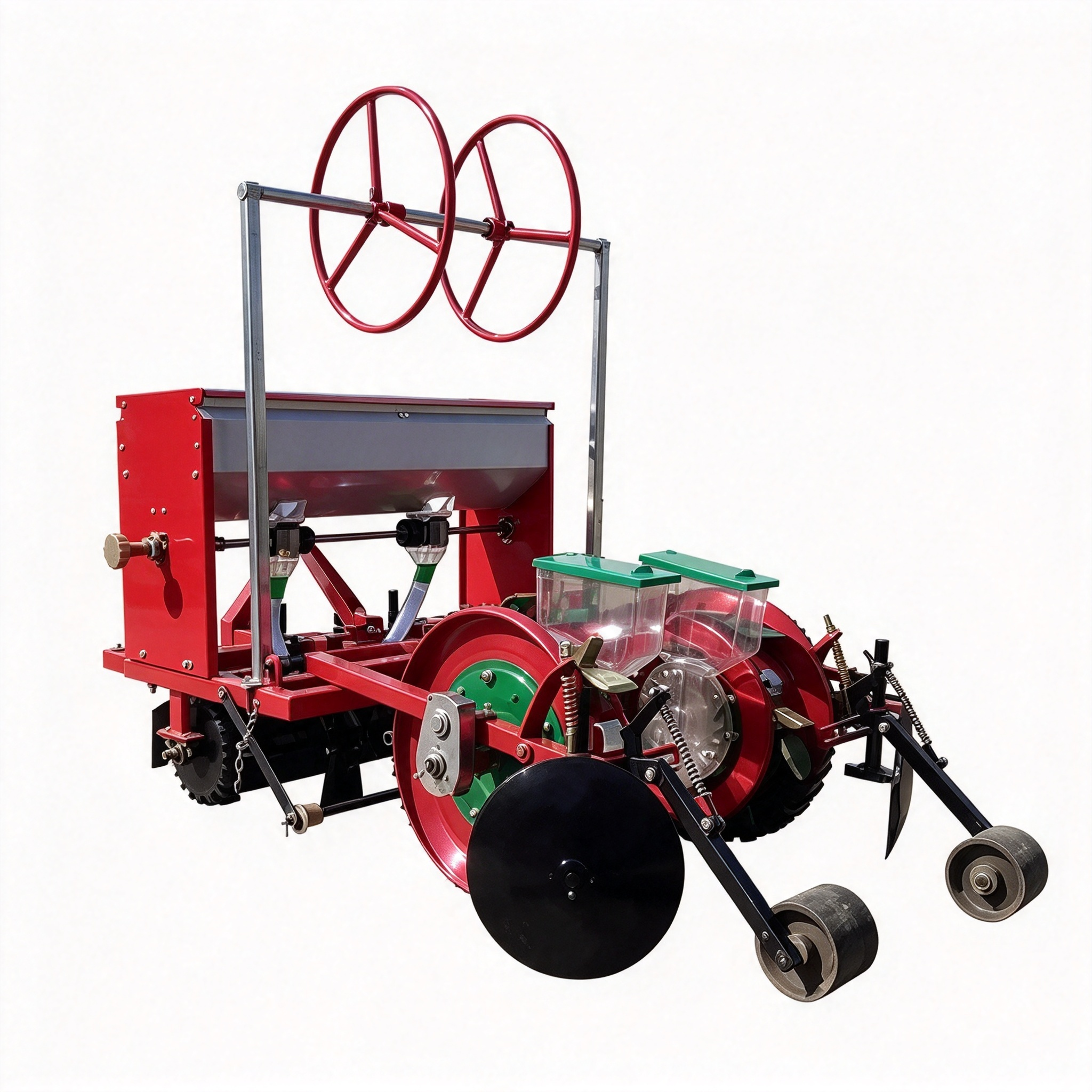
When considering the price of planter machines, it’s essential to understand the various factors influencing costs and how they align with your agricultural needs. Planter machines are critical for efficient planting in large-scale farming operations, and their pricing can vary significantly based on specifications, features, and supplier reliability. This article will help you navigate the complexities of planter machine pricing, selection, and sourcing, ensuring you make informed decisions for your agricultural operations.

How to Choose the Right Planter Machine for Your Agricultural Needs

How to Choose the Right Planter Machine for Your Agricultural Needs

Choosing the right planter machine involves a thorough understanding of your specific agricultural requirements. Start by identifying the types of crops you intend to plant, as different machines are optimized for various seed types and planting conditions. For instance, a precision planter may be ideal for small seeds, while a larger machine may be better for bulk planting of larger seeds.

Next, evaluate the machine's capacity concerning your acreage and planting schedule. If you’re managing a large farm, a high-capacity machine with advanced features like automatic seed depth adjustment might be necessary to ensure efficiency and precision, such as those found in the Grain Feed Ingredient Mixer – 500-5000L Crusher & Blender.

Additionally, consider the terrain and soil conditions of your fields. Some machines are designed for hilly or uneven terrain, while others are more suited for flat, well-prepared fields. Understanding your specific operational challenges will help you select a machine capable of performing effectively in your environment.

Where to Find Reliable Suppliers for Quality Planter Machines

Where to Find Reliable Suppliers for Quality Planter Machines

Finding reliable suppliers for quality planter machines requires a strategic approach. Start by researching manufacturers with a proven track record in the agricultural machinery sector. Look for companies that hold relevant certifications, such as CE and ISO 9001, as these indicate adherence to quality and safety standards.

Networking with agricultural professionals and attending industry trade shows can provide valuable insights into reputable suppliers. Online platforms and industry forums also serve as resources for reviews and recommendations.

Once you have a shortlist of suppliers, consider requesting samples or demonstrations of their equipment. This hands-on evaluation can help you assess the machine's performance and compatibility with your farming practices. Establishing a good relationship with your supplier can also facilitate better pricing and support down the line.

Key Specifications to Compare for Wholesale Planter Machines

Key Specifications to Compare for Wholesale Planter Machines

When comparing planter machines for wholesale purchasing, focus on several key specifications that can affect performance and suitability for your operations:

Planting Depth and Row Spacing: Different crops require specific planting depths and spacing. Confirm that the machine can accommodate your crop requirements.

Capacity: Evaluate the machine’s planting capacity per hour and its hopper size. A larger capacity can lead to increased efficiency, especially during peak planting seasons.

Construction Materials: Assess the materials used in the machine's construction. Durable materials can enhance longevity and resistance to wear and tear, reducing maintenance costs.

Technology Features: Modern planter machines often come equipped with advanced technology, such as GPS tracking and automated planting systems. These features can improve accuracy but may also increase the price.

Weight and Size: The machine's weight can affect its ability to operate in various soil conditions. Ensure that your tractor can handle the planter’s weight and size for optimal performance.

By comparing these specifications, you can make a more informed decision that aligns with your operational needs.

Common Problems with Planter Machines and Effective Solutions

Despite their importance, planter machines can encounter various issues that may disrupt operations. Here are some common problems and practical solutions:

Seed Jamming: This can occur due to debris or incorrect seed size. Regular maintenance and cleaning of the seed delivery system are essential. Additionally, ensure you’re using the right seed type for your machine.

Inconsistent Planting Depth: This may result from poor calibration or worn-out parts. Regularly check and calibrate your machine before planting, and replace any worn components to maintain consistent performance.

Soil Compaction: Heavy machines can compact the soil, negatively impacting crop growth. Consider using lighter machines or implementing a crop rotation plan to mitigate this issue.

Lack of Precision: If your planter machine does not place seeds accurately, it can lead to decreased yields. Investing in technology that enhances planting precision, such as GPS-guided systems, can alleviate this problem.

By being aware of these issues and implementing preventive measures, you can enhance the overall efficiency of your planting operations. Understanding the factors that influence planter machine prices and specifications will empower you to make more informed purchasing decisions. By evaluating your specific agricultural needs, researching reliable suppliers, and being aware of common machine problems, you can optimize your investment in agricultural machinery.

What to Consider When Evaluating Planter Machine Prices for Bulk Orders

When evaluating planter machine prices for bulk orders, several key factors come into play. First, assess the machine's specifications and features, as these directly impact performance and efficiency. For example, consider the planting depth, row spacing, and seed type compatibility. Machines designed for specific crops may command higher prices due to their specialized engineering.

Second, think about the cost of ownership, which includes maintenance, spare parts, and operational efficiency. A slightly higher initial investment in a durable, efficient machine can lead to lower overall costs over its lifespan. Additionally, manufacturers often offer discounts for bulk purchases, which can significantly affect the total expenditure. For instance, options like the 8-25HP Diesel Walk Behind Tractor Water-Cooled Hand Start Farm Tractor can provide the durability and efficiency needed.

Lastly, evaluate the supplier's reputation and service capabilities. Quality assurance, warranty terms, and after-sales support are crucial for minimizing downtime in your operations. A reliable supplier can provide tailored solutions that may justify a higher price point.

Frequently Asked Questions

What factors determine planter machine price?

Price depends on model, planting width, capacity, automation level, materials, and optional attachments. Customization and shipping also affect cost.
Yes. Provide crop type, acreage, desired features and location; we will supply a tailored quotation with lead time and options.
Our quoted prices can include CE and ISO 9001 compliance documentation. Confirm whether you need certificates and we will include them in the offer.
We offer flexible payment terms (T/T, L/C) and standard warranty coverage. Exact terms vary by model and order size and will be detailed in the quotation.
Yes. We can calculate lifecycle costs including maintenance, parts, and expected service intervals to help compare total ownership costs.

Get a Free Quote

Our representative will contact you soon.
0/1000