Key Insights on Planter Machines for B2B Buyers

application/planter-machine, application/planter-machine, 
Inquiry
Inquiry

planter machine

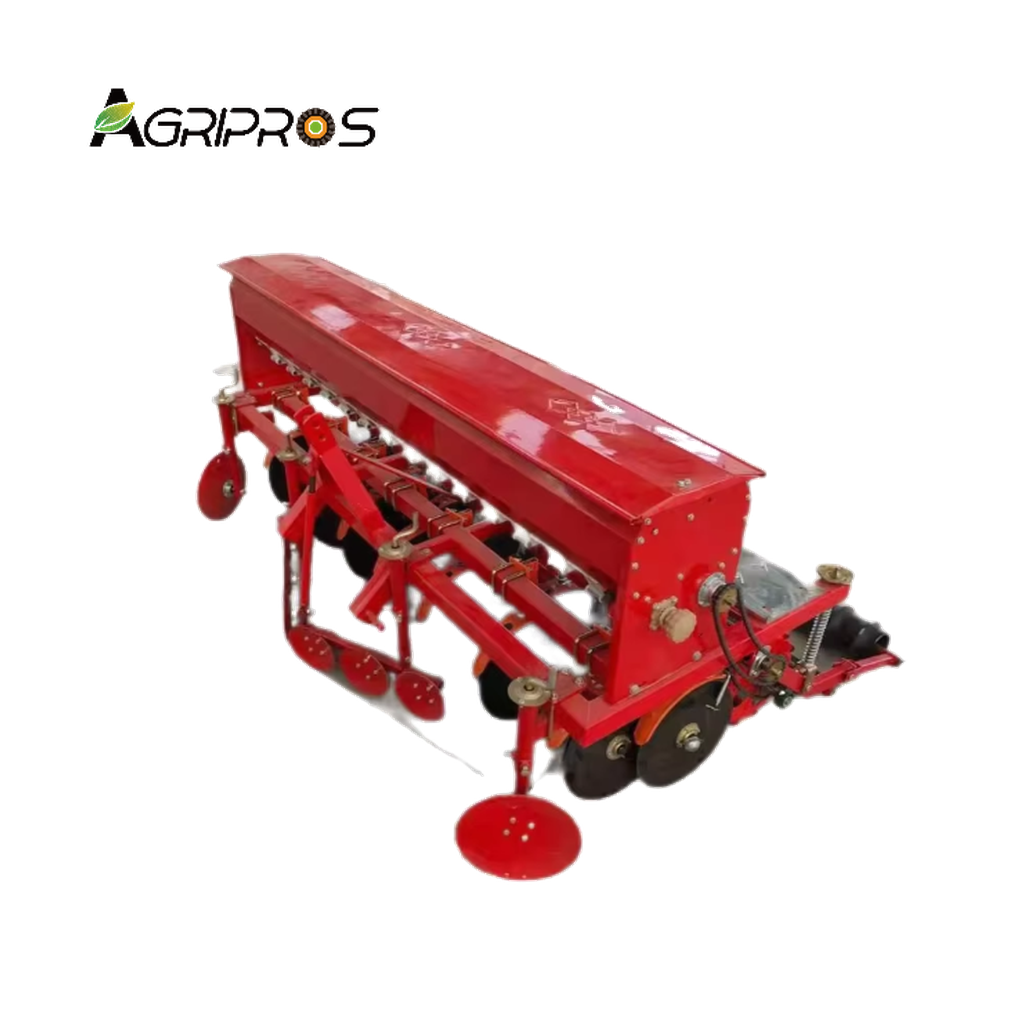
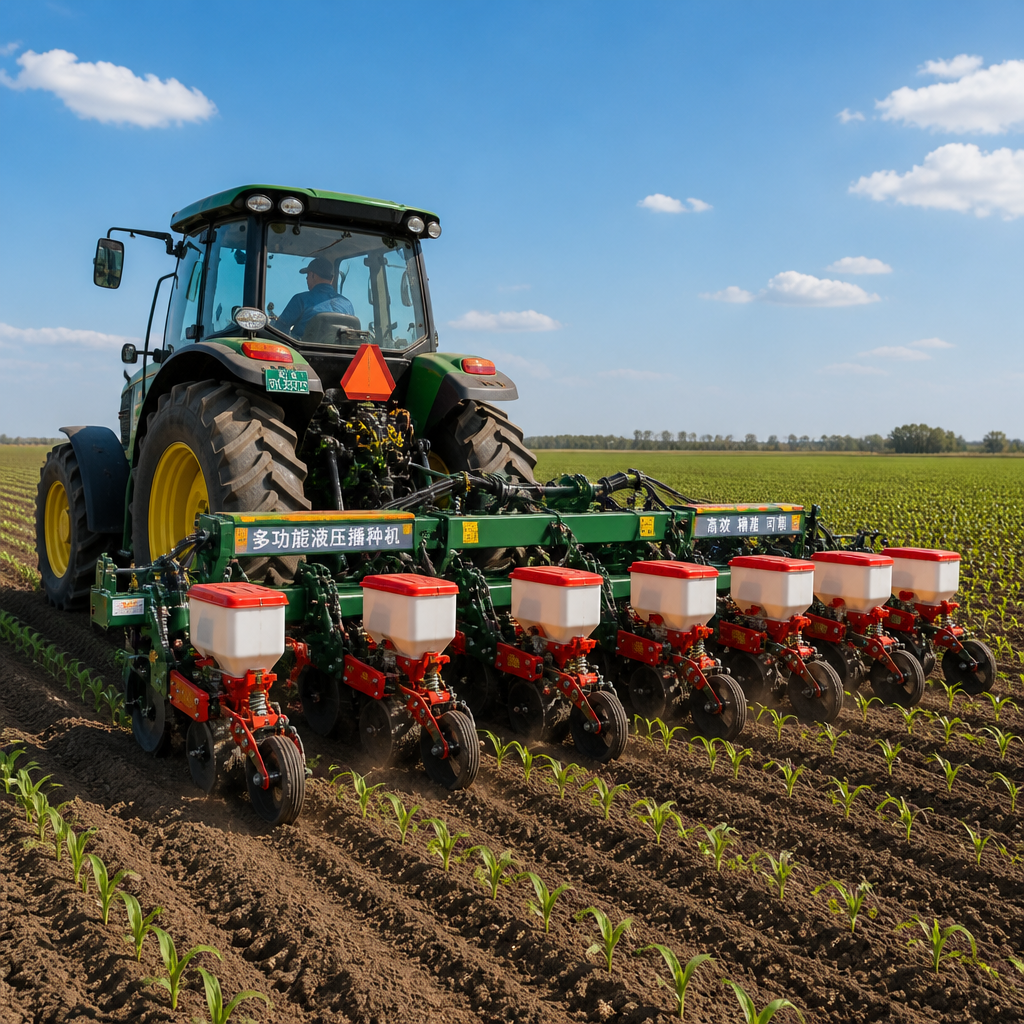
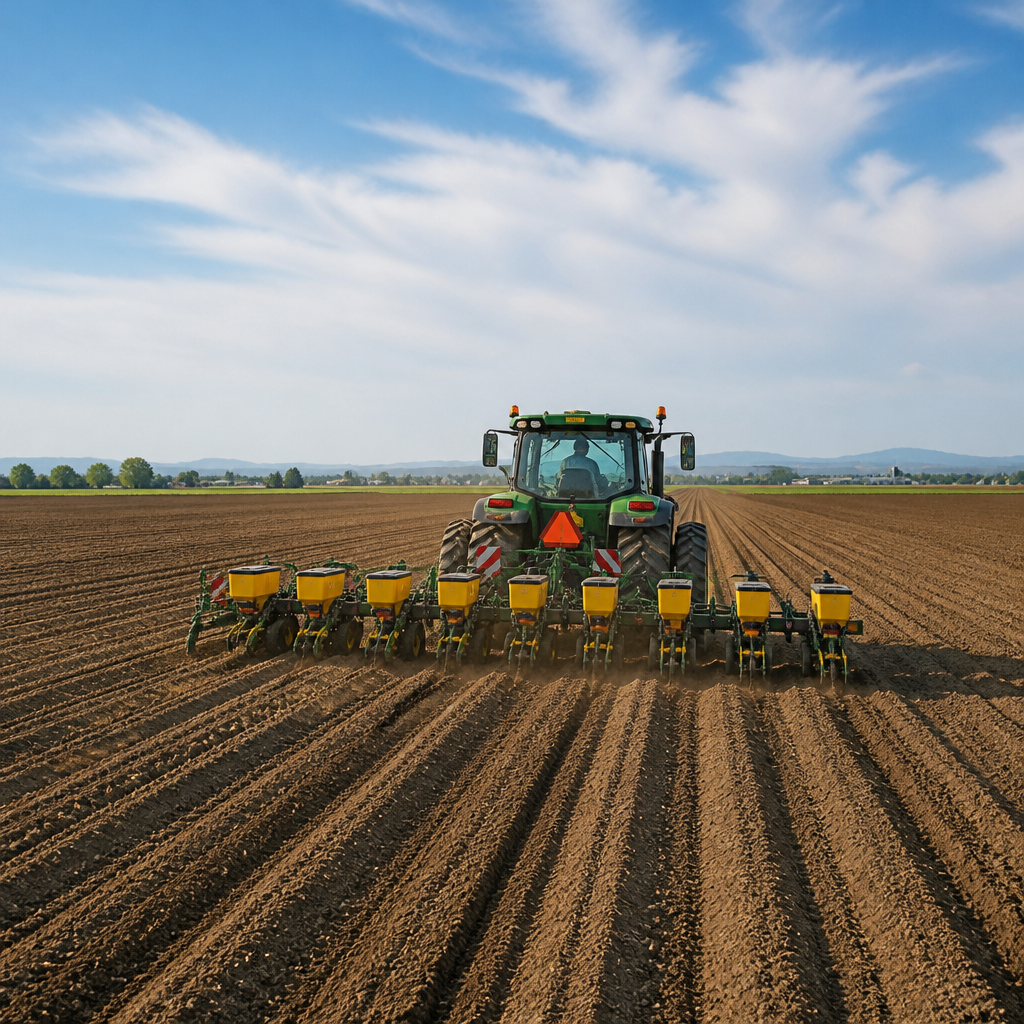
A planter machine is a crucial piece of agricultural equipment designed to efficiently sow seeds in the ground, ensuring optimal planting depth and spacing. For B2B buyers, such as purchasing managers and agricultural engineers, understanding the key aspects of planter machines, including cost factors, installation, common issues, applications, and product comparisons, is essential for making informed purchasing decisions. This article will provide insights into these areas, helping you navigate the complexities of selecting the right planter machine for your agricultural needs.

Installation Guidance for Efficient Use of Planter Machines

Installation Guidance for Efficient Use of Planter Machines

Proper installation of planter machines is vital for achieving efficient operation and maximizing productivity. Buyers should follow these steps:

Site Preparation: Ensure the installation site is free of debris and sufficiently level. This helps prevent misalignment and facilitates easier operation.

Assembly: Carefully follow the manufacturer’s assembly instructions, paying close attention to critical components such as seed hoppers, row units, and drive mechanisms. Ensure all bolts and fasteners are securely tightened.

Calibration: Once assembled, calibrate the planter machine according to the specific seeds being used. This includes adjusting seed depth, spacing, and pressure settings to match the requirements for optimal germination.

Testing: Conduct a test run in a small area to verify that the machine operates correctly. Monitor for any uneven seed distribution or other operational issues.

Maintenance Plan: Establish a regular maintenance schedule to check for wear and tear, lubricate moving parts, and ensure that the machine remains in prime condition.

By following these guidelines, buyers can maximize the efficiency and longevity of their planter machines.

Common Problems with Planter Machines and Their Solutions

Common Problems with Planter Machines and Their Solutions

Despite robust engineering, planter machines can encounter several common issues. Understanding these problems and their solutions can help buyers mitigate downtime and maintain productivity:

Clogged Seed Distributors: This is often caused by debris or seed quality. Regular cleaning and using high-quality seeds can prevent clogs. Implementing a seed treatment process may also help maintain flow.

Misalignment: If the planter is not aligned correctly, it can lead to uneven planting depth. Routine checks and adjustments during operation can help ensure proper alignment.

Mechanical Failures: Wear and tear on parts such as bearings and belts can lead to failures. Regular inspections and timely replacements are critical to avoid larger breakdowns.

Inaccurate Seed Placement: This can result from improper calibration or poor-quality seed metering systems. Buyers should ensure that calibration is performed correctly and consider investing in advanced seed metering technology for better accuracy.

By proactively addressing these issues, buyers can ensure smoother operations and reduce the risk of costly repairs.

Applications of Planter Machines in Various Agricultural Projects

Applications of Planter Machines in Various Agricultural Projects

Planter machines play a versatile role in various agricultural projects, enhancing efficiency across different crops and planting conditions. Key applications include:

Field Crops: For large-scale farming operations, planter machines are essential for sowing grains like corn, wheat, and soybeans. Their ability to plant at consistent depths and spacing maximizes yield potential.

Row Crops: In vegetables and fruits, precise planting is crucial for optimizing growth patterns. Planter machines designed for row crops can handle delicate seeds and maintain appropriate distances for effective growth.

Cover Crops: Used for soil health improvement, cover crops can be efficiently planted using specialized planter machines that manage seed types and densities according to specific ecological needs.

Reforestation: Some planter machines are designed for planting saplings in reforestation projects. They ensure deep and proper planting to enhance survival rates in challenging environments.

Organic Farming: With the rise of organic agriculture, specific planter machines are tailored to meet the unique requirements of organic seeds, ensuring compliance with organic standards. Additionally, for those interested, the Mini Diesel Tractor can also complement organic farming practices.

Understanding these applications allows buyers to select the right planter machine tailored to their specific agricultural projects.

Comparing Features of Different Planter Machines for Your Needs

When selecting a planter machine, comparing features is essential to ensure it meets your operational requirements. Here are some critical features to consider:

Seed Metering System: Different machines feature varying seed metering technologies, such as mechanical or electronic systems. Electronic systems often provide greater accuracy and flexibility for different seed types.

Row Spacing Options: Depending on the crop type, row spacing can significantly impact yield. Machines with adjustable row spacings allow for customization based on crop variety and field conditions.

Terrain Adaptability: Some planter machines are designed for specific terrains, such as hilly or uneven fields, while others may excel in flat, open areas. Buyers should evaluate their operational environments when selecting a model.

Hopper Capacity: Larger hoppers reduce the frequency of refilling during planting. Buyers should consider their field size and the duration of planting sessions to determine the appropriate hopper size.

Durability and Maintenance: Assess the materials and construction quality of the planter machine. Machines made from high-quality materials tend to have longer lifespans and require less frequent maintenance.

Customization Options: Manufacturers like Agripros often offer customization capabilities, allowing buyers to tailor machines to specific crop needs, which can enhance performance.

By thoroughly comparing these features, buyers can make informed decisions that align with their operational goals and ensure a return on investment in their planter machines.

What Are the Cost Factors for Purchasing Planter Machines Wholesale?

When considering the wholesale purchase of planter machines, several cost factors must be evaluated. Firstly, the type of planter machine significantly affects the price, with variations ranging from manual to fully automated models. Buyers should assess their specific needs to determine the appropriate model.

Material costs also play a crucial role in the overall price. High-quality materials such as steel and durable plastics enhance the machine's lifespan and performance, but they can increase initial expenses. Additionally, features such as seed metering systems, adjustable row widths, and built-in GPS technology contribute to price variations.

Another factor is the production capacity of the manufacturer. Companies like Agripros, with extensive manufacturing capabilities and experience in producing agricultural machinery, may offer competitive pricing due to their economies of scale. Finally, shipping and handling costs should be considered, especially for international orders, which may involve tariffs and customs duties.

Get a Free Quote

Our representative will contact you soon.
0/1000