Key Specifications for Tiller Rotary Equipment

application/tiller-rotary, application/tiller-rotary, 
Inquiry
Inquiry

tiller rotary

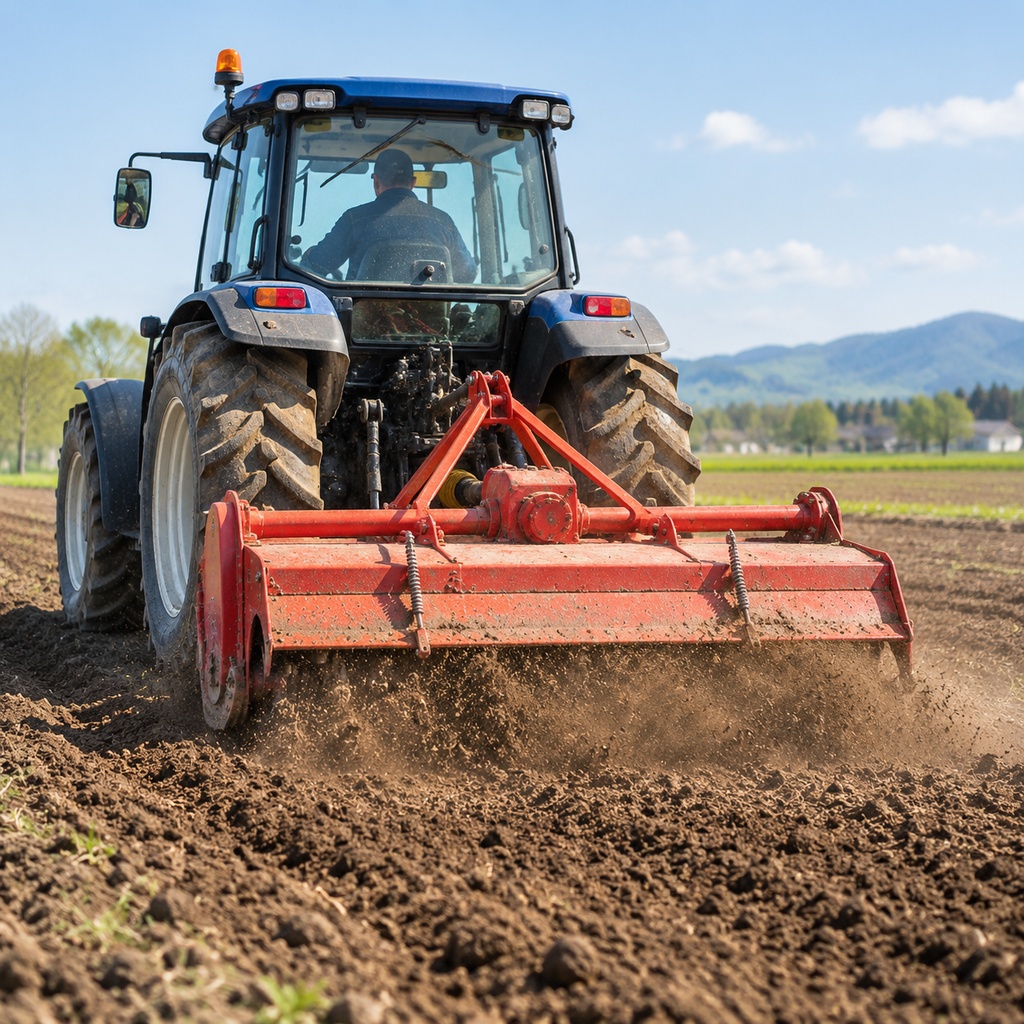
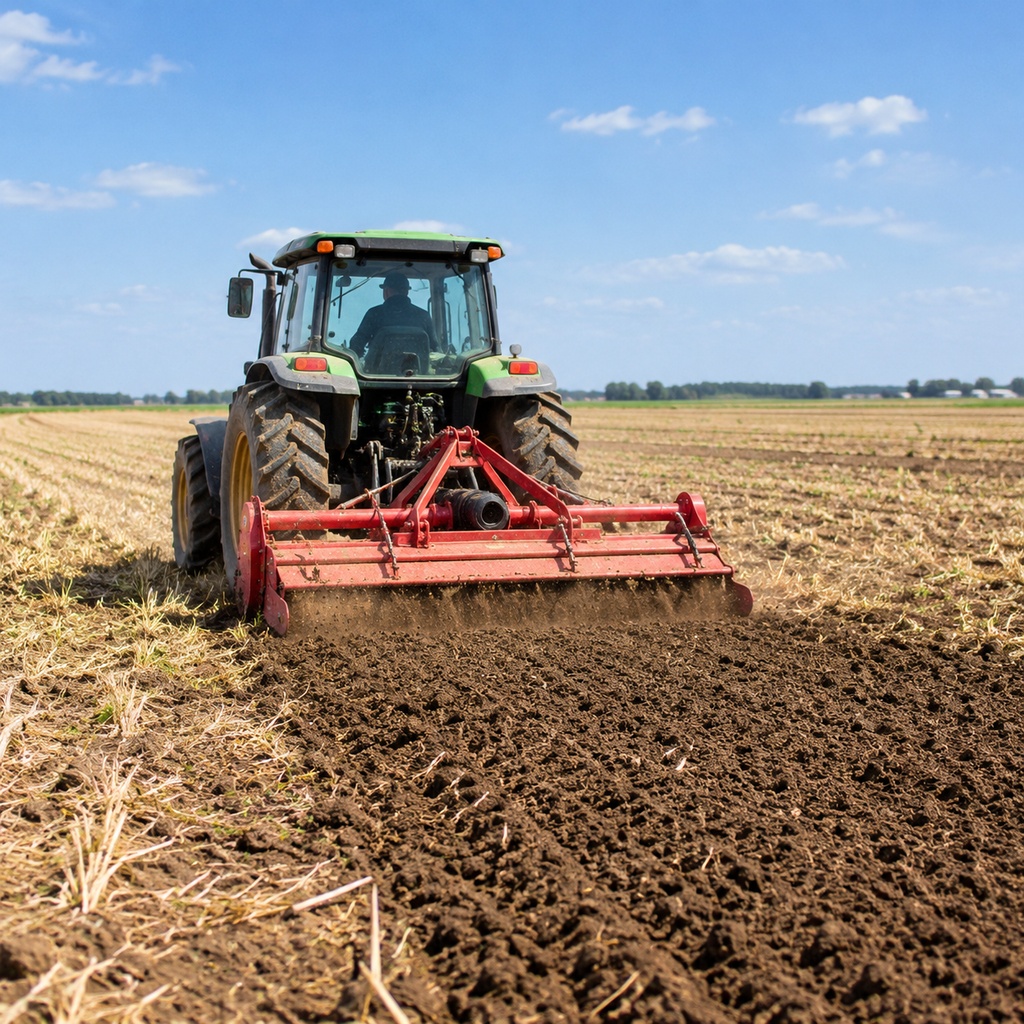
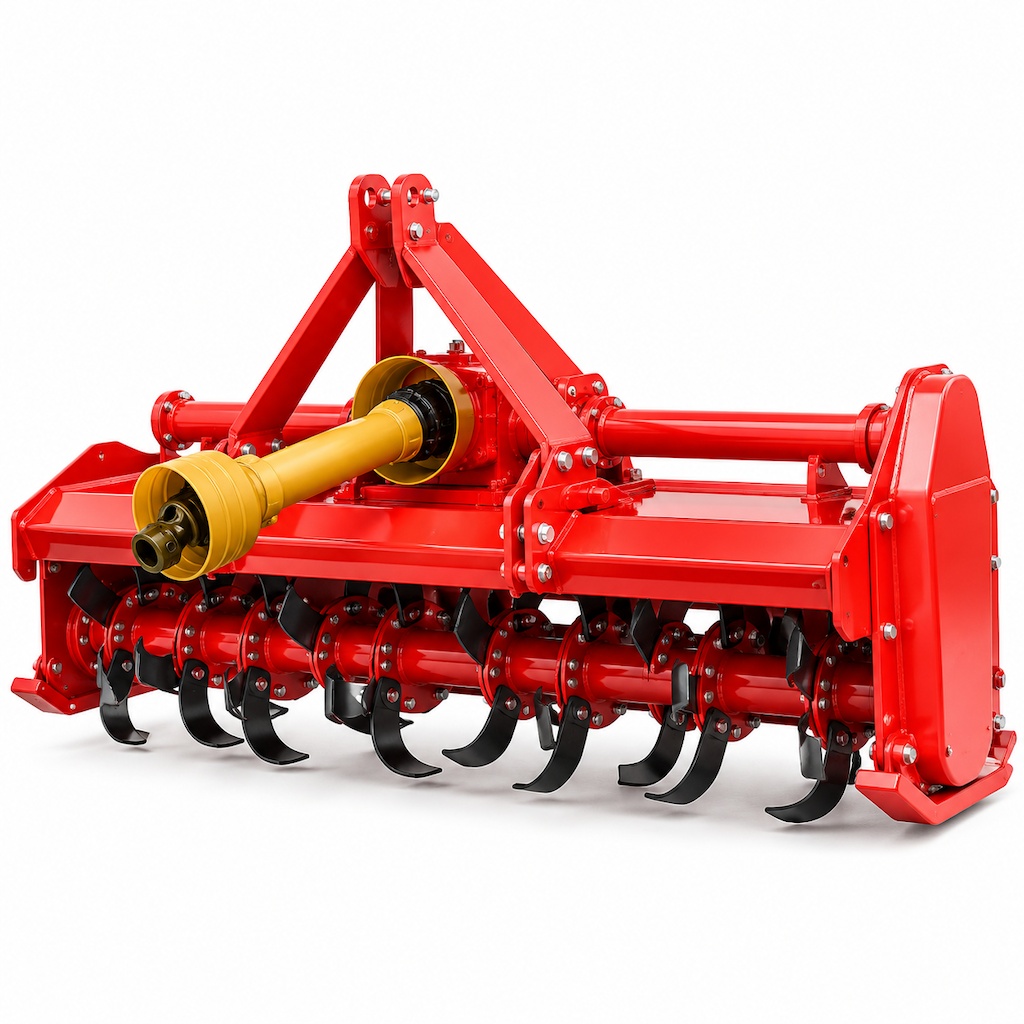
Tiller rotary equipment is crucial for effective soil preparation in agriculture, playing a significant role in tillage, seeding, and overall crop productivity. As a B2B buyer, understanding the key specifications, installation challenges, and benefits of tiller rotary products is essential for making informed purchasing decisions. This article will delve into critical aspects that will guide purchasing managers, engineers, and product managers in selecting the right tiller rotary equipment for their operational needs.

Common Installation Challenges for Tiller Rotary Equipment

Common Installation Challenges for Tiller Rotary Equipment

Installing tiller rotary equipment can present various challenges that need to be addressed to ensure smooth operation.

Compatibility with Existing Equipment: Buyers must ensure that the tiller rotary is compatible with their current tractors or machinery. Mismatched attachment systems can lead to installation difficulties or even equipment damage.

Hydraulic Requirements: Some tiller rotary models require specific hydraulic setups for optimal performance. Assessing the hydraulic capabilities of existing machinery is crucial to avoid operational issues.

Terrain Considerations: Uneven or rocky terrain can complicate the installation process. It is beneficial to assess the installation site in advance to identify any necessary modifications to accommodate the tiller rotary.

Assembly Complexity: Certain models may require extensive assembly or calibration before use. Buyers should factor in the time and expertise needed for proper installation and setup.

Addressing these challenges ahead of time can streamline the installation process and reduce the risk of operational delays once the equipment is in use. Furthermore, understanding the various Irrigation Systems available can complement the efficiency of tiller rotary operations.

Features and Benefits

Features and Benefits

Tiller rotary equipment offers various features and benefits that enhance its efficiency and effectiveness in agricultural practices.

Soil Aeration: Tiller rotaries break up compacted soil layers, allowing for better air and water penetration. This promotes healthier root development and improves crop yield.

Uniform Soil Mixing: The design of tiller rotary blades ensures thorough mixing of soil and organic material, facilitating optimal nutrient distribution throughout the planting bed.

Versatility Across Applications: Tiller rotary equipment can be used in diverse applications, from seedbed preparation to weed control, making it a valuable tool for various farming practices.

Durability and Longevity: High-quality materials and construction techniques ensure that tiller rotary equipment withstands the rigors of agricultural use, reducing the need for frequent replacements.

Reduced Labor Intensity: Automated features and efficient design minimize the need for manual labor, allowing operators to cover more ground in less time.

These features collectively contribute to improved efficiency, reduced operational costs, and enhanced overall agricultural productivity.

Solutions for Common Problems Encountered with Tiller Rotary

Solutions for Common Problems Encountered with Tiller Rotary

Despite their advantages, buyers may encounter common issues with tiller rotary equipment. Here are some solutions to address these challenges:

Poor Soil Mixing: If the tiller rotary is not mixing soil effectively, check the blade condition and alignment. Dull or improperly positioned blades can hinder performance. Replacement or adjustment may be necessary.

Inconsistent Tilling Depth: Variations in tilling depth can affect crop growth. Ensure that the tiller is properly calibrated and that the depth settings are consistently maintained during operation.

Equipment Overheating: Overheating can occur if the tiller rotary is overloaded. Ensure that the machine is compatible with the tractor’s power output and that the operator adheres to recommended load limits.

Maintenance Issues: Regular maintenance is crucial for optimal performance. Establish a maintenance schedule that includes checking blade sharpness, lubricating moving parts, and inspecting hydraulic systems.

By proactively addressing these common issues, buyers can enhance the reliability and lifespan of their tiller rotary equipment.

The Advantages of Using Tiller Rotary for Efficient Tillage

Utilizing tiller rotary equipment for tillage offers significant advantages that enhance agricultural practices.

Increased Efficiency: Tiller rotary equipment can cover large areas in a shorter time compared to traditional tilling methods, leading to faster preparation of planting beds.

Improved Soil Structure: The action of tilling not only prepares the soil for planting but also improves its structure, allowing for better root penetration and moisture retention.

Enhanced Crop Yields: By ensuring optimal soil conditions and nutrient availability, tiller rotary equipment contributes to improved crop yields, directly impacting profitability for farmers and growers.

Soil Conservation: Efficient tillage practices can help reduce soil erosion, maintaining soil health over the long term. This is increasingly important in sustainable farming practices.

In summary, choosing the right tiller rotary equipment can significantly enhance tillage efficiency, contributing to improved agricultural outcomes and sustainability. Understanding key specifications, installation challenges, and the benefits of these machines is essential for making informed purchasing decisions.

Key Specifications to Evaluate in Tiller Rotary Equipment

When assessing tiller rotary equipment, several specifications should be prioritized to ensure optimal performance and suitability for specific agricultural applications.

Working Width and Depth: The working width determines how much area can be covered in one pass, while the depth affects soil penetration. A wider working width can increase efficiency but may require more powerful machinery to maintain effective soil tillage.

Power Requirements: Understanding the horsepower needed to operate the tiller is crucial. It should match the capabilities of existing tractors or machinery to avoid underperformance or equipment damage.

Blade Design and Material: The type of blades, including their shape and material, influences soil mixing and durability. High-carbon steel blades, for example, may offer better longevity and resistance to wear compared to standard steel.

Weight and Stability: Heavier tillers may provide better soil penetration and stability during operation but can also affect the choice of the tractor. Assessing compatibility with existing equipment is essential.

Adjustability Features: Features such as adjustable tilling depth and angle allow for greater flexibility in various soil conditions, enhancing the functionality of the tiller rotary.

By carefully evaluating these specifications, buyers can ensure that the tiller rotary equipment meets their specific agricultural requirements and operational capacities. Additionally, integrating reliable Cultivators & Tillers can further enhance soil preparation efficiency.

Frequently Asked Questions

What is the tiller rotary used for?

The tiller rotary is used for primary and secondary tillage to break soil, mix residues, and prepare seedbeds on farms and plantations of varying sizes.
Power requirements vary by model; typical PTO tractors 20–120 HP. Contact Agripros with field size and tractor specs for precise matching.
Most models attach via standard 3-point linkage and PTO. Provide your tractor category and PTO speed to Agripros for compatibility confirmation.
Agripros manufactures the tiller rotary under CE and ISO 9001 standards, ensuring certified quality, safety, and traceable production processes.
Yes. Agripros provides lifecycle support, spare parts supply, and technical guidance across installation, maintenance, and operation for global customers.

Get a Free Quote

Our representative will contact you soon.
0/1000

Related product categories