Choosing the Right Rotary Tiller for Your Tractor

application/rotary-tiller-for-tractor, application/rotary-tiller-for-tractor, 
Inquiry
application/rotary-tiller-for-tractor, application/rotary-tiller-for-tractor, 
Inquiry

rotary tiller for tractor

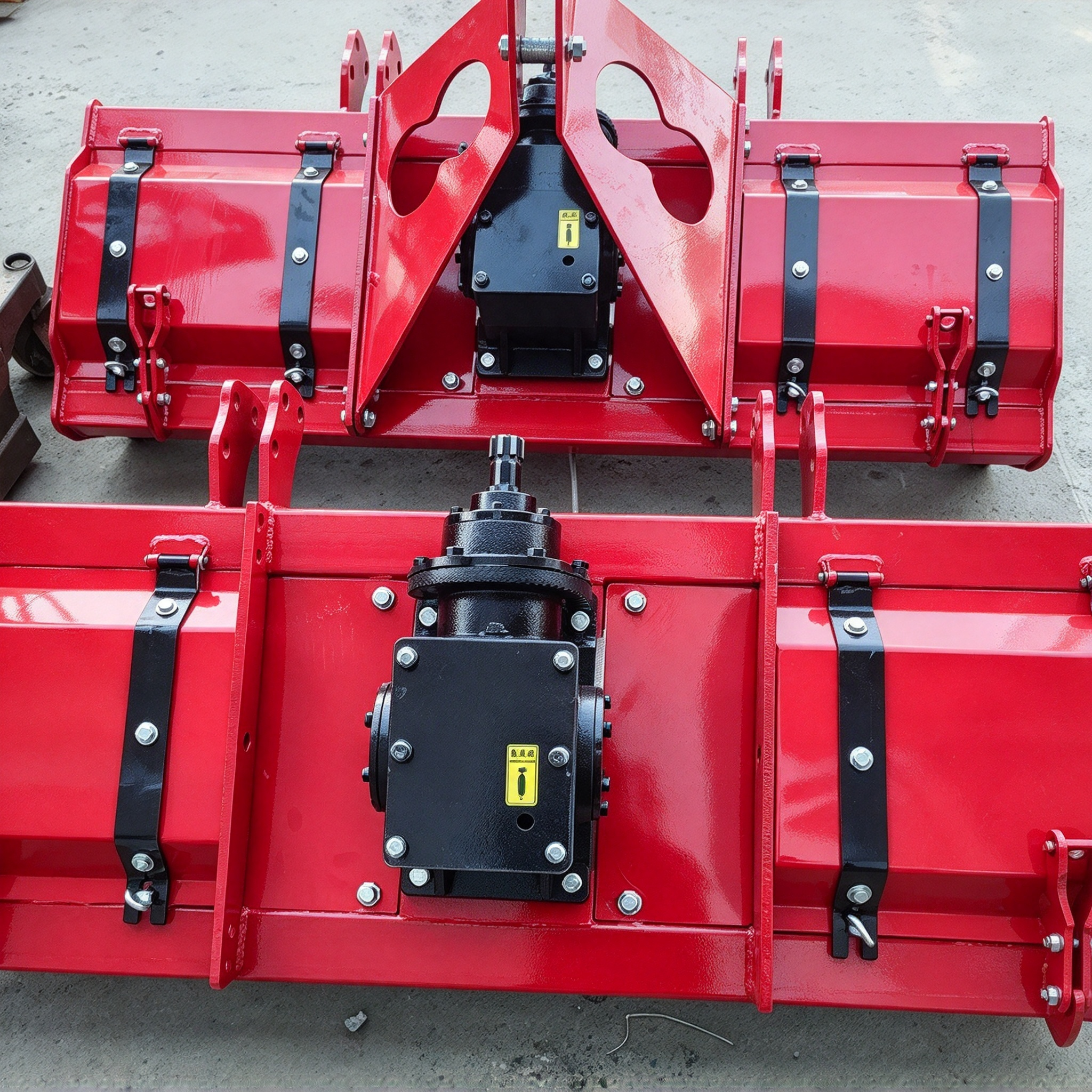
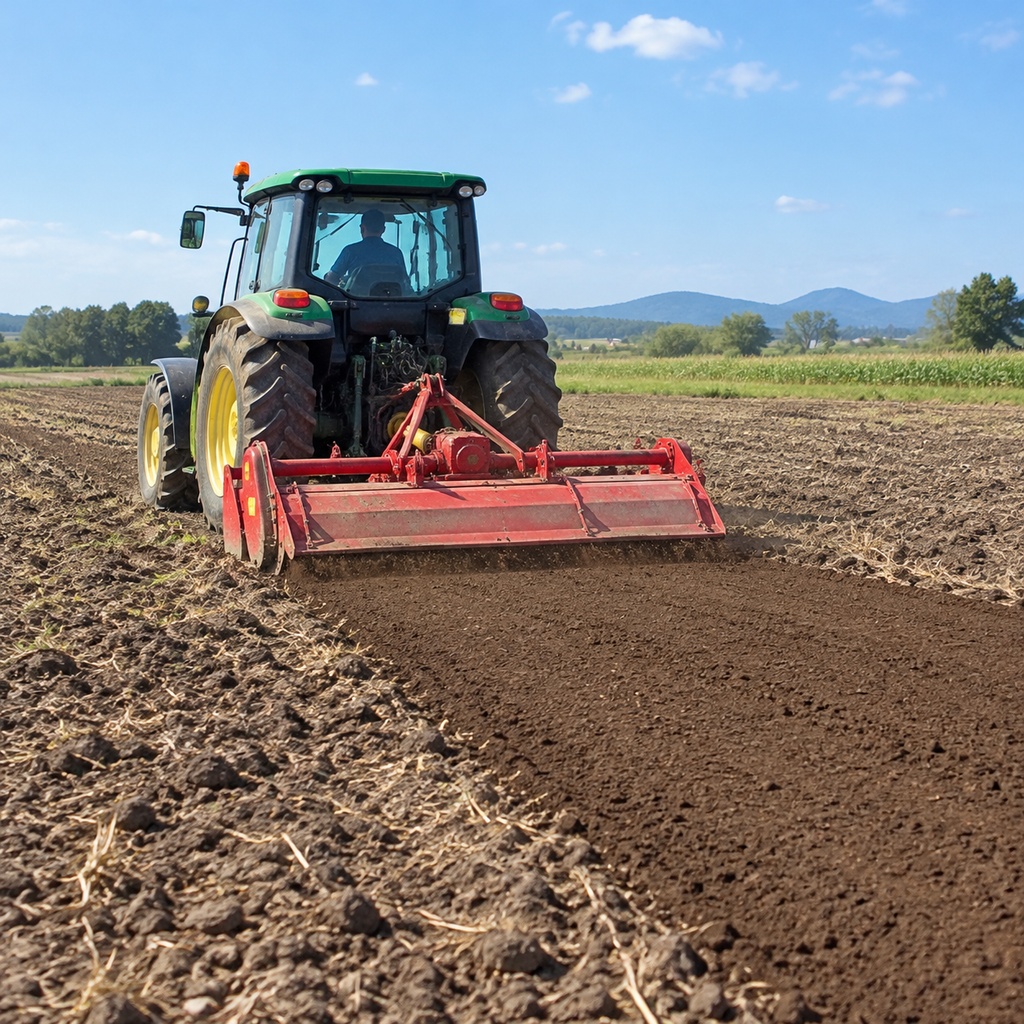
Choosing the right rotary tiller for your tractor is essential for effective soil preparation, which directly impacts crop yield and overall farm productivity. A rotary tiller for tractor serves as a vital tool in agriculture, breaking up compacted soil, mixing in fertilizers, and preparing seedbeds. As a B2B buyer, your primary concerns include compatibility with your tractor, durability, and efficiency in various soil conditions. This article will guide you through selecting the right rotary tiller, its specifications, application suitability, and common issues, empowering you to make an informed purchasing decision.

A Buyeru2019s Guide

A Buyeru2019s Guide

When purchasing a rotary tiller, it's crucial to gather comprehensive information to facilitate an informed decision. Here are key aspects to consider:

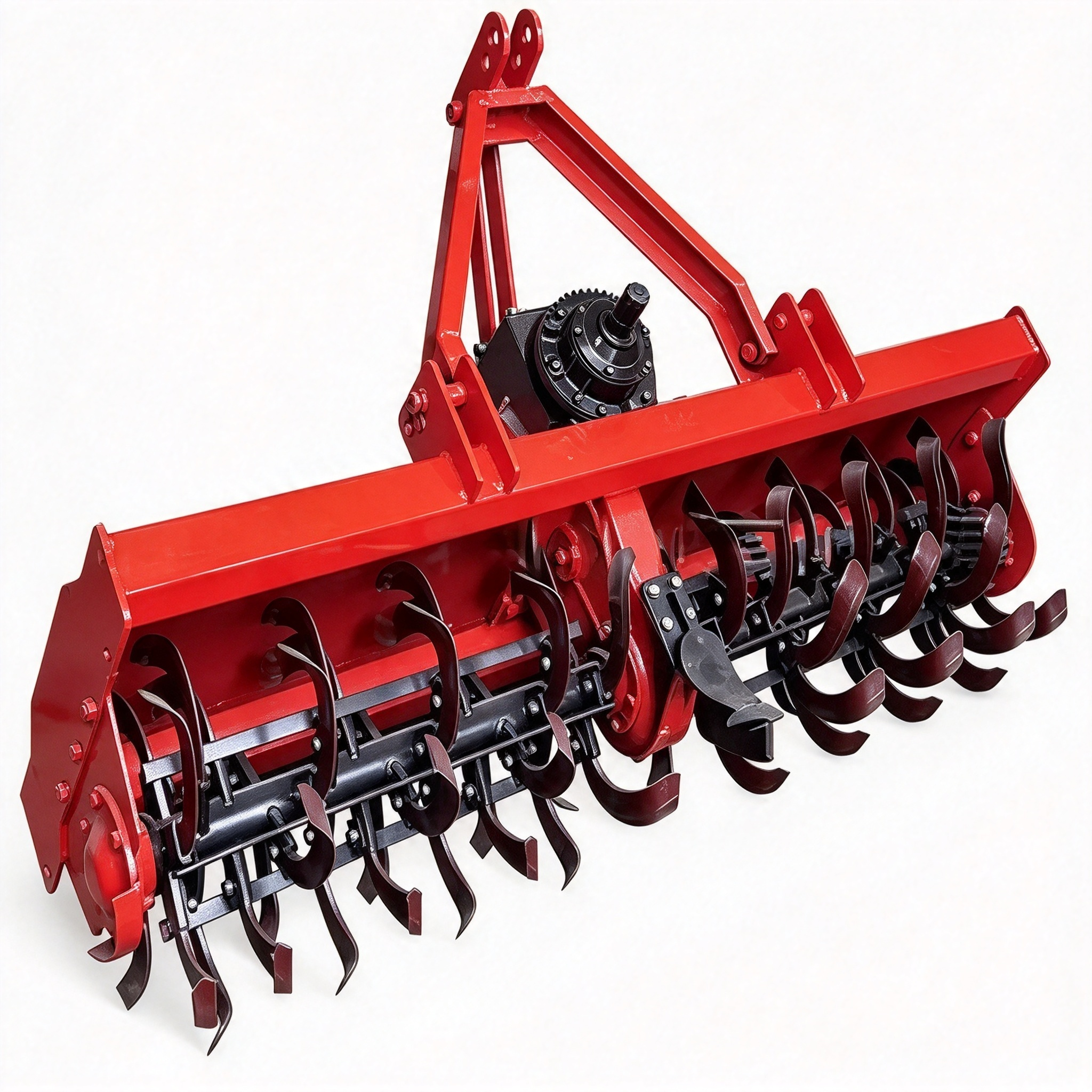
Specifications: Understand the technical specifications such as tilling width, depth, and the number of tines. These factors dictate the tiller's performance and suitability for your farming practices.

Material and Construction: Look for tillers made from high-quality materials that resist wear and tear. Steel tines are common, but consider options with hardened or replaceable tines for enhanced durability.

Customization Options: Many manufacturers offer customization to fit specific farm needs. This can include variations in size, tine configuration, and additional features.

Pricing Factors: Evaluate the price in relation to the features offered. Ensure that you are not only considering the initial purchase price but also the long-term maintenance costs.

Supplier Reputation: Assess the manufacturer's reputation and experience in the industry. A company with a solid track record, such as Agripros, often indicates reliability.

Key Specifications to Consider When Evaluating Rotary Tillers

Key Specifications to Consider When Evaluating Rotary Tillers

When evaluating rotary tillers, certain specifications significantly affect their performance:

Tilling Width: This defines how wide a strip of soil the tiller can cover in a single pass. A wider tiller can reduce the number of passes needed but may require a more powerful tractor.

Tilling Depth: The ability to adjust tilling depth is crucial for adapting to different soil conditions and crop requirements. A tiller that allows for variable depth settings provides greater versatility.

Tine Configuration: The number and design of tines affect the effectiveness of soil mixing. More tines generally increase the tiller's efficiency but may also require more power.

Weight: A heavier tiller tends to penetrate the soil better, particularly in compacted conditions. However, ensure that your tractor can handle the additional weight without compromising performance.

Drive Method: Rotary tillers can be gear-driven or chain-driven. Gear-driven models often provide more durability and reliability over time.

How to Compare Rotary Tillers for Diverse Agricultural Applications

How to Compare Rotary Tillers for Diverse Agricultural Applications

Comparing rotary tillers requires evaluating them based on specific agricultural applications. Consider the following factors:

Soil Condition: Different tillers perform better in varying soil types. For rocky or clay-heavy soils, select a tiller designed to handle challenging conditions without damage.

Crop Type: If your primary crops require deeper soil preparation, choose a tiller that provides adjustable depth settings and robust tines for effective tilling. Additionally, incorporating Seeders & Transplanters can optimize your planting process.

Field Size: For larger fields, a wider tilling width can enhance efficiency. However, ensure that your tractor's horsepower is sufficient to drive a larger tiller effectively.

Farming Practices: If you employ conservation tillage or organic farming practices, look for a rotary tiller that minimizes soil disruption while still achieving effective seedbed preparation.

Brand Comparison: Evaluate different brands based on their features, customer feedback, and warranty offerings. Established brands with ISO certifications, like Agripros, are often more reliable.

Common Issues with Rotary Tillers and Effective Solutions

While rotary tillers are robust machines, they can present common issues that may affect performance:

Clogging: Soil debris can clog the tiller, particularly in wet conditions. Regular cleaning and maintenance can mitigate this issue.

Tine Breakage: Tines may break if they encounter rocks or hard soil unexpectedly. Selecting a tiller with replaceable tines can reduce long-term costs associated with repairs.

Inadequate Depth Control: If a tiller does not maintain the desired depth, it can lead to uneven tilling results. Ensure that the tiller is properly calibrated before use and consider models with adjustable depth settings.

Wear and Tear: Regular inspection of wear parts, including tines and bearings, is essential for maintaining performance. Establish a maintenance schedule to extend the lifespan of the tiller.

Compatibility Issues: Ensure that the rotary tiller is compatible with your tractor's PTO (Power Take-Off) specifications. Misalignment can lead to operational inefficiencies.

By understanding these common issues and their solutions, you can enhance the operational life and efficiency of your rotary tiller for tractor. Ultimately, choosing the right rotary tiller involves a careful assessment of your farming needs, tractor compatibility, and an understanding of the specific features that contribute to effective soil preparation. With the insights provided, you are equipped to make a well-informed purchasing decision that will enhance your agricultural productivity.

Choosing the Right Rotary Tiller for Your Tractor Needs

Selecting the right rotary tiller for your tractor involves understanding your specific agricultural needs, tractor compatibility, and the tiller's operational efficiency. Begin by assessing the horsepower of your tractor, as rotary tillers come in different sizes and power requirements. Ensure that the tiller you choose matches or is compatible with your tractor's specifications.

Consider the soil type on your farm. Heavier, clay-rich soils may require a more robust tiller with additional features like adjustable tines, while lighter soils may be adequately handled by a standard rotary tiller. Additionally, think about the tilling depth and width you require; larger tillers can cover more area but may require more power and stability from your tractor. Equipment like Cultivators & Tillers can also play a crucial role in soil preparation, complementing your rotary tiller.

Frequently Asked Questions

What tractors are compatible with this rotary tiller?

Our rotary tiller fits tractors with the specified PTO power range and three-point hitch category. Provide your tractor model and PTO hp to confirm exact compatibility with our matching models.
Designed for loamy, sandy, and medium clay soils. Adjustable rotor speed and depth controls allow effective tillage; very heavy clay or rocky ground may require specialized tools.
Agripros offers user manuals, spare parts, and global service guidance. We provide lifecycle-based support and can advise on routine checks, lubrication, and blade replacement intervals.
Our rotary tiller is manufactured under CE and ISO 9001 systems, ensuring safety, consistent quality, and traceability across design and production stages.
Yes. We provide tailored options for working width, rotor configuration, and reinforcement for plantations. Contact us with field size and soil details for a recommendation.

Get a Free Quote

Our representative will contact you soon.
0/1000