Choosing the Right Rotary Tiller for Agriculture

application/rotary-tiller, application/rotary-tiller, 
Inquiry
Inquiry

rotary tiller

Choosing the right rotary tiller is crucial for optimizing soil preparation in agricultural operations. As B2B buyers, purchasing managers, and engineers explore options, they often have specific concerns regarding performance, durability, and suitability for various applications. This article aims to provide a comprehensive guide for evaluating rotary tillers, including key specifications, quality assessment methods, supplier sourcing, and diverse agricultural applications.

Key Specifications of Rotary Tillers for Wholesale Buyers

Key Specifications of Rotary Tillers for Wholesale Buyers

Wholesale buyers need to understand specific technical specifications to ensure they select the right rotary tiller:

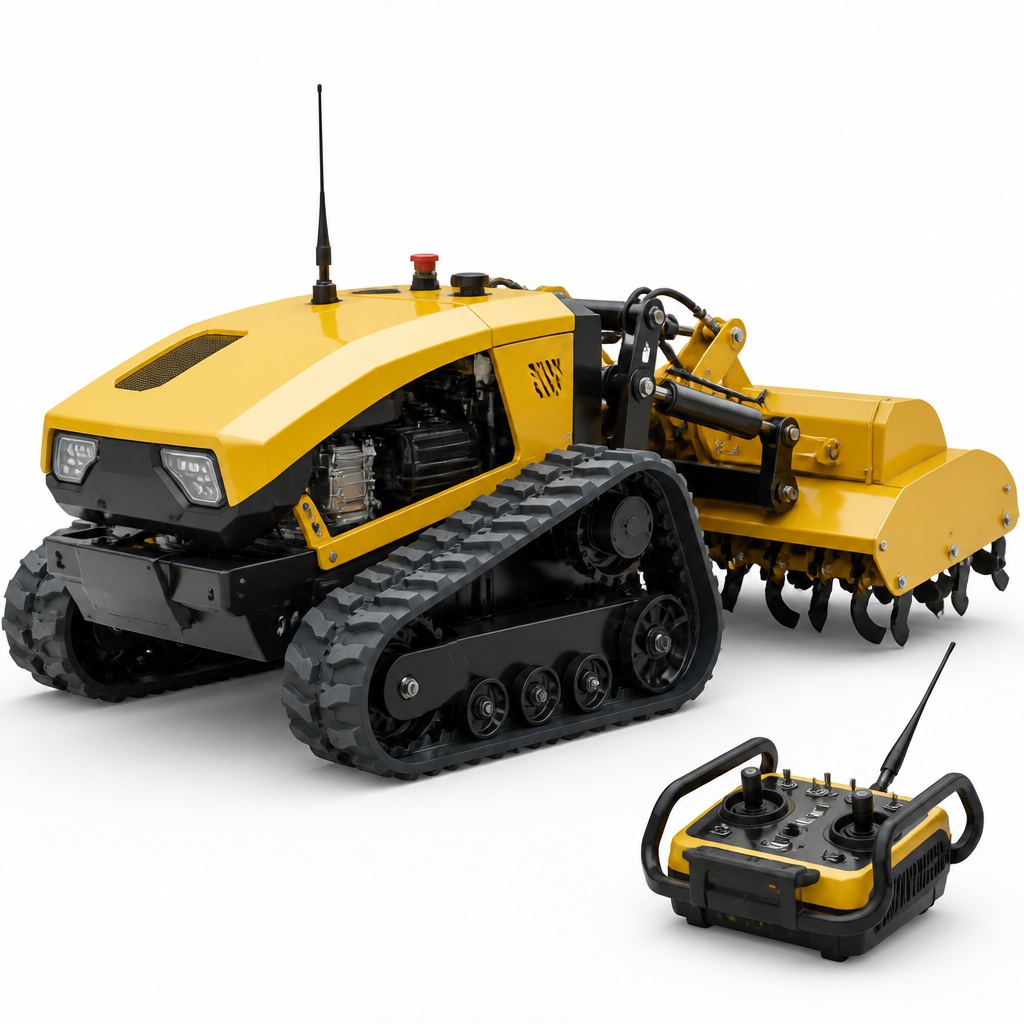
Tine Configuration: The arrangement of tines affects the tiller's performance. Common configurations include spiral and straight tines, each suited for different soil types and conditions. Spiral tines are typically better for breaking up compacted soil.

Horsepower Rating: The horsepower of the tiller determines its ability to work through tough soil. Units with higher horsepower ratings are generally recommended for larger areas or challenging soil conditions.

Transmission Type: Rotary tillers can have either a gear-driven or chain-driven transmission. Gear-driven models tend to offer better power transfer and are more durable over time, making them a preferred choice for commercial applications.

Adjustable Depth Settings: Some rotary tillers come with adjustable depth settings, allowing operators to customize the tilling depth based on the crop requirements. This feature enhances versatility across different planting seasons.

How to Evaluate the Quality of Rotary Tillers Before Purchase

How to Evaluate the Quality of Rotary Tillers Before Purchase

Evaluating the quality of rotary tillers involves several steps:

Request Samples or Demonstrations: Before committing to a purchase, request a demonstration or sample of the tiller. This allows you to assess its performance in real-world conditions.

Inspect Material Quality: Check the materials used in the construction of the tiller. High-quality steel and durable components indicate a more reliable product. Look for certifications such as CE or ISO 9001, which demonstrate adherence to quality standards.

Review Customer Feedback: Research and review customer testimonials and feedback. This insight can highlight common issues or advantages that may not be apparent in technical specifications alone.

Consider Warranty and Support: A strong warranty and responsive customer support can be indicators of a manufacturer's confidence in their product. Ensure that the warranty covers critical components like the engine and transmission.

Where to Find Reliable Suppliers of Rotary Tillers for Importers

Where to Find Reliable Suppliers of Rotary Tillers for Importers

Finding trustworthy suppliers is essential for importers looking to source rotary tillers:

Industry Trade Shows: Attending agricultural machinery trade shows can provide direct access to manufacturers and suppliers. This face-to-face interaction allows for deeper discussions about product specifications and customization options.

Online Marketplaces and Directories: Platforms like Alibaba or specialized agricultural machinery directories can connect buyers with reputable suppliers. Look for suppliers with positive ratings and verified trade histories.

Local Distributors: Partnering with local distributors can simplify logistics and provide ongoing support. They may also have insights into popular models and market demands in your region.

Manufacturer Websites: Directly contacting manufacturers like Agripros can yield valuable information about their product offerings, customization capabilities, and lead times. For example, the Diesel Multicrop Grain Thresher with Double Fan for Farms is one of the many products that showcases their capabilities.

Applications of Rotary Tillers in Various Agricultural Settings

Rotary tillers serve diverse functions across different agricultural settings:

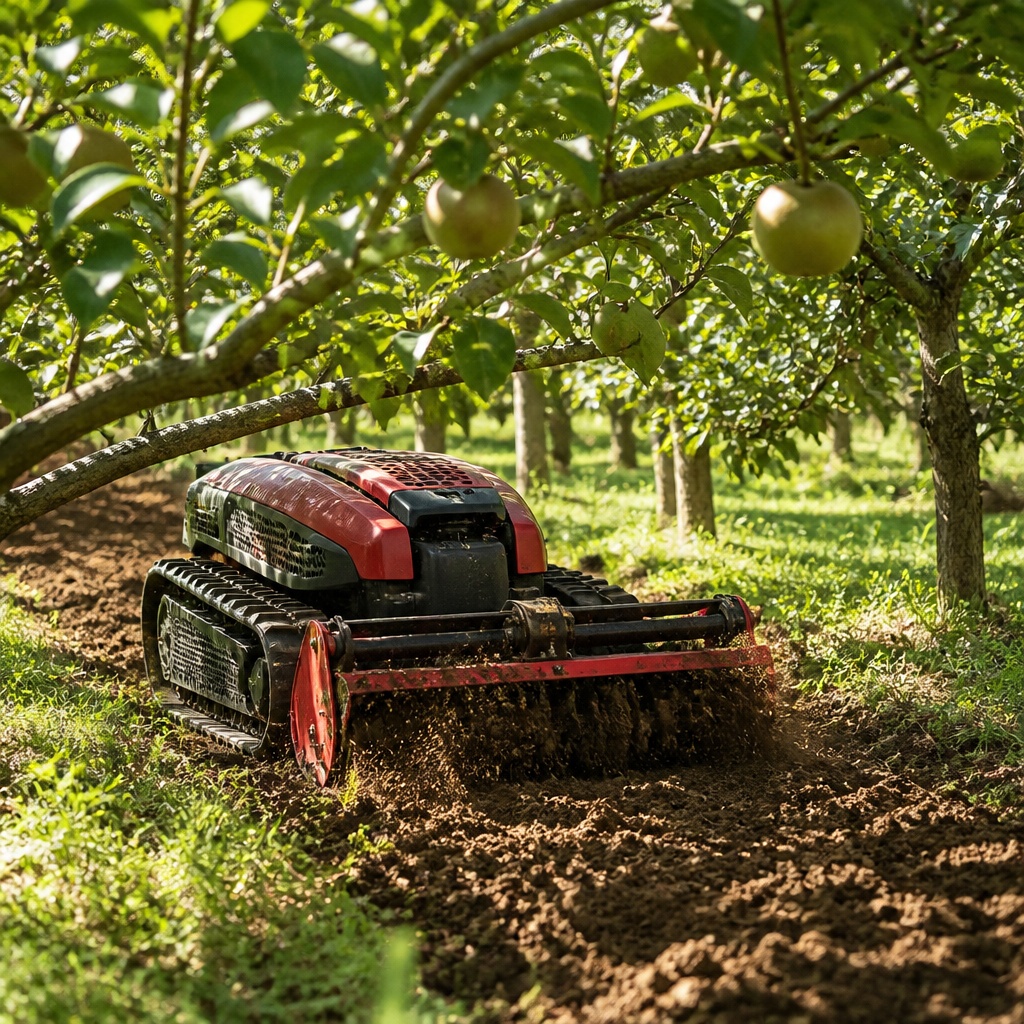
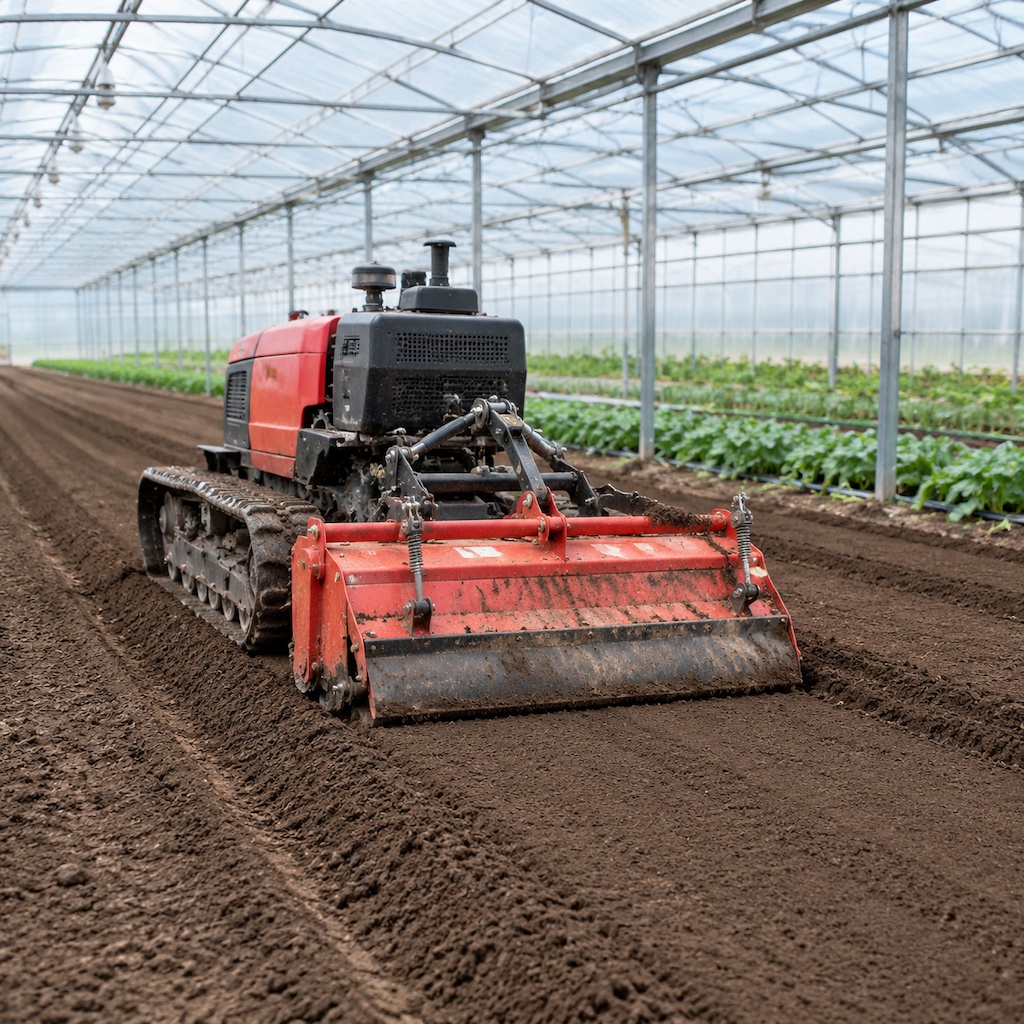
Row Crop Preparation: In row crop farming, rotary tillers are used for seedbed preparation, ensuring optimal soil structure for planting. They help mix organic matter into the soil, enhancing nutrient availability.

Horticulture: For horticultural applications, rotary tillers can be used to prepare ground for planting flowers, vegetables, and shrubs. Their ability to work in smaller areas makes them ideal for gardens and nurseries.

Cover Crop Management: Rotary tillers are effective for incorporating cover crops into the soil, promoting soil health and reducing erosion. This practice is vital for sustainable farming.

Land Restoration: In land restoration projects, rotary tillers can help break up compacted soil and prepare it for replanting, facilitating recovery in areas affected by erosion or degradation.

By understanding the critical factors in choosing a rotary tiller, wholesale buyers can make informed decisions that enhance productivity and efficiency in their agricultural operations. Focusing on specifications, quality evaluation, supplier sourcing, and application suitability will ensure a successful investment in this essential farming equipment.

What to Consider When Choosing a Rotary Tiller for Your Business

When selecting a rotary tiller, several factors need careful consideration:

Tilling Depth and Width: The tilling depth and width significantly impact the efficiency of soil preparation. A wider tiller can cover more ground quickly, but it's essential to ensure that the tiller can reach the desired depth for effective soil aeration and mixing.

Power Source: Rotary tillers can be powered by gas, diesel, or electricity. The choice of power source often depends on the scale of the operation and the specific agricultural requirements. Diesel engines are typically more powerful and suited for larger areas, while electric models may be more appropriate for smaller farms or urban gardens. For instance, the 8-25HP Diesel Walk Behind Tractor Water-Cooled Hand Start Farm Tractor is a great option for those looking for a diesel-powered solution.

Weight and Maneuverability: Heavier tillers may provide better stability and penetration in tough soil conditions, while lighter models tend to be easier to maneuver. It's crucial to balance these aspects based on the terrain and the operator's capabilities.

Durability and Build Quality: Look for models made from high-quality materials that can withstand rigorous use. Steel components are generally more durable than plastic, and a well-engineered tiller will have features like reinforced tines and robust frames.

Frequently Asked Questions

What types of soil can the rotary tiller handle?

Our rotary tiller works on loam, clay, sandy, and mixed soils for seedbed prep and weed control. For very rocky or heavy compacted soils we recommend pre-clearing or using the appropriate model and depth settings.
Models are available for a wide range of tractor PTO powers. Please provide tractor horsepower and PTO rpm so we can match the correct tiller size and gearbox specification.
We offer lifecycle-based support including manuals, spare parts, and service guidance. Regular checks of blades, gearbox oil, and fasteners are recommended. Contact our team for parts lists and maintenance schedules.
Yes. Standard safety features include PTO guards, shielded rotating parts, and clear operating decals. Follow the operator manual and local safety regulations during use.
Yes. Our rotary tillers come with CE and ISO 9001 documentation on request, plus necessary export and compliance papers to support shipments to your country.

Get a Free Quote

Our representative will contact you soon.
0/1000