Key Considerations for Combine Harvester Pricing

application/combine-harvester-price, application/combine-harvester-price, 
Inquiry
Inquiry

combine harvester price

Choosing the right combine harvester is essential for any agricultural operation, as it directly impacts efficiency and productivity. With various models available on the market, understanding the combine harvester price and the factors influencing it is crucial for purchasing managers and agricultural businesses. This article will guide you through key considerations for sourcing combine harvesters, specifications to look for, reliability indicators, cost factors in bulk buying, and common issues along with their solutions.

Understanding Combine Harvester Specifications for Informed Purchases

Understanding Combine Harvester Specifications for Informed Purchases

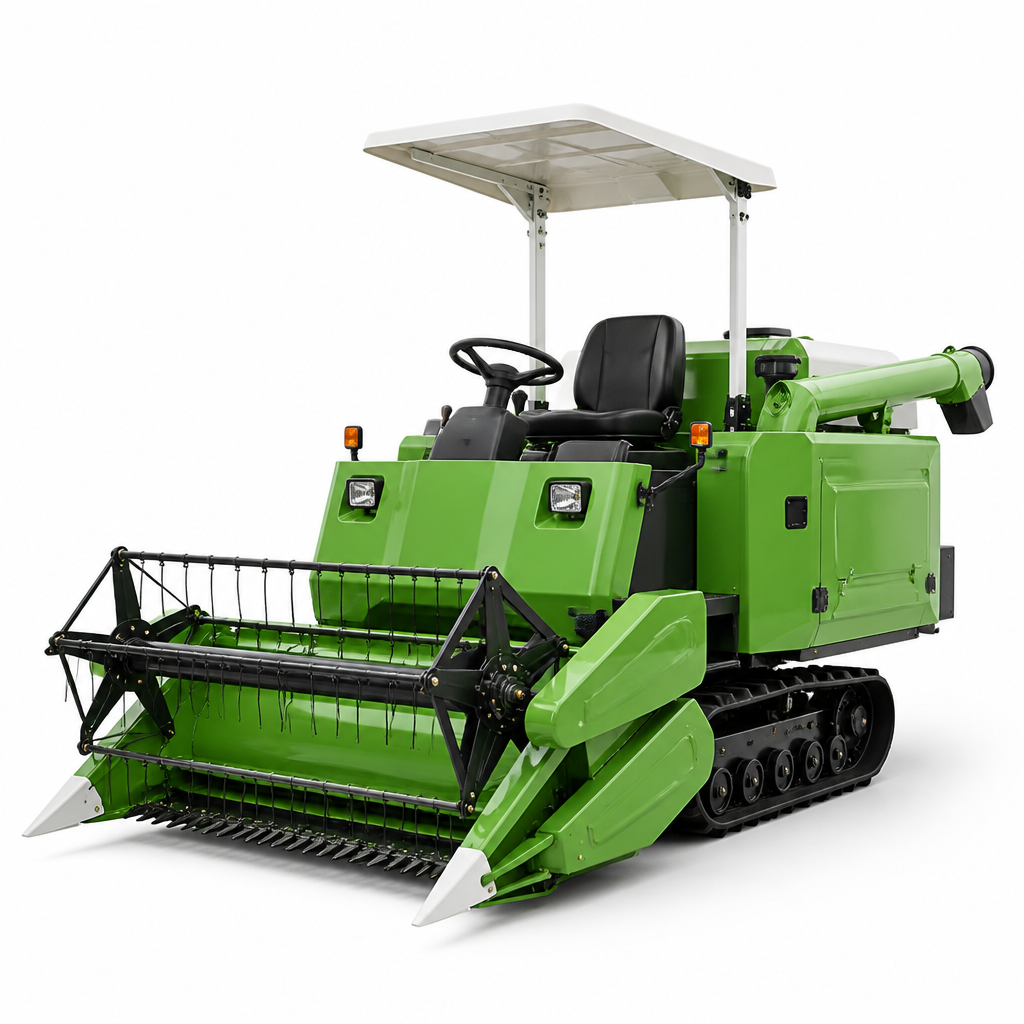
Understanding the specifications of combine harvesters is critical for making informed purchasing decisions. Key specifications include:

Engine Power: Measured in horsepower, this affects the harvester’s ability to operate efficiently across various field conditions. Higher horsepower generally translates to better performance, especially in challenging terrain.

Cutting Width: The width of the cutting platform impacts how much crop can be harvested in a single pass. A wider cutting width may increase efficiency but can also affect maneuverability in tighter fields.

Grain Tank Capacity: This determines how much harvested material can be stored before needing to be unloaded. Larger tanks reduce the number of trips back to the storage area, enhancing operational efficiency.

Weight and Dimensions: Heavier models may offer better stability but can be challenging to transport. Ensure the dimensions fit your operational constraints, including transport routes and field access.

Buyers should closely inspect these specifications against their specific operational requirements to ensure the selected combine harvester meets their needs.

What Makes a Reliable Combine Harvester?

What Makes a Reliable Combine Harvester?

Reliability in a combine harvester is paramount for uninterrupted harvesting operations. Several aspects contribute to a machine’s reliability:

Build Quality: Look for robust construction materials that withstand harsh agricultural environments. High-quality steel and reinforced components are indicators of durability.

Brand Reputation: Established brands with a history of performance and customer satisfaction are often a safer choice. Research user reviews and case studies to gauge real-world performance.

Technology Integration: Modern combine harvesters may include advanced technology such as GPS guidance systems and automated settings for various crop types. These technologies not only enhance efficiency but also reduce operator error, contributing to overall reliability.

Warranty and Support: A good warranty and strong customer support can mitigate risks associated with equipment failure. Ensure that the manufacturer offers comprehensive support for maintenance and parts replacement.

Cost Factors to Consider When Buying Combine Harvesters in Bulk

Cost Factors to Consider When Buying Combine Harvesters in Bulk

The combine harvester price can vary significantly based on several cost factors, particularly when purchasing in bulk. Here are key considerations:

Volume Discounts: Many manufacturers offer discounts based on the quantity ordered. It’s essential to discuss your purchasing plans with suppliers to leverage potential savings.

Customization Costs: If your operation requires specific modifications, such as altered cutting widths or additional technology features, factor in these potential costs, as they can affect the overall price.

Shipping Fees: Depending on your location, shipping costs can significantly impact the total expenditure. Consider the logistics involved and any potential tariffs or duties that may apply.

Financing Options: Explore financing options offered by manufacturers or third-party lenders. Understanding the total cost of ownership, including interest rates and payment terms, can help in planning your budget effectively.

Conducting thorough research and obtaining detailed quotes from multiple suppliers will help you navigate these cost factors effectively.

Common Problems with Combine Harvesters and Effective Solutions

While combine harvesters are essential tools, they are not without their challenges. Being aware of common problems can help you mitigate issues before they arise:

Clogging: This is a frequent issue, especially in wet or thick crops. Regular maintenance and adjustments to the harvesting settings can minimize clogging. Operators should be trained to recognize signs of potential blockages early.

Mechanical Failures: Components such as belts and chains may wear out over time. Establish a routine maintenance schedule and ensure that operators are trained to perform pre-harvest inspections to catch potential problems early.

Calibration Issues: Incorrect calibration can lead to inefficient harvesting and crop loss. Regularly check and adjust settings based on the specific crop type being harvested.

Software Glitches: For technologically advanced models, software issues can disrupt operations. Ensure that you have access to technical support and keep software up to date to minimize these risks.

By understanding these common issues and their solutions, buyers can make more informed decisions and ensure seamless harvesting operations.

Through this detailed examination of combine harvesters, potential buyers can navigate the complexities of sourcing and purchasing effectively. Agripros remains committed to providing tailored agricultural machinery solutions that meet the unique needs of farms and plantations worldwide. For any further inquiries or to discuss specific requirements, reaching out to manufacturers for detailed discussions can pave the way for successful procurement. Additionally, options like the Grain Crusher 3 kW Electric Mill for Poultry Feed Milling can further enhance your agricultural productivity.

Key Factors in Sourcing Combine Harvesters

When sourcing combine harvesters, several factors should be at the forefront of your decision-making process. First, consider the specifications that align with your operational needs, such as harvesting capacity, engine power, and the type of crops you will be processing.

Next, assess the manufacturer’s reputation and their compliance with certifications such as CE and ISO 9001, which are indicative of quality and adherence to industry standards. Agripros, for instance, has extensive experience supplying agricultural machinery to over 40 countries, ensuring their products meet diverse farming requirements. Additionally, models like the 8-25HP Diesel Walk Behind Tractor Water-Cooled Hand Start Farm Tractor showcase the kind of reliable equipment that can enhance your farming operations.

Lastly, evaluate the support and service offered by the supplier. Reliable manufacturers provide not just equipment but also maintenance services and parts availability, which are vital for minimizing downtime in your operations.

Get a Free Quote

Our representative will contact you soon.
0/1000