Evaluating Tractor Disc Ploughs for Bulk Orders

application/tractor-disc-plough, application/tractor-disc-plough, 
Inquiry
Inquiry

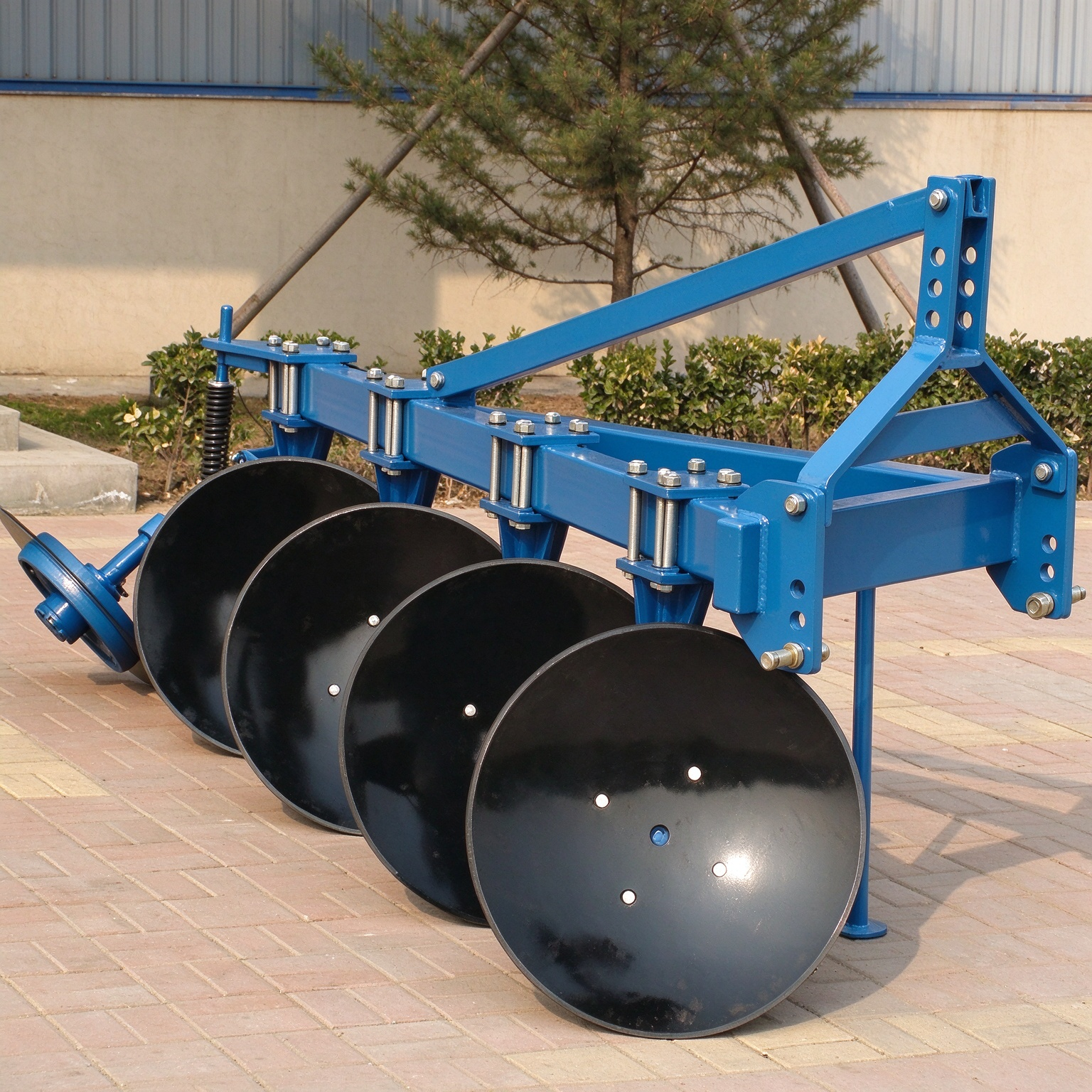
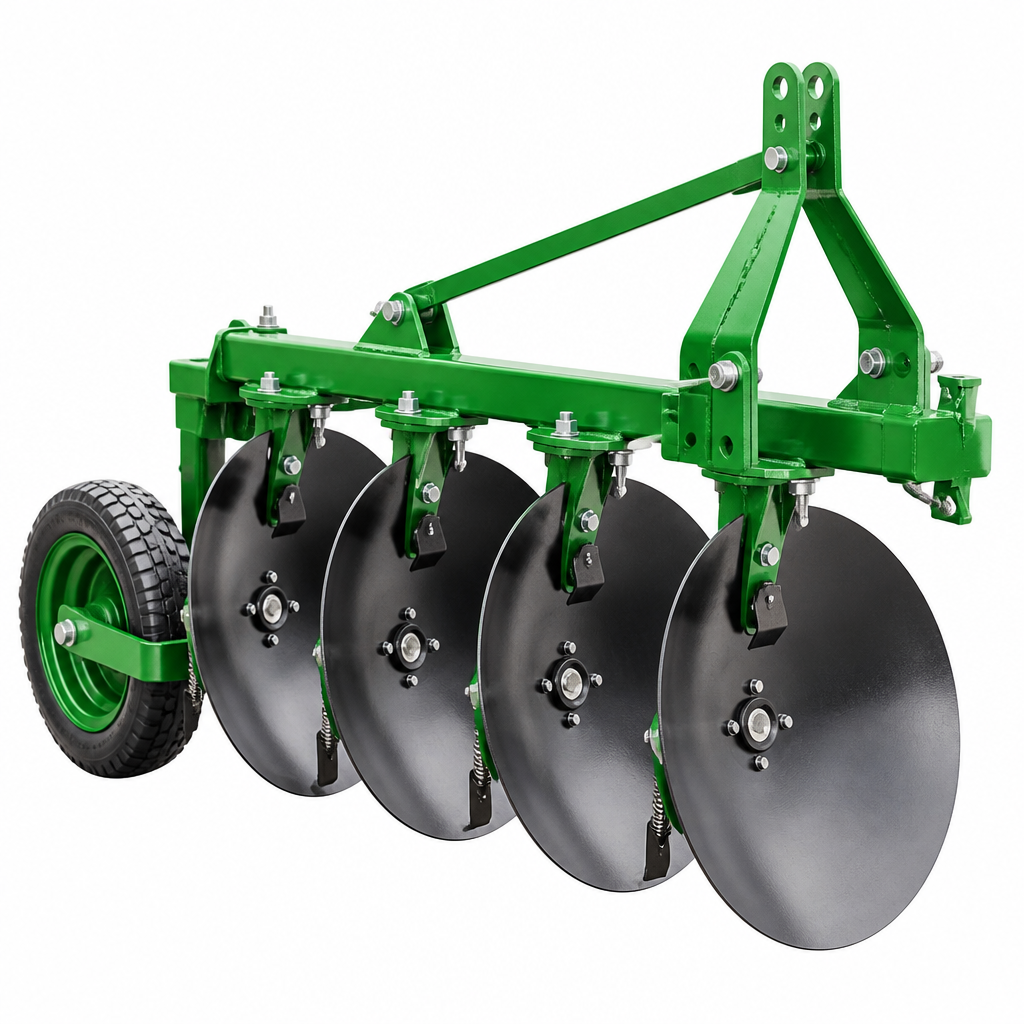
tractor disc plough

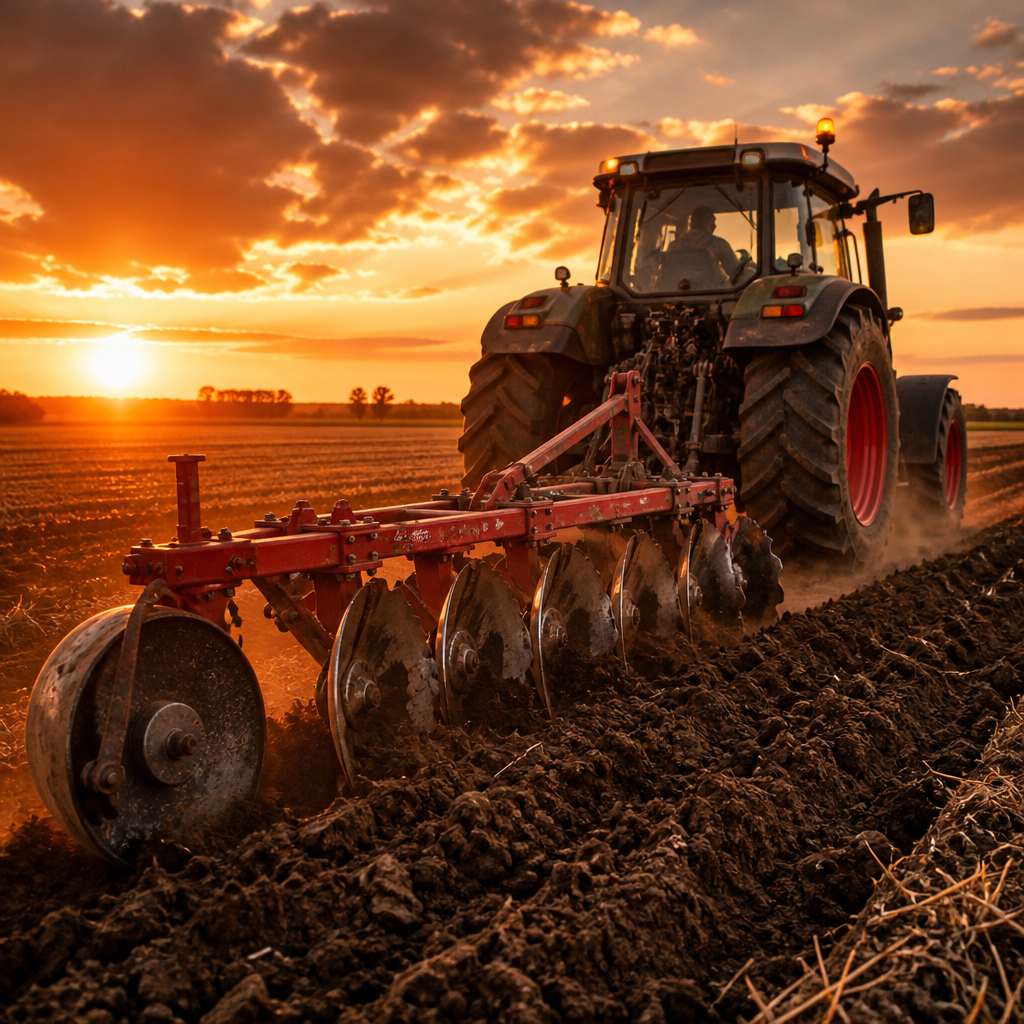
A tractor disc plough is a crucial piece of agricultural machinery designed for soil preparation, essential for maximizing crop yields. In the B2B market, purchasing managers, distributors, and product managers often face significant concerns regarding quality, reliability, and cost-effectiveness when sourcing this equipment. This article will guide you in evaluating tractor disc ploughs, understanding the benefits of sourcing from reputable suppliers, addressing common issues, and considering critical cost factors for bulk purchases.

The Benefits of Sourcing Tractor Disc Ploughs from Reliable Suppliers

The Benefits of Sourcing Tractor Disc Ploughs from Reliable Suppliers

Sourcing tractor disc ploughs from reputable suppliers, like Agripros, offers numerous advantages:

Quality Assurance: Established suppliers often have a track record of producing high-quality equipment. They provide warranties and after-sales support, ensuring that you receive reliable products that meet your agricultural needs.

Customization Options: Reliable suppliers are more likely to offer customization capabilities, allowing you to tailor the plough according to specific agricultural requirements, such as soil type or crop rotation practices. For instance, consider integrating Cultivators & Tillers to enhance your farming operations.

Technical Expertise: Experienced suppliers can provide valuable insights and recommendations based on their industry knowledge. They can help you select the right model and configuration for your operation, reducing the risk of purchasing unsuitable equipment.

Supply Chain Stability: Working with a trusted supplier can enhance supply chain reliability. They are more likely to maintain consistent inventory levels and timely delivery, which is critical for maintaining operational schedules.

Global Reach: Suppliers with experience in international markets can navigate export regulations and shipping logistics, ensuring that your equipment arrives safely and on time.

Common Problems with Tractor Disc Ploughs and Their Effective Solutions

Common Problems with Tractor Disc Ploughs and Their Effective Solutions

Despite their robustness, tractor disc ploughs can encounter several common issues. Understanding these problems and their solutions can enhance operational efficiency:

Soil Compaction: If the plough is not adjusted correctly, it can lead to soil compaction, hindering crop growth. Regularly check the plough's settings and ensure that it is operating at the correct depth.

Wear and Tear of Discs: Disc blades can wear down over time, reducing effectiveness. Regular maintenance, including inspections and timely replacement of worn discs, is essential for sustained performance.

Poor Soil Incorporation: If the plough is not designed for the specific soil type, it may fail to incorporate soil effectively. Select a plough that matches your soil conditions and adjust the settings accordingly. Utilizing proper Irrigation Systems can also improve soil health and productivity.

Equipment Compatibility: Ensure that the plough is compatible with your tractor's specifications. Incompatible equipment can lead to performance issues and additional costs for modifications or repairs.

Hydraulic Issues: Problems with hydraulic systems can affect the plough's operation. Regularly inspect hydraulic lines for leaks and ensure that the system is functioning properly.

What Buyers Need to Know

What Buyers Need to Know

Before purchasing tractor disc ploughs, buyers should be aware of several pivotal factors:

Specifications: Confirm key specifications such as disc thickness, diameter, and design. These factors directly influence the plough's performance and suitability for specific applications.

Minimum Order Quantity (MOQ): Understand the supplier's MOQ policy. Many manufacturers set MOQs for bulk orders, which can affect your purchasing strategy.

Lead Time: Inquire about the lead time for production and delivery. Longer lead times can impact your planting schedule, so factor this into your planning.

Customization Requests: If you have specific requirements, communicate these early in the process to ensure that the supplier can accommodate your needs.

Payment Terms: Discuss payment terms and conditions upfront to avoid misunderstandings later. This can include deposits, payment timelines, and accepted payment methods.

Cost Factors to Consider When Purchasing Tractor Disc Ploughs in Bulk

Understanding the cost factors associated with purchasing tractor disc ploughs in bulk is essential for effective budgeting:

Unit Cost: The price per unit can vary significantly based on specifications, materials, and supplier reputation. Obtain quotes from multiple suppliers to compare pricing.

Shipping Costs: Factor in shipping expenses, especially if sourcing from international suppliers. These costs can greatly affect your overall investment.

Import Duties and Taxes: Be aware of any potential import duties or taxes that may apply to your order, as these can add to your total costs.

Maintenance and Operating Costs: Beyond the initial purchase price, consider the long-term maintenance costs associated with the plough. Regular servicing and replacement parts should be part of your financial planning.

Discounts for Bulk Orders: Discuss potential discounts for larger orders. Many suppliers offer tiered pricing structures that reward higher volume purchases.

By carefully evaluating these factors, buyers can make informed decisions that align with their agricultural needs and budget constraints.

How to Evaluate the Quality of Tractor Disc Ploughs for Bulk Orders

When assessing the quality of tractor disc ploughs, several specifications and characteristics should be examined. Key factors include the material used in construction, the design of the discs, and the overall manufacturing process.

Material Selection: High-strength steel is typically preferred for disc blades due to its durability and resistance to wear. Ensure that the materials meet industry standards and are suitable for the specific soil conditions they will encounter.

Disc Design: The shape, size, and thickness of the discs significantly affect the plough's performance. A properly designed disc will effectively cut through soil and incorporate residue, which is vital for soil health and crop production.

Manufacturing Capabilities: Verify the manufacturer's production equipment and capabilities. Advanced manufacturing techniques, such as precision machining and quality welding processes, can enhance the structural integrity and longevity of the plough.

Quality Control Processes: A robust quality control system, including inspections at various stages of production, is crucial for ensuring that each unit meets the specified standards. Look for manufacturers with ISO 9001 certification, as this indicates adherence to international quality management standards.

Sample Approval: Before placing a bulk order, request a sample. This allows you to assess the plough's performance in real-world conditions and check for any discrepancies in specifications.

Get a Free Quote

Our representative will contact you soon.
0/1000