Tandem Disc Plows: Key Specs & Supplier Insights

application/tandem-disc-plow, application/tandem-disc-plow, 
Inquiry
Inquiry

tandem disc plow

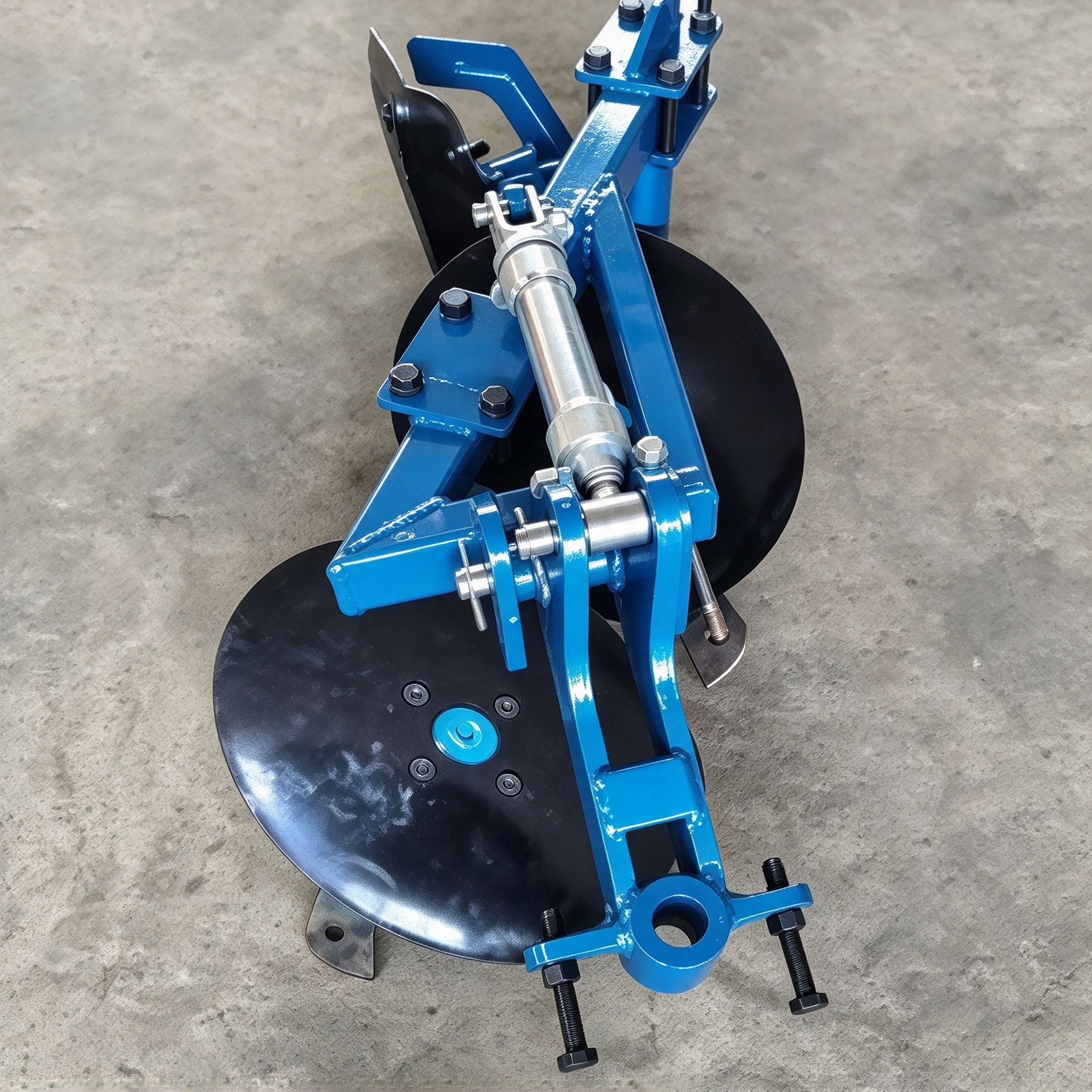
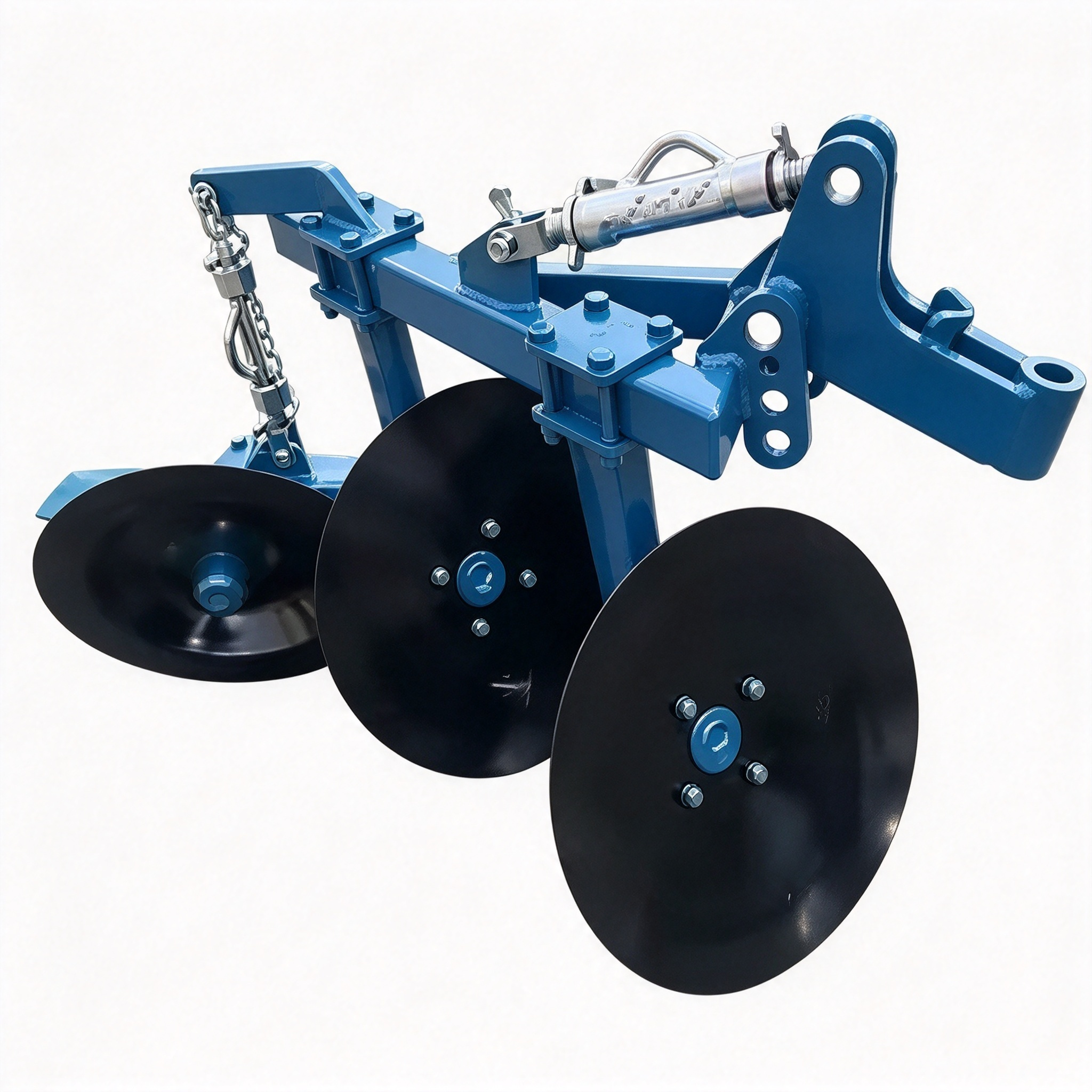
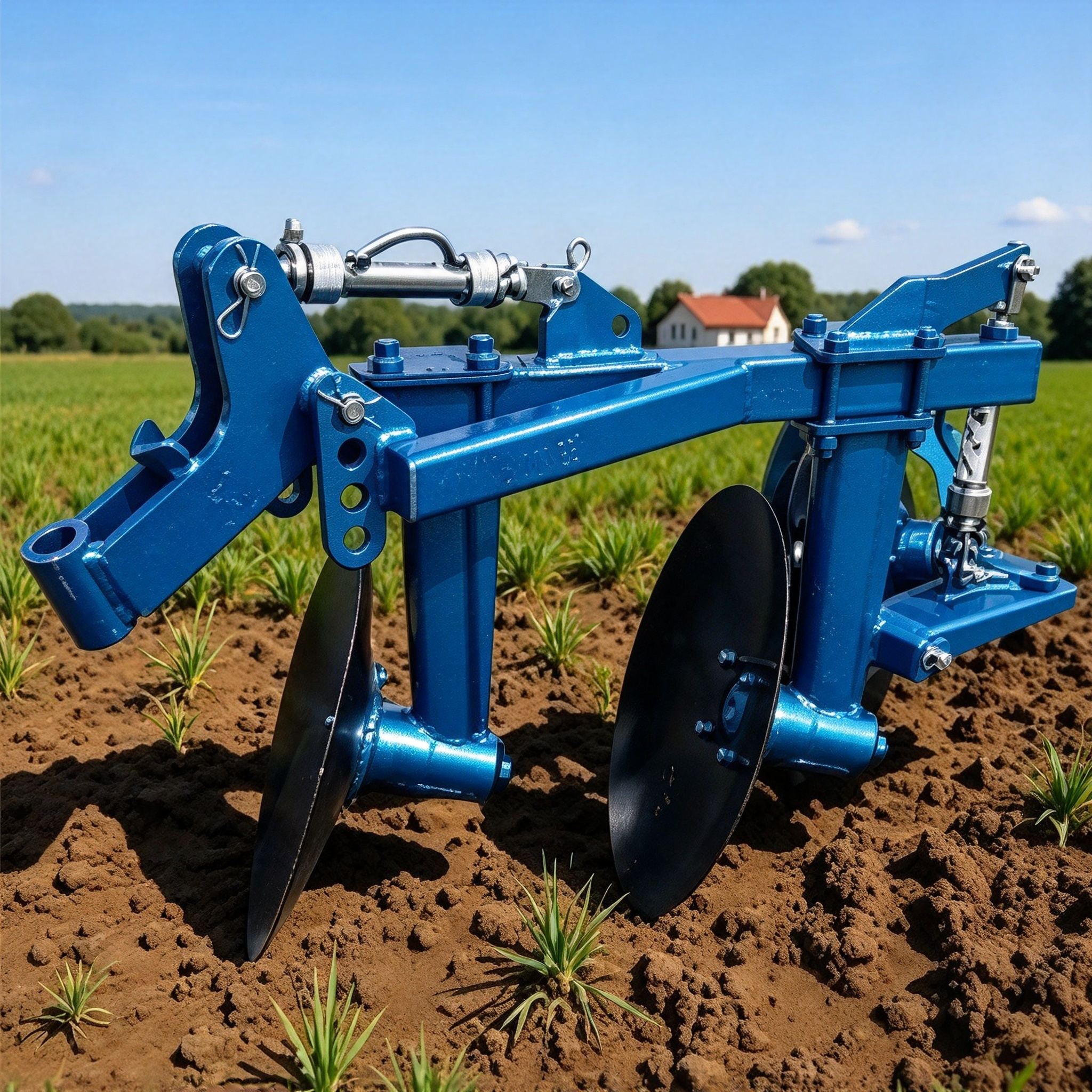
Tandem disc plows are essential agricultural implements designed for efficient soil tillage. They utilize two or more discs to create a clean, well-turned seedbed while minimizing soil erosion and compaction. B2B buyers, including purchasing managers and agricultural distributors, often face concerns regarding the specifications, quality, and application of these plows. This article will guide you through the key specifications, supplier options, quality evaluations, cost factors, and applications of tandem disc plows, ensuring you make informed purchasing decisions.

Where to Find Reliable Suppliers of Tandem Disc Plows

Where to Find Reliable Suppliers of Tandem Disc Plows

Finding reliable suppliers of tandem disc plows involves thorough research and evaluation. Start by exploring: Industry Trade Shows: Events like the International Farm Equipment Show or local agricultural expos provide opportunities to meet manufacturers and suppliers face-to-face. Online Marketplaces: Websites dedicated to agricultural machinery, such as TractorHouse or Agriaffaires, allow buyers to compare different models and suppliers. Industry Associations: Organizations like the American Society of Agricultural and Biological Engineers (ASABE) can provide recommendations for reputable manufacturers. Certifications: Look for suppliers with CE or ISO 9001 certifications, as these indicate adherence to quality standards. Engaging with multiple suppliers and requesting samples or demonstrations can further ensure that you make a well-informed decision.

Evaluating the Quality of Tandem Disc Plows for Wholesale Purchase

Evaluating the Quality of Tandem Disc Plows for Wholesale Purchase

Quality evaluation of tandem disc plows requires attention to both materials and manufacturing processes. Here are key factors to consider: Material Quality: Ensure the discs are made from high-carbon steel, which offers better wear resistance. Check for surface treatments that enhance durability, such as galvanization or powder coating. Weld Integrity: Inspect the welding quality on the frame and disc mounts. Poor welds can lead to structural failures during operation. Quality Control Processes: Inquire about the manufacturer's quality control measures. Established manufacturers often conduct rigorous testing to ensure each plow meets industry standards. Warranty and Support: A solid warranty can indicate a manufacturer’s confidence in their product. Additionally, ensure they provide spare parts and support for maintenance. Buyers should also consider reviewing testimonials or case studies from other customers to gauge the reliability and performance of the plows in real-world conditions.

Cost Factors to Consider When Sourcing Tandem Disc Plows

Cost Factors to Consider When Sourcing Tandem Disc Plows

Several factors influence the cost of tandem disc plows. Understanding these will help you budget effectively: Specifications: Higher specifications, such as larger disc diameters or specialized features, typically lead to higher costs. Determine which specifications are essential for your operations to avoid unnecessary expenses. Customization: If you require custom features or modifications, be prepared for additional costs. Discuss your specific needs with the manufacturer to get an accurate quote. Quantity Discounts: Many manufacturers offer bulk pricing for larger orders. Confirm the minimum order quantities (MOQ) and negotiate terms to maximize savings. Shipping Costs: Factor in the cost of shipping, especially if the supplier is overseas. Shipping large machinery can be expensive and may affect your overall budget. Maintenance and Operating Costs: Consider future maintenance costs as well. Investing in quality components can lead to lower long-term operational costs. By understanding these factors, you can better evaluate the overall investment in tandem disc plows.

Applications of Tandem Disc Plows in Modern Agriculture Projects

Tandem disc plows are versatile tools used in various agricultural applications. Key uses include: Soil Preparation: These plows are ideal for breaking up soil before planting. They create a well-aerated seedbed that promotes healthy crop growth. Residue Management: They effectively incorporate crop residues into the soil, improving organic matter content and soil health. Cover Crop Termination: Farmers often use tandem disc plows for terminating cover crops, helping prepare fields for the next planting season. Soil Mixing: The dual-disc design allows for thorough mixing of soil layers, which can improve nutrient distribution and moisture retention. Understanding these applications helps buyers identify how tandem disc plows can enhance their agricultural practices, making them a valuable investment for modern farming projects.

By considering the specifications, supplier options, quality evaluations, cost factors, and applications detailed, B2B buyers can confidently navigate the procurement process for tandem disc plows. This knowledge will ultimately lead to better purchasing decisions and improved agricultural productivity. Additionally, exploring Irrigation Systems can complement your farming practices, ensuring optimal crop growth.

Key Specifications of Tandem Disc Plows for Bulk Buyers

When evaluating tandem disc plows, several specifications are critical to consider. Key features typically include:

Disc Diameter: This usually ranges from 18 to 30 inches. A larger diameter allows for deeper tillage but may require more horsepower. Disc Spacing: Standard spacing varies from 6 to 8 inches apart. Closer spacing can improve soil mixing, while wider spacing is better for heavy residue. Frame Construction: The frame is usually made from high-strength steel to withstand the stresses of tillage operations. A robust frame design is essential for durability. Weight: Heavier plows can penetrate soil better, but they may require more powerful tractors. Adjustability: Many modern plows offer adjustable disc angles and depth settings, allowing farmers to customize their operations based on soil conditions. Understanding these specifications helps buyers assess whether a particular tandem disc plow meets their operational needs and compatibility with existing equipment.

Frequently Asked Questions

What is a tandem disc plow used for?

The tandem disc plow is for primary tillage, cutting crop residue, breaking compacted soil, and preparing seedbeds on medium to heavy soils for farms and plantations.
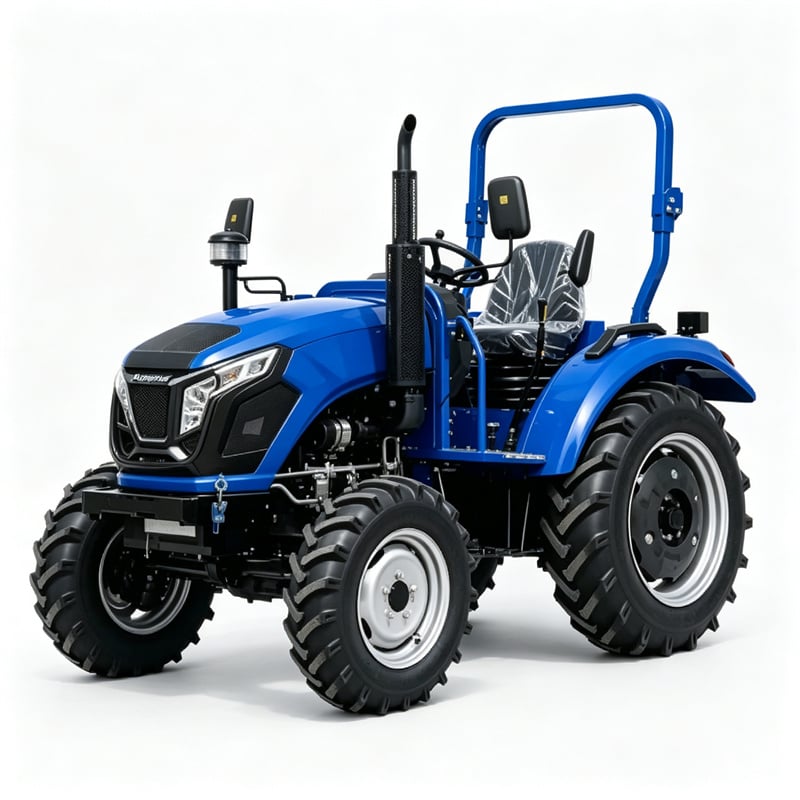
Required tractor power depends on model and soil. Typical range is 40–150 HP. Agripros can recommend the correct model based on your fields and payload.
Agripros manufactures to CE and ISO 9001 quality systems, ensuring certified design, production control, and consistent component quality.
Agripros offers lifecycle-based support, maintenance guidance, and spare parts availability. Contact our service team with model and serial number for prompt assistance.
Yes. Agripros provides tailored configurations such as disc size, spacing, frame width, and hitch type to match soil, crop, and tractor requirements.

Get a Free Quote

Our representative will contact you soon.
0/1000