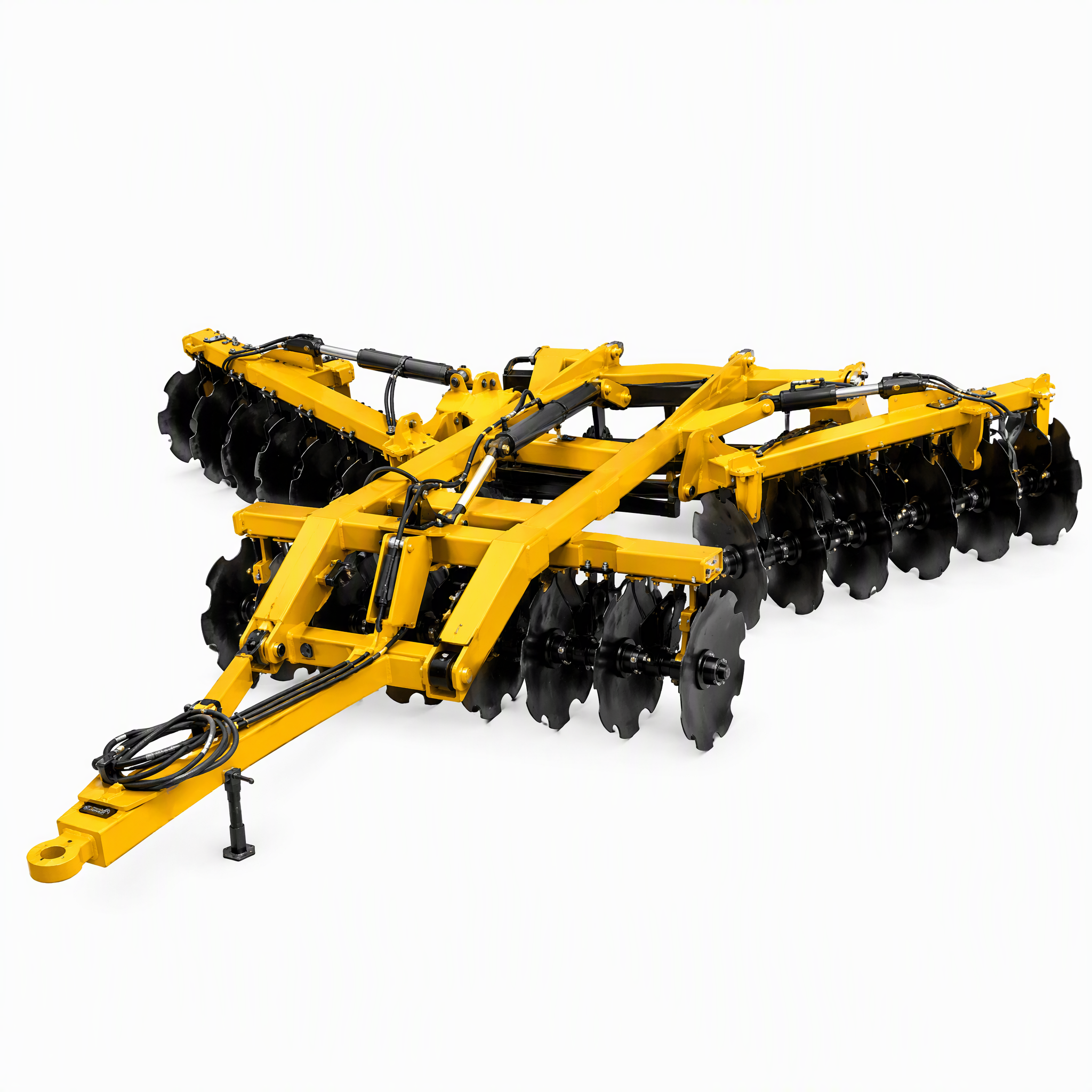
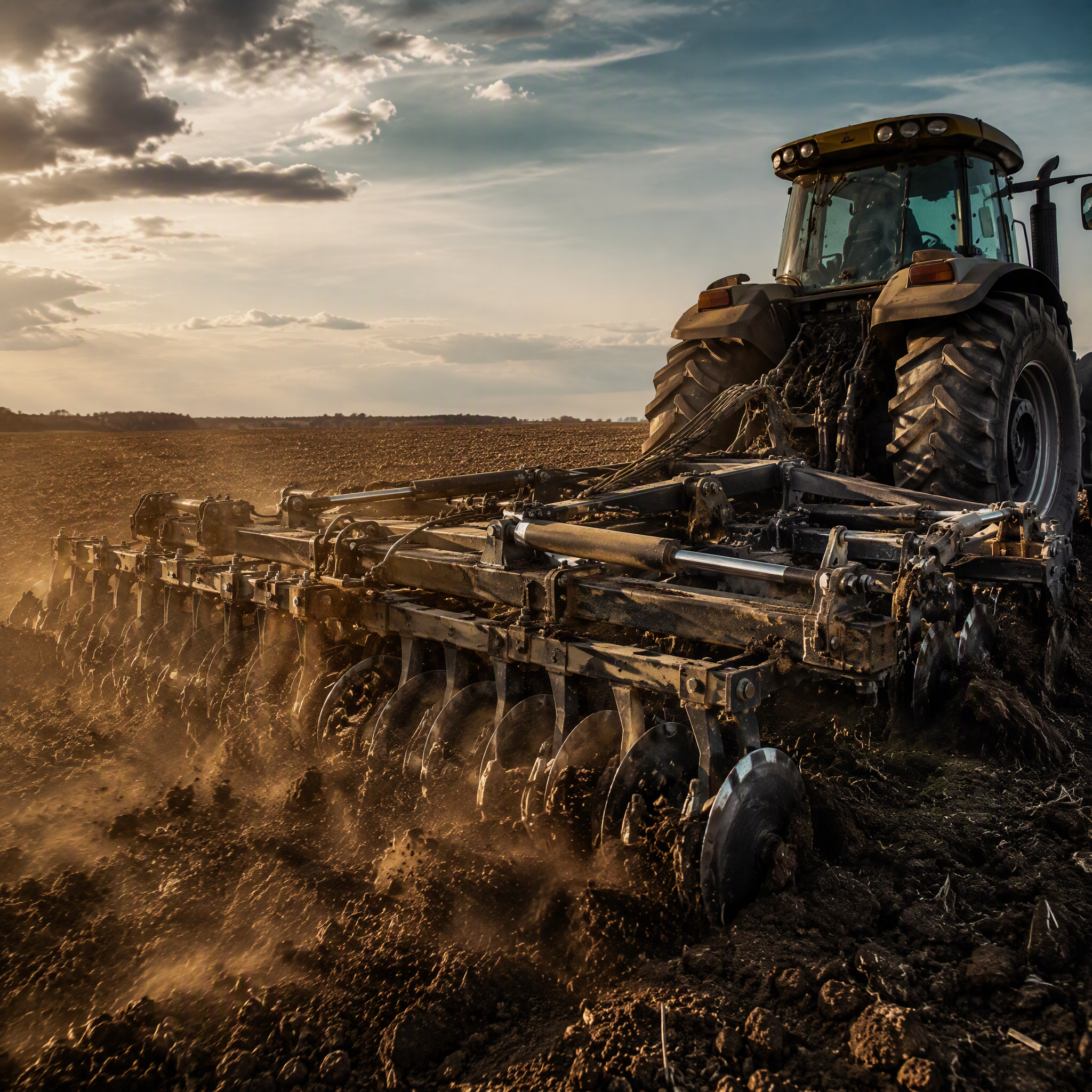
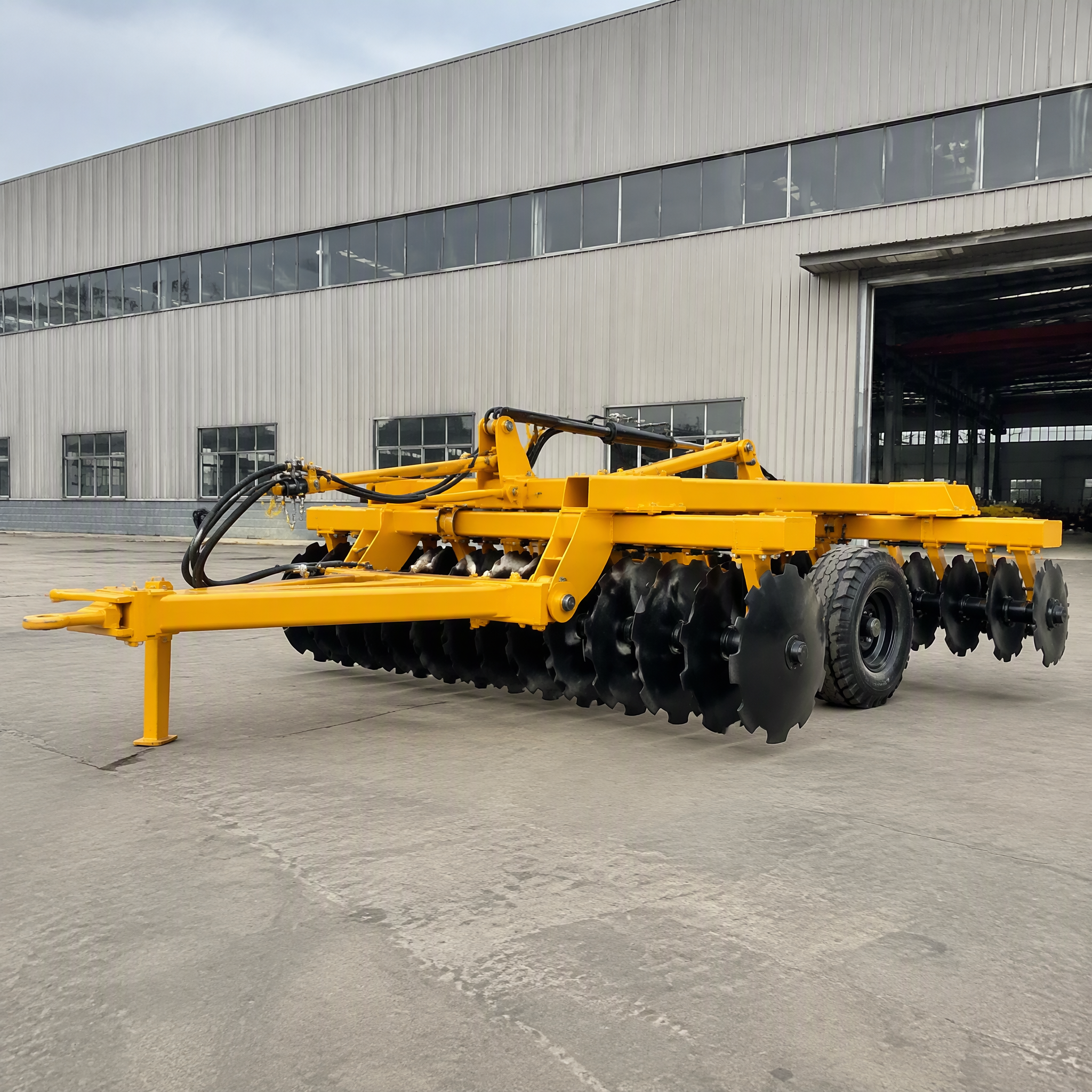
Tractor Disc Plough Price and Selection Guide

application/tractor-disc-plough-price, application/tractor-disc-plough-price, 
Inquiry
application/tractor-disc-plough-price, application/tractor-disc-plough-price, 
Inquiry

tractor disc plough price

Choosing the right tractor disc plough can significantly impact the efficiency of farming operations, especially considering the varying soil types and crop needs across different regions. If you're exploring tractor disc plough prices, it's essential to understand how to select the appropriate model for your agricultural requirements, key features to consider, and factors that influence pricing. This article will provide valuable insights to help purchasing managers, distributors, and agricultural engineers make informed decisions when sourcing tractor disc ploughs.

Key Features to Consider

Key Features to Consider

Several key features should be evaluated when assessing tractor disc ploughs:

Disc Diameter: The size of the discs affects soil penetration and mixing. Larger discs can cut deeper but may require more power, while smaller discs are better for shallower tillage.

Material Quality: Durable materials such as high-carbon steel enhance longevity and performance, reducing the need for frequent replacements.

Adjustability: Hydraulic or manual adjustments allow operators to change the angle and depth of the plough, providing flexibility for different soil conditions and crop types.

Weight Distribution: A well-balanced plough can improve stability and reduce the risk of the tractor becoming stuck in softer soils.

Maintenance Requirements: Look for designs that simplify maintenance tasks, such as easy access to bearings and quick-release mechanisms for replacing worn parts.

Customization Options: Some manufacturers, like Agripros, offer tailored solutions to meet specific farming needs, which can enhance operational efficiency.

Evaluating these features can help you identify a tractor disc plough that meets both your operational needs and budget constraints.

Understanding the Cost Breakdown of Tractor Disc Ploughs for Importers

Understanding the Cost Breakdown of Tractor Disc Ploughs for Importers

The price of tractor disc ploughs can vary widely based on several factors. Understanding these components will help you gauge the total cost of ownership:

Base Price: The initial cost of the plough is influenced by its design, size, and brand. High-quality, advanced models typically command higher prices.

Shipping and Import Fees: For importers, shipping costs and customs duties can significantly impact the final price. It's advisable to factor in these costs when budgeting for new equipment.

Bulk Purchase Discounts: Many manufacturers offer discounts on bulk orders, providing an opportunity for cost savings if you're sourcing multiple units.

Maintenance and Repair Costs: Consider the long-term costs associated with maintaining the plough, including potential repairs and the availability of spare parts.

Financing Options: Some suppliers may offer financing options, which can help spread the cost over time, making it easier to manage cash flow.

Understanding these factors will enable you to make a more informed decision regarding your investment in tractor disc ploughs. Additionally, exploring Irrigation Systems can also complement your farming operations by ensuring that the crops receive adequate water supply.

Key Indicators for Buyers

Key Indicators for Buyers

When evaluating potential suppliers and their products, consider the following indicators to ensure you are making a sound investment:

Certifications: Ensure the manufacturer holds relevant certifications, such as CE and ISO 9001, which signal adherence to quality and safety standards.

Industry Experience: Look for suppliers with a proven track record in the agricultural machinery sector. Companies like Agripros, with experience spanning over 40 countries, can provide valuable insights and reliable solutions.

Customer Reviews and Testimonials: Past customer experiences can offer practical insights into the performance and reliability of the ploughs.

Post-Purchase Support: Consider the level of after-sales support, including warranty terms and access to replacement parts or service.

Customization Capabilities: Suppliers that can tailor their products to meet your specific agricultural needs can provide significant advantages in operational efficiency.

By considering these indicators, buyers can better assess which suppliers will meet their needs effectively.

Common Problems with Tractor Disc Ploughs and Effective Solutions to Consider

Despite their effectiveness, tractor disc ploughs can encounter several common issues. Understanding these problems and their solutions can enhance operational efficiency:

Soil Compaction: Over time, repeated use of a disc plough can lead to soil compaction. It’s essential to monitor soil condition and, if necessary, incorporate a crop rotation plan or use cover crops to improve soil structure.

Disc Wear and Tear: Discs can wear down due to abrasive soil conditions. Regular inspections and timely replacement of worn discs can prevent performance degradation.

Inconsistent Depth of Tillage: If the plough is not calibrated correctly, it may not till at a consistent depth. Regular checks on depth settings and adjustments can ensure uniformity in tillage.

Hydraulic System Failures: Hydraulic issues can impede the plough's adjustability. Ensure regular maintenance of the hydraulic system and replace any faulty hoses or cylinders promptly.

Poor Soil Mixing: If the discs are not configured correctly, soil mixing may be inefficient. Adjusting the angle and depth settings according to soil type can improve mixing performance.

By being proactive in addressing these common problems, agricultural operations can maintain optimal performance and extend the lifespan of their tractor disc ploughs.

In summary, understanding tractor disc plough prices and the factors influencing them is vital for making informed purchasing decisions. By evaluating specific agricultural needs, assessing key features, understanding cost breakdowns, and being aware of common issues, buyers can select the most suitable equipment for their operations.

How to Choose the Right Tractor Disc Plough for Your Agricultural Needs

When selecting a tractor disc plough, it's essential to consider the specific needs of your agricultural operation. Factors such as soil type, field size, crop rotation, and climate conditions play a crucial role in determining the right equipment. For example, heavy clay soils may require a disc plough with broader, heavier discs that can penetrate the ground effectively. In contrast, sandy soils may benefit from lighter discs that can create a finer seedbed. Additionally, the size of your tractor will dictate the plough's compatibility; ensure the plough's required horsepower aligns with your tractor's output.

Another consideration is the plough's design and configuration, such as the number of discs and their arrangement. A two-way plough, which allows for both forward and backward operation, can be advantageous for larger fields, reducing the need for turning at the end of each row. Understanding your land's specific requirements will guide you in selecting the most effective tractor disc plough. Additionally, utilizing Cultivators & Tillers alongside your plough can enhance soil preparation and crop yield.

Frequently Asked Questions

What factors determine tractor disc plough price?

Price depends on model size, number of discs, material quality, hydraulic features, and optional attachments. Shipping, taxes, and customization also affect final cost.
Yes. Our tractor disc ploughs are designed and supplied with CE and ISO 9001 compliance to meet international quality and safety standards.
Yes. Provide required working width, soil type, disc count, and any special features. We will return a tailored quote including lead time and shipping.
We provide warranty coverage per model and lifecycle-based after-sales support including spare parts, technical guidance, and maintenance advice across service regions.
We supply farms in over 40 countries. Delivery time varies by model and location; typical lead times are provided in the quote and include production and shipping estimates.

Get a Free Quote

Our representative will contact you soon.
0/1000